
Improving categorization skills Worksheets for Ages 4-8
4 filtered results
Difficulty Level
Grade
Age
-
From - To
Subject
Activity
Standards
Boost your child's cognitive development with our "Improving Categorization Skills" worksheets for ages 4-8! These engaging and educational printables are designed to enhance critical thinking by helping young learners identify, compare, and classify objects and ideas. Through fun activities featuring colorful illustrations, kids can practice sorting items, recognizing patterns, and making connections, which are essential for problem-solving and logical reasoning. Perfect for both classroom and home use, these worksheets support foundational skills that pave the way for academic success. Empower your early learner with the tools they need to excel in categorization with our expertly crafted materials.
Favorites
With answer key
Interactive
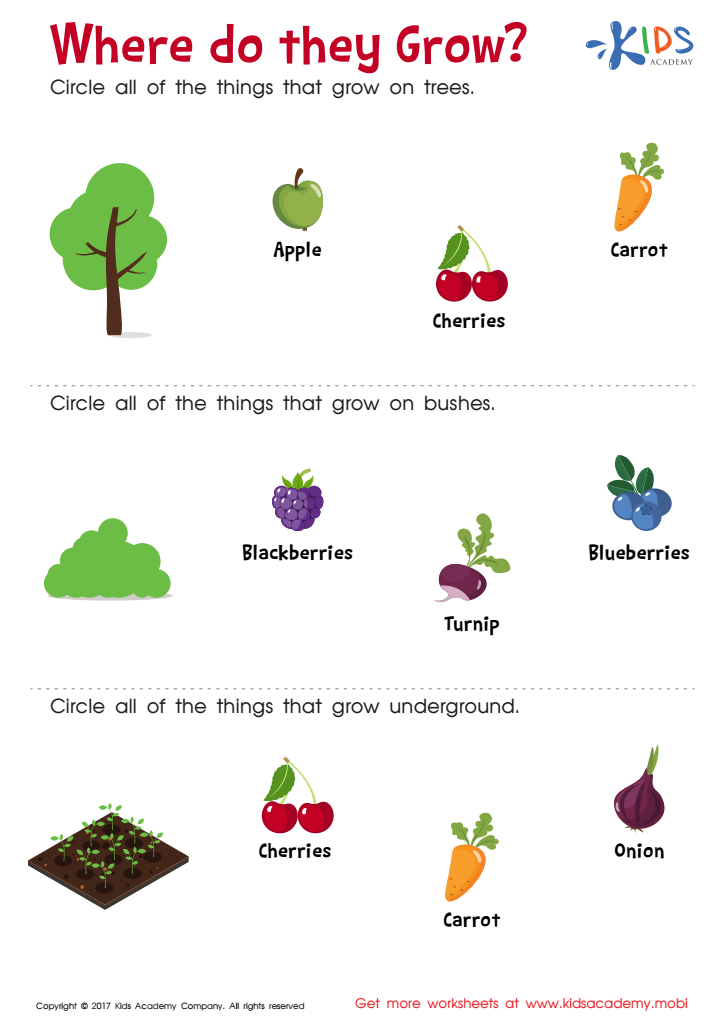
Where Do They Grow Worksheet
With this worksheet, your child can learn about apples, cherries, and blueberries and gain important science skills.
 Assign to My Students
Where Do They Grow Worksheet
Worksheet
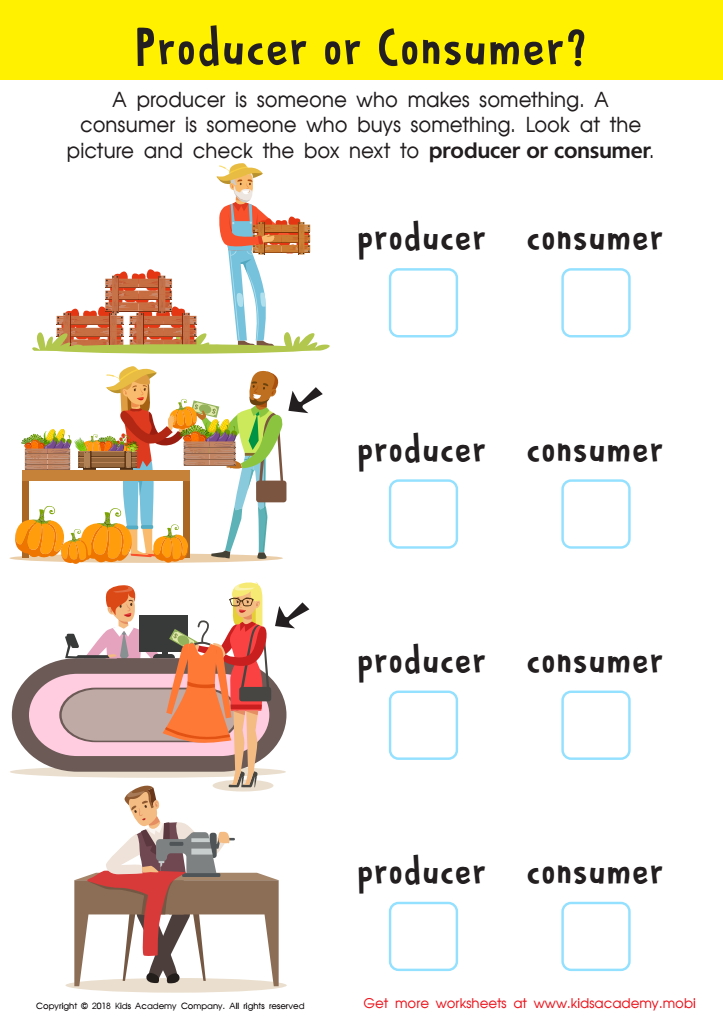
Producer or Consumer? Worksheet
Test your child's knowledge by asking who's a producer and consumer. Explain producer makes things and consumer buys them. Use a snack example. Look at the picture with your kids and help them check the box next to producer or consumer.
Producer or Consumer? Worksheet
Worksheet
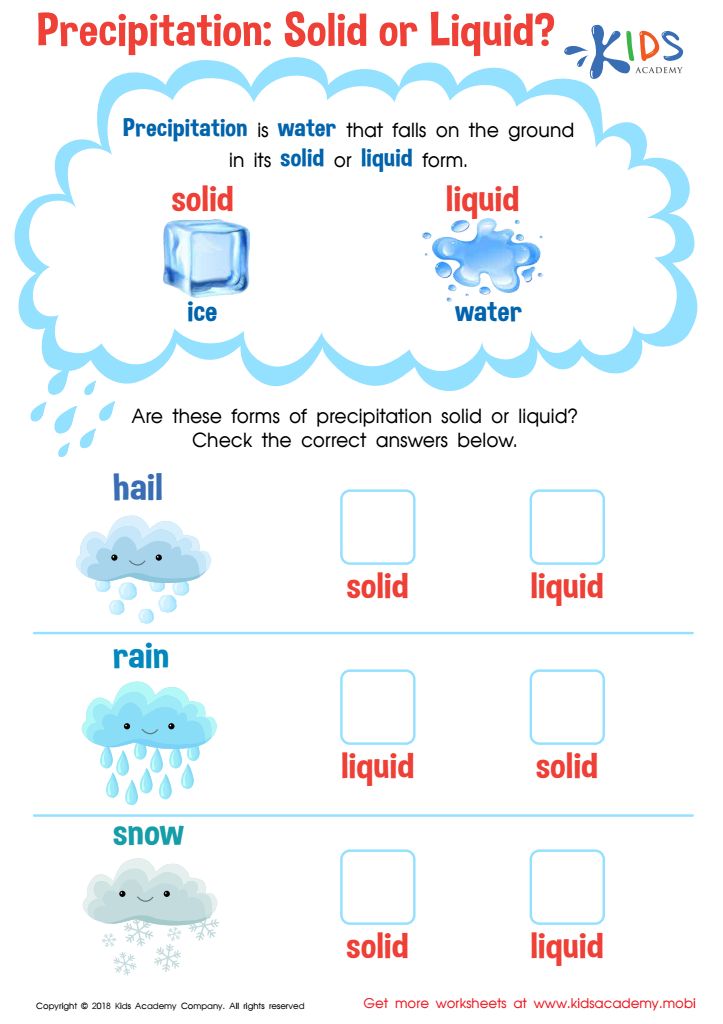
Precipitation: Solid or Liquid? Worksheet
Teach students that precipitation is water from the clouds/sky in either solid or liquid form, e.g. rain is liquid and snow is frozen. Use the worksheet with them to check if the forms of precipitation pictured are solid or liquid.
Precipitation: Solid or Liquid? Worksheet
Worksheet
Learning Skills
Join Kids Academy for Free
Who is primarily going to use this learning content?





Improving categorization skills for children aged 4-8 is crucial as it lays the foundation for their cognitive and academic development. Categorization, or the ability to group similar items and distinguish disparate ones, directly enhances critical thinking, problem-solving, and organizational skills. These skills are not only instrumental for academic success, as they underpin abilities in math and literacy, but also essential for everyday life.
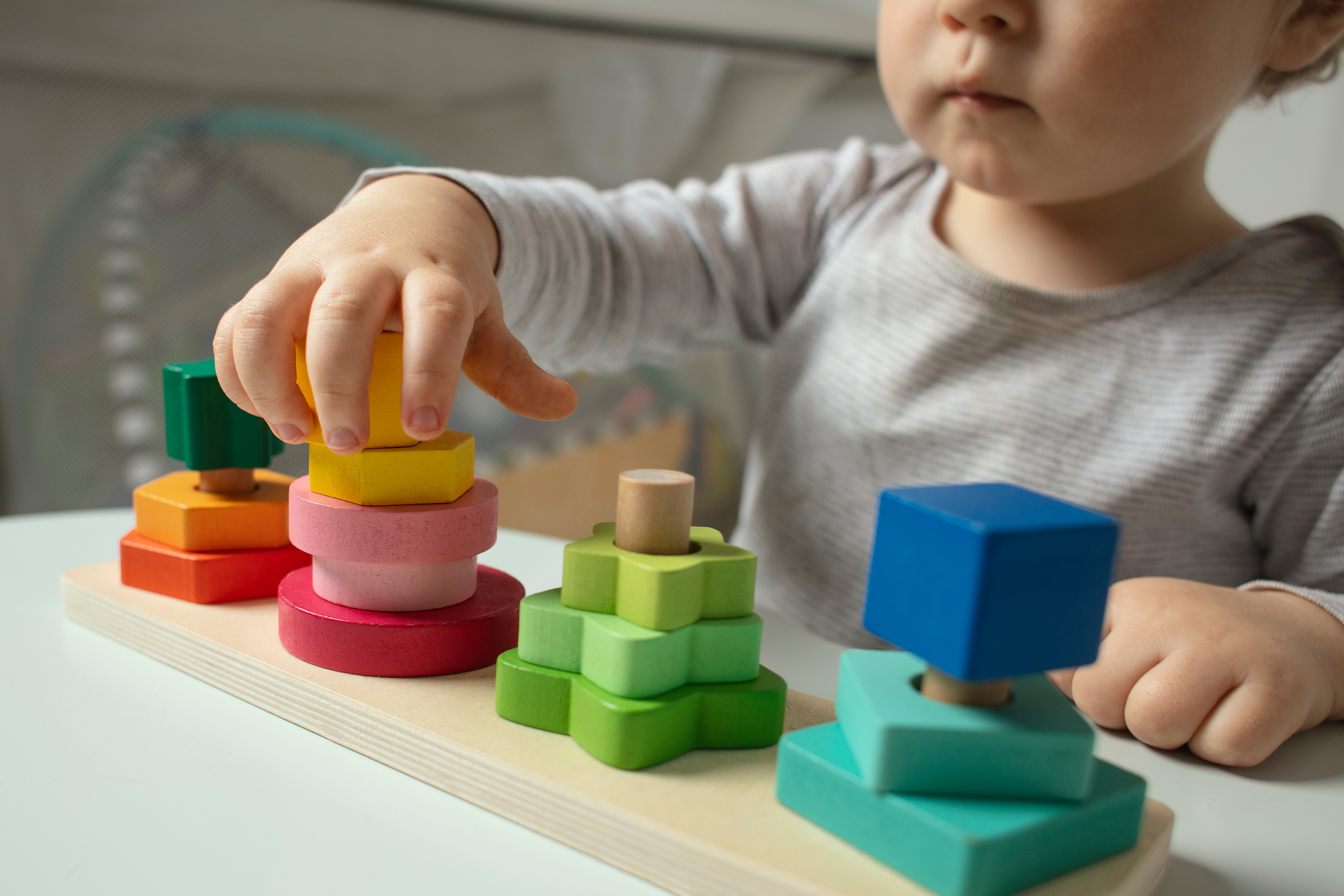
When children can categorize effectively, they are better equipped to understand and organize information. For instance, sorting objects by shape, size, or color helps in learning basic math concepts such as identifying patterns and understanding sequences. Similarly, categorizing words by their starting sounds or grouping objects by their purposes boosts language development and vocabulary, aiding in reading and writing proficiency.
In a broader context, these skills support executive functioning, including attention, memory, and planning—all vital for effective learning. Socially, improved categorization helps children make sense of the world around them, enhancing their ability to navigate social situations and solve problems independently.
Therefore, parents and teachers should prioritize the enhancement of categorization skills through playful learning activities, interactive games, and structured tasks, paving the way for a more organized thought process and a solid academic foundation for their children.








