Improving critical thinking Worksheets for Ages 4-8
6 filtered results
-
From - To
Unlock your child's potential with our "Improving Critical Thinking Worksheets" designed specifically for ages 4-8! These engaging and interactive worksheets encourage young learners to develop essential problem-solving skills and boost their cognitive abilities. Through fun activities such as puzzles, riddles, and simple logic games, children will enhance their reasoning, analytical thinking, and creativity. Our expert-designed resources cater to various learning styles, making it easy for educators and parents to foster critical thinking at home or in the classroom. Dive into a world of exploration and discovery, and watch as your child's confidence and critical skills soar! Perfect for early literacy development!
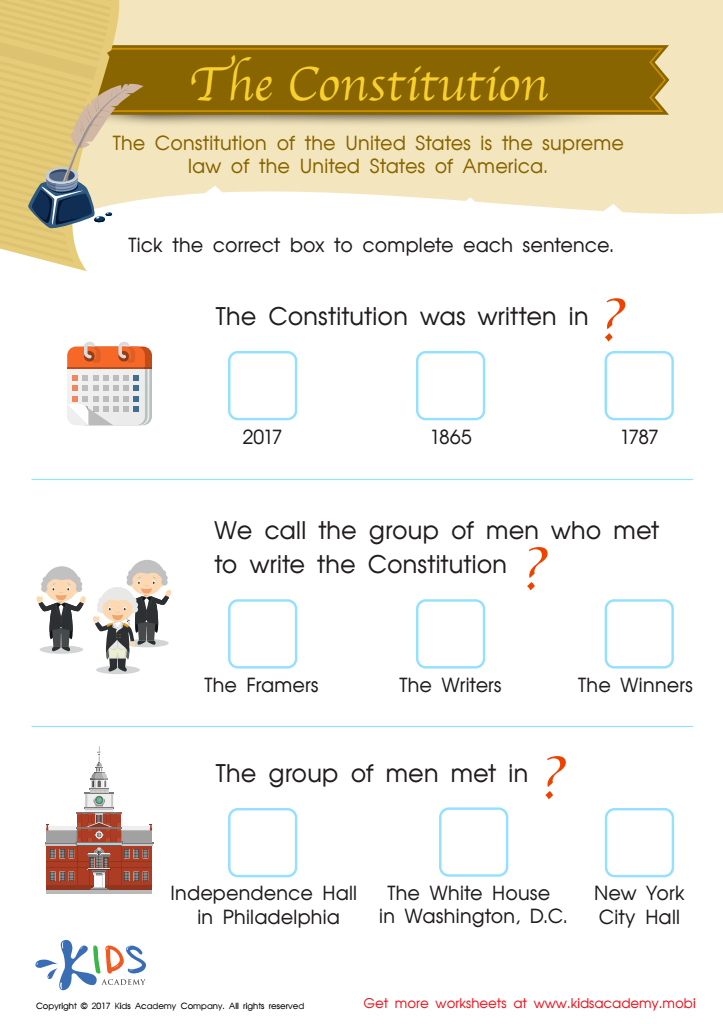
The Constitution Worksheet
 Assign to My Students
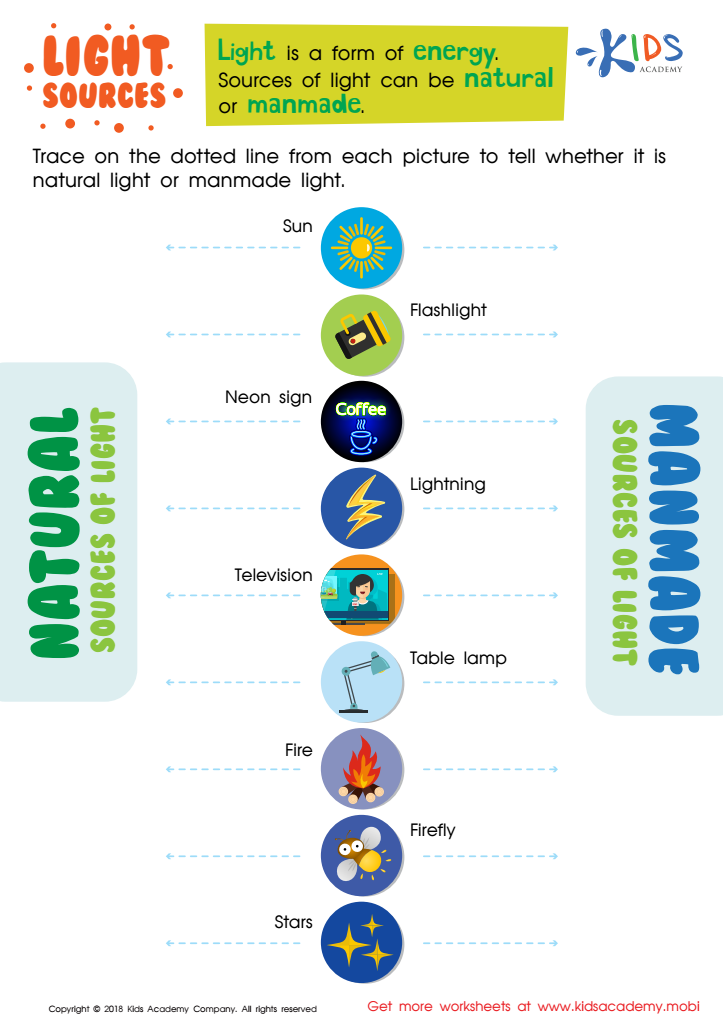
Natural and Manmade Light Sources Worksheet
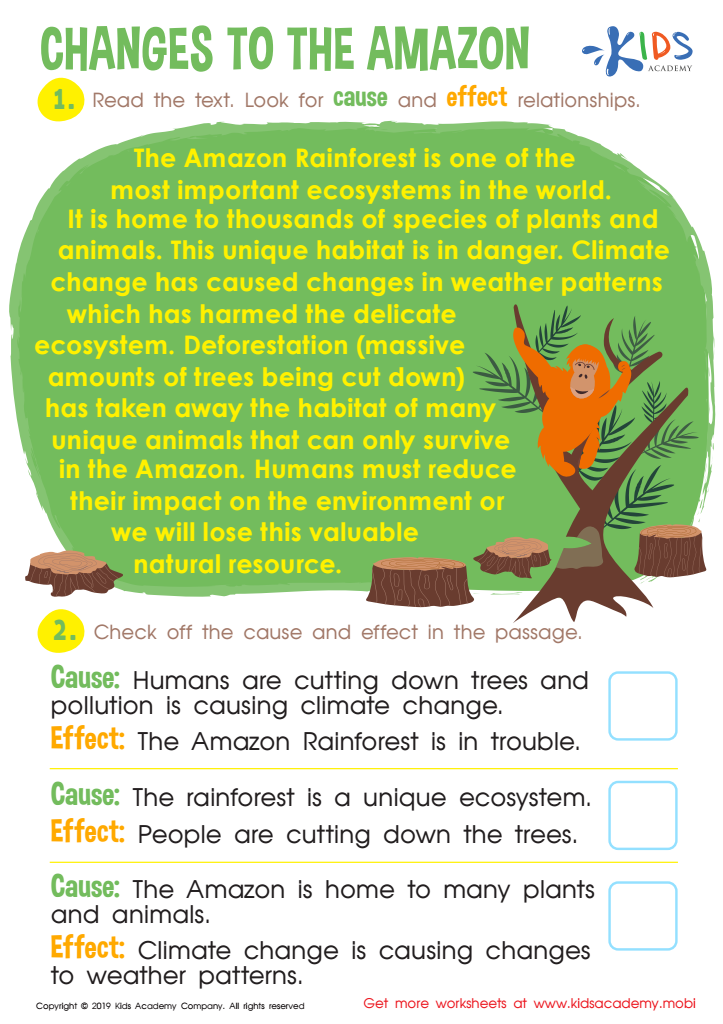
Changes to the Amazon Worksheet
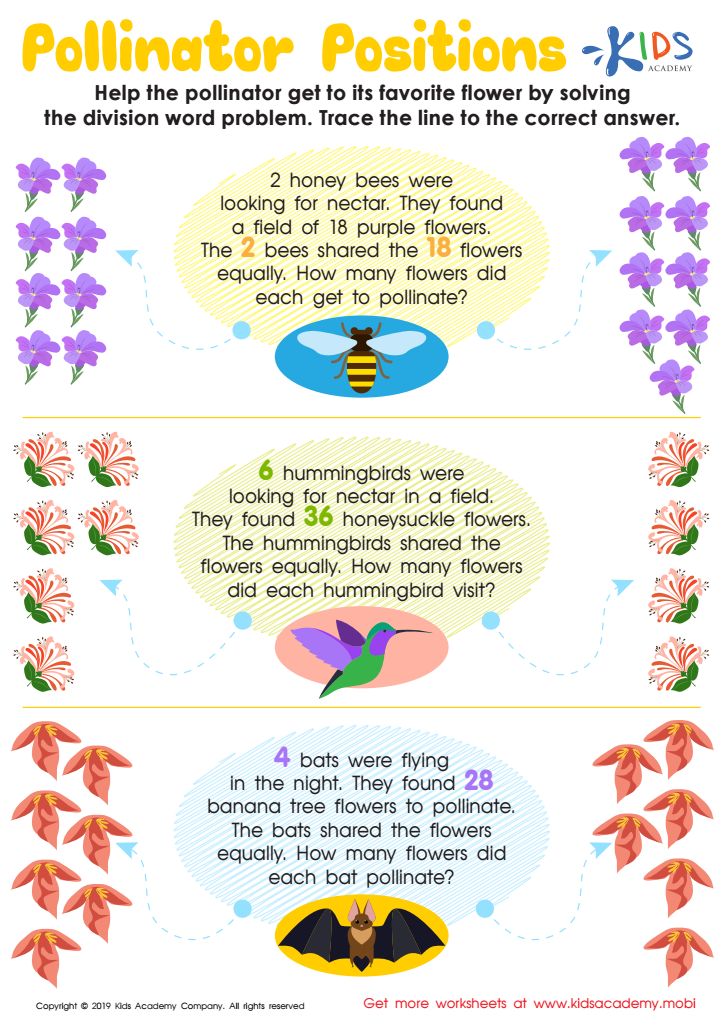
Pollinator Positions Worksheet
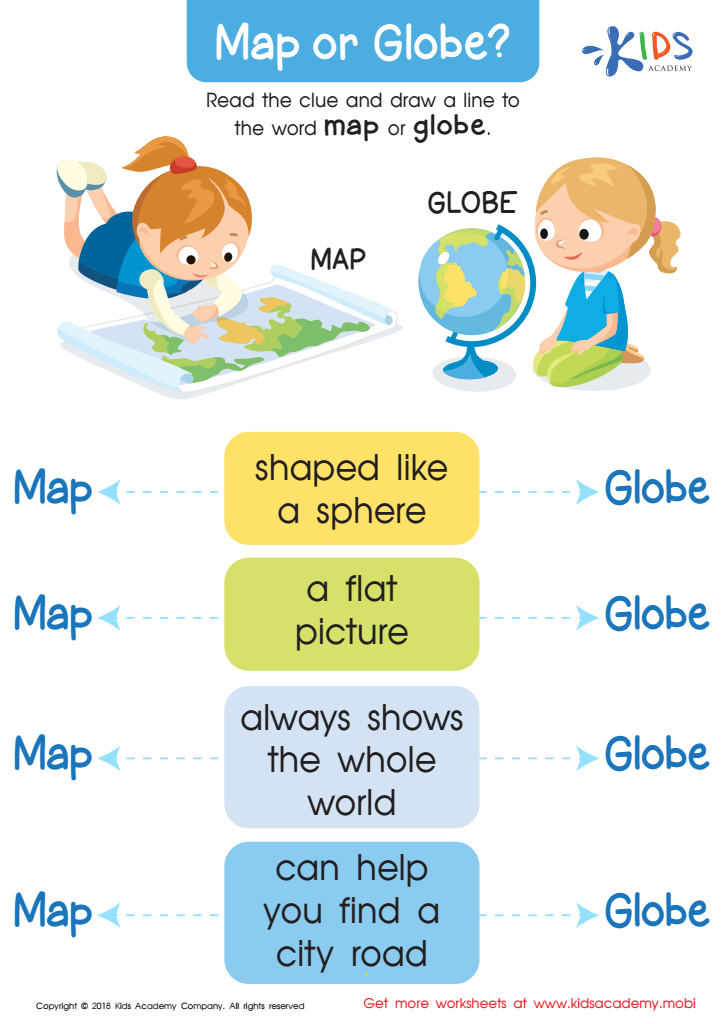
Map or Globe? Worksheet
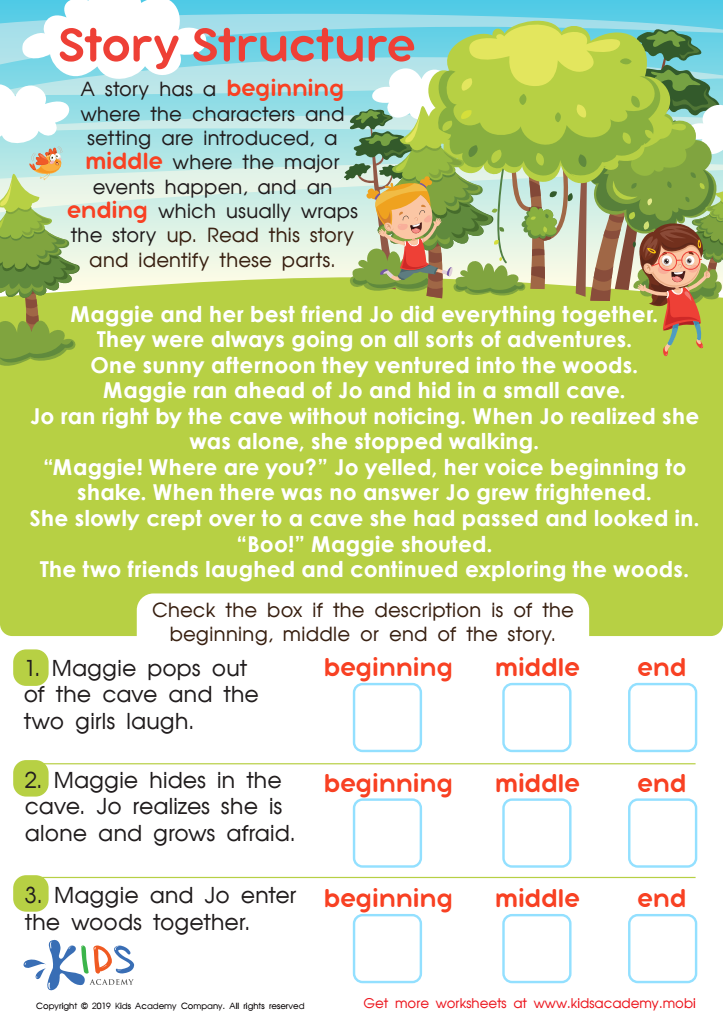
Story Structure Worksheet



.jpg)




Improving critical thinking skills in children aged 4 to 8 is essential for fostering their cognitive development and preparing them for future learning. During these formative years, children are naturally curious and eager to explore the world around them. By nurturing critical thinking, parents and teachers can guide children to ask questions, analyze information, and develop problem-solving skills.
Engaging kids in critical thinking helps them make sense of their experiences, develop logical reasoning, and enhance creativity. This age group is often starting to form foundational beliefs and values, making it crucial for them to learn how to evaluate information critically rather than accepting it at face value. Encouraging discussions, promoting exploration through hands-on activities, and asking open-ended questions are effective ways to stimulate a child's thinking.
Additionally, strong critical thinking skills correlate with academic success and better decision-making later in life. As children learn to think independently, they build confidence in their abilities and are more likely to approach challenges positively.
Fostering critical thinking in early childhood equips young learners with lifelong skills, ultimately contributing to their emotional intelligence and adaptability in an increasingly complex world. By prioritizing these skills, parents and teachers can ensure a brighter, more informed future for their children.








