
Increase vocabulary knowledge Worksheets for Ages 4-8
4 filtered results
Difficulty Level
Grade
Age
-
From - To
Subject
Activity
Standards
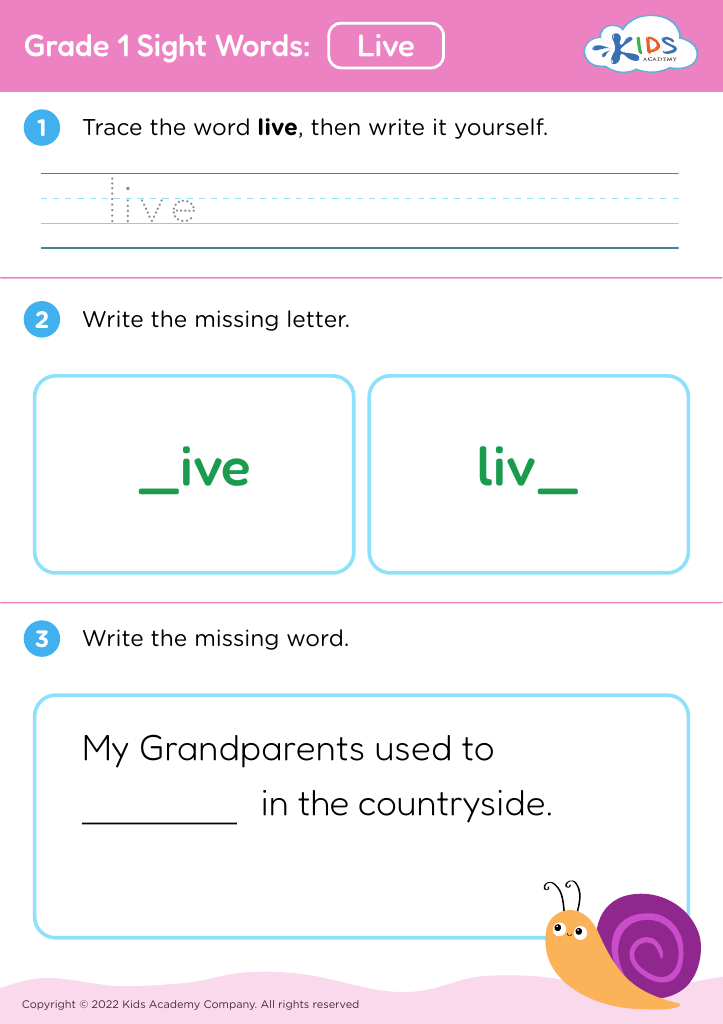
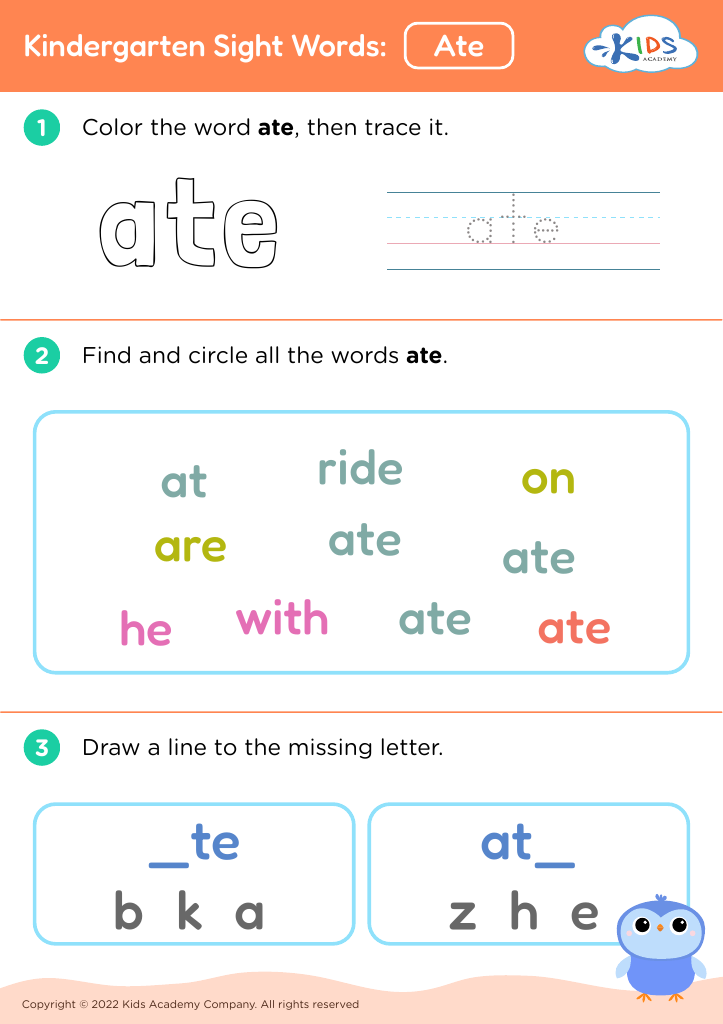
Boost your child's vocabulary with our engaging worksheets designed specifically for ages 4-8! These fun and interactive resources provide a variety of activities that promote word recognition, understanding synonyms and antonyms, and enhancing language skills. Each worksheet is thoughtfully crafted to captivate young learners, encouraging creativity while expanding their vocabulary. With colorful illustrations and easy-to-follow instructions, your child will enjoy exploring new words and their meanings. Perfect for parents and educators seeking to support early literacy, our vocabulary worksheets make learning fun and effective. Download now and help your child discover the joy of words!
Favorites
With answer key
Interactive
Join Kids Academy for Free
Who is primarily going to use this learning content?







Increasing vocabulary knowledge in children aged 4-8 is crucial for their overall language development, literacy skills, and academic success. During these formative years, children are rapidly acquiring language skills, and a robust vocabulary serves as the foundation for reading and writing. When children engage with a rich vocabulary, they are better equipped to comprehend texts, express themselves clearly, and develop critical thinking skills.
Parents and teachers should prioritize vocabulary expansion because it fosters communication skills and self-expression. Children with larger vocabularies are more confident in sharing their thoughts, asking questions, and participating in discussions. Additionally, vocabulary knowledge is linked to social-emotional development; understanding and using diverse words can help children articulate their feelings and understand the perspectives of others.
Moreover, early vocabulary development has long-term academic benefits. Studies indicate that children with stronger vocabulary skills tend to have better reading comprehension and higher overall academic achievement. By providing rich language experiences, such as reading diverse books, playing word games, and engaging in meaningful conversations, parents and teachers can create a nurturing environment that stimulates vocabulary growth. In essence, investing in vocabulary knowledge today shapes children's communication skills, confidence, and success in the future.








