Information processing Worksheets for Ages 4-8
4 filtered results
-
From - To
Engage young minds with our Information Processing Worksheets designed for children ages 4-8. These expertly crafted worksheets from Kids Academy enhance critical thinking through fun and interactive activities. Each sheet focuses on foundational skills like sorting, classifying, and pattern recognition, encouraging cognitive development in a playful learning environment. With colorful illustrations and age-appropriate challenges, our resources make learning enjoyable and effective. These worksheets provide a solid foundation for future academic success. Ideal for parents and teachers seeking educational tools that blend entertainment with skill-building. Unlock your child's potential with our trusted and engaging information processing worksheets today!
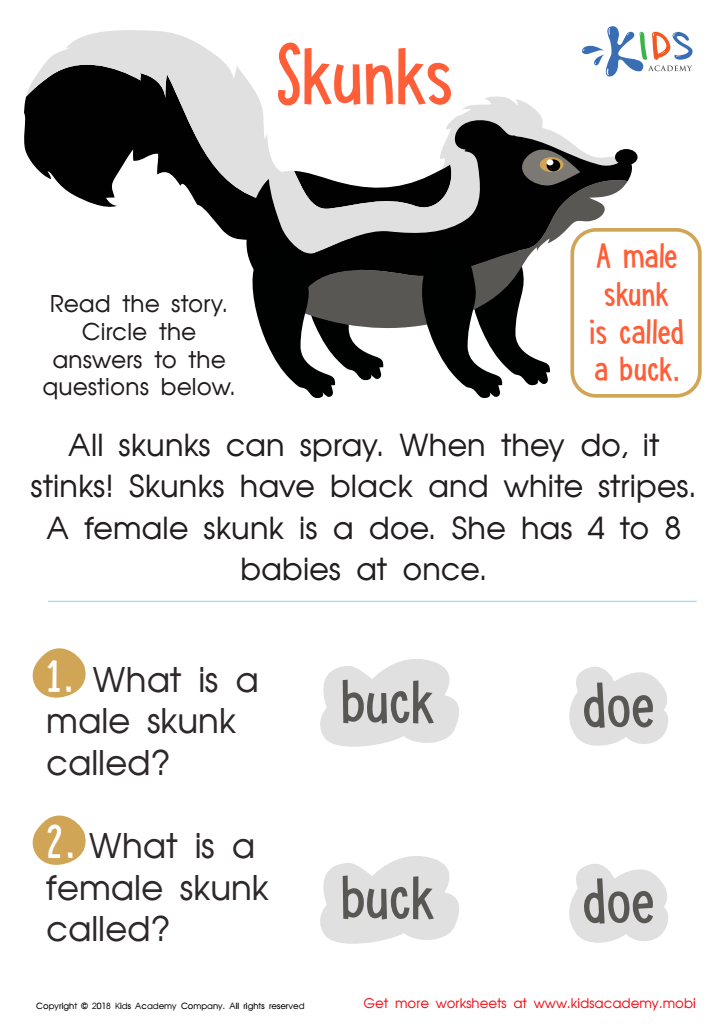
Skunks Worksheet
 Assign to My Students
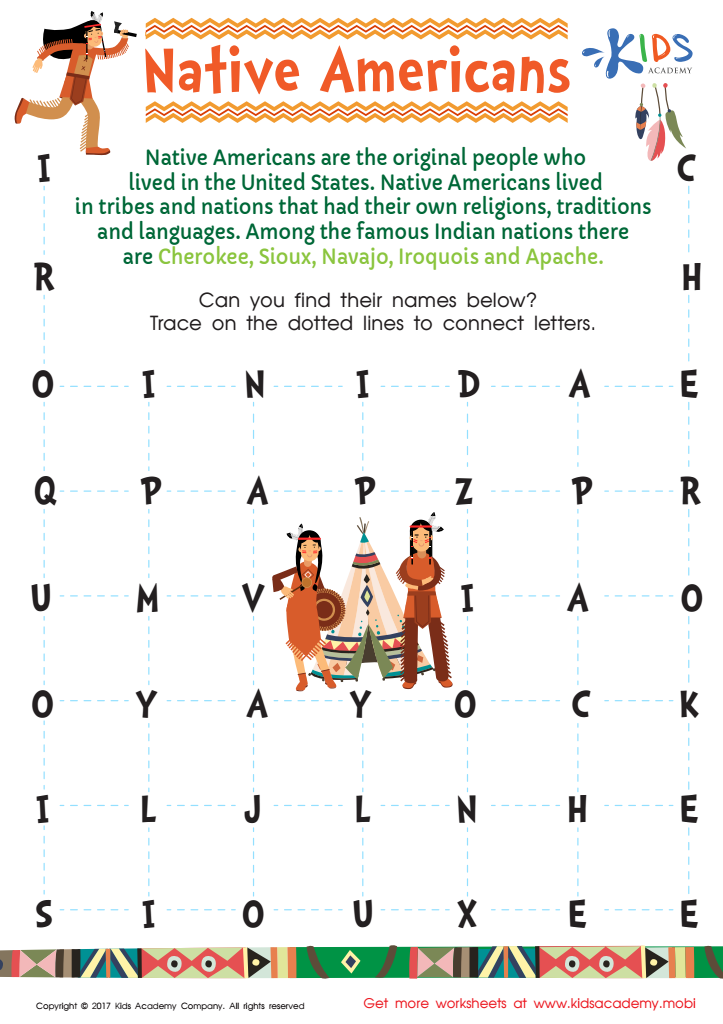
Native American Word Search Printable

Golden Eagles Worksheet
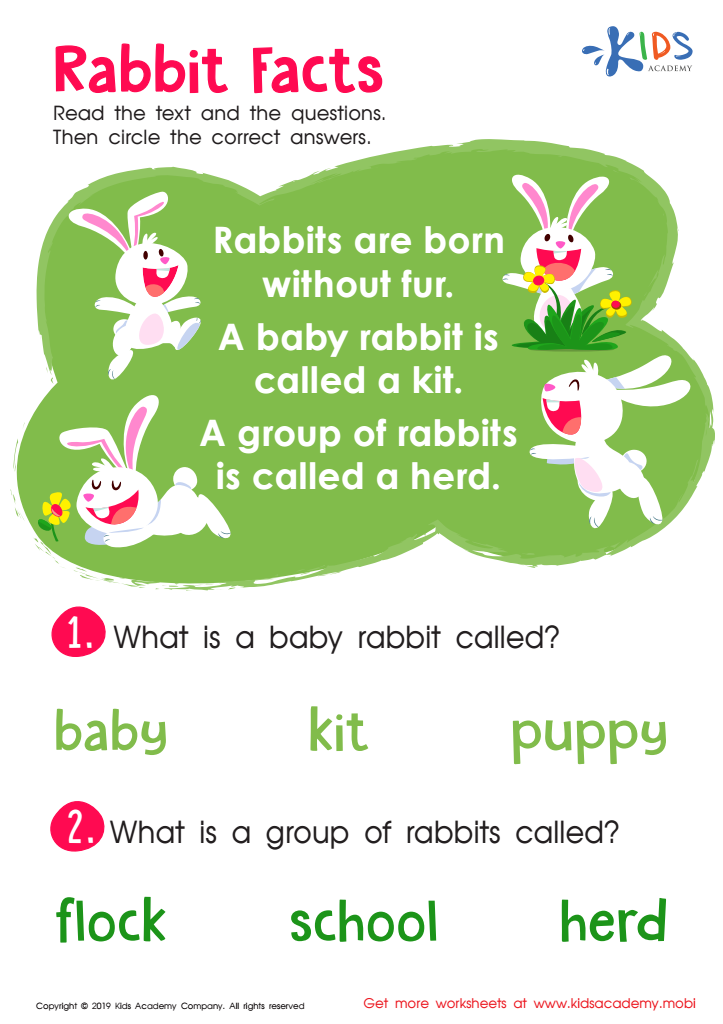
Rabbit Facts Worksheet



.jpg)




Understanding information processing in children aged 4-8 is crucial for parents and teachers because it lays the foundation for future learning and cognitive development. This age range is a critical period for brain development, where children transition from basic motor skills to more complex activities such as reading, writing, and problem-solving. Information processing involves how children perceive, analyze, store, and retrieve information—all essential skills for academic success and everyday decision-making.
By focusing on information processing, adults can tailor their teaching methods to suit an individual child's developmental stage, thereby enhancing comprehension and retention. For instance, young children may benefit from concrete examples and visual aids that cater to their developmental stage, allowing them to better grasp concepts that might be too abstract for their still-developing brains.
Moreover, it allows for early identification of possible learning difficulties. Early intervention can help prevent minor hurdles from becoming significant obstacles. Fostering a supportive learning environment that takes into account information processing abilities also boosts self-esteem and encourages a lifelong love of learning. Therefore, appreciating and addressing how children process information can profoundly affect their educational trajectory and personal growth.








