Learning addition Worksheets for Ages 4-8
7 filtered results
-
From - To
Introduce young learners to the joy of math with our engaging addition worksheets for ages 4-8. These expertly crafted activities are designed to enhance your child’s foundational math skills while making learning fun and interactive. Through colorful visuals, simple equations, and relatable scenarios, kids will develop a solid understanding of basic addition concepts. Perfect for both classroom and home use, our worksheets nurture a love for learning and build confidence in math. Help your child master addition with ease and enthusiasm, setting the stage for future math success with our carefully curated resources.
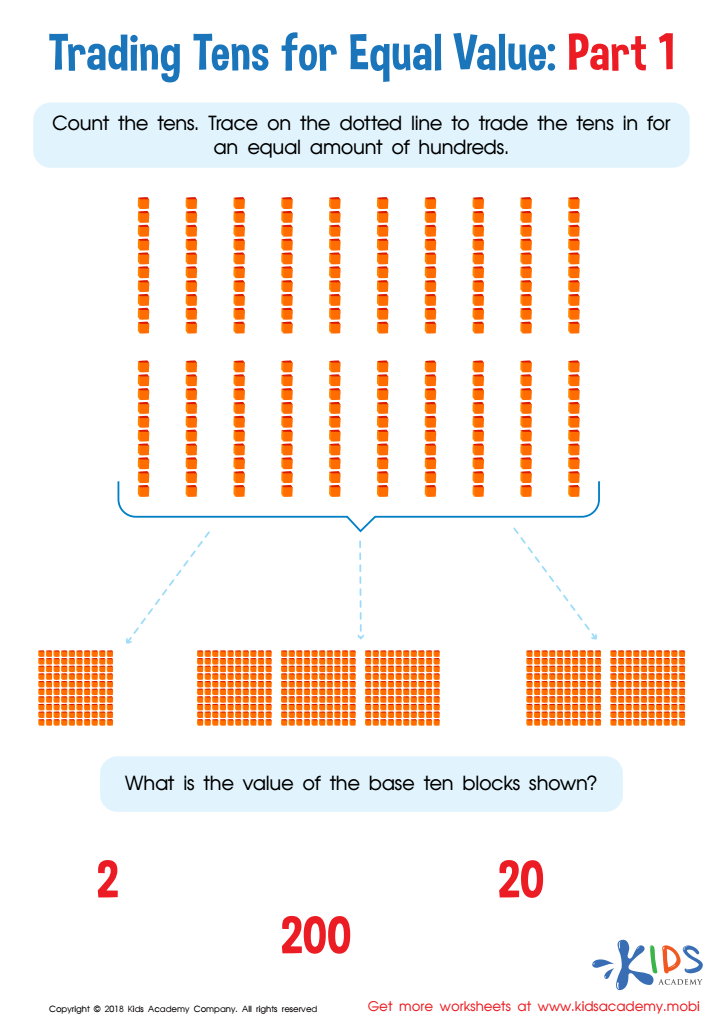
Trading Tens for Equal Value Worksheet: Part 1
 Assign to My Students
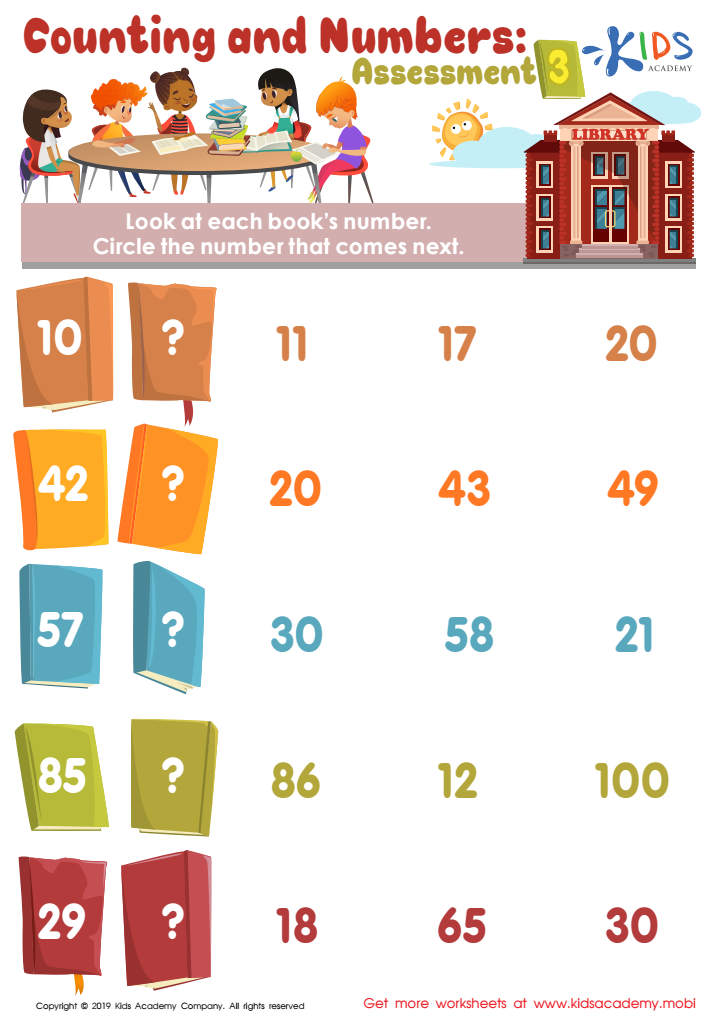
Counting and Numbers: Assessment Worksheet
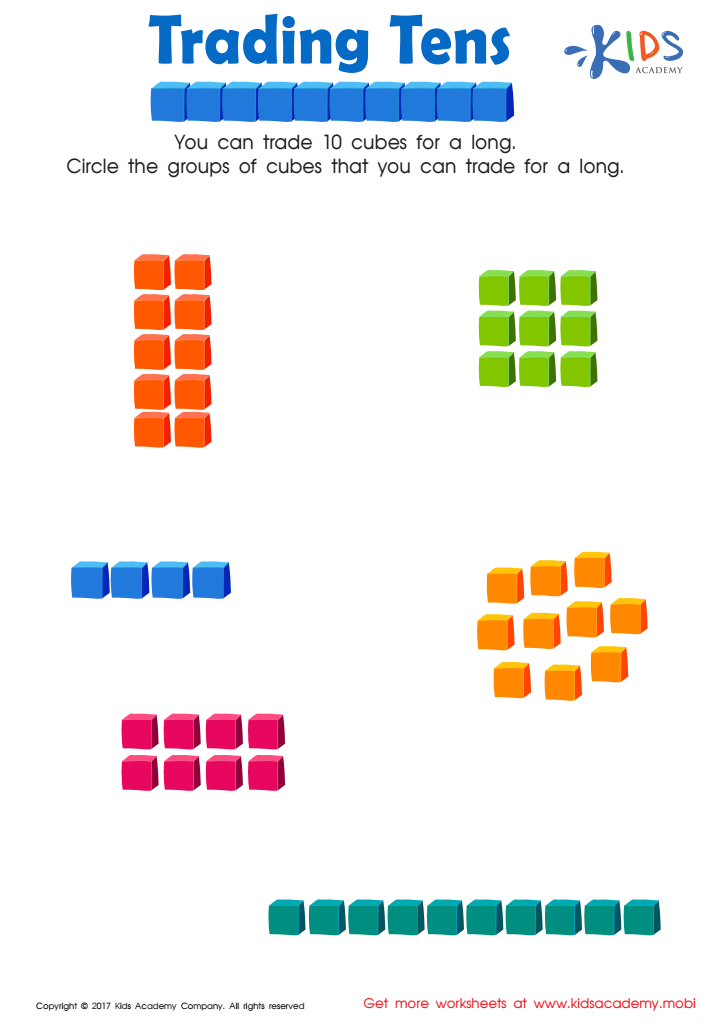
Trading Tens Worksheet
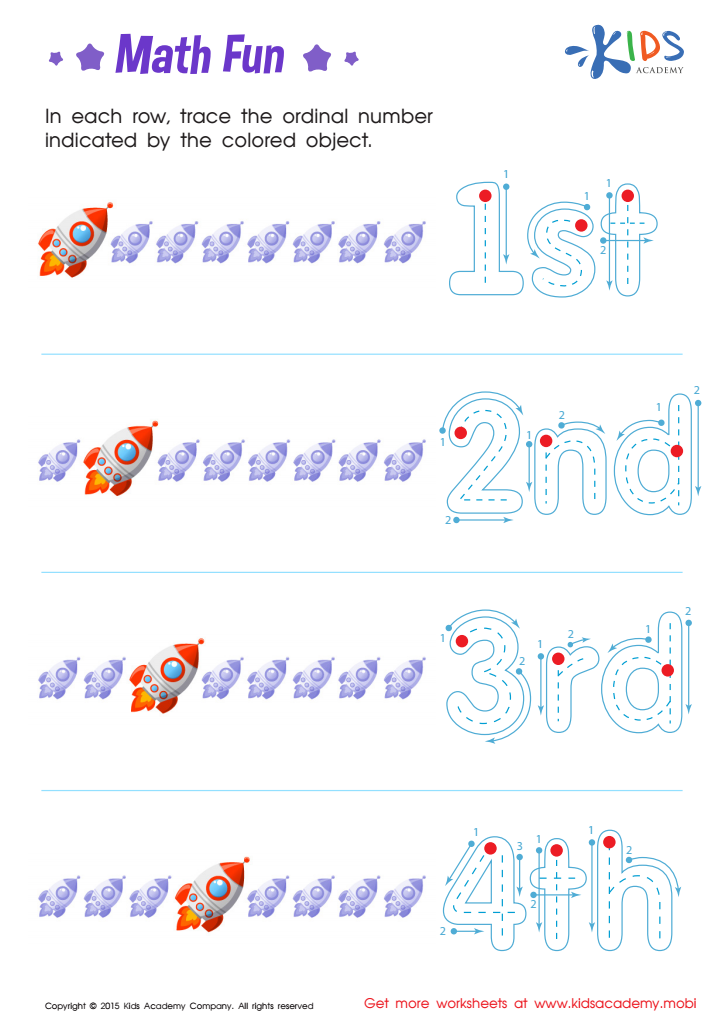
Ordinal Numbers: Math Fun Worksheet
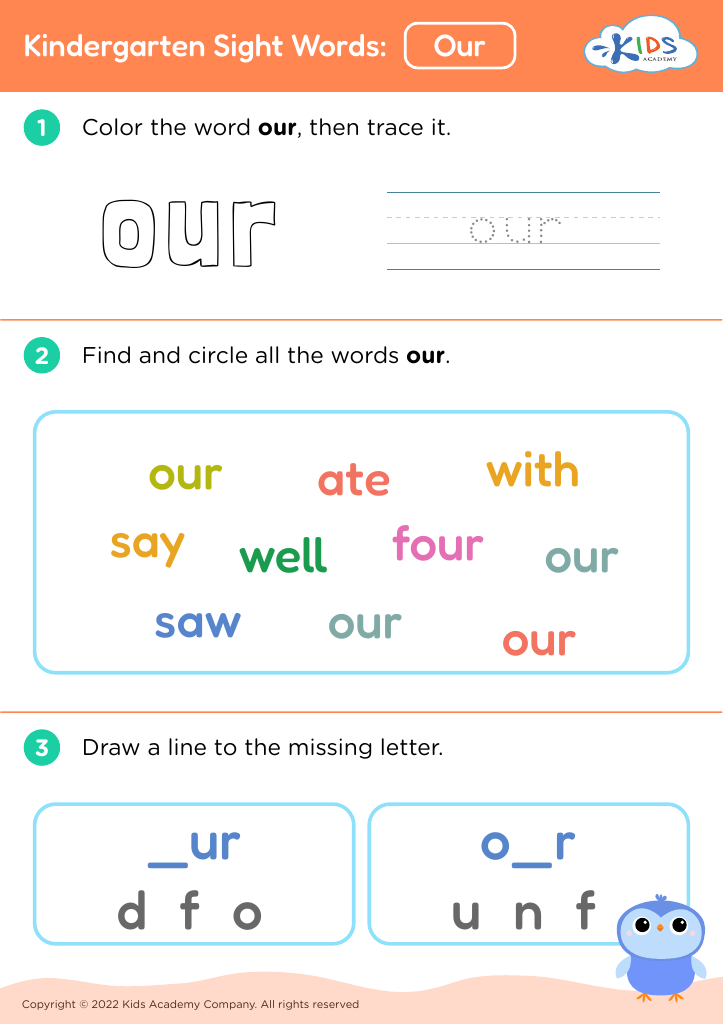




.jpg)


Understanding addition at an early age forms a crucial foundation for a child's mathematical development, influencing their academic confidence and competency in later years. For children ages 4-8, mastering basic addition serves as a building block for more complex mathematical concepts such as subtraction, multiplication, and division. It aids in developing problem-solving skills and logical thinking, essential tools for daily life and academic success.
Early proficiency in addition also supports cognitive development. Engaging with numbers enhances a child's memory, attention span, and ability to grasp relationships between numbers. These skills are transferable to other subjects, fostering a holistic intellectual growth.
From a parental perspective, being involved in your child's early math learning fosters a positive attitude towards education. It enables the creation of an environment where learning is valued and interconnected with everyday activities, such as grocery shopping or cooking, making math both practical and enjoyable.
Teachers similarly play a vital role. A solid understanding of addition within structured and engaging classroom activities helps ensure children do not fall behind. Celebrating small achievements in math boosts students' self-esteem and encourages a growth mindset.
Ultimately, investing time in learning basic addition during these formative years sets children up for future success, enhancing their academic trajectory and life skills.








