Matching skills Worksheets for Ages 4-8 - Page 2
35 filtered results
-
From - To
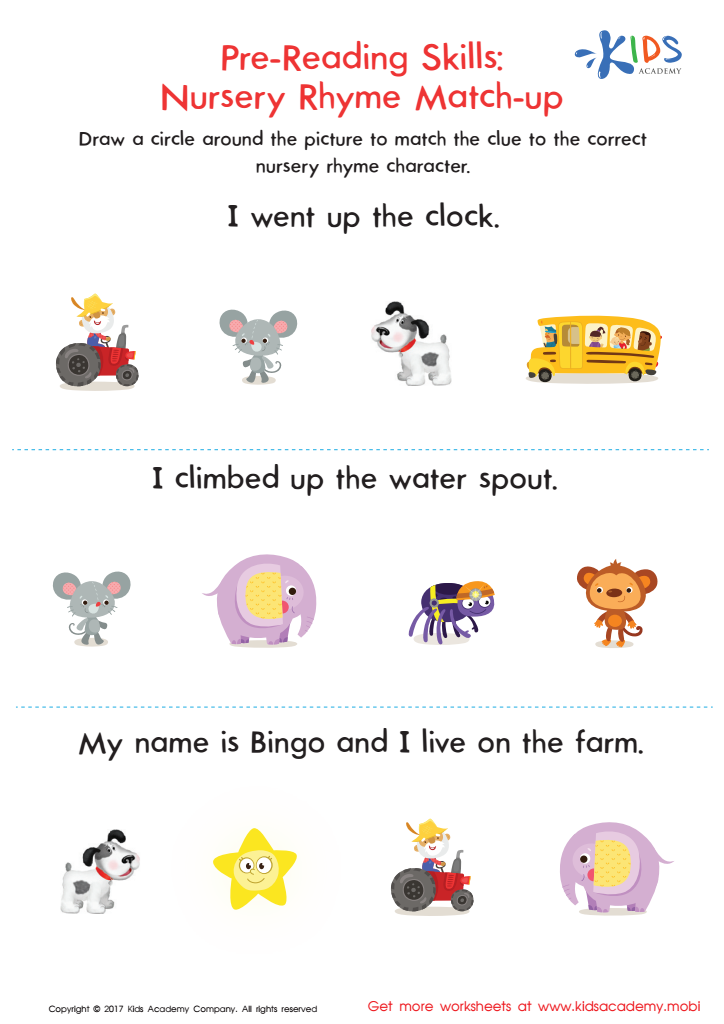
Nursery Rhyme Match–Up Worksheet
 Assign to My Students
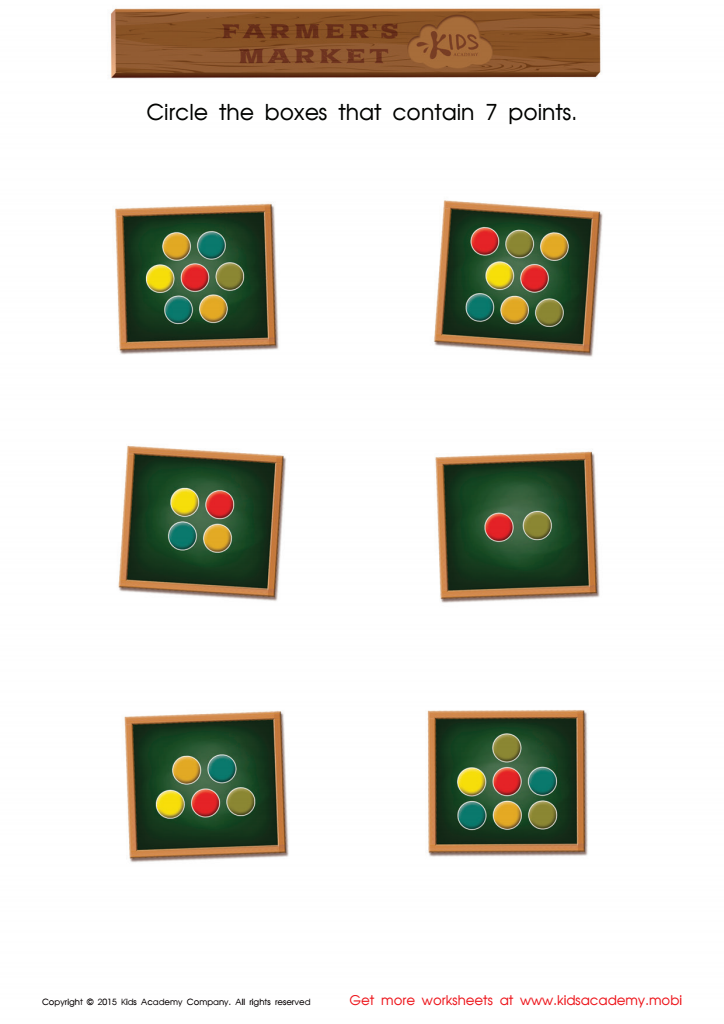
Count and Match Points 7 Math Worksheet
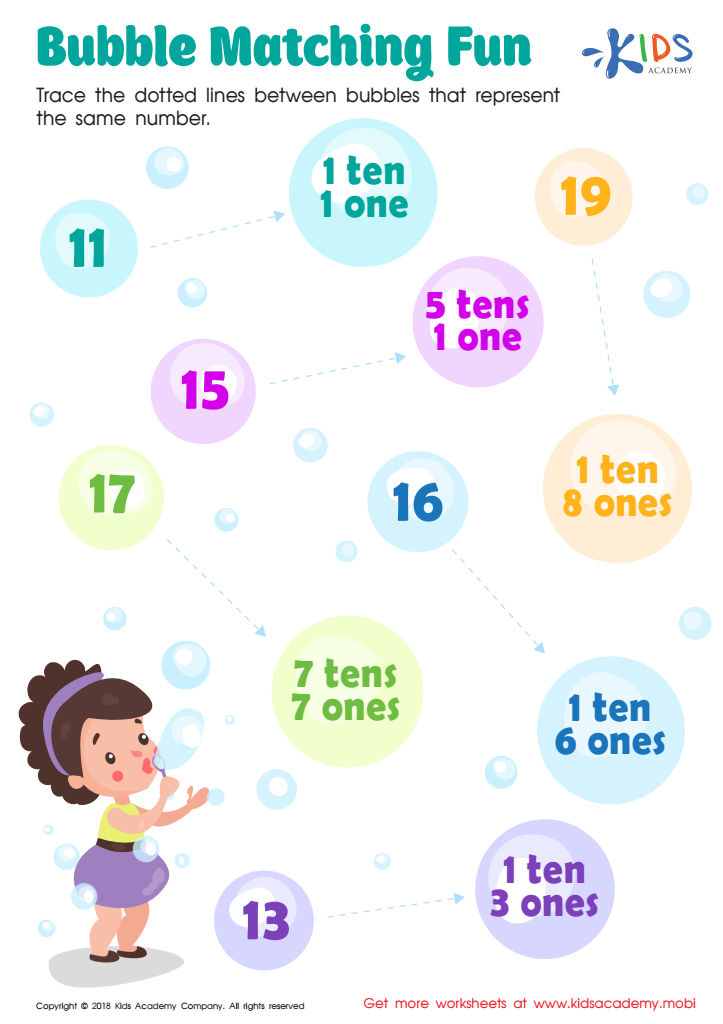
Bubble Matching Fun Worksheet
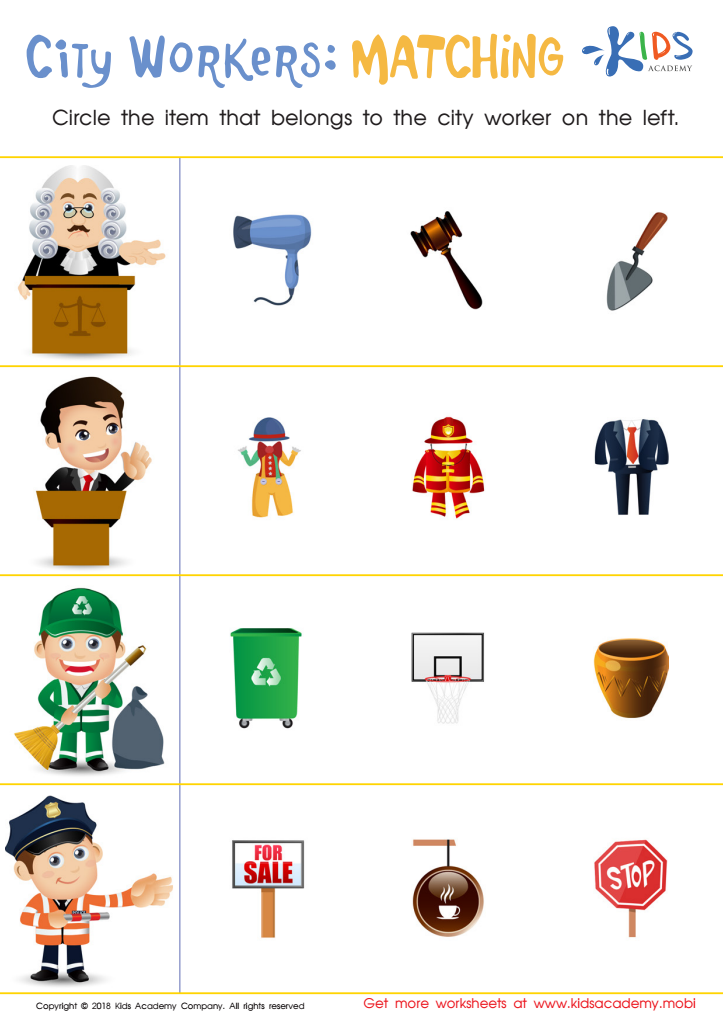
City Workers: Matching Worksheet
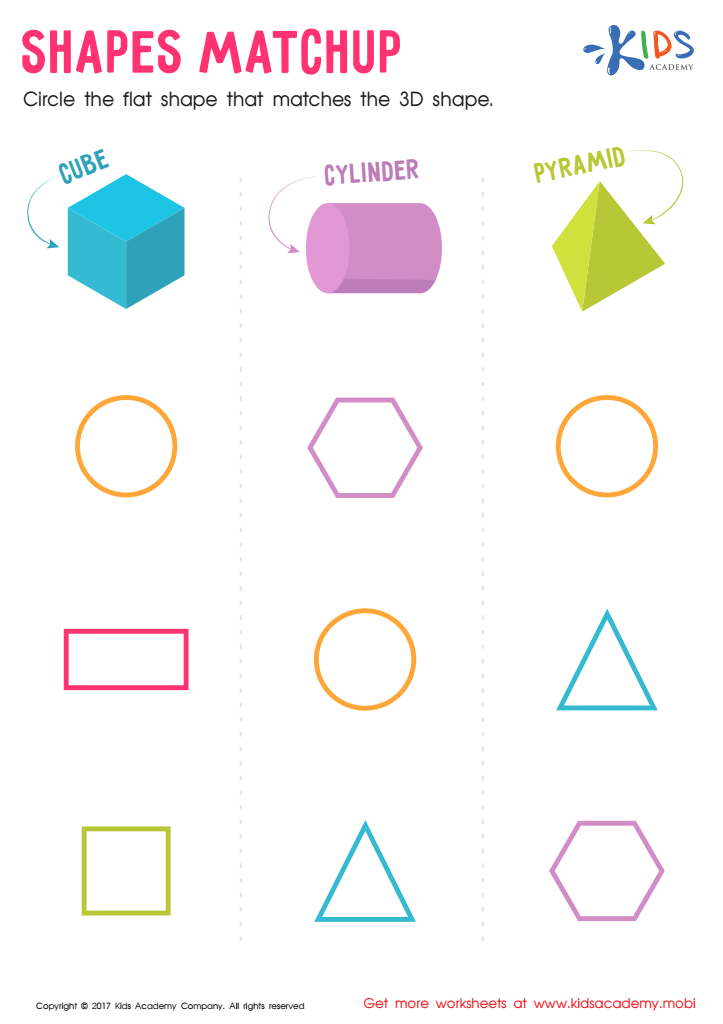
Shapes Matchup Worksheet
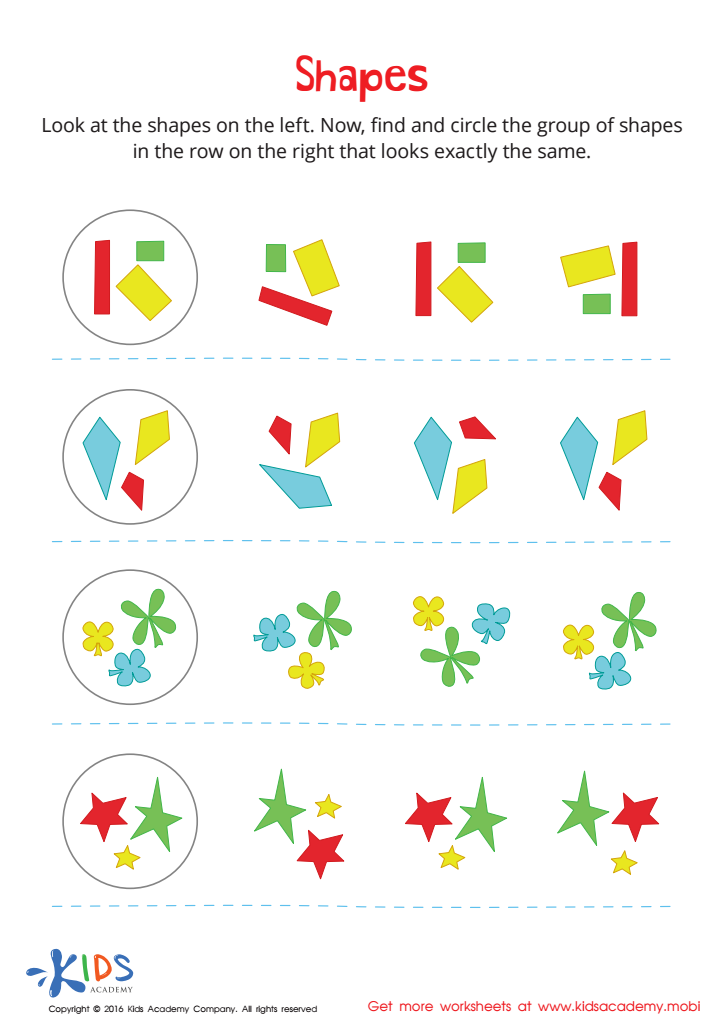
Shapes Worksheet
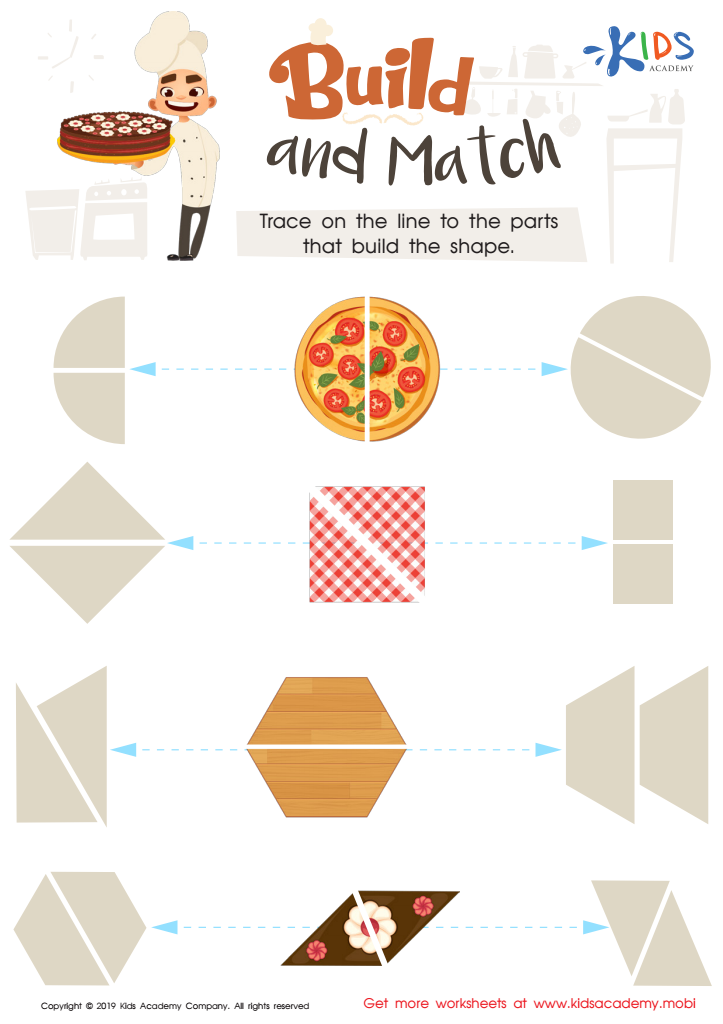
Build and Match Worksheet
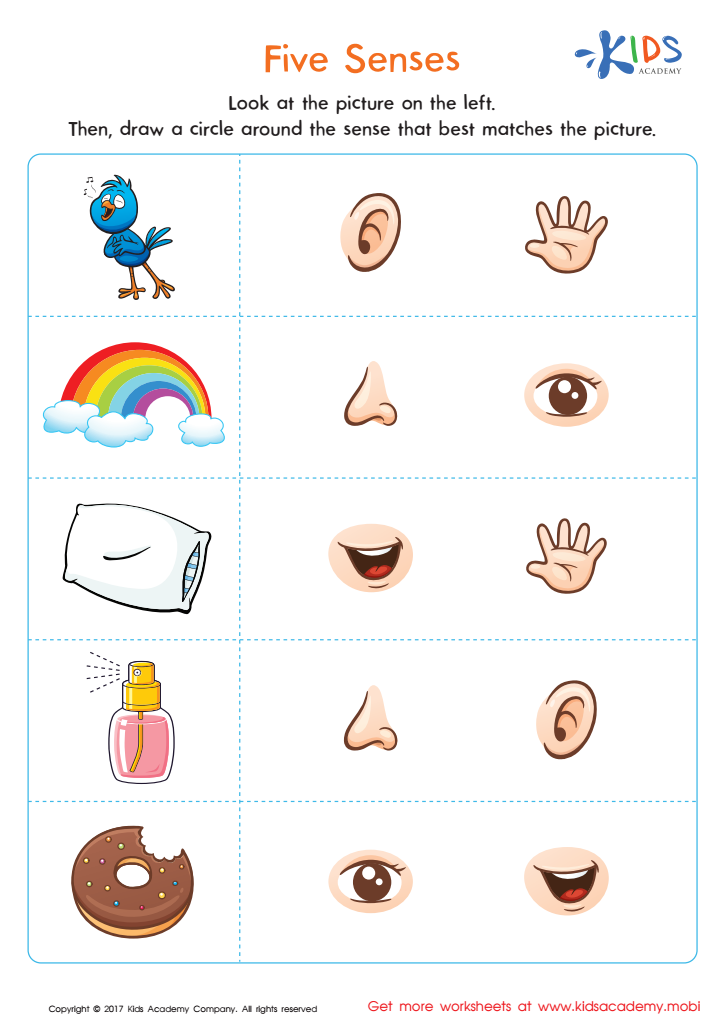
Five Senses Printable
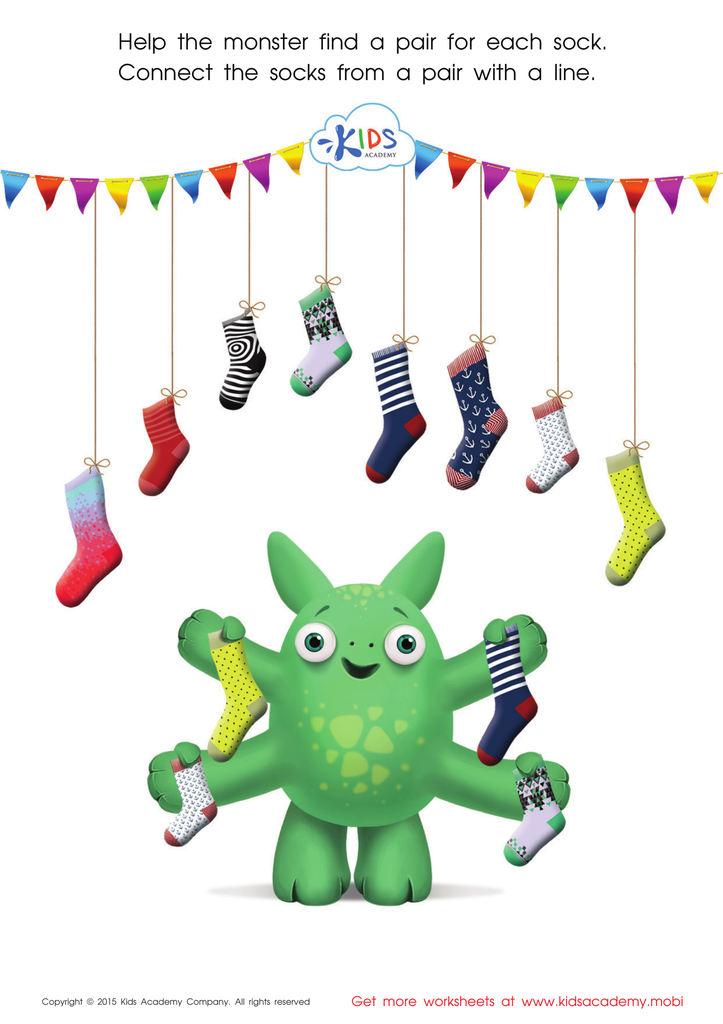
Math Matching Pairs Game: Monsterв's Socks Worksheet
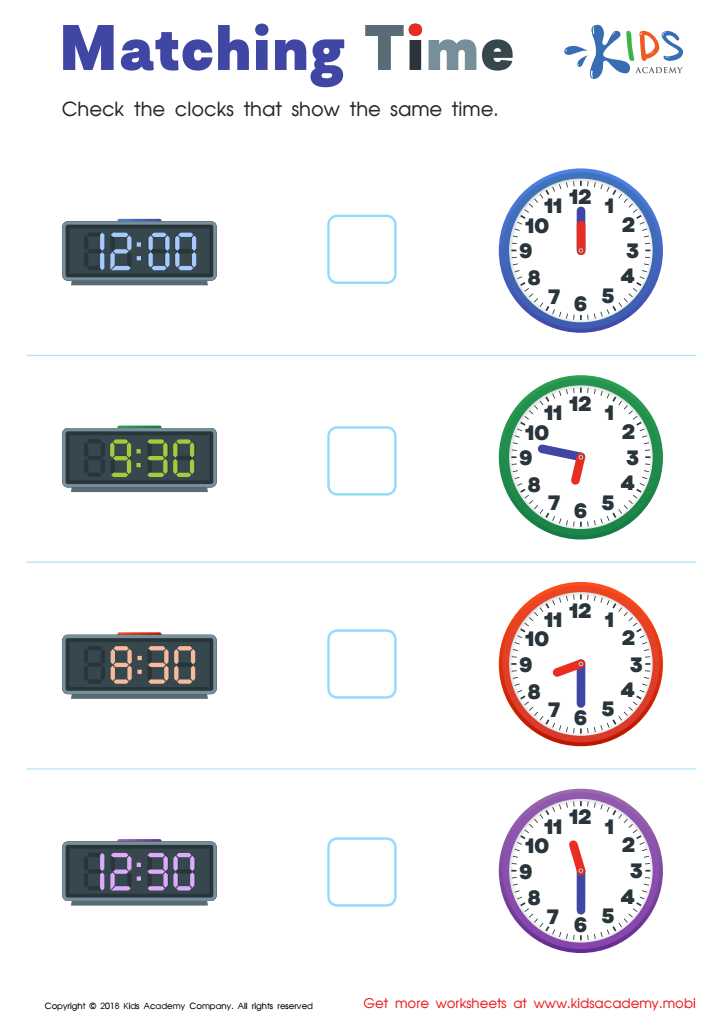
Matching Time Worksheet
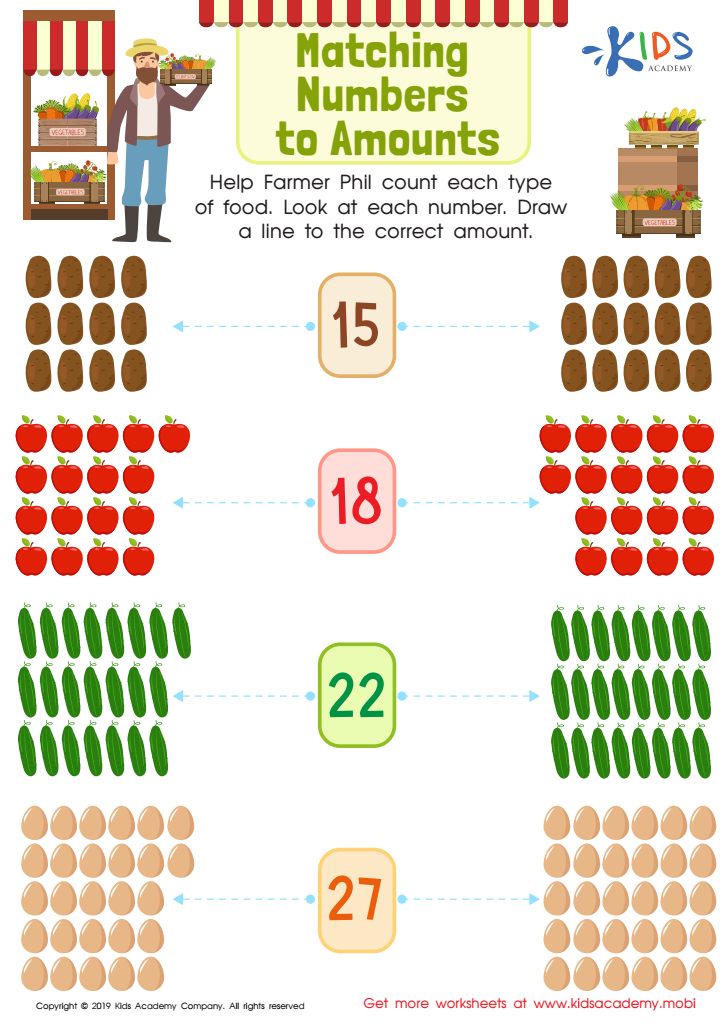
Matching Numbers to Amounts Worksheet


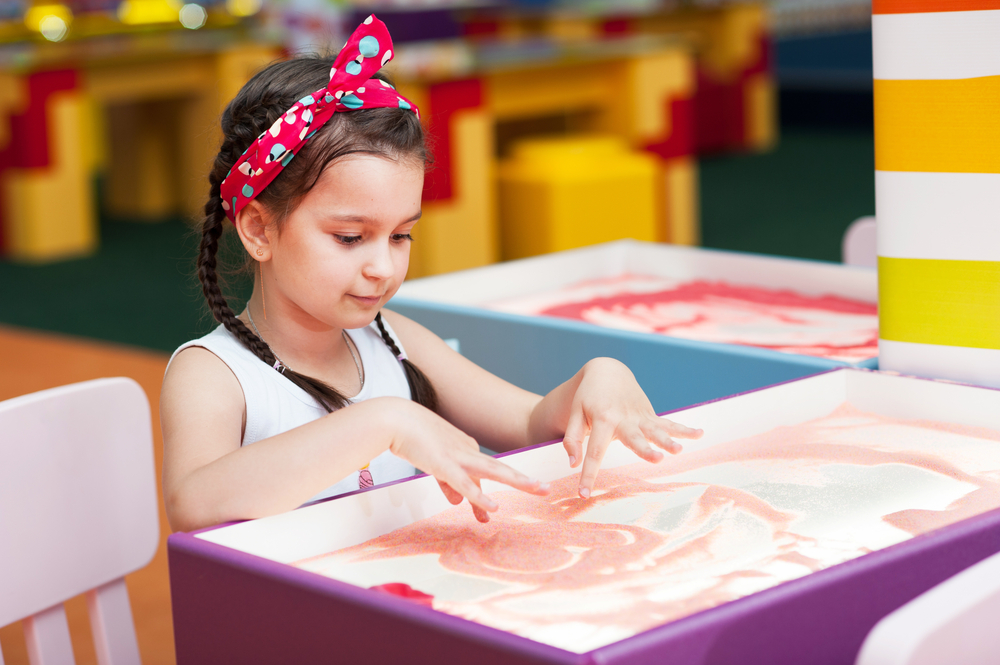

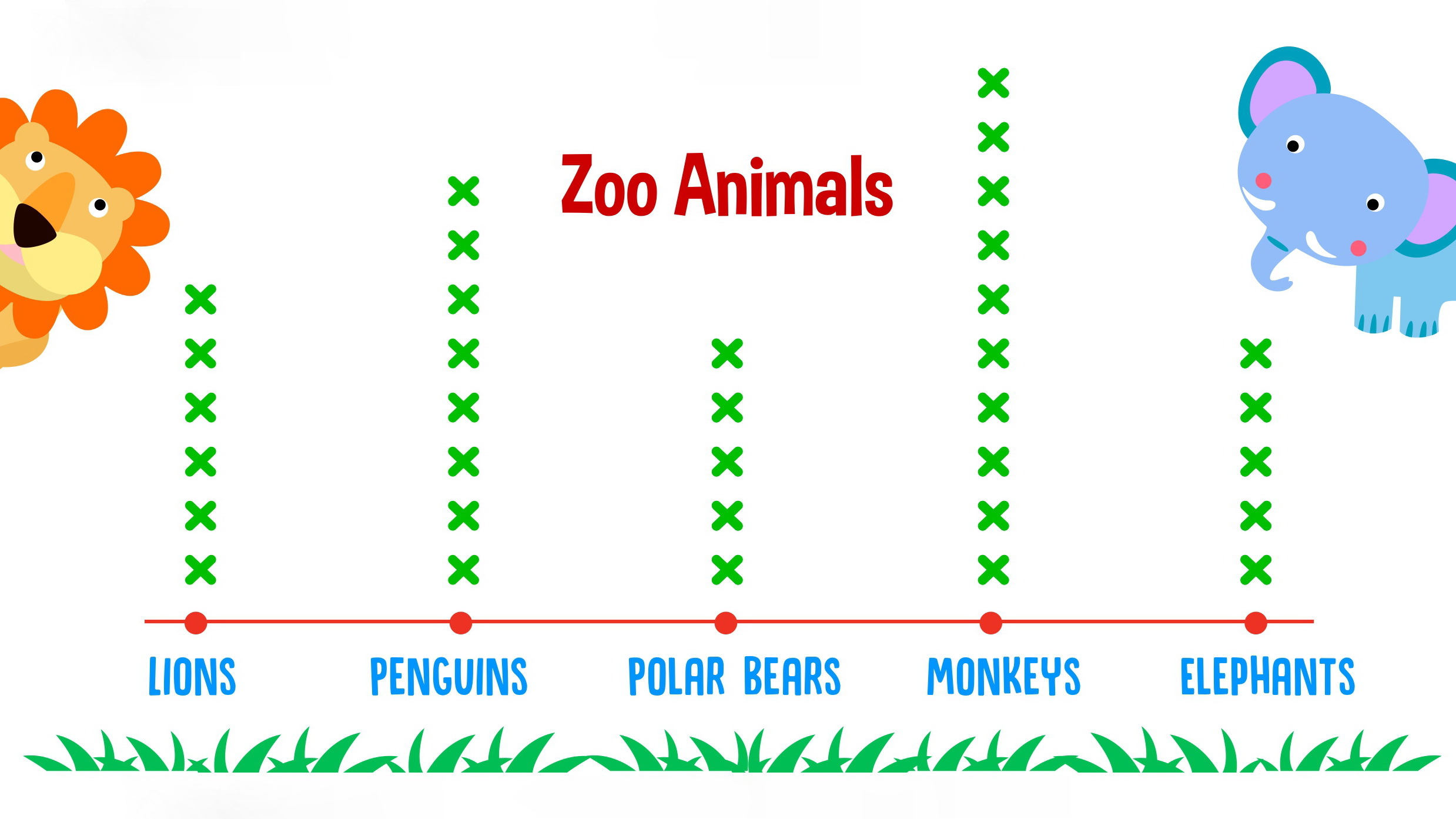


Matching skills are crucial for children aged 4 to 8 as they serve as foundational building blocks for various cognitive, social, and emotional developments. During these formative years, children engage in activities that cultivate their ability to identify similarities and differences, enhancing their critical thinking and analytical abilities. Parents and teachers should prioritize matching skills because they directly impact literacy and numeracy learning. For example, recognizing patterns and groups is essential in understanding letters, numbers, and shapes.
Furthermore, developing matching skills can improve memory and attention span, critical components for academic success. These skills also support social interactions, as children learn to categorize and pair items or emotions, fostering better communication and empathy.
When children engage in matching games and activities, they build confidence and enjoy a sense of accomplishment, which can lead to a more positive attitude towards learning. Additionally, matching skills can pave the way for more complex concepts later on, such as sorting, classifying, and problem-solving.
Ultimately, investing time into enhancing these skills can enrich children's learning experiences and promote holistic development, setting a solid foundation for their future educational journeys.








