
Measurement skills Worksheets for Ages 4-8
4 filtered results
Difficulty Level
Grade
Age
-
From - To
Subject
Activity
Standards
Enhance your child's understanding of measurement with our engaging measurement skills worksheets for ages 4-8! Designed to support early learners, these printable worksheets cover a range of fundamental measurement concepts, including length, weight, and volume. Each activity is crafted to make learning fun and interactive, ensuring that young minds grasp essential skills through hands-on practice. Ideal for use at home or in the classroom, these worksheets provide a solid foundation in measurement to help children navigate the world around them with confidence. Unlock your child's potential with our expertly designed measurement skills worksheets.
Favorites
With answer key
Interactive
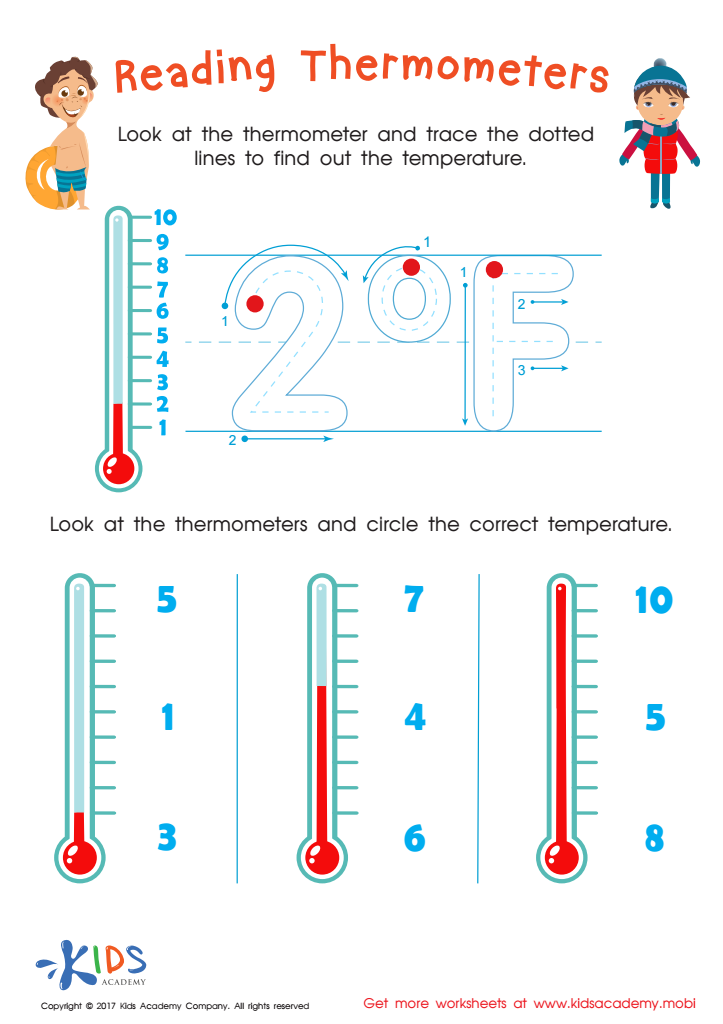
Reading Thermometers Printable
For kids to grasp temperature, they need to learn how to read a thermometer. Use this worksheet to teach them early on - whether they're sick or in the cold. It's an important life skill!
 Assign to My Students
Reading Thermometers Printable
Worksheet
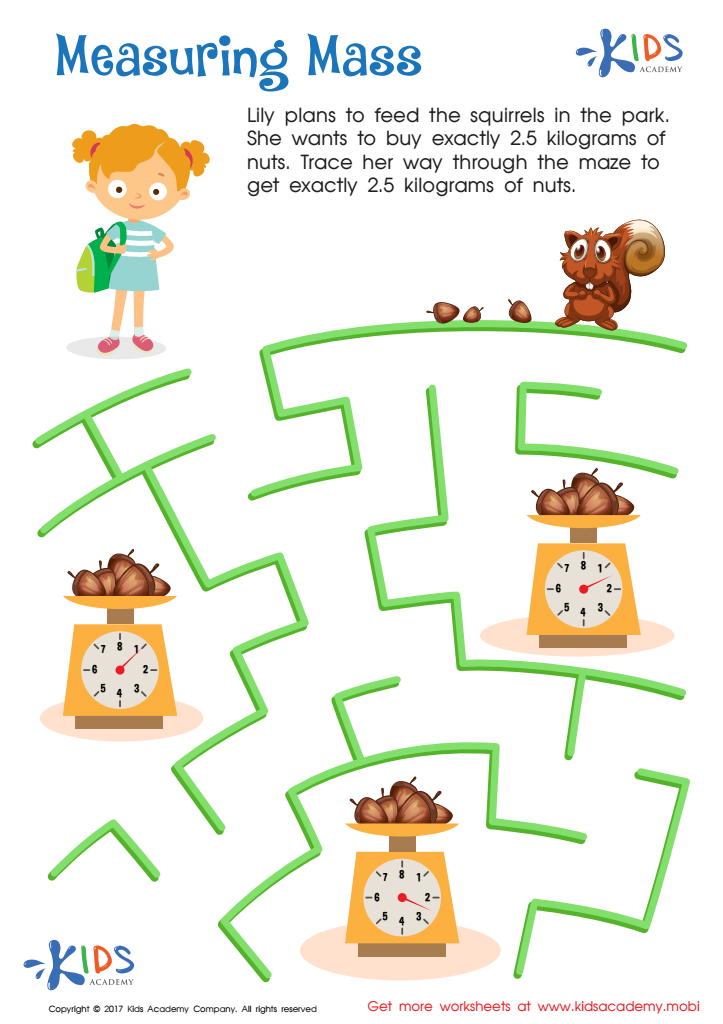
Measuring Mass Worksheet
Lily needs your child's help to find the right number of nuts to feed the squirrels. Ideal for 3rd grade!
Measuring Mass Worksheet
Worksheet
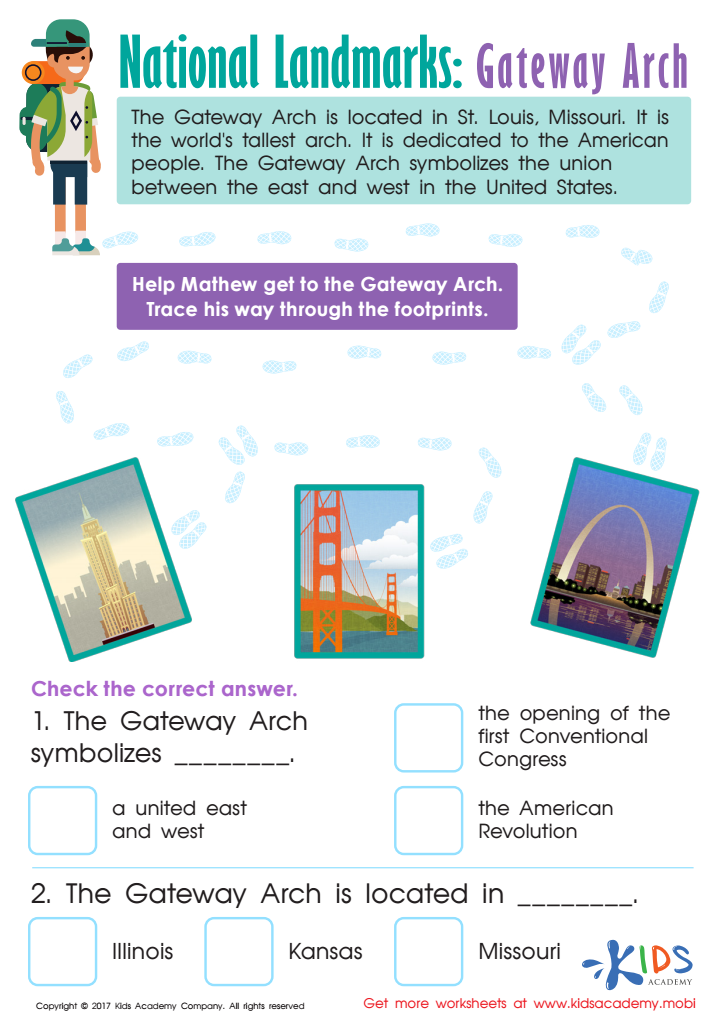
Gateway Arch Printable Worksheet
Explore America with your child! This printable worksheet takes them to St. Louis, Missouri's iconic Gateway Arch. As they learn about its history, they'll be quizzed with fun-filled facts. A great way to discover and appreciate this amazing national landmark! (80 words)
Gateway Arch Printable Worksheet
Worksheet
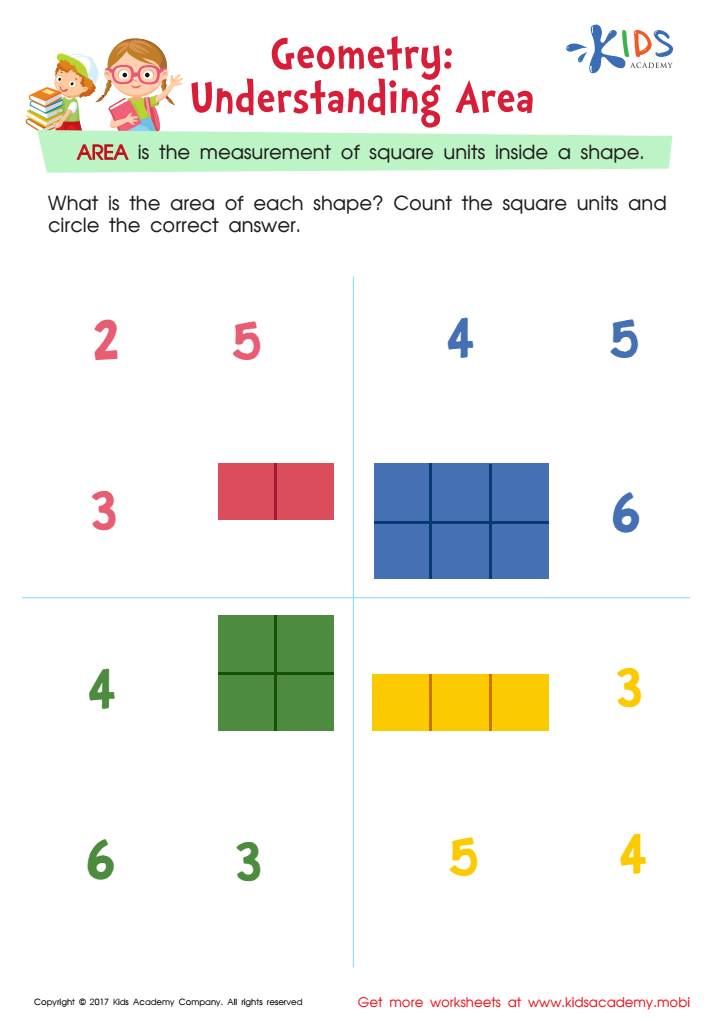
Understanding Area Worksheet
This helps them develop a better understanding and an easier way to learn instead of memorizing a formula.
Understanding Area Worksheet
Worksheet
Join Kids Academy for Free
Who is primarily going to use this learning content?



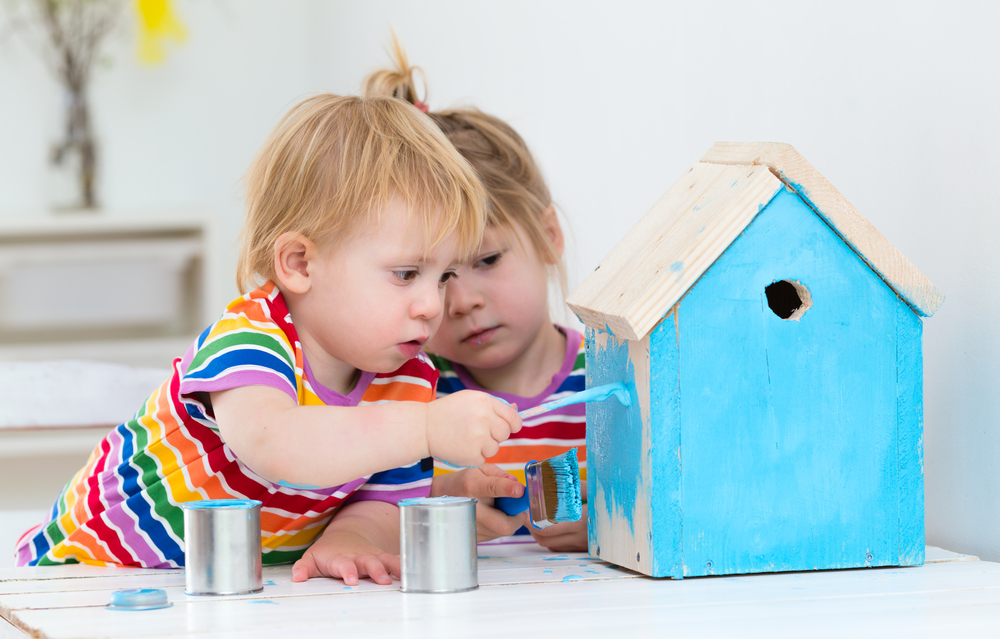
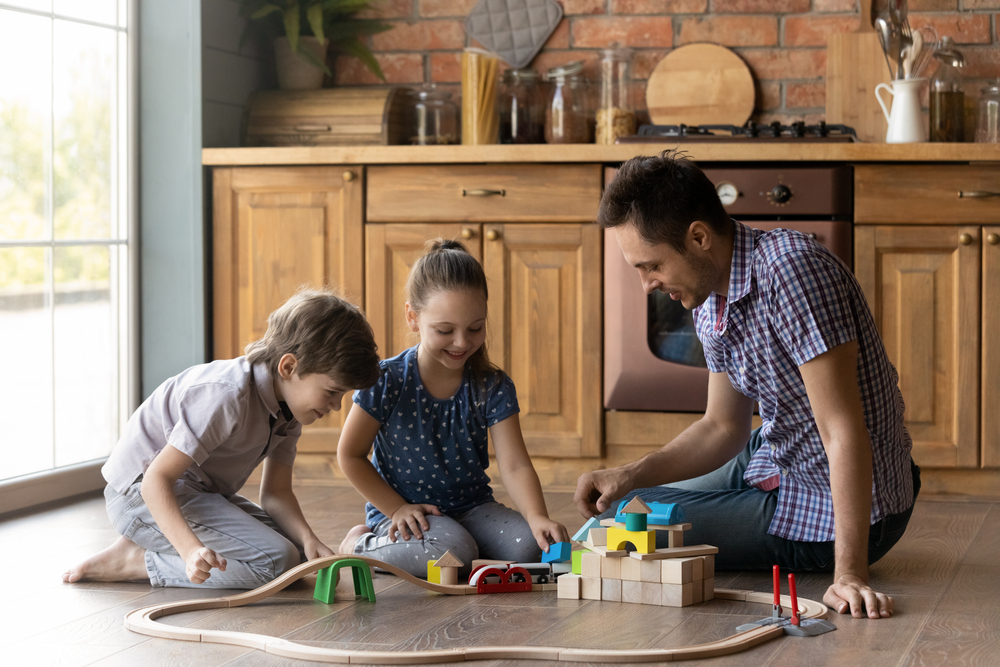
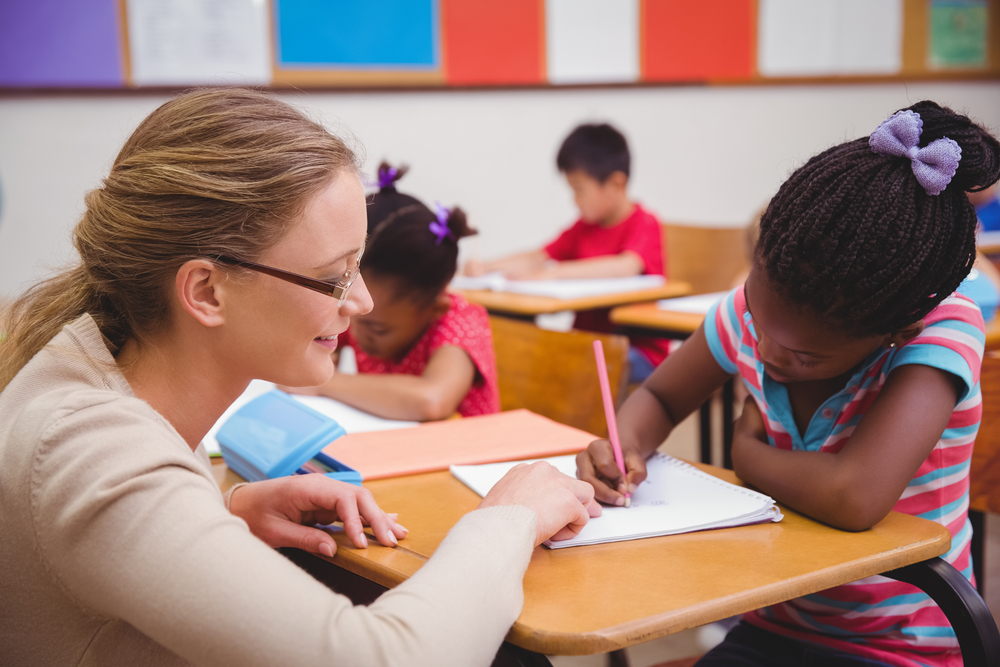


Measurement skills are fundamental for children aged 4-8 as they form the basis for various cognitive and practical abilities. During these formative years, young children are naturally curious and keen to explore their surroundings. Measurement helps them understand and interact with their environment systematically and meaningfully. By learning about size, volume, length, and weight, children can make sense of the physical world, which enhances their observational and analytical skills.
Competency in measurement directly supports mathematical learning. Understanding quantities, numbers, and the relationships between them lays the groundwork for more advanced concepts like geometry, algebra, and data analysis. Measurement activities develop fine motor skills and hand-eye coordination, which are crucial for writing and other classroom tasks.
Additionally, measurement skills are invaluable for real-life decision-making and problem-solving. Whether a child is determining the amount of ingredients needed in a recipe, comparing distances, or organizing their time, they are constantly using measurement. Early familiarity boosts confidence in their abilities to tackle everyday tasks.
Parents and teachers must foster measurement-related activities to build a strong foundation for future academic success and practical life skills. Engaging in hands-on activities like using measuring cups, rulers, or comparing objects equips children with a critical toolkit, enabling them to comprehend the world quantitatively and logically.








