Money management Worksheets for Ages 4-8
4 filtered results
-
From - To
Our Money Management Worksheets for Ages 4-8 provide an engaging and educational way for young children to learn essential financial skills. Packed with interactive activities, these worksheets help kids understand basic concepts such as identifying coins and bills, simple addition and subtraction with money, and distinguishing between wants and needs. Designed to make learning fun, our worksheets feature colorful illustrations and real-life scenarios that encourage responsible money habits from a young age. Ideal for both classroom settings and home use, these resources set a solid foundation for a lifetime of smart money management. Explore and start building financial literacy today!
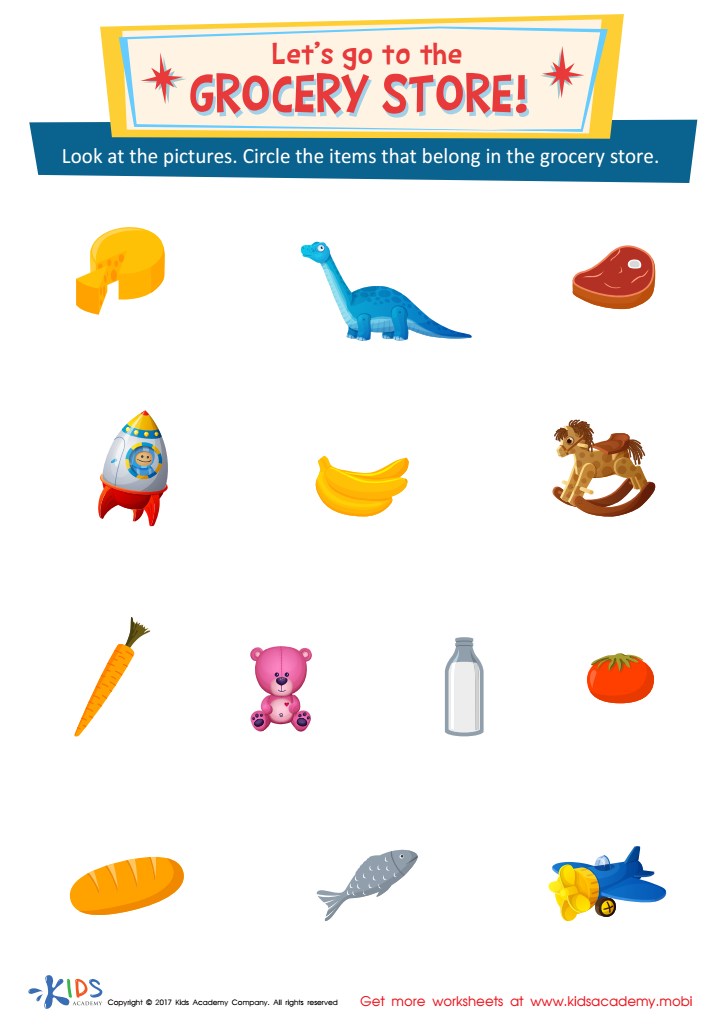
Grocery Store Worksheet
 Assign to My Students
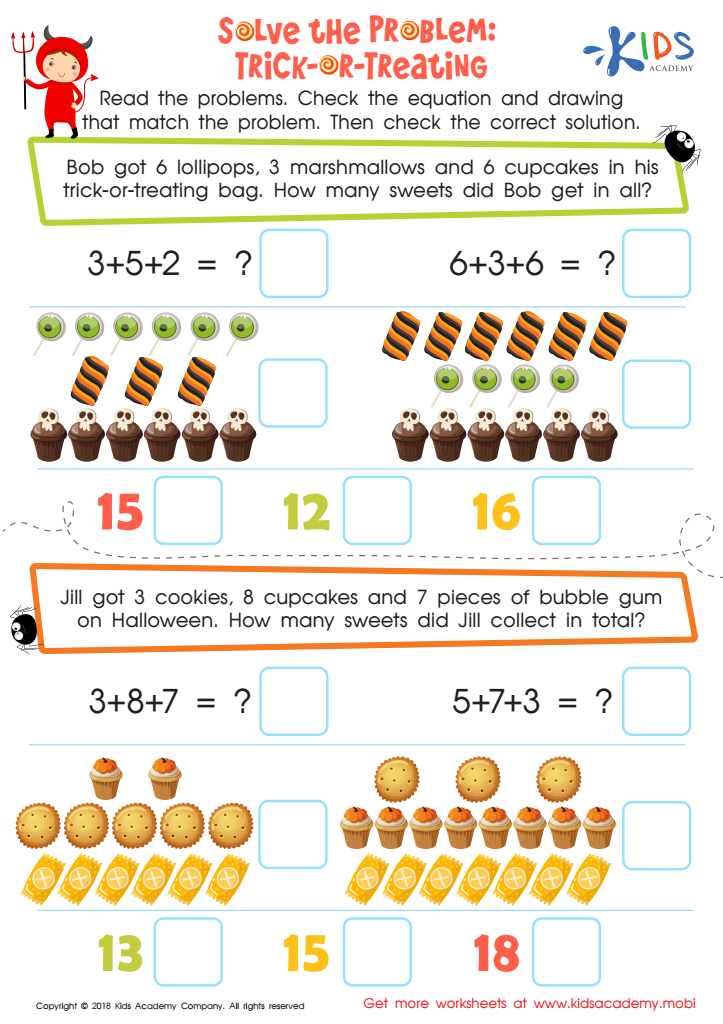
Solve the Problem: Trick–or–treating Worksheet
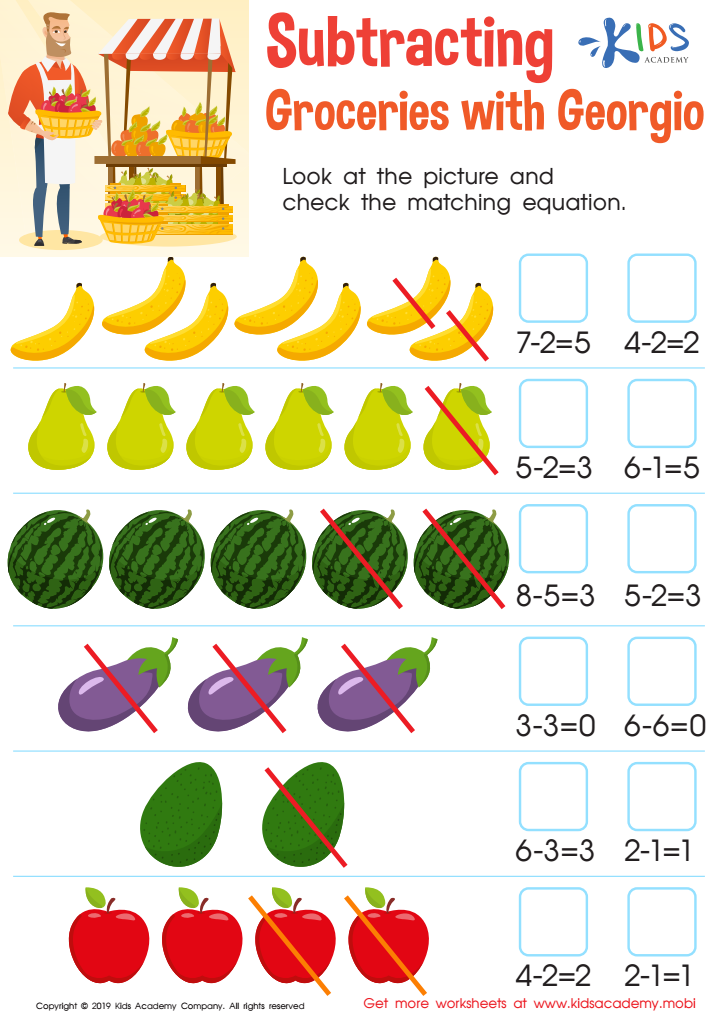
Subtracting: Groceries with Georgio Worksheet
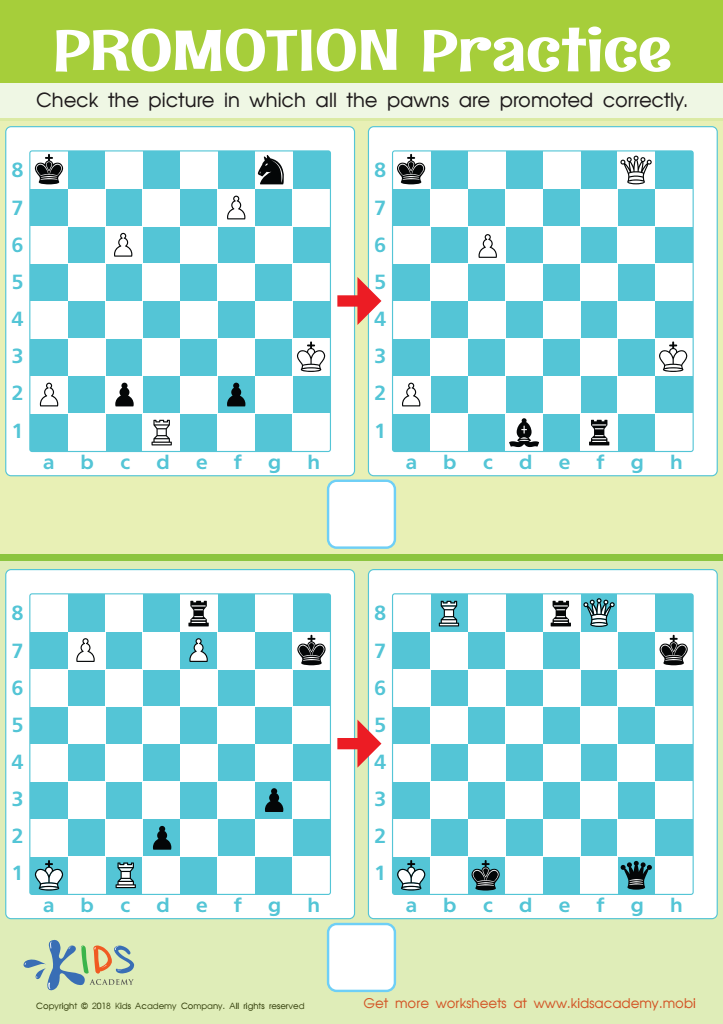
Promotion Practice Worksheet








Teaching money management skills to children aged 4-8 is crucial for several reasons. First, it sets a solid foundation for financial literacy, which is essential for their future well-being. Introducing basic concepts, such as saving, spending, and sharing, can help children understand the value of money early on. During these formative years, children are especially receptive to learning and developing habits that will last a lifetime.
Moreover, imparting money management skills at an early age empowers children to make smart financial decisions as they grow older. It lays the groundwork for responsible behavior, helps them distinguish between needs and wants, and fosters a sense of monetary responsibility. Parents and teachers who engage kids with simple, hands-on activities — like using a piggy bank or assigning small chores for an allowance — are giving them practical experience.
Caring about money management also promotes essential life skills such as delayed gratification, budgeting, and goal-setting. These skills not only improve financial outcomes but can also enhance academic and personal achievements. Overall, instilling good money habits in children equips them with the tools they need to lead independent, productive, and financially stable lives. It’s an investment in their future that pays lifelong dividends.








