Number formation Worksheets for Ages 4-8
3 filtered results
-
From - To
Explore our engaging Number Formation Worksheets designed for children aged 4 to 8! These interactive resources help young learners master the essential skill of writing numbers. Each worksheet guides students through stroke-by-stroke instructions, reinforcing proper number formation while allowing for creativity. Tailored to various learning styles, our fun and colorful exercises enhance motor skills and promote confidence in mathematical writing. Perfect for classroom or home use, these worksheets foster a love for numbers and set a strong foundation for future math success. Download now and watch your child's number skills flourish with our thoughtfully created activities!
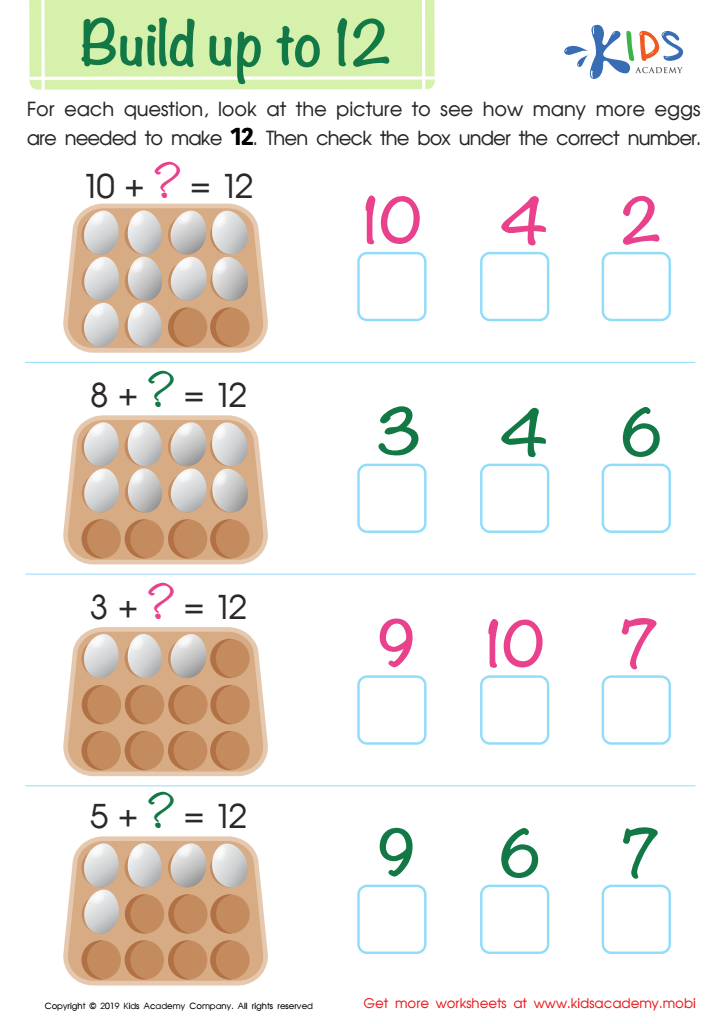
Build up to 12 Worksheet
 Assign to My Students
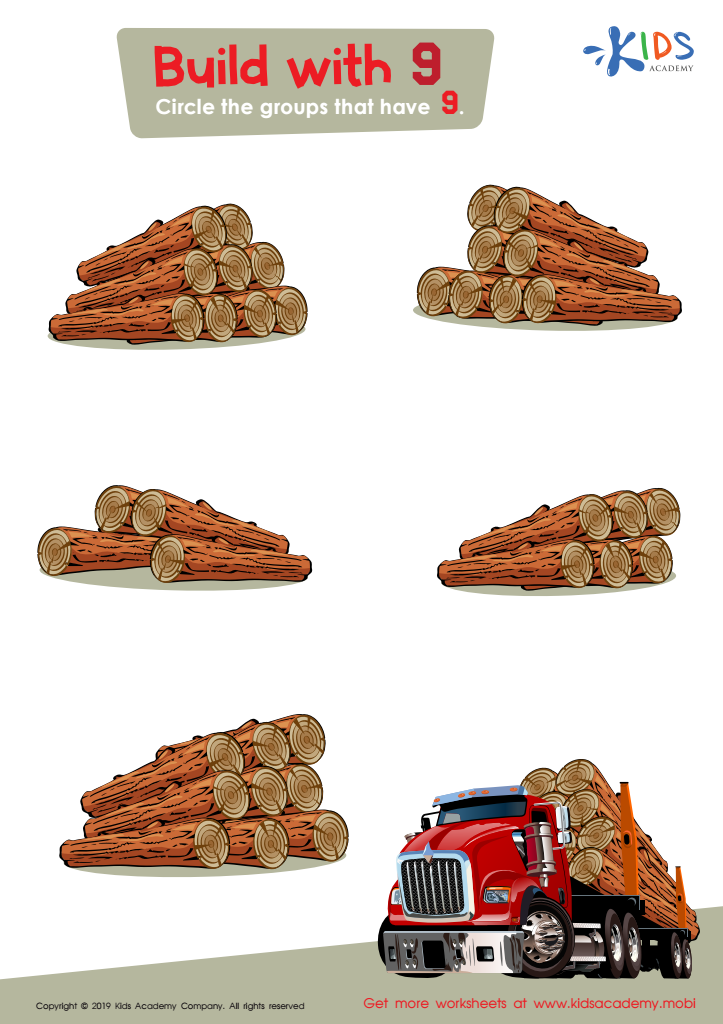
Build with 9 Worksheet
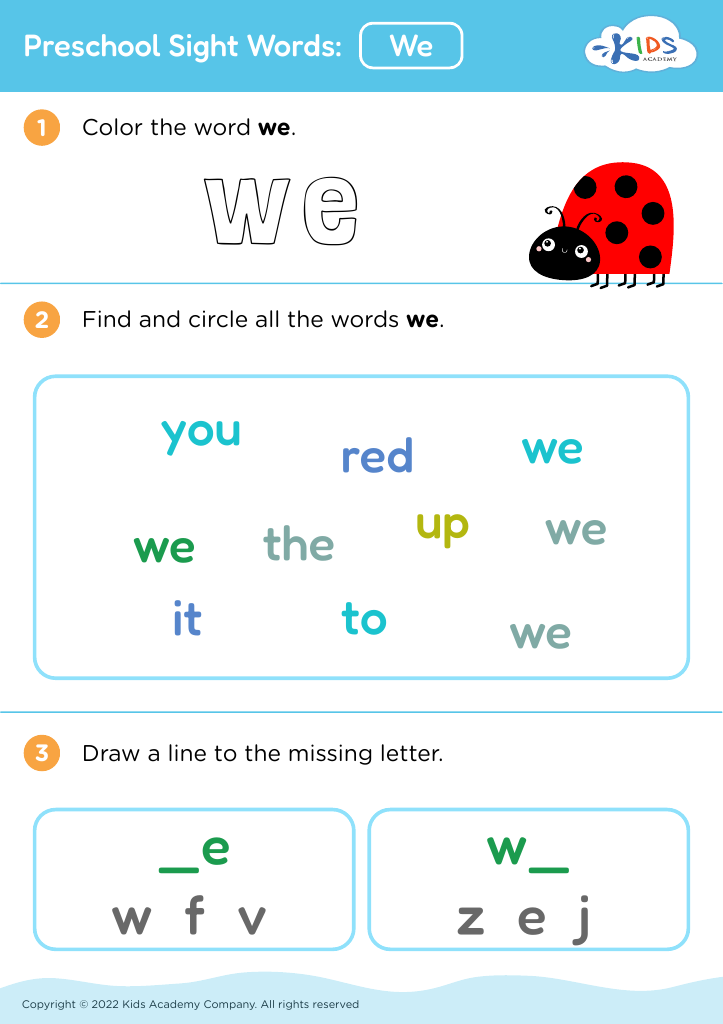








Number formation is a critical skill for children ages 4-8, as it lays the foundation for their mathematical understanding and overall literacy. When children learn to form numbers correctly, they develop fine motor skills, coordination, and spatial awareness, all of which are essential for academic success. Proper number formation helps them differentiate between similar digits, reducing confusion and errors in their calculations.
Furthermore, mastering number formation promotes confidence in young learners. When children take pride in their writing, they are more likely to engage with math concepts and advance their problem-solving abilities. Conversely, struggling with number formation can lead to frustration and a reluctance to participate in math activities, creating a feedback loop that hampers learning.
Teachers and parents play a pivotal role in promoting effective number formation by providing engaging activities like tracing, using manipulatives, or incorporating visual aids. Encouraging regular practice not only strengthens motor skills but also fosters a positive attitude towards math. Ultimately, by prioritizing number formation, parents and teachers are investing in children’s future academic success, helping to create a solid foundation for more complex mathematical concepts as they progress in their education.








