Phonics recognition Worksheets for Ages 4-8
25 filtered results
-
From - To
Welcome to our Phonics Recognition Worksheets for Ages 4-8! These engaging worksheets are designed to help young learners master essential phonics skills, making the journey to reading fun and effective. Our printable exercises focus on letter sounds, blending, and word recognition, tailored to support early literacy development. Each worksheet features colorful illustrations and interactive activities that captivate children's attention while reinforcing phonemic awareness. Ideal for homeschoolers, teachers, or parents, our resources encourage children to practice independently or in guided sessions. Start your child’s reading adventure today with our comprehensive phonics worksheets, promoting confidence and a love for learning!
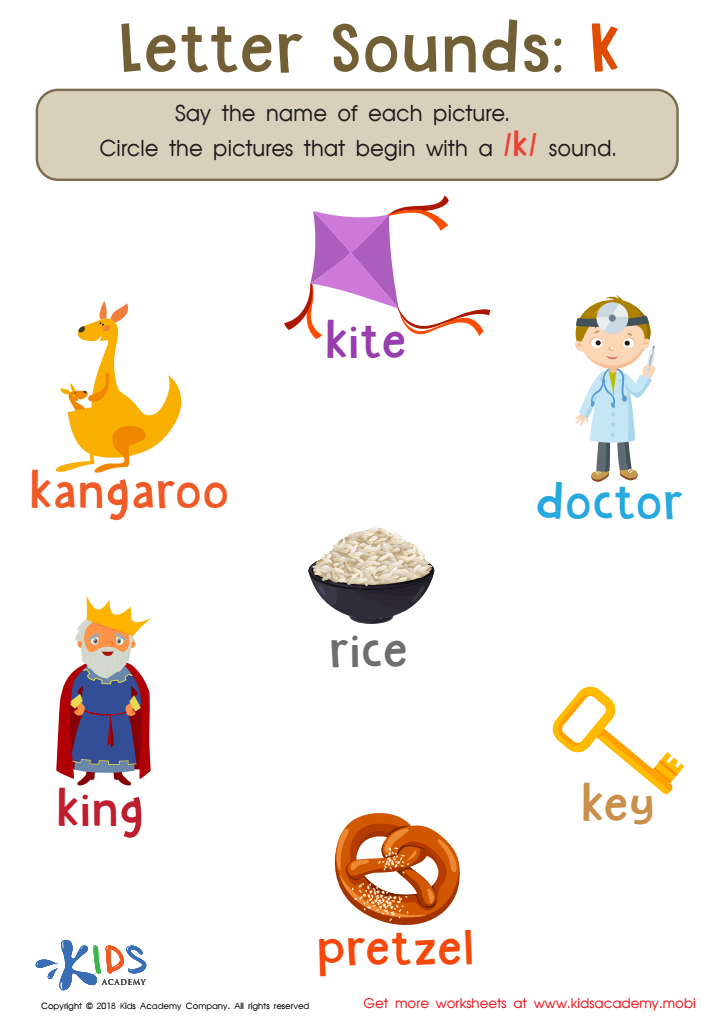
Letter K Sounds Worksheet
 Assign to My Students
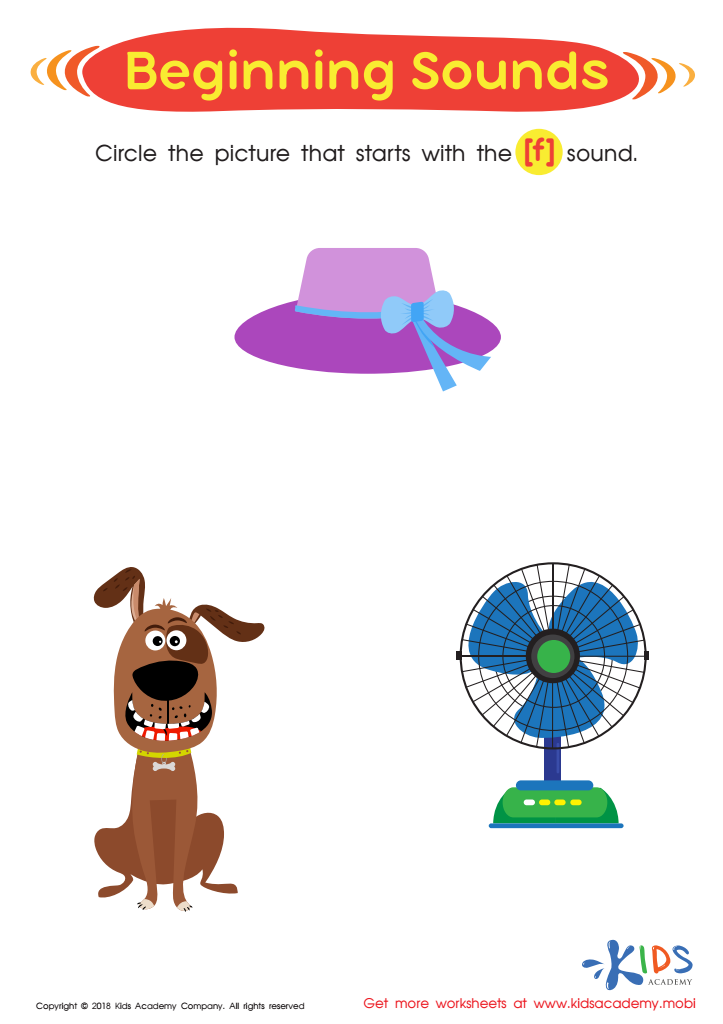
Beginning Sounds Assessment Printable
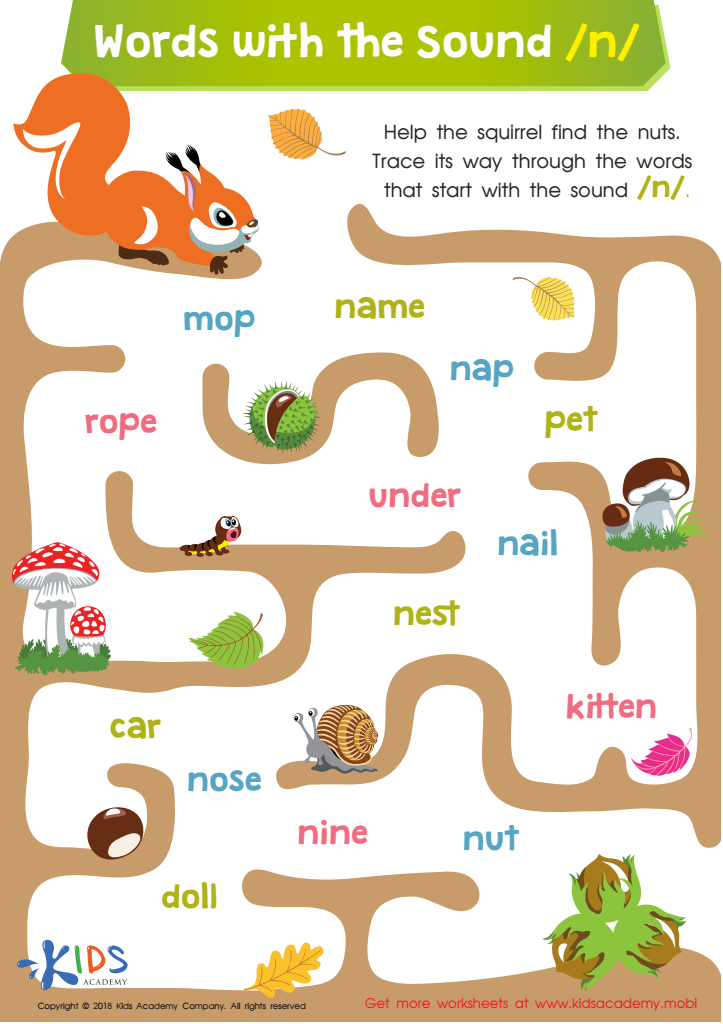
Words with Sound N Reading Worksheet
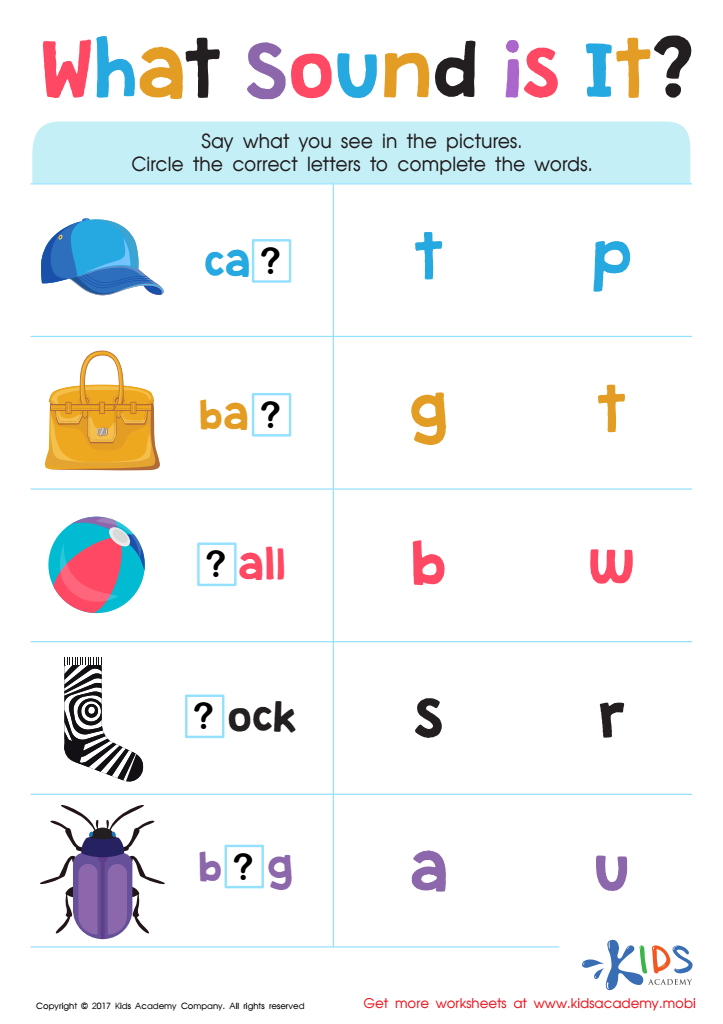
What Sound Is it? Worksheet
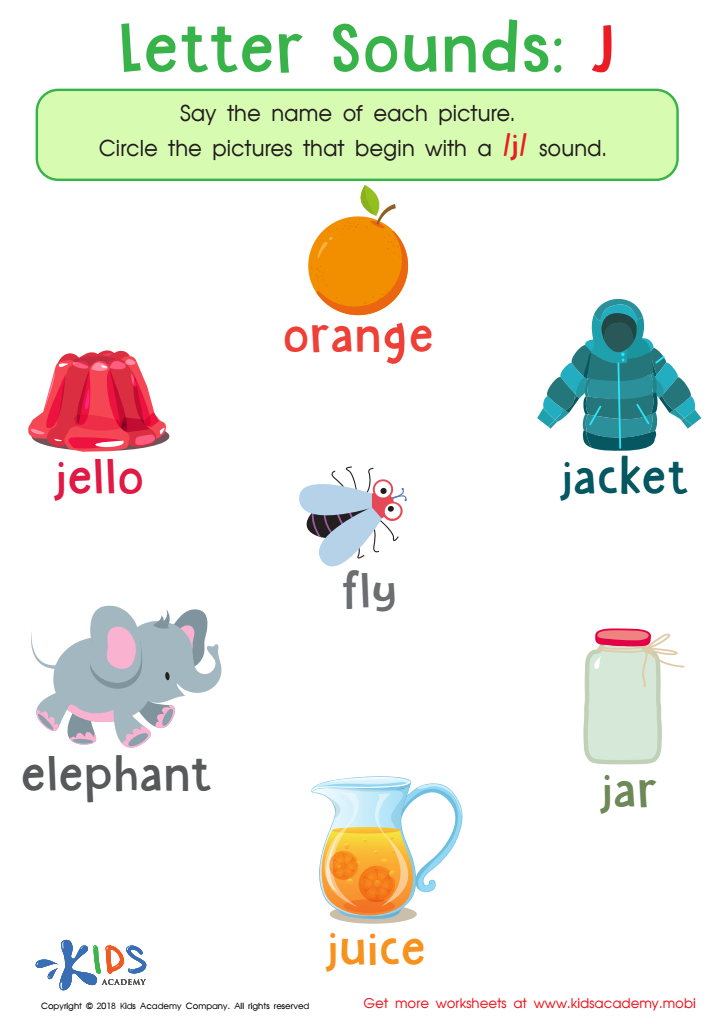
Letter Sounds: J Printable Worksheet
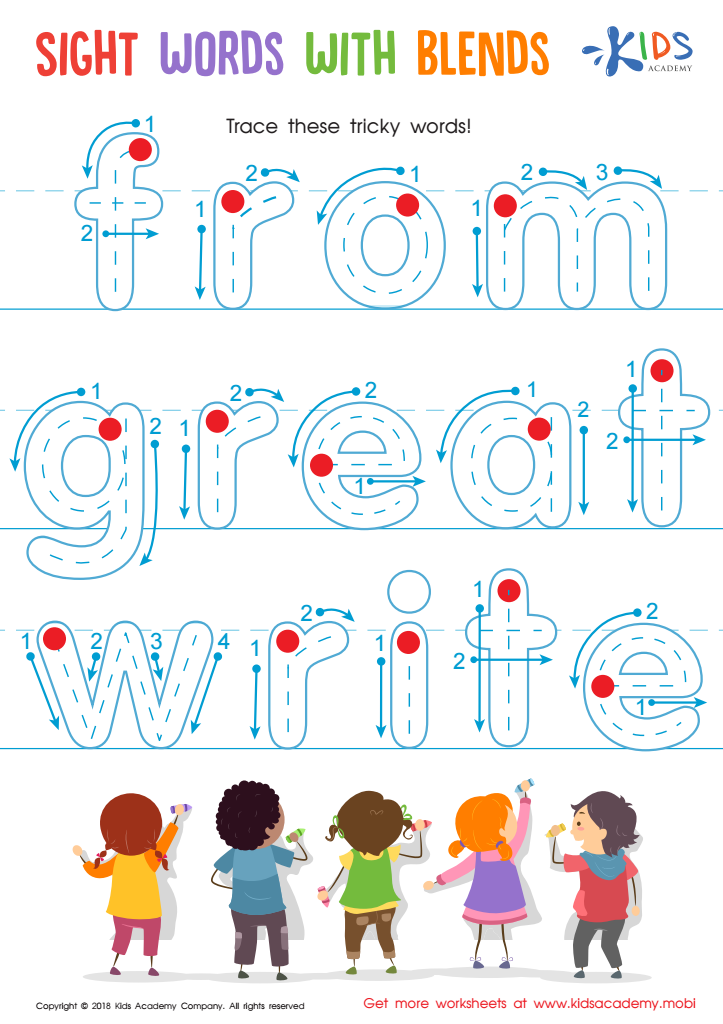
Sight Words with Blends Worksheet
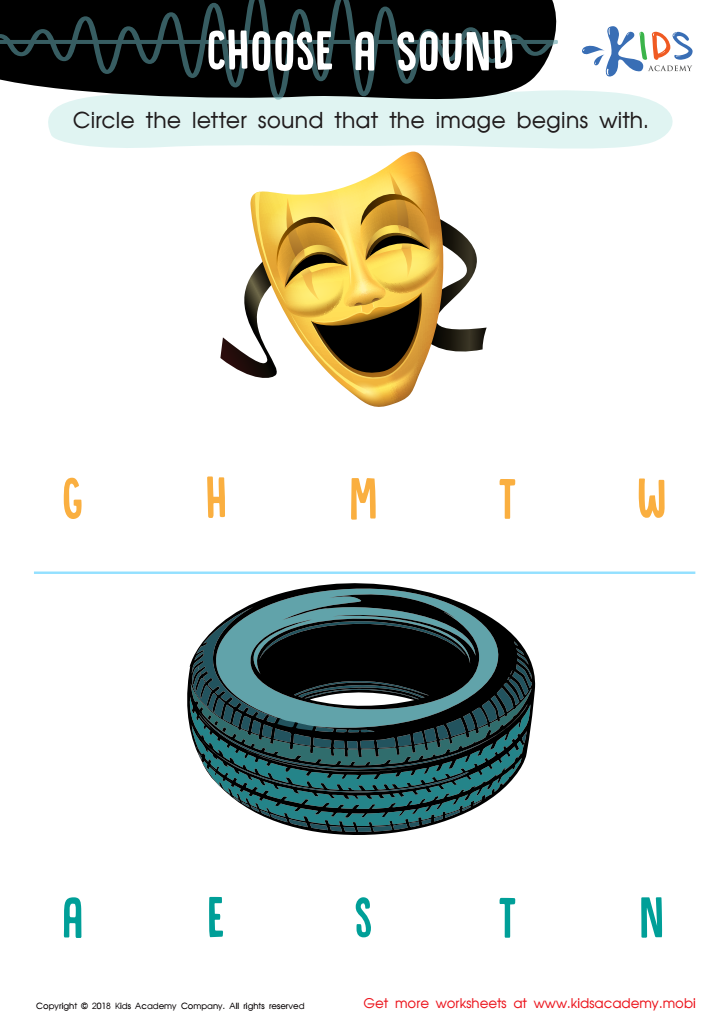
Choose a Sound Worksheet
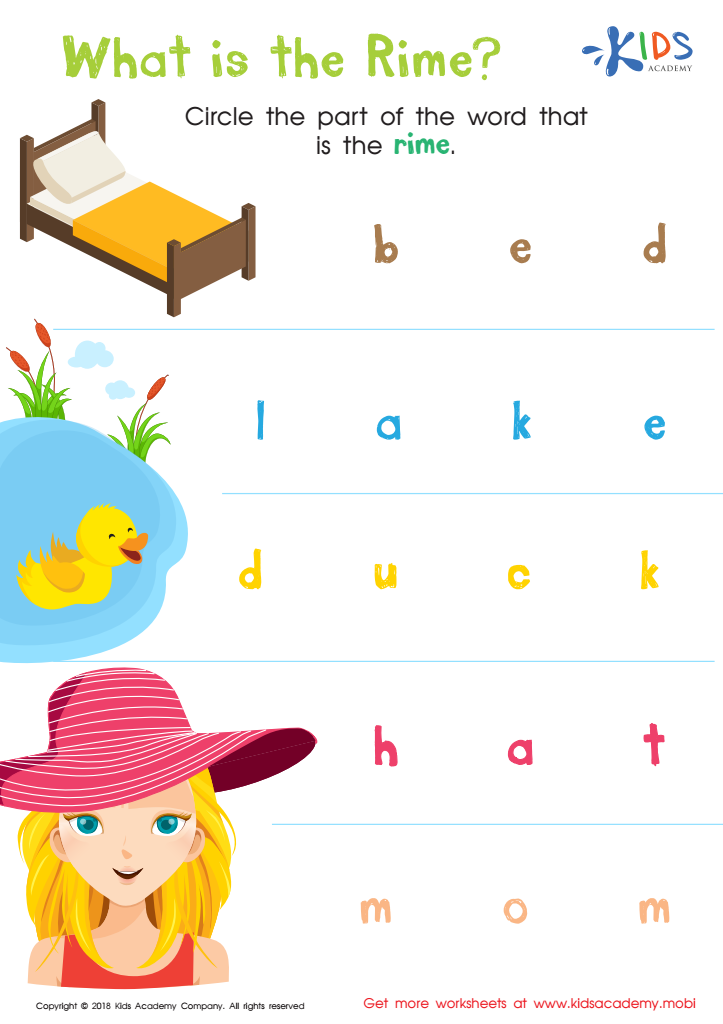
What Is the Rime? Worksheet
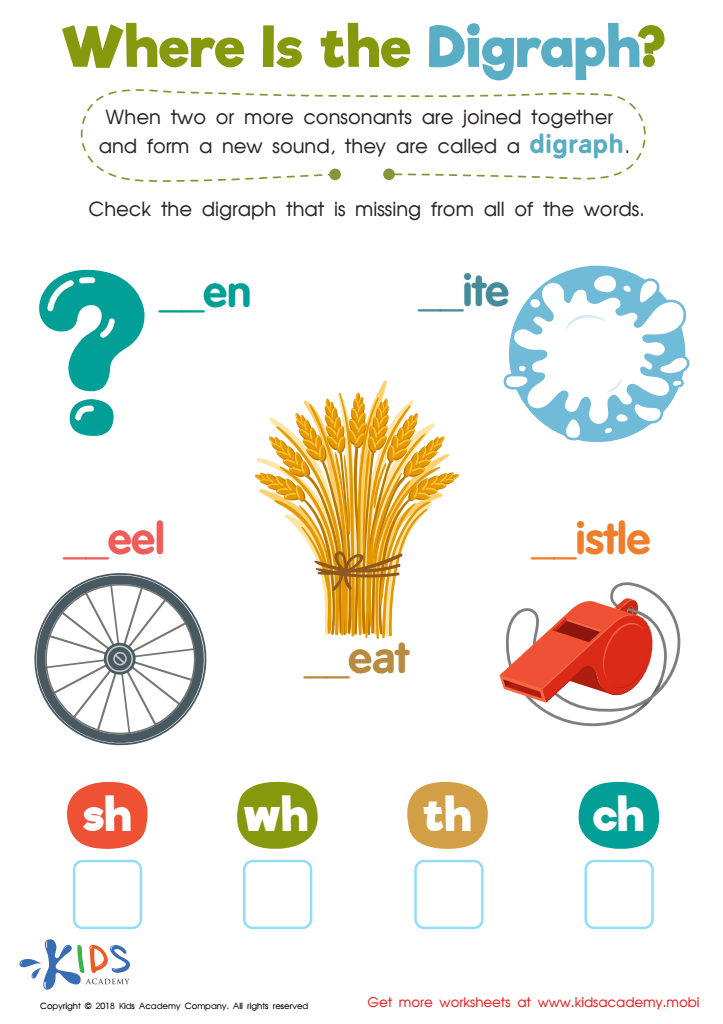
Where Is the Digraph? Worksheet
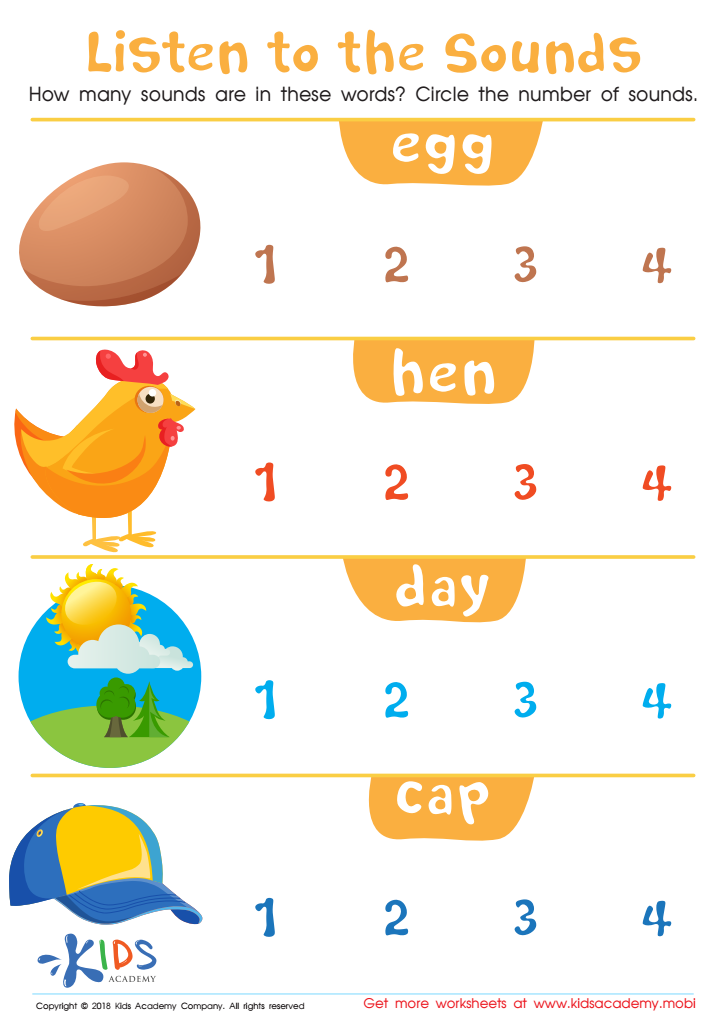
Listen to the Sounds Worksheet
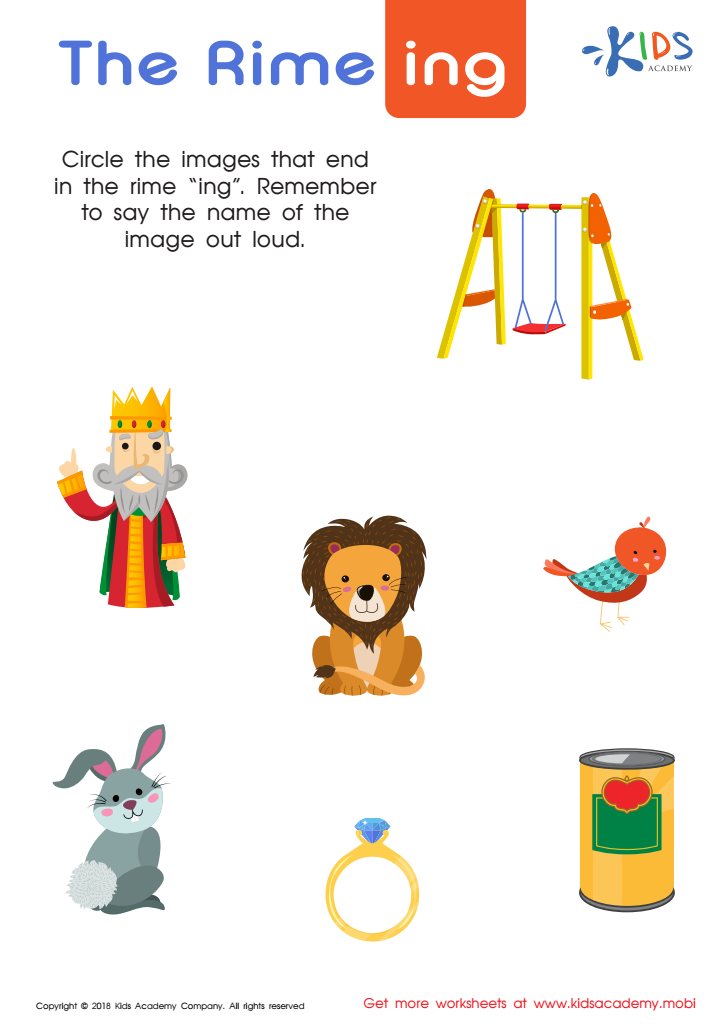
The Rime "ing" Worksheet
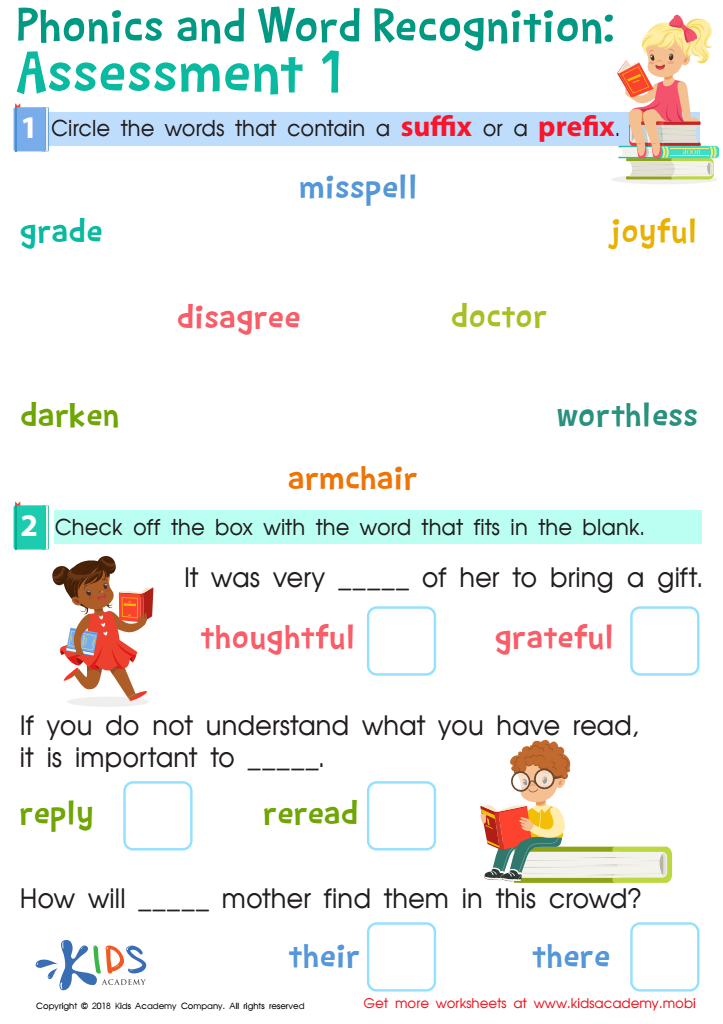
Phonics and Word Recognition: Assessment 1 Worksheet
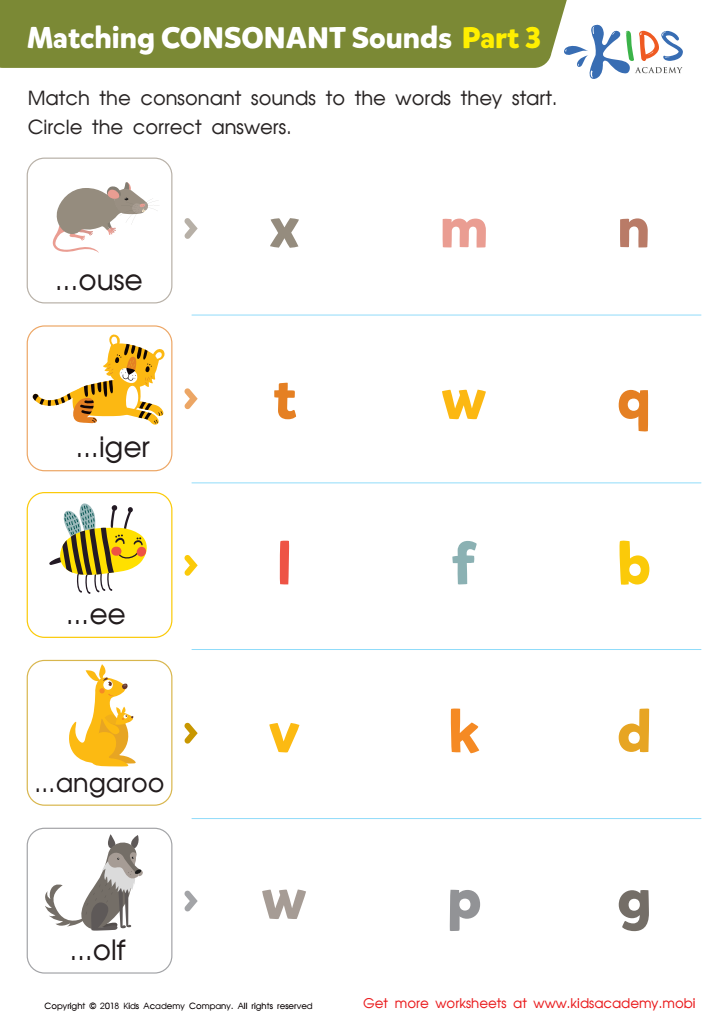
Matching Consonant Sounds: Part 3 Worksheet
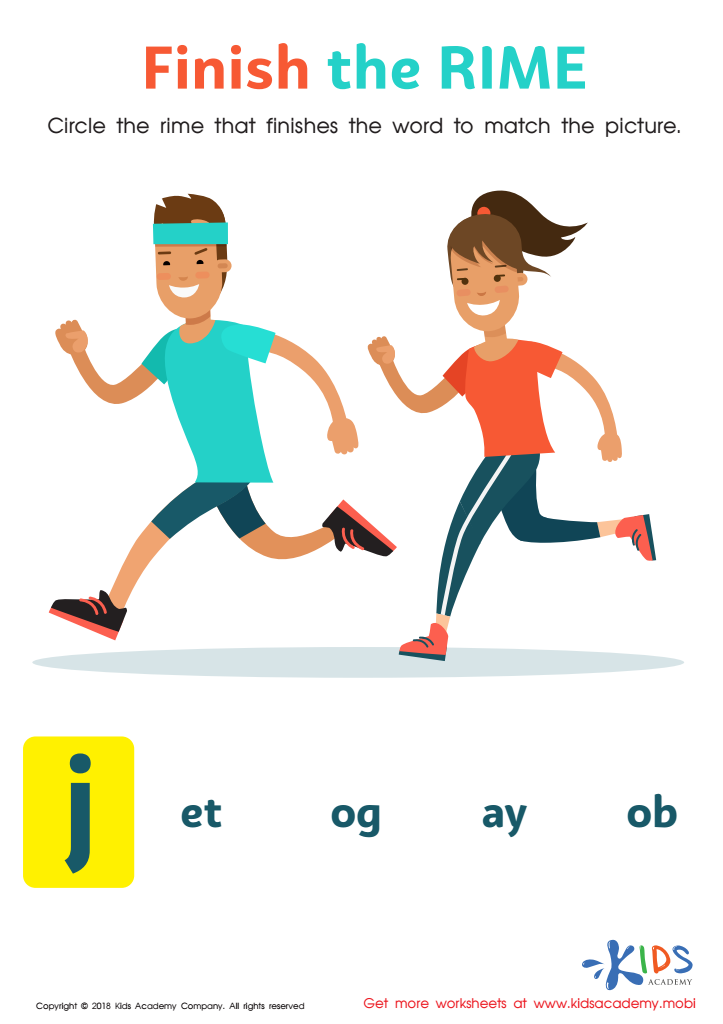
Finish the Rime Worksheet
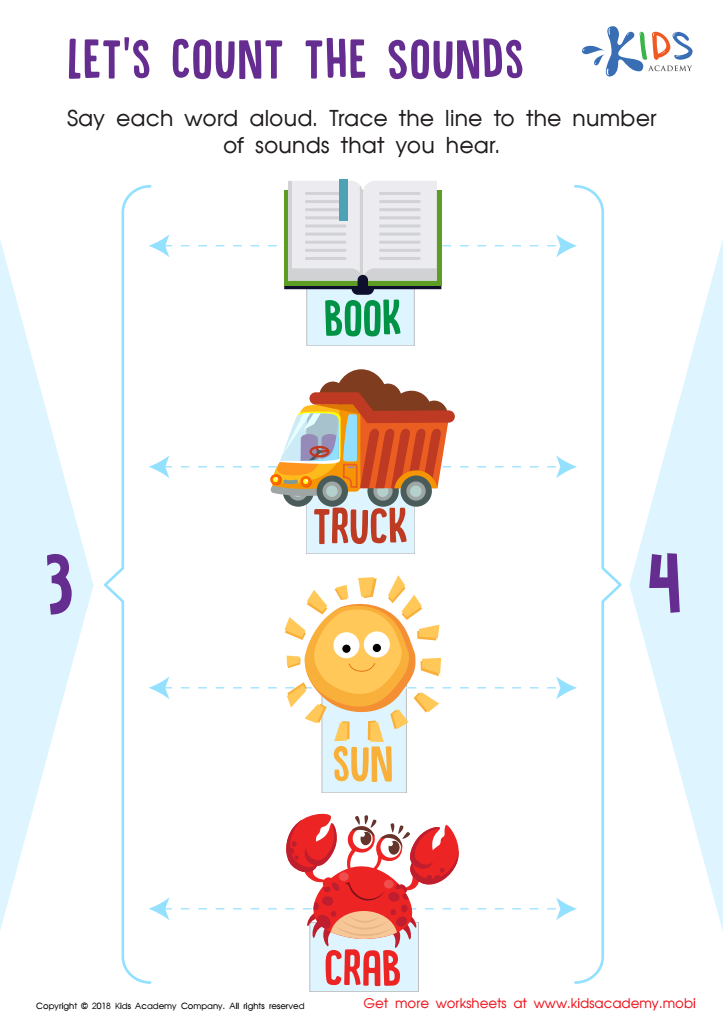
Let's Count the Sounds Worksheet
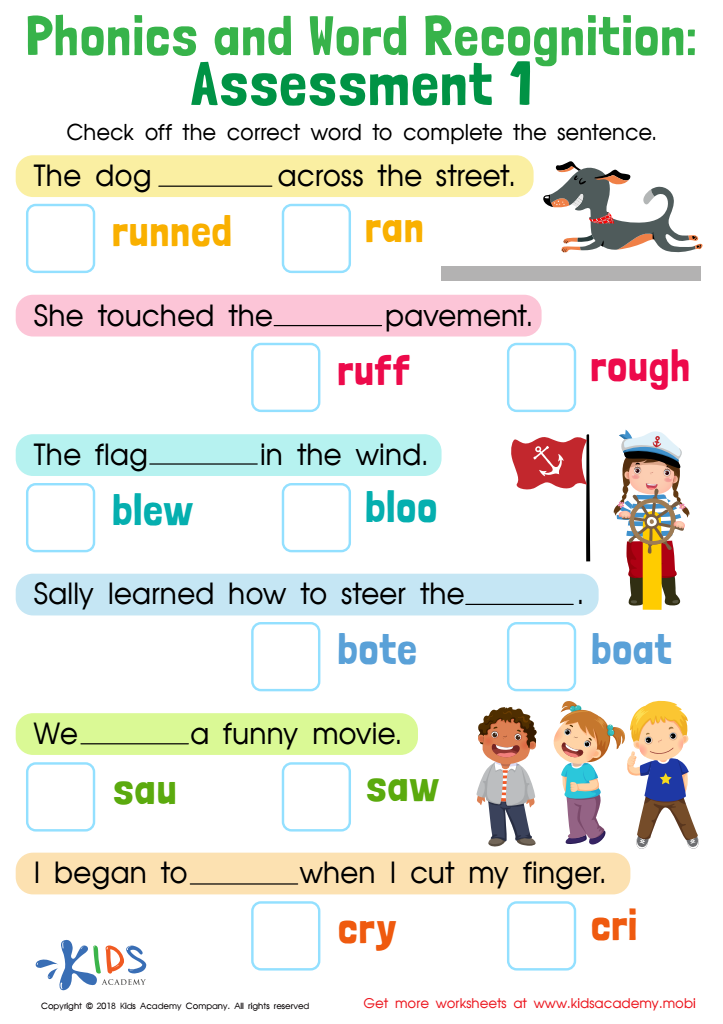
Phonics and Word Recognition: Assessment 1 Worksheet
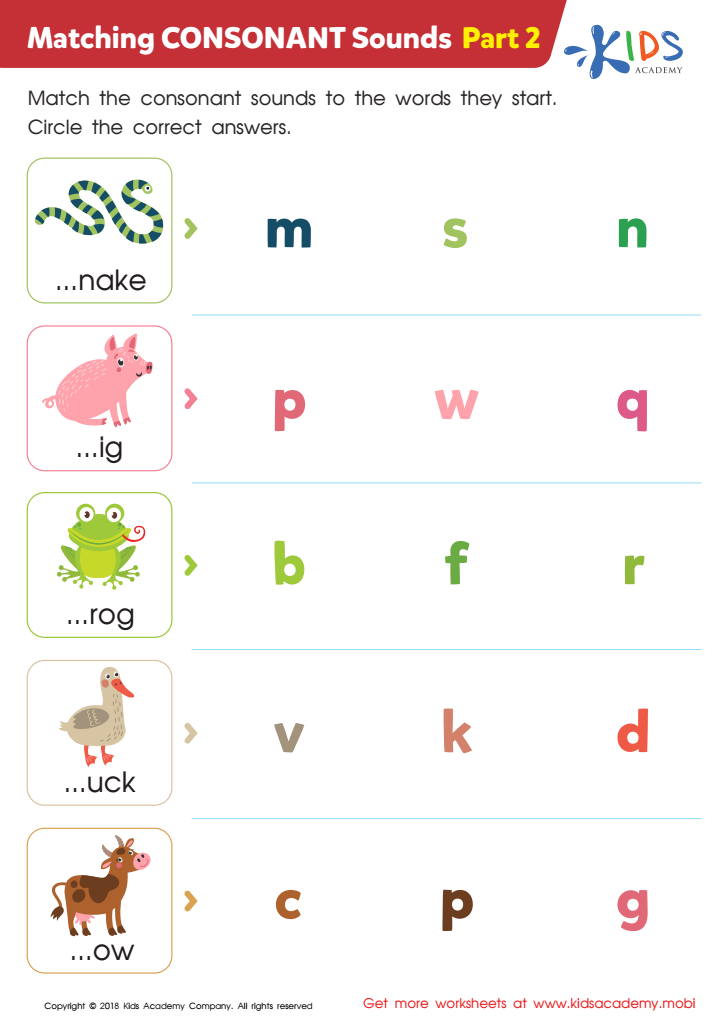
Matching Consonant Sounds: Part 2 Worksheet
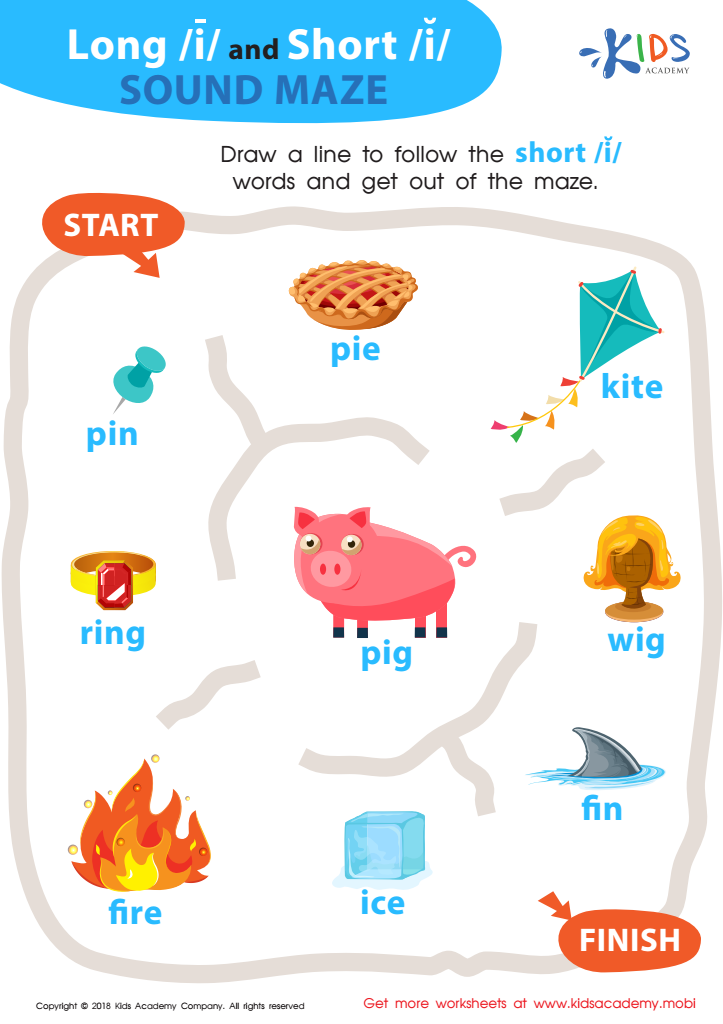
Reading: Long I and Short I Sound Maze Worksheet
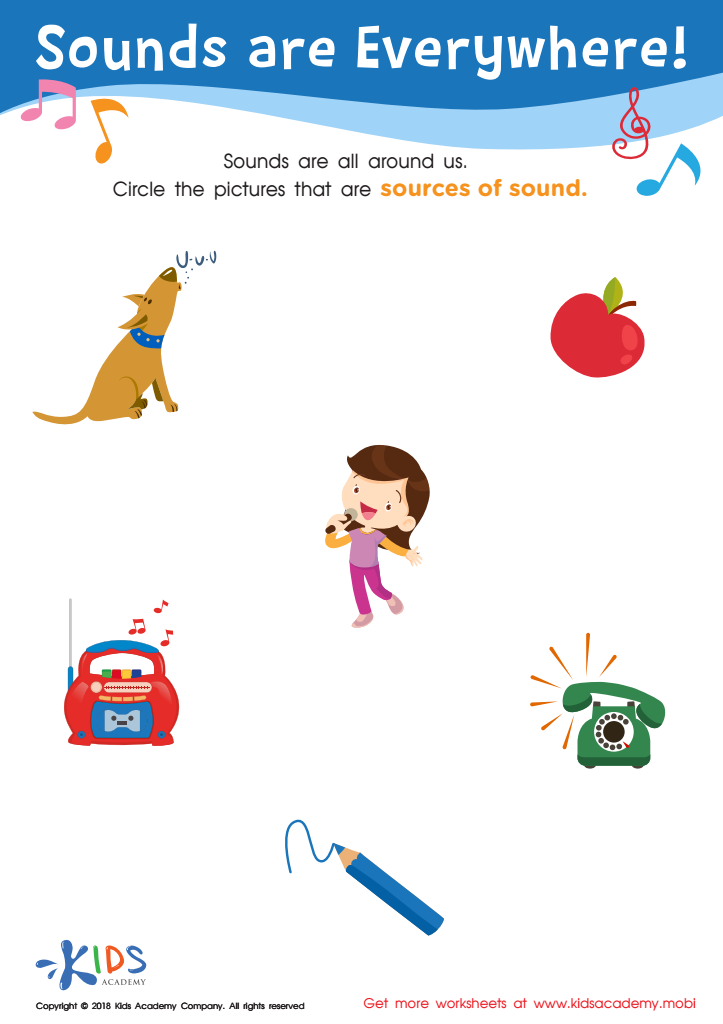
Sounds Are Everywhere! Worksheet
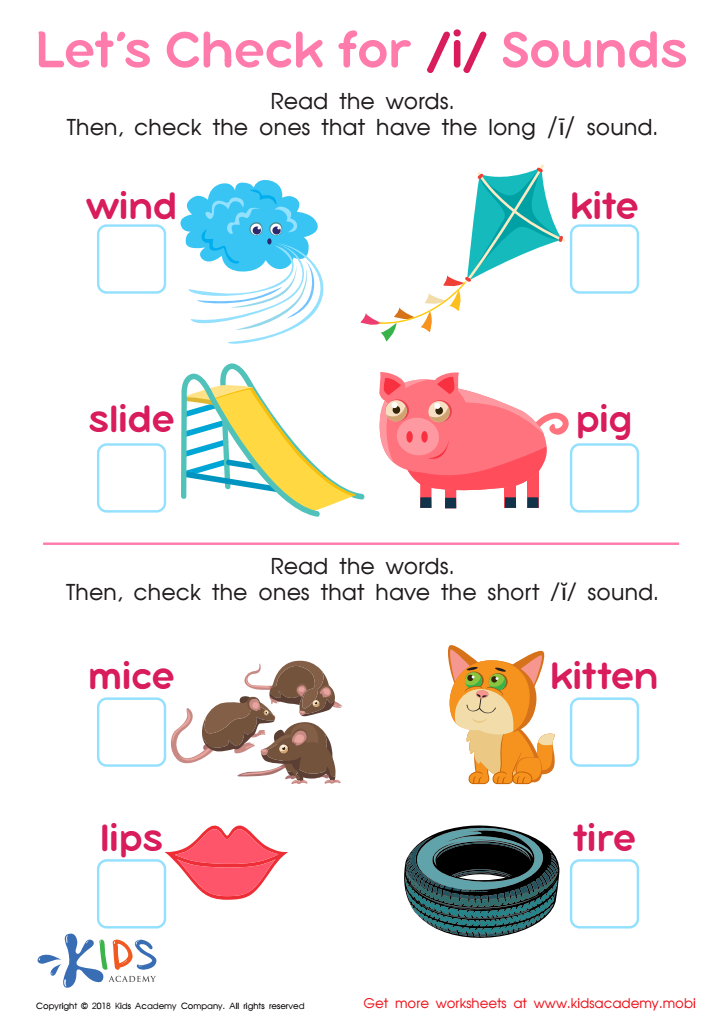
Let's Check for «i» Sounds Worksheet
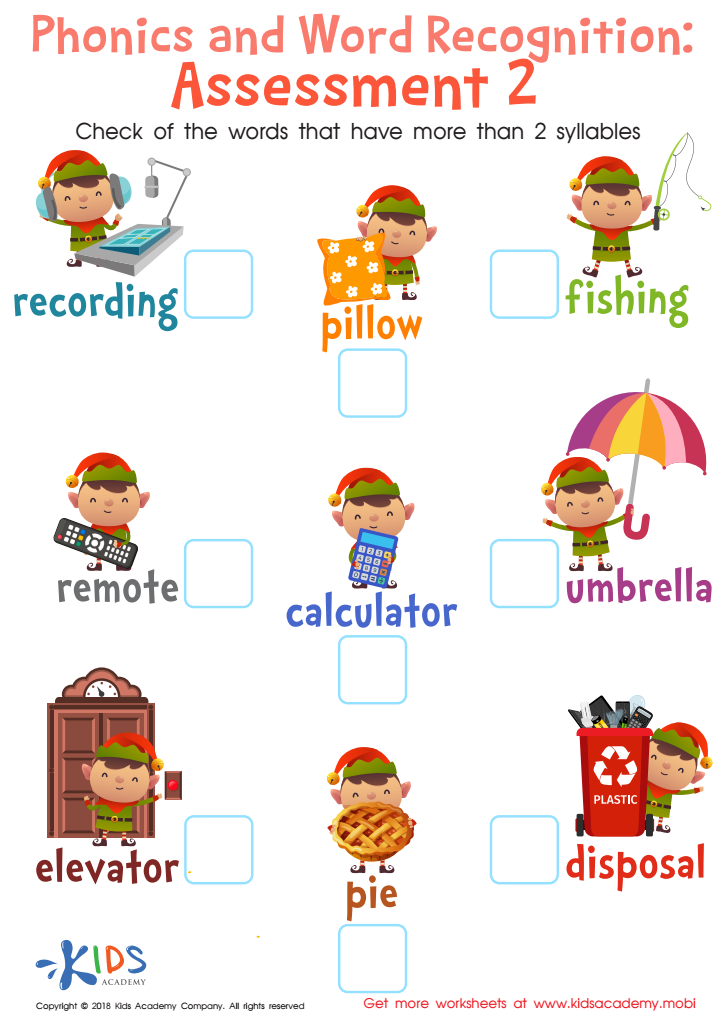
Phonics and Word Recognition: Assessment 2 Worksheet
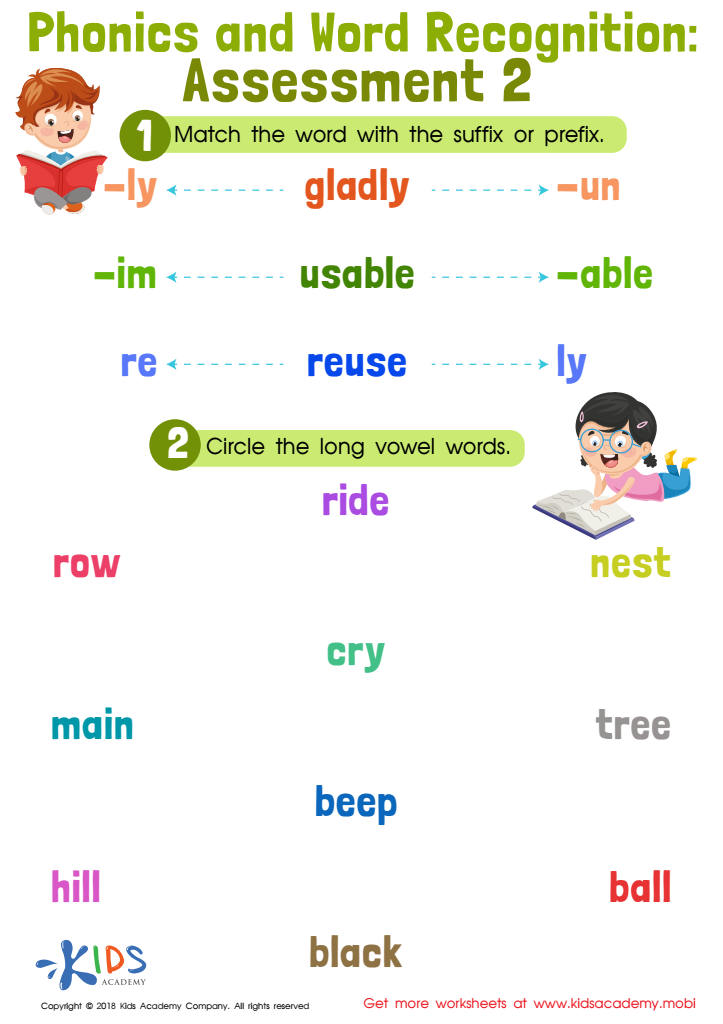
Phonics and Word Recognition: Assessment 2
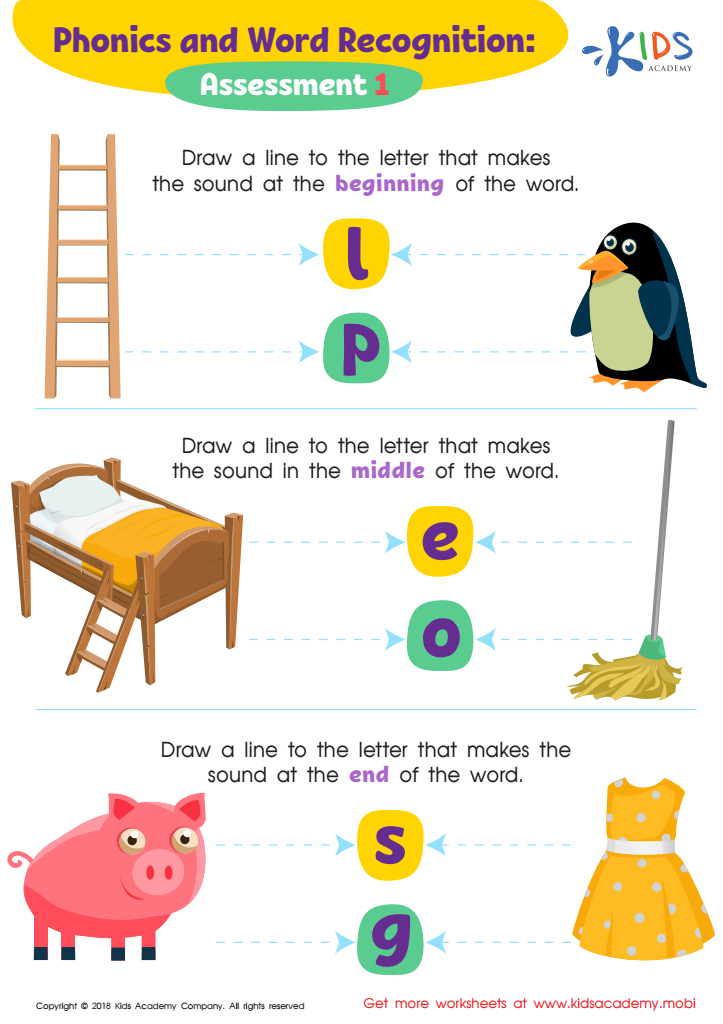
Phonics and Word Recognition: Assessment 1 ELA Worksheet
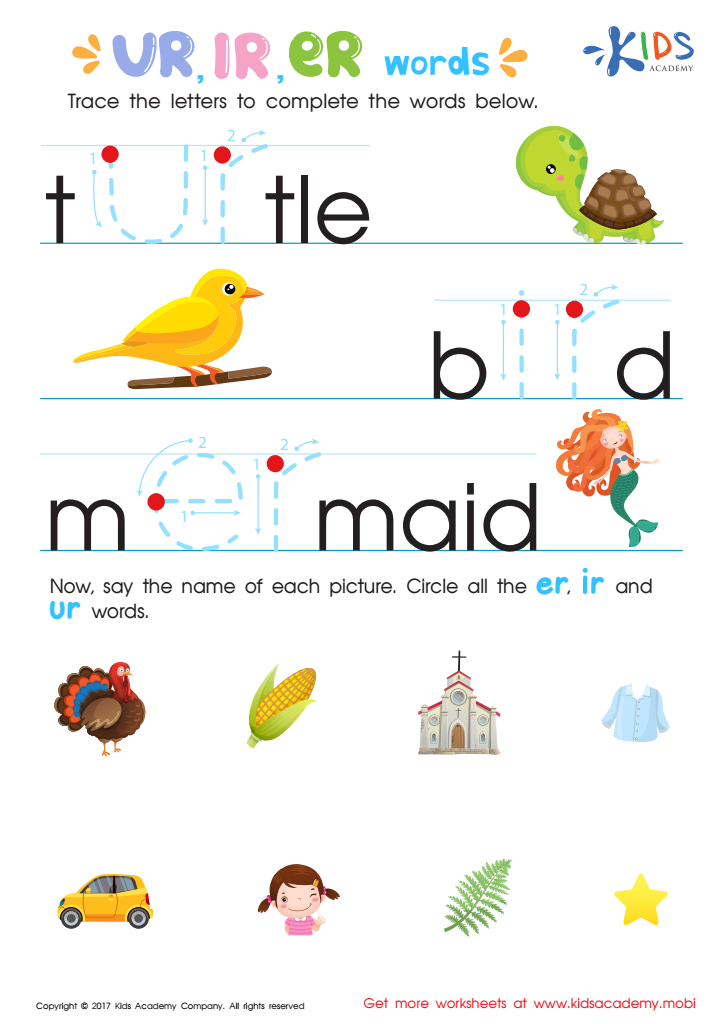
IR UR ER Words Worksheet






Phonics recognition is crucial for children aged 4-8 as it serves as the foundation for literacy development. At this early stage, children begin to connect letters with their corresponding sounds, enabling them to decode words independently. This skill not only boosts their reading abilities but also enhances their spelling and writing capabilities, fostering overall communication skills.
Caring about phonics recognition is important for parents and teachers because it helps identify students who may struggle with reading early on, allowing for timely intervention. Engaging with phonics activities in a fun and interactive way—through games, songs, and storytelling—can foster a love of reading and exploration of language.
Additionally, strong phonics skills support comprehension, as children learn to recognize words quickly and easily, permitting them to focus on understanding the content. This foundational knowledge prepares them for more complex reading tasks as they progress through their education. Moreover, phonics-based reading instruction has been shown to enhance academic performance across subjects, truly underscoring its significance. By prioritizing phonics recognition, parents and teachers equip children with essential tools for lifelong learning and confidence in their communication abilities.








