Simplifying Fractions Worksheets for Ages 4-8 - Page 2
29 filtered results
-
From - To
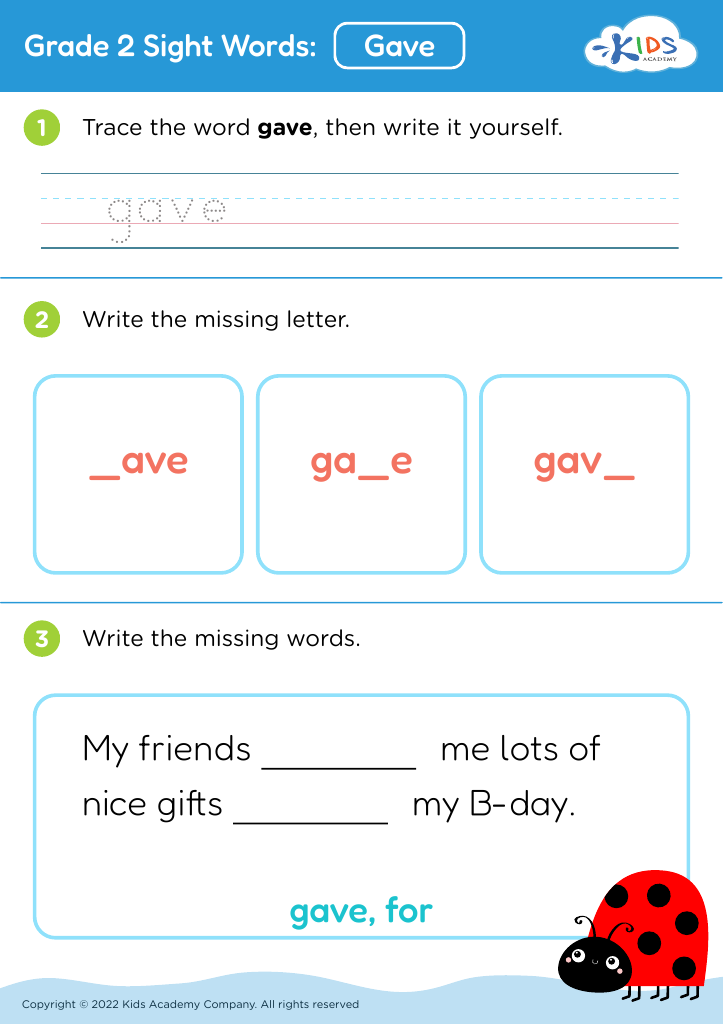
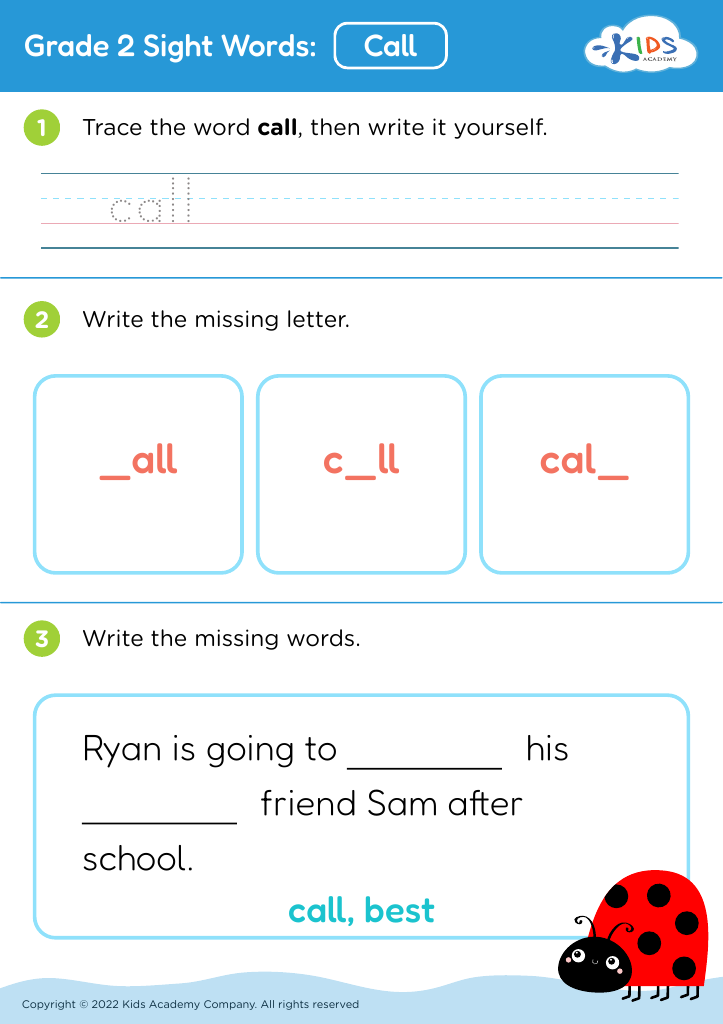
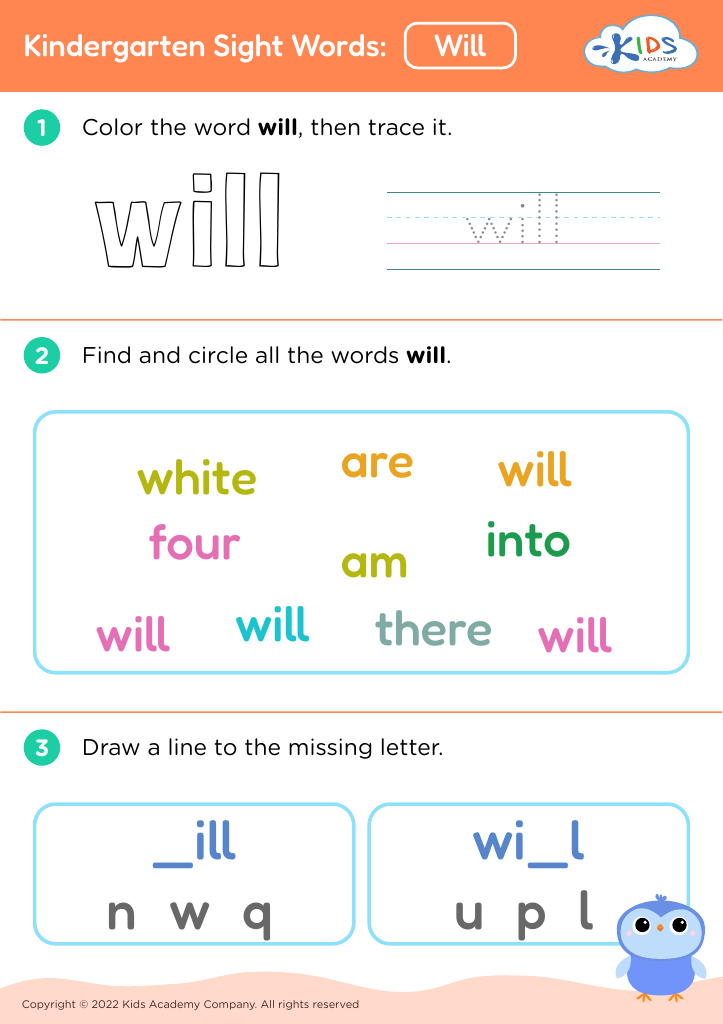
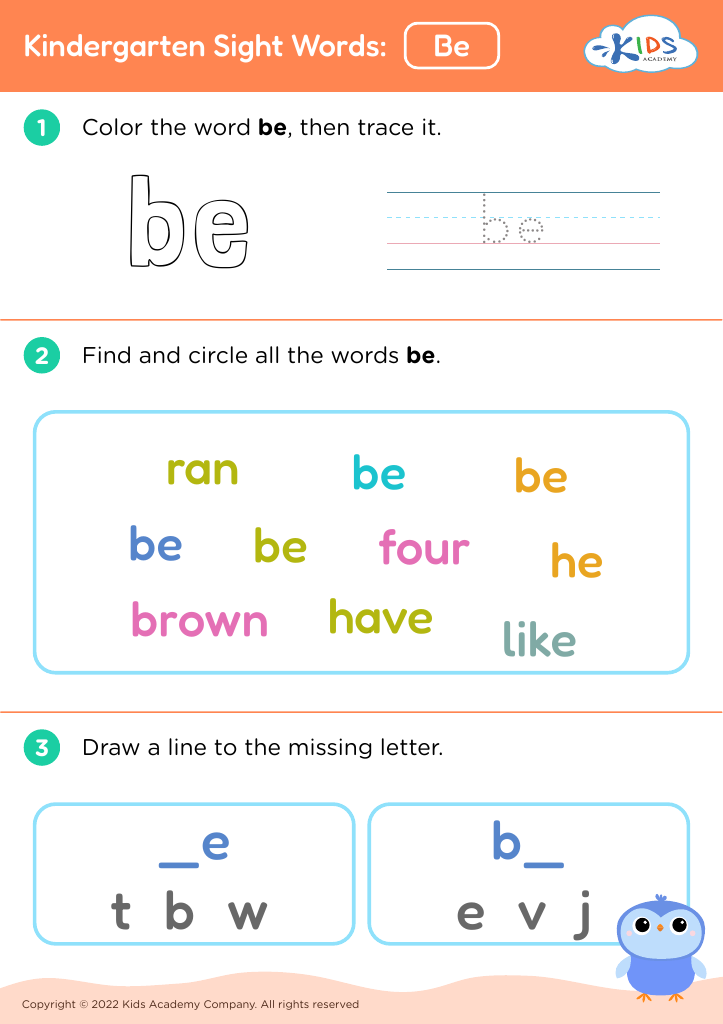








Simplifying fractions is a fundamental math concept that plays a crucial role in young children's overall mathematical development. For ages 4-8, understanding fractions forms the basis for more complex mathematical operations in later years. When parents and teachers focus on simplifying fractions, they help children grasp the idea of part-to-whole relationships and the importance of equivalency. This knowledge not only nurtures critical thinking and problem-solving skills but also boosts children's confidence in handling quantitative concepts.
Moreover, simplifying fractions sharpens children's ability to make sense of everyday scenarios, like dividing a pizza or sharing toys, which fosters a practical understanding of math in real life. Teaching this concept through engaging, age-appropriate activities — such as visual aids and manipulatives — makes learning enjoyable and effective. In addition, simplification enables children to develop a conceptual foundation that encourages them to view math as a dynamic subject rather than rote memorization.
Furthermore, early familiarity with fractions promotes better preparedness for advanced mathematical topics they will encounter in school, creating a smoother academic journey. Ultimately, when parents and teachers prioritize this essential skill, they cultivate analytical, curious, and confident learners ready to tackle future mathematical challenges.








