Time calculation skills Worksheets for Ages 4-8
3 filtered results
-
From - To
Enhance your child's understanding of time with our engaging Time Calculation Skills Worksheets, designed specifically for ages 4-8. These fun and interactive worksheets help young learners grasp essential concepts such as reading clocks, understanding hours and minutes, and basic time-related problem-solving. Tailored to fit early learning standards, our resources promote critical thinking while ensuring that learning about time feels enjoyable. Perfect for classroom use or at home, these worksheets encourage independent learning and boost confidence in time management skills. Explore our collection today and watch your child's time-telling abilities grow as they play and learn!
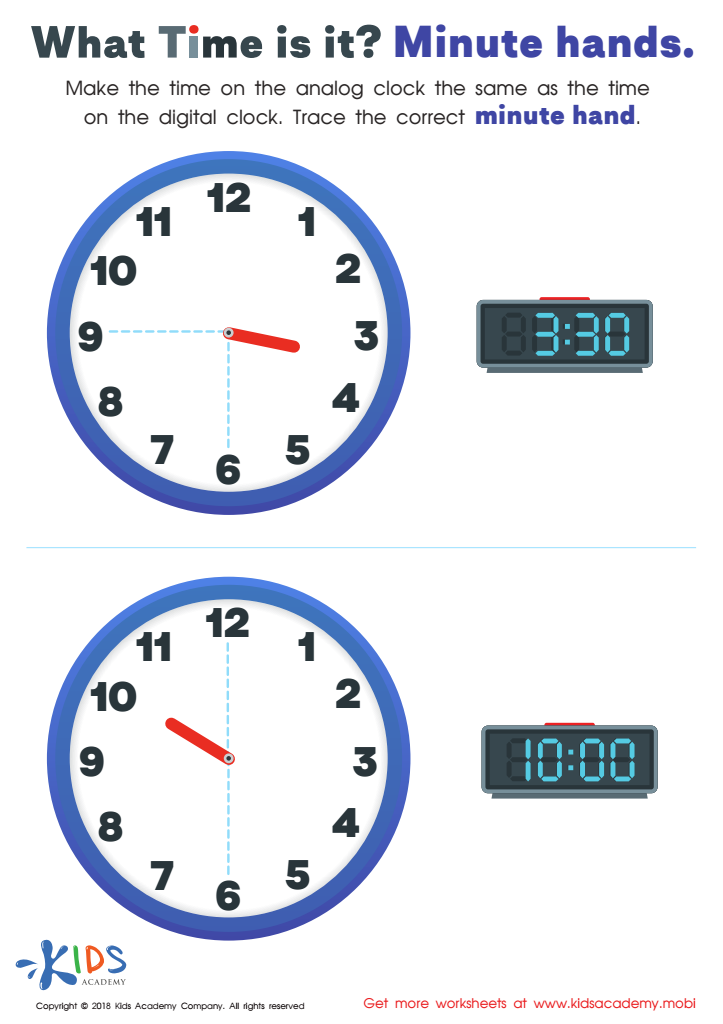
What Time Is it? Minute Hands Worksheet
 Assign to My Students
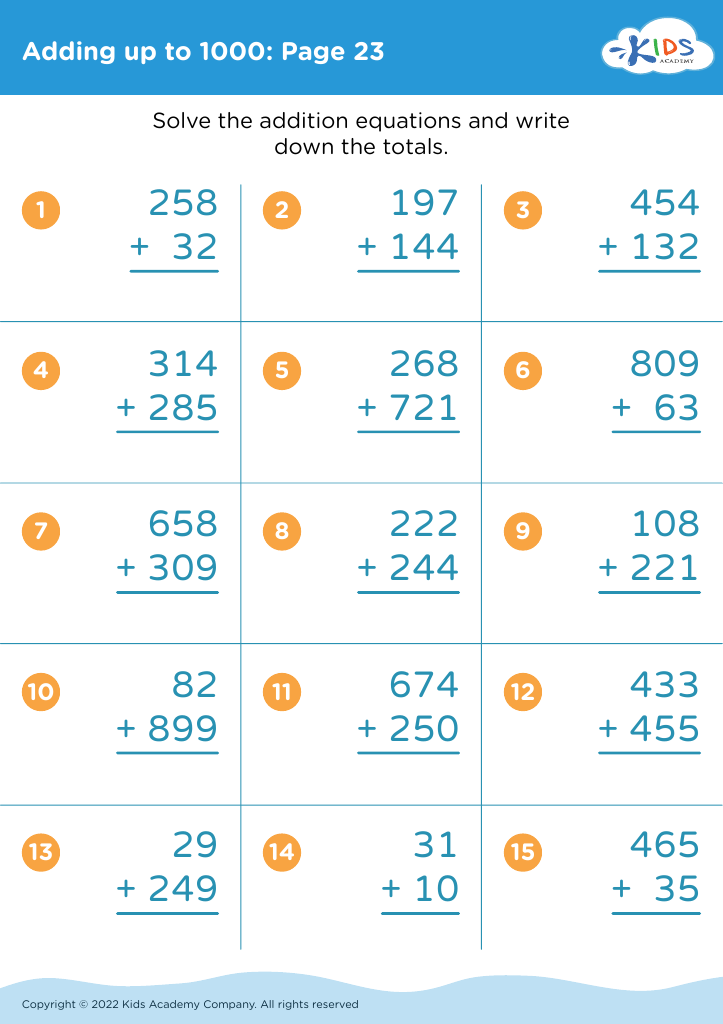
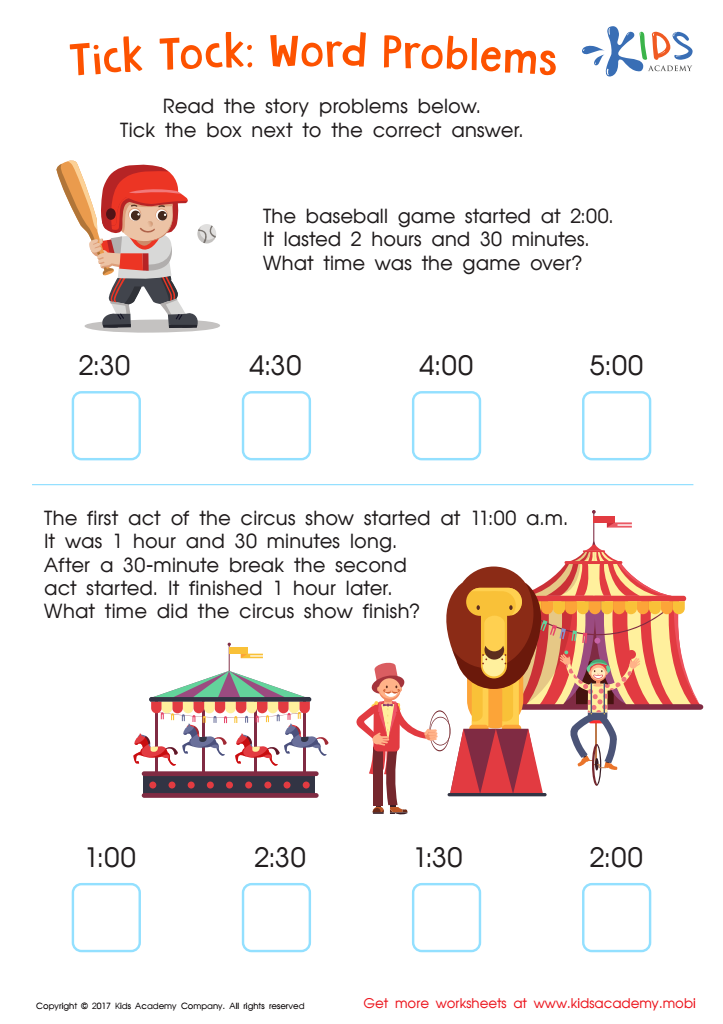
Tick Tock Word Problems Time Worksheet



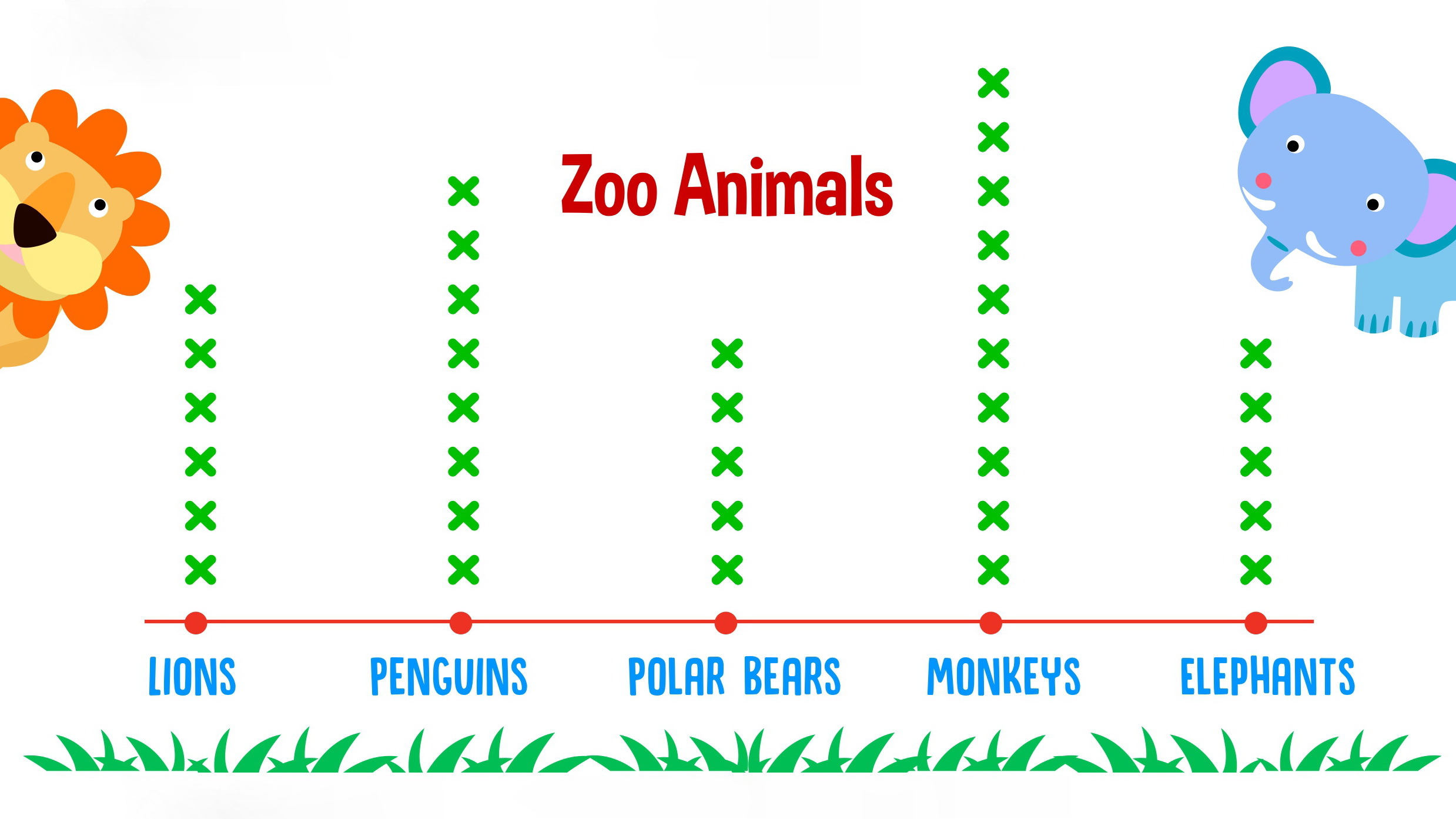



Time calculation skills are essential for children aged 4-8 as they form the foundation for understanding daily routines, transitions, and responsibilities. At this age, children begin to grasp the concept of time, which is crucial for promoting independence and self-management. Developing time skills helps children learn to estimate how long activities will take, create schedules, and understand the sequence of events in their day.
These skills also enhance cognitive development, as they encourage children to think critically and solve problems. By engaging in time-related activities, children learn to associate numbers with real-life contexts, making math more relevant and meaningful. This understanding builds confidence, equipping young learners with the tools they need for future academic success.
Moreover, teaching time skills fosters important life skills such as punctuality, planning, and organization. This not only benefits children's academic performance but also prepares them for societal expectations as they grow older. As such, parents and teachers play a critical role in nurturing these skills through fun, hands-on activities and discussions, creating an environment where children feel comfortable exploring these concepts. By prioritizing time calculation, they lay the groundwork for their children’s lifelong ability to manage time effectively.








