Tracing practice Worksheets for Ages 4-8
3 filtered results
-
From - To
Enhance your child's fine motor skills and early writing abilities with our "Tracing Practice Worksheets for Ages 4-8." Designed for young learners, these engaging worksheets help children practice essential tracing techniques through fun and interactive activities. From letters and numbers to shapes and characters, our materials support cognitive development while making learning enjoyable. Perfect for homeschoolers, preschools, or after-school activities, these worksheets promote concentration and hand-eye coordination. Let your child explore their creativity and build confidence in their writing skills. Download our printable tracing worksheets today and watch your little ones flourish in their educational journey!
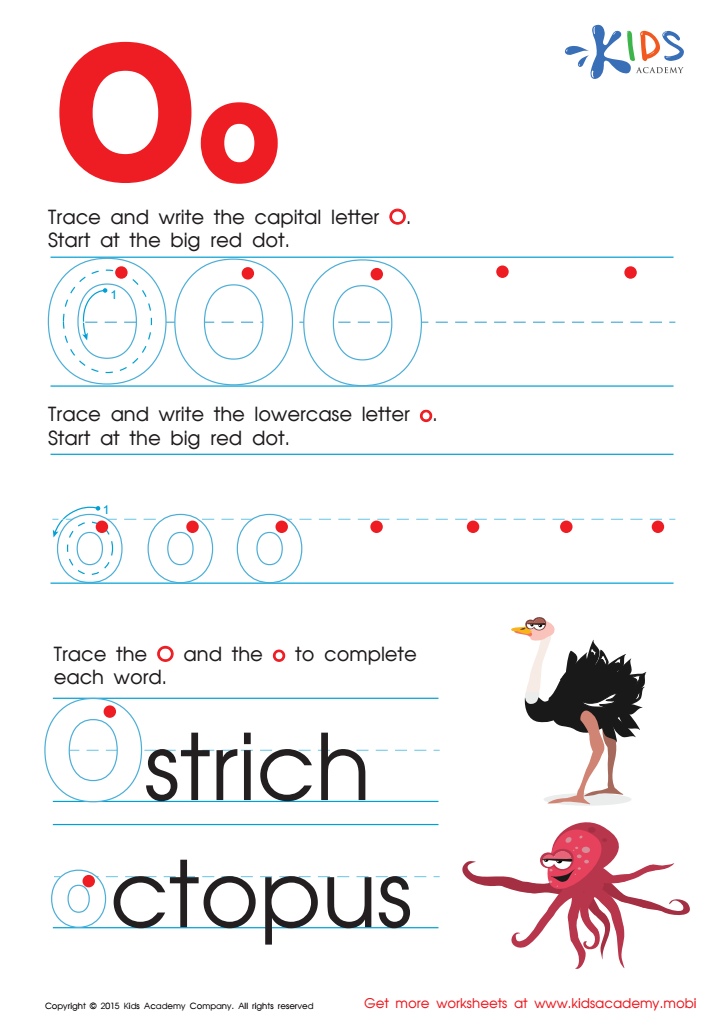
Letter O Tracing Page
 Assign to My Students
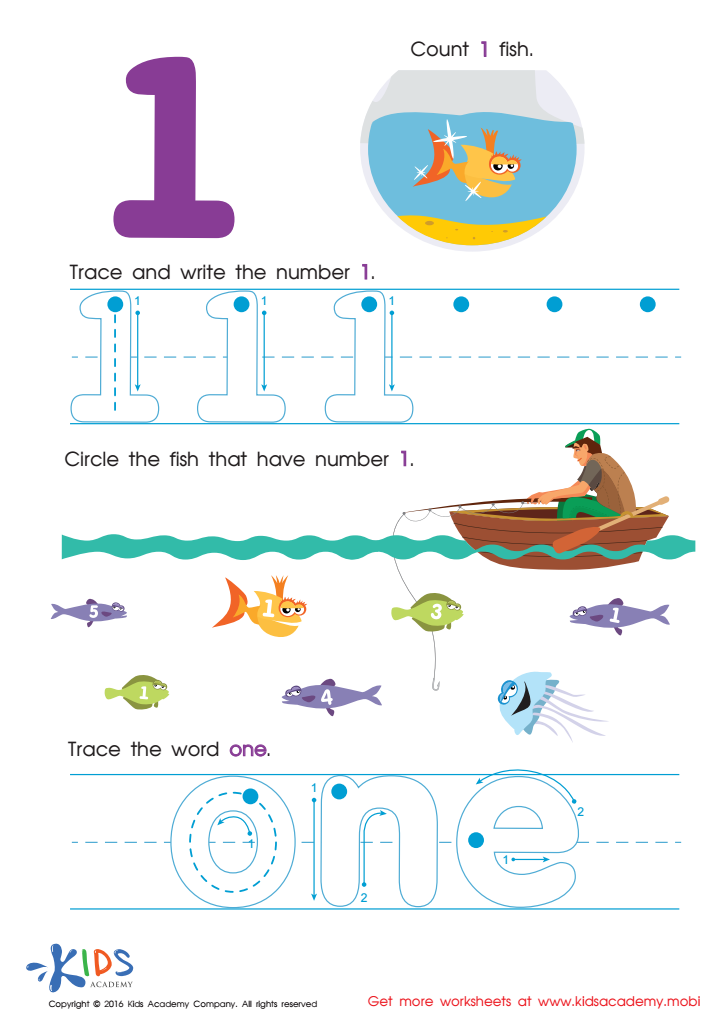
Learning to Write 1 Worksheet
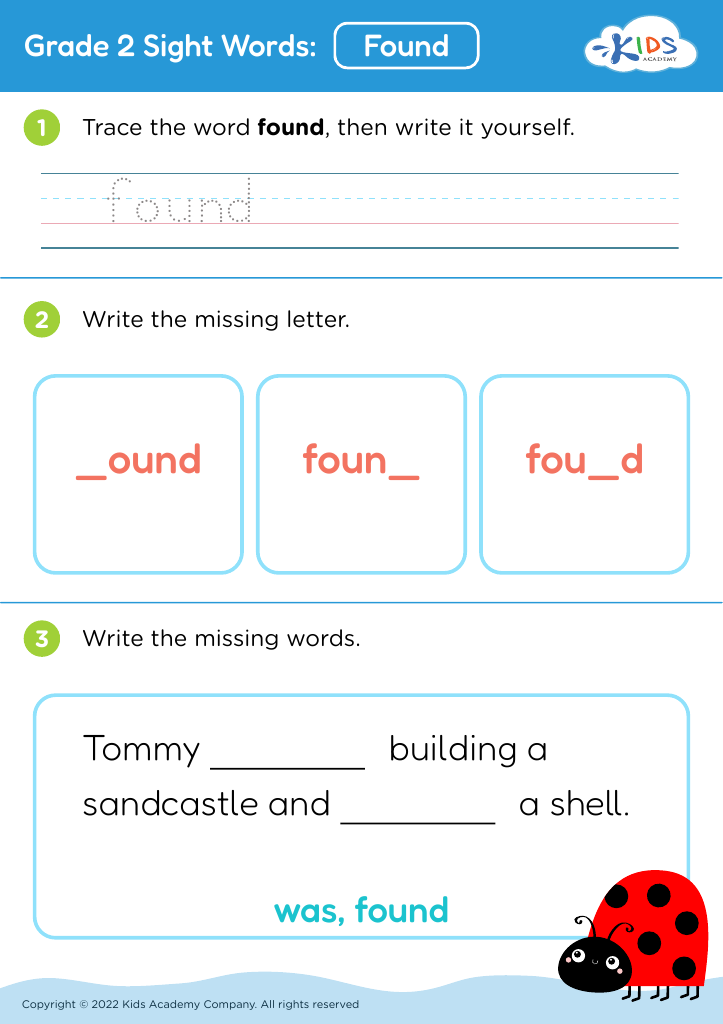








Tracing practice is an essential skill for children aged 4-8 as it lays the groundwork for writing and fine motor development. Engaging in tracing activities helps young learners develop the hand-eye coordination and muscle memory necessary for writing letters, numbers, and shapes. This foundational skill paves the way for smoother handwriting and effective communication as children progress in their education.
Moreover, tracing practice promotes cognitive development. As students trace letters and shapes, they begin to recognize patterns, differentiate between letters and numbers, and understand spatial relationships. This recognition helps reinforce literacy and numeracy skills, making it easier for children to transition to more complex learning tasks.
Parents and teachers should care about tracing practice because it provides a fun, hands-on way to engage children in learning. It encourages focus and concentration, as children become absorbed in the activity. Additionally, tracing allows for individual expression; kids can decorate and personalize their work, fostering a sense of ownership and pride.
Ultimately, incorporating tracing into early childhood education not only strengthens writing skills but also enhances overall cognitive abilities, preparing children for future academic success and instilling a love for learning from an early age.








