Understanding number value Worksheets for Ages 4-8
4 filtered results
-
From - To
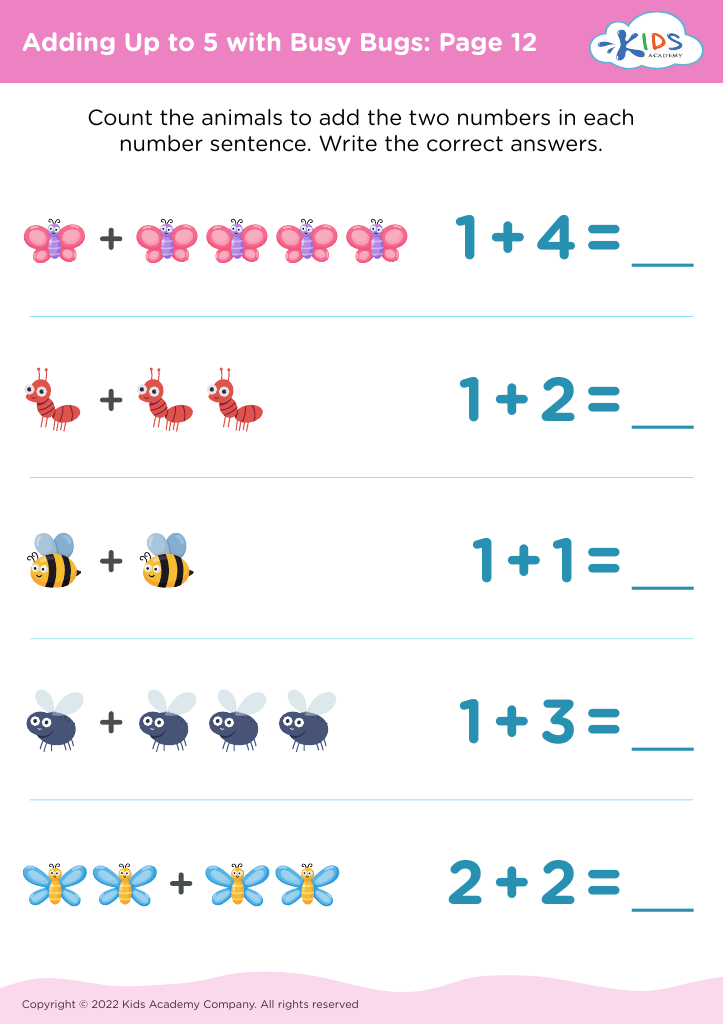
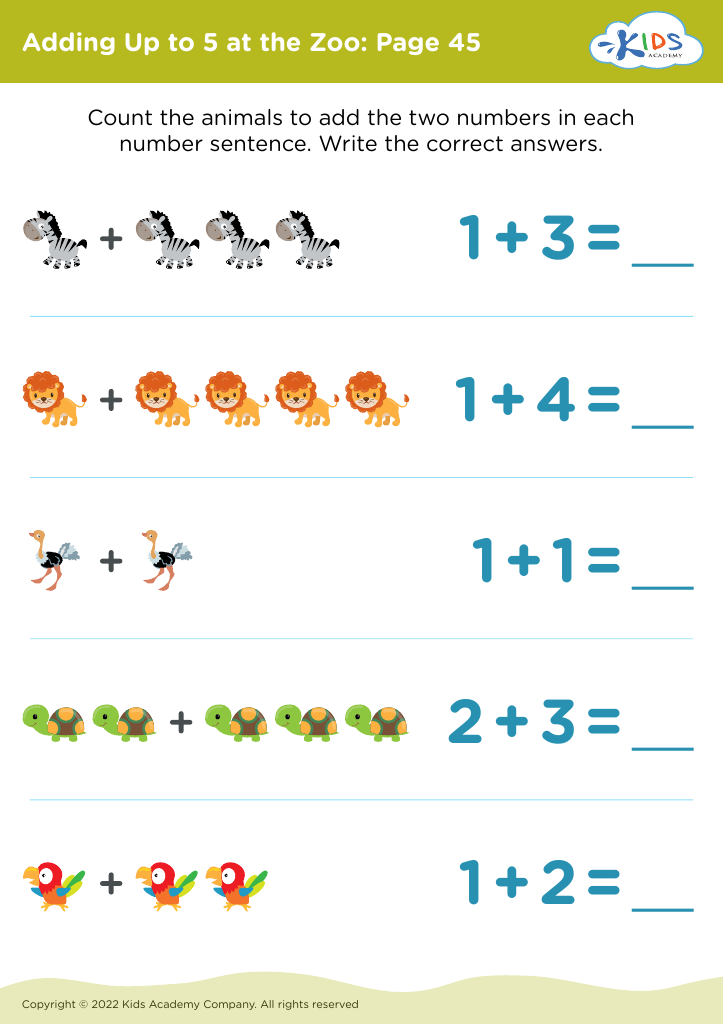
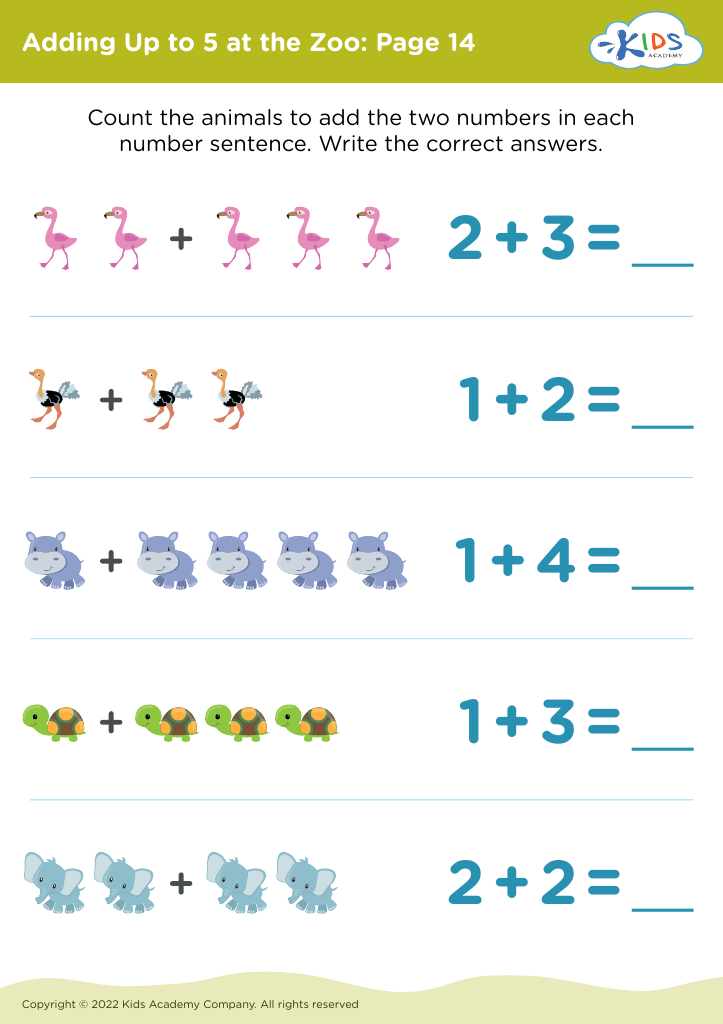
"Understanding Number Value Worksheets for ages 4-8" offer engaging, age-appropriate activities to help young learners grasp essential math concepts. These printable worksheets focus on building foundational skills such as counting, number recognition, and understanding quantities. Through colorful illustrations and fun exercises, kids can practice comparing numbers, recognizing patterns, and developing number sense. Ideal for both classroom and home use, these worksheets support early math development and foster a love for learning. Designed by educators, they align with educational standards, ensuring a high-quality learning experience. Download now to give your child a head start in their math journey!
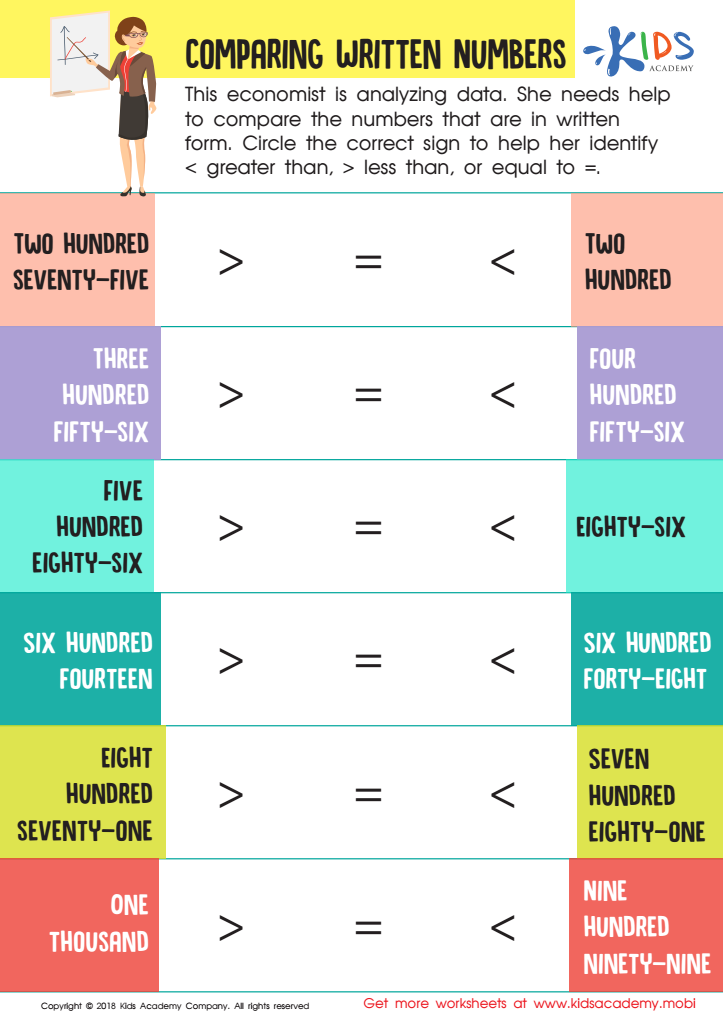
Comparing Written Numbers Worksheet
 Assign to My Students





Understanding number value is a foundational skill in early childhood education that sets the stage for all future math learning. For children ages 4-8, grasping number value is crucial as it underpins their ability to comprehend more complex mathematical concepts later on. When children understand number value, they can more easily grasp addition, subtraction, and even the basics of multiplication and division.
From a cognitive standpoint, recognizing how numbers represent quantities helps children make sense of their environment, improving their problem-solving and critical thinking skills. Being proficient in this area also equips children to engage more effectively in everyday tasks like sharing resources or telling time.
Moreover, a strong grasp of number value boosts a child's confidence in their math abilities, making them more likely to enjoy and succeed at the subject. This foundational understanding can also influence performance in other areas such as science, technology, and even reading, given that logical sequence and pattern recognition skills are transferable.
For parents and teachers, facilitating this early understanding involves using tangible, hands-on activities like counting objects, using visual aids, and integrating number games. By laying this groundwork, caregivers and educators can ensure that children are well-prepared for the expectations and demands of further schooling, ultimately fostering a lifelong appreciation for math.








