Understanding prepositions Worksheets for Ages 4-8
11 filtered results
-
From - To
Boost your child's language skills with our "Understanding Prepositions Worksheets for Ages 4-8." These engaging and educational printables are designed to help young learners grasp the concept of prepositions effortlessly. With colorful illustrations and fun activities, children will enjoy placing objects "on," "under," "next to," and "between" in various contexts. Perfect for preschoolers and early elementary students, these worksheets enhance spatial awareness and sentence structure understanding. Start your child's language journey today with our expertly crafted learning resources, and watch their confidence and mastery of prepositions grow!
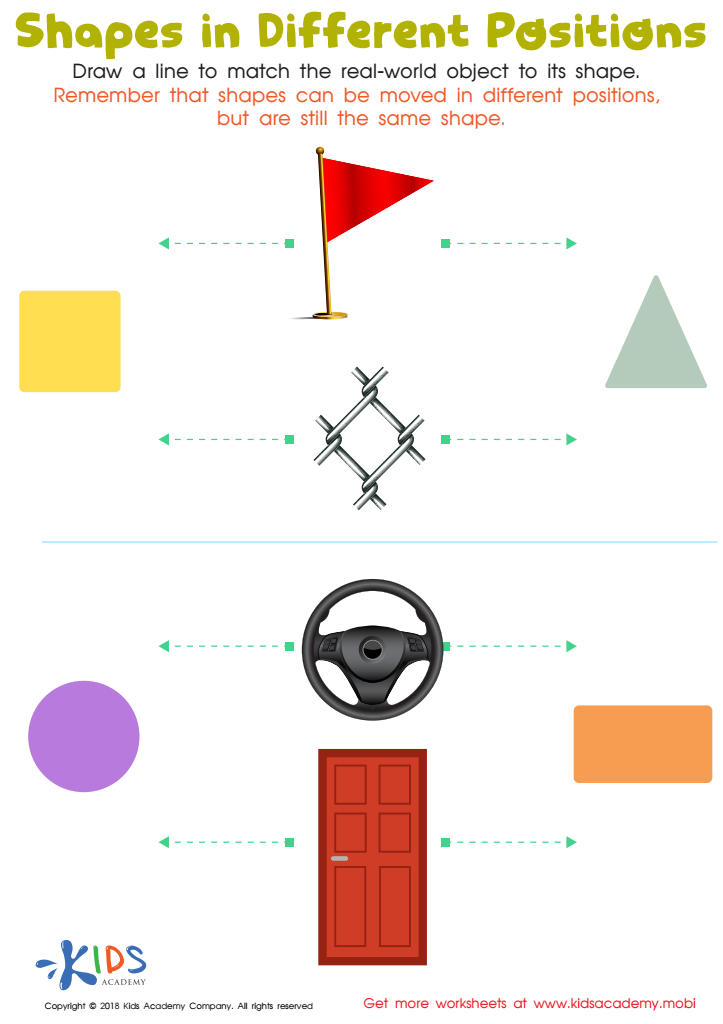
Shapes in Different Positions Worksheet
 Assign to My Students
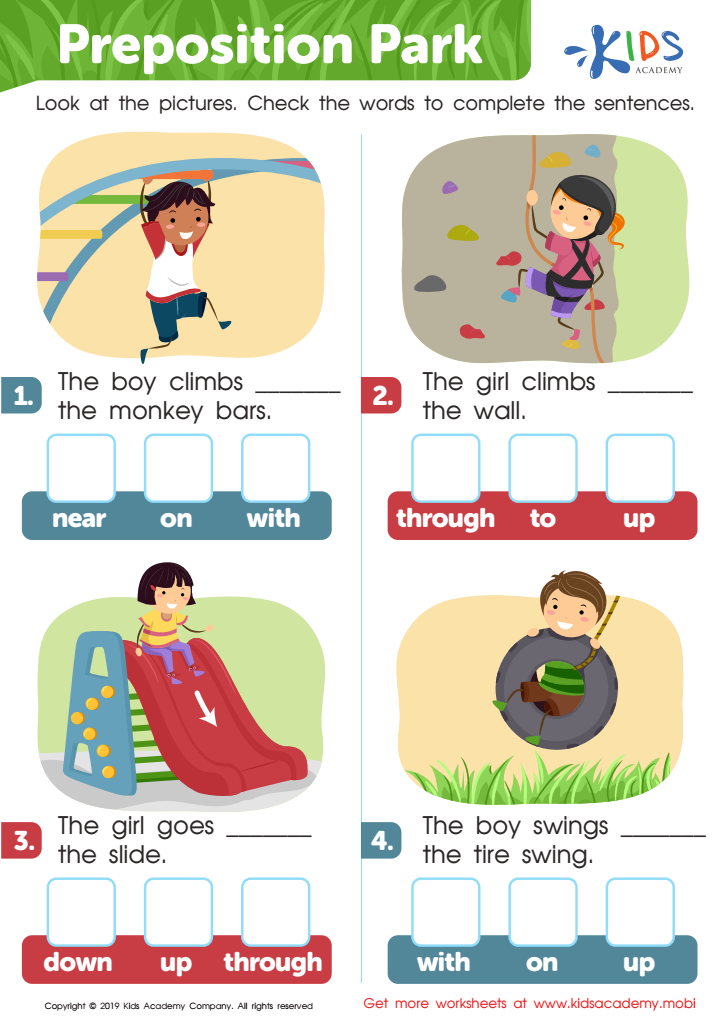
Preposition Park Worksheet
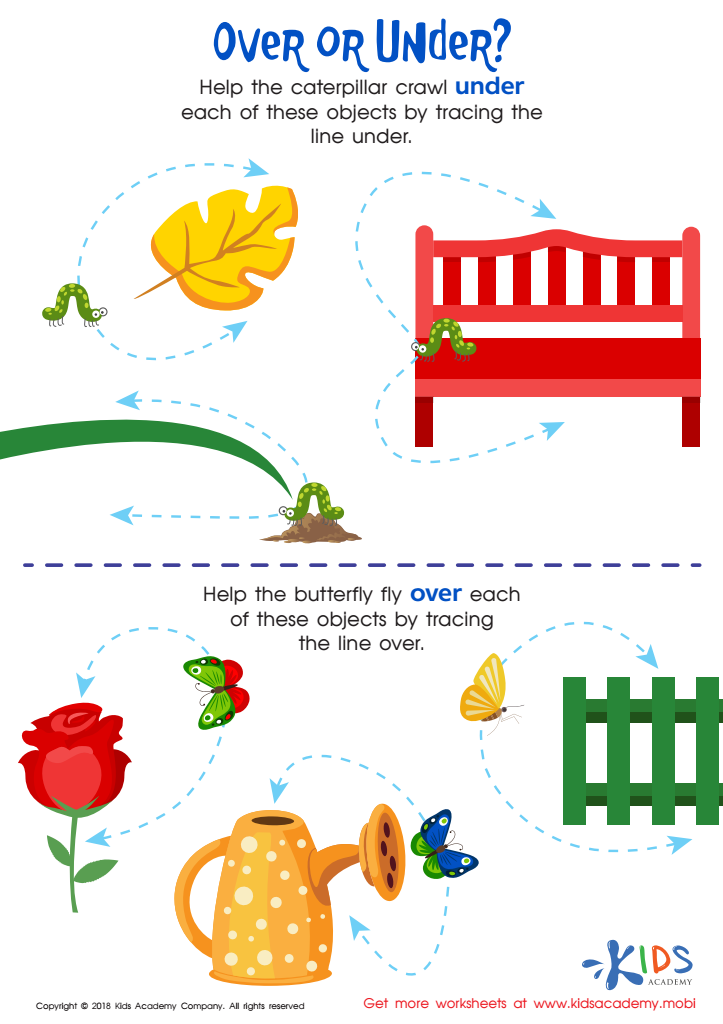
Over or Under? Worksheet
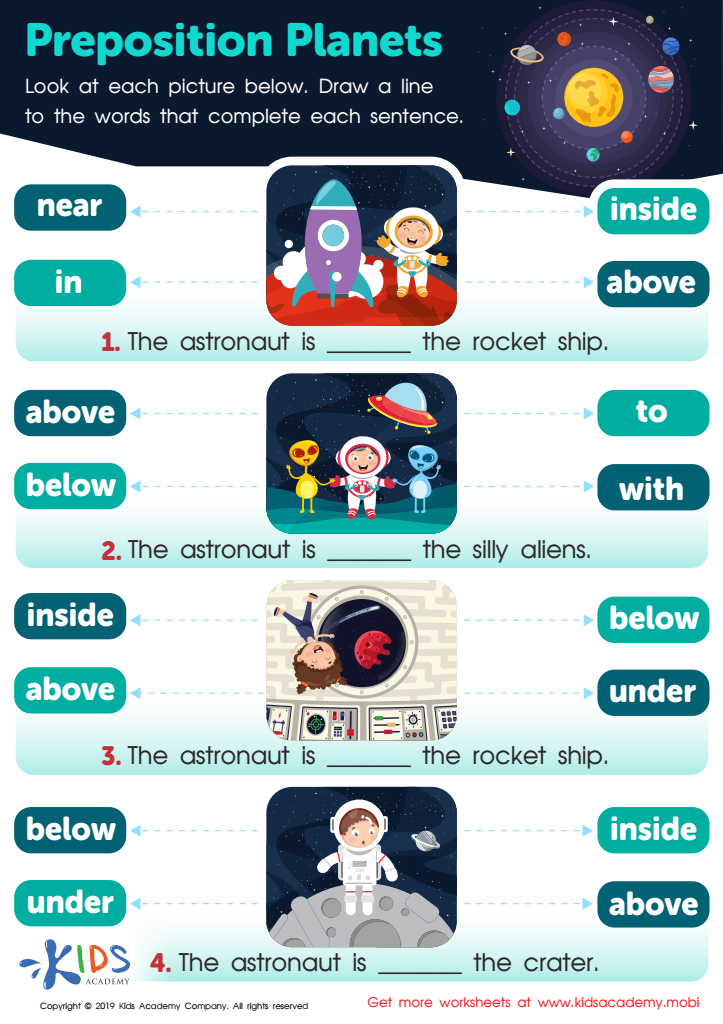
Preposition Planets Worksheet
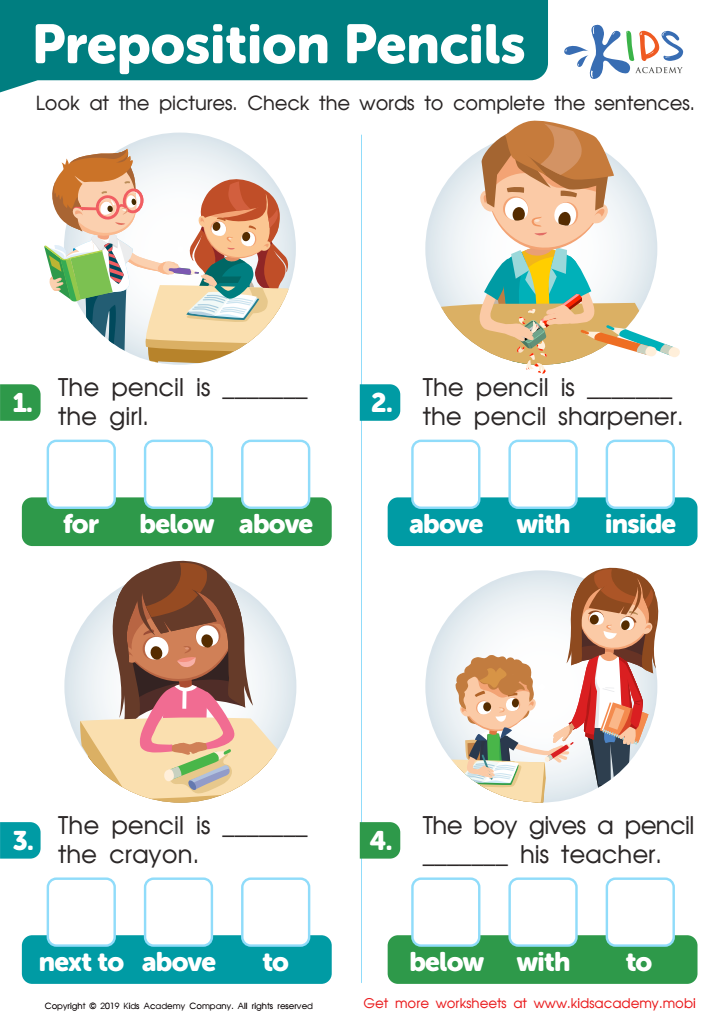
Preposition Pencils Worksheet
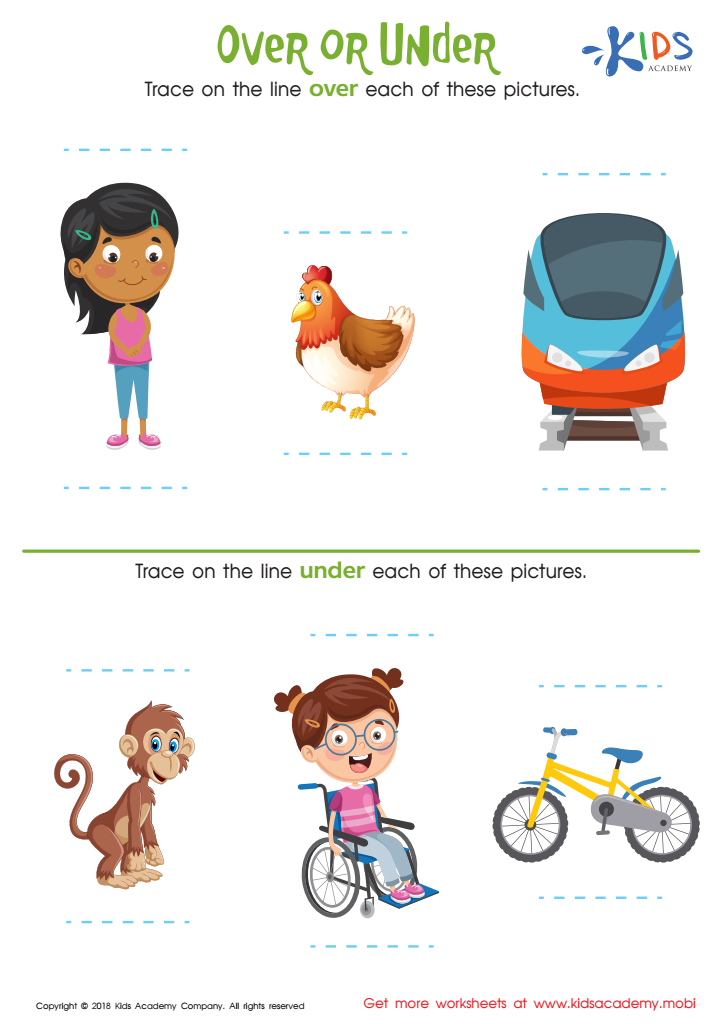
Over or Under Worksheet
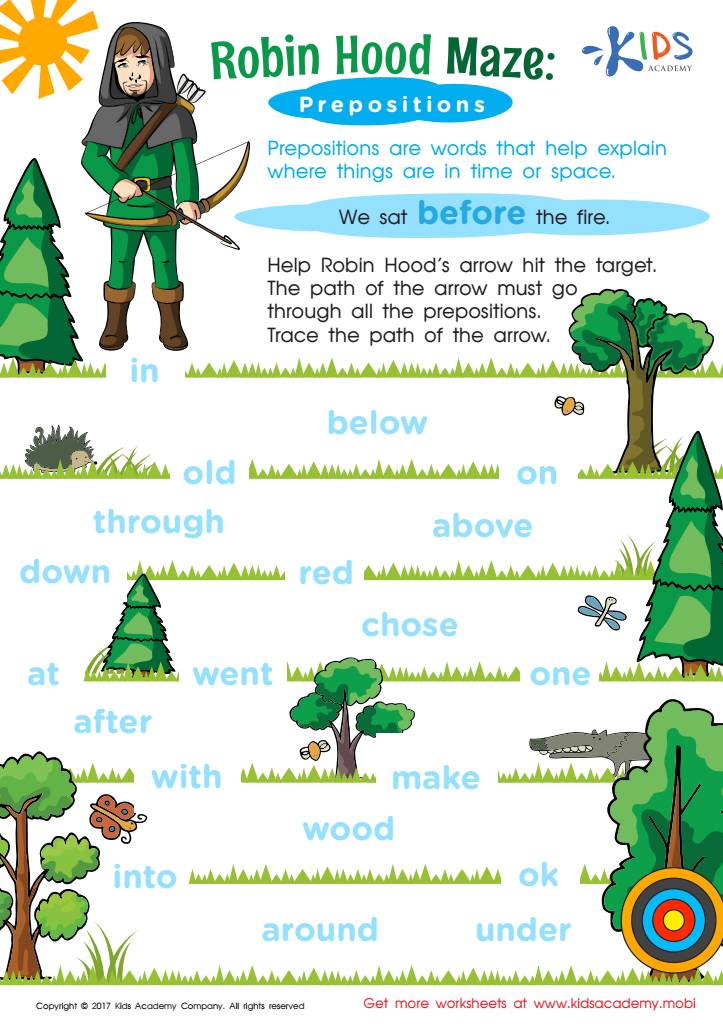
Prepositions Worksheet
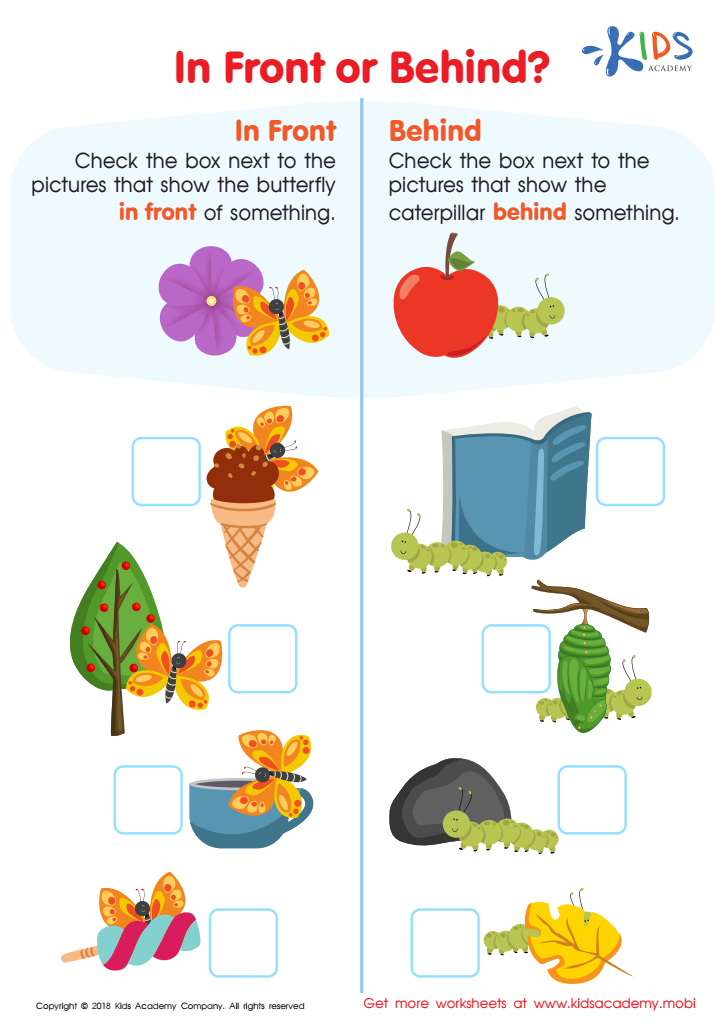
In Front or Behind Worksheet
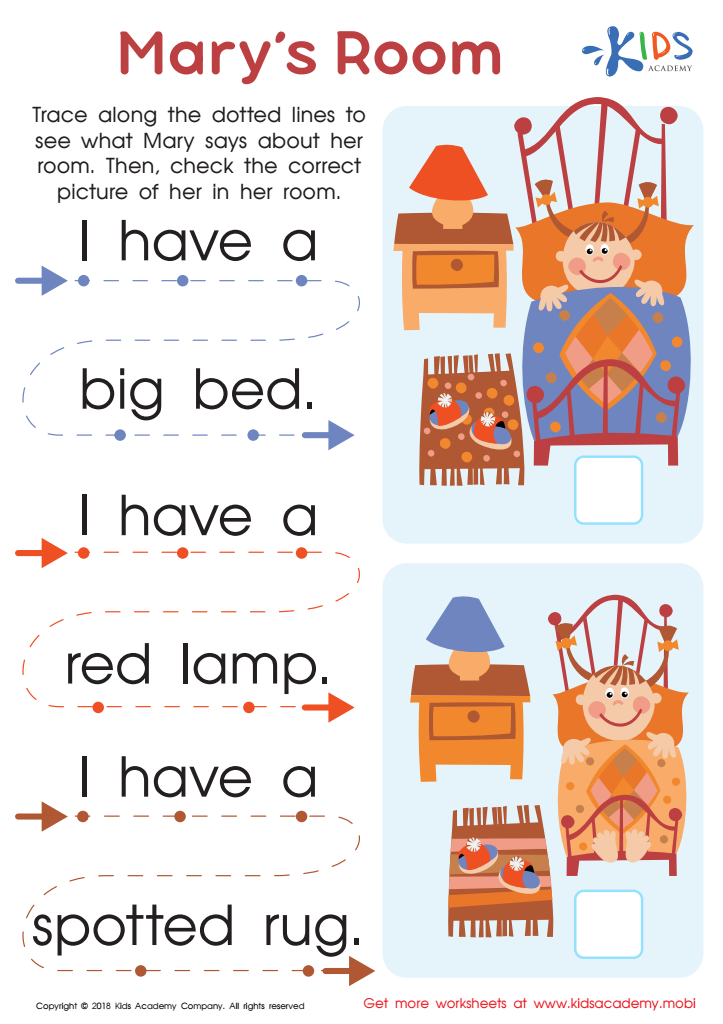
Mary's Room Worksheet
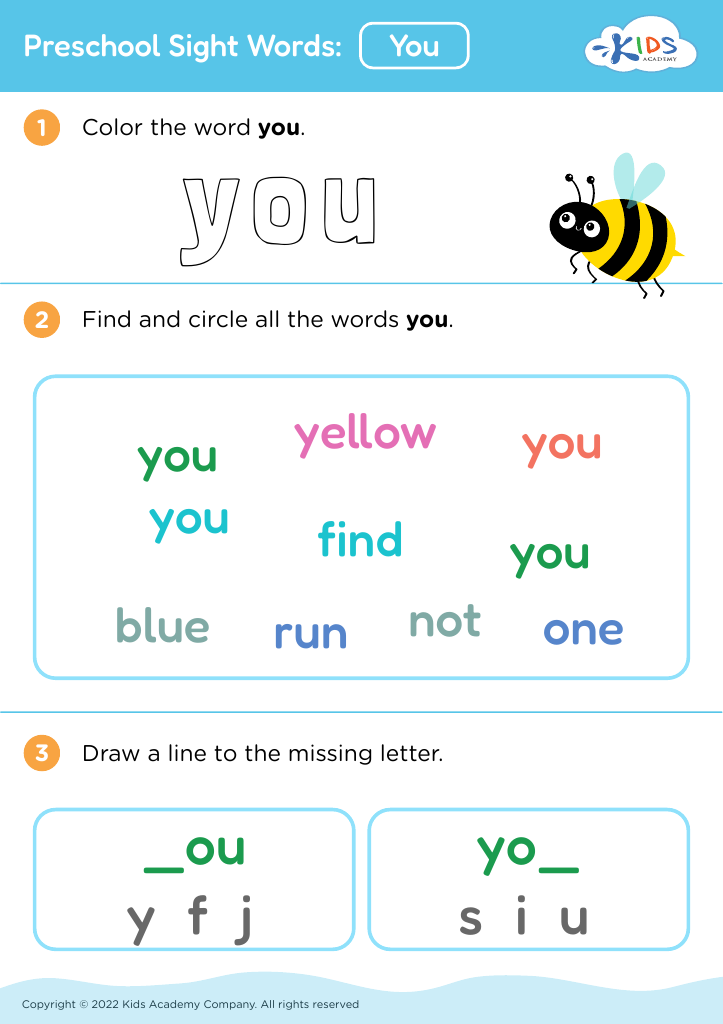
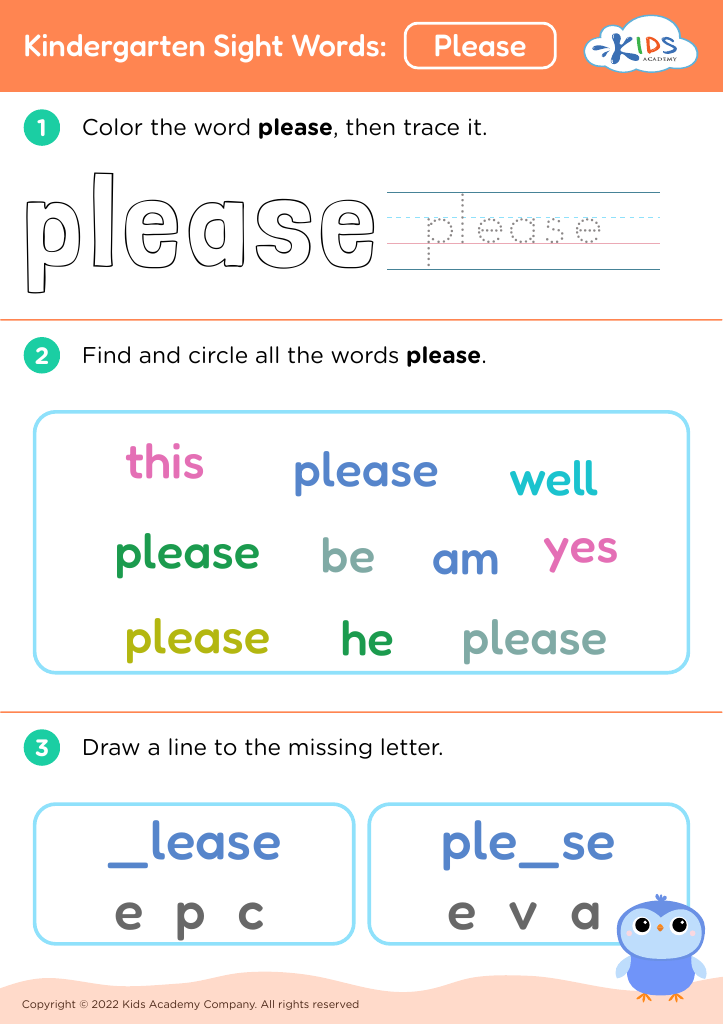







Understanding prepositions is crucial for children aged 4-8 as it significantly impacts their language development, cognitive skills, and comprehension abilities. Prepositions are words that show the relationship between objects, people, and places, such as "in," "on," "under," and "between." Mastering these words helps young children more accurately describe their surroundings and interactions, fostering better communication skills. For example, knowing the difference between "the book on the table" and "the book under the table" enhances their ability to follow directions, engage in conversations, and understand stories.
Moreover, a good grasp of prepositions supports cognitive development by helping children organize their thoughts and understand spatial relationships. These skills are essential for problem-solving, following multi-step instructions, and engaging in age-appropriate tasks, such as puzzles and games. In educational settings, children who are comfortable using prepositions can excel in reading comprehension and writing activities, contributing to their overall academic success.
For parents and teachers, encouraging activities that incorporate prepositions, such as storytelling or interactive games, becomes a vital tool in laying the foundation for literacy and effective communication. By prioritizing this aspect of language education, they set children on a path towards greater linguistic competence and cognitive growth, equipping them with the skills they need for future learning and social interactions.








