Understanding quantity Worksheets for Ages 4-8 - Page 2
31 filtered results
-
From - To
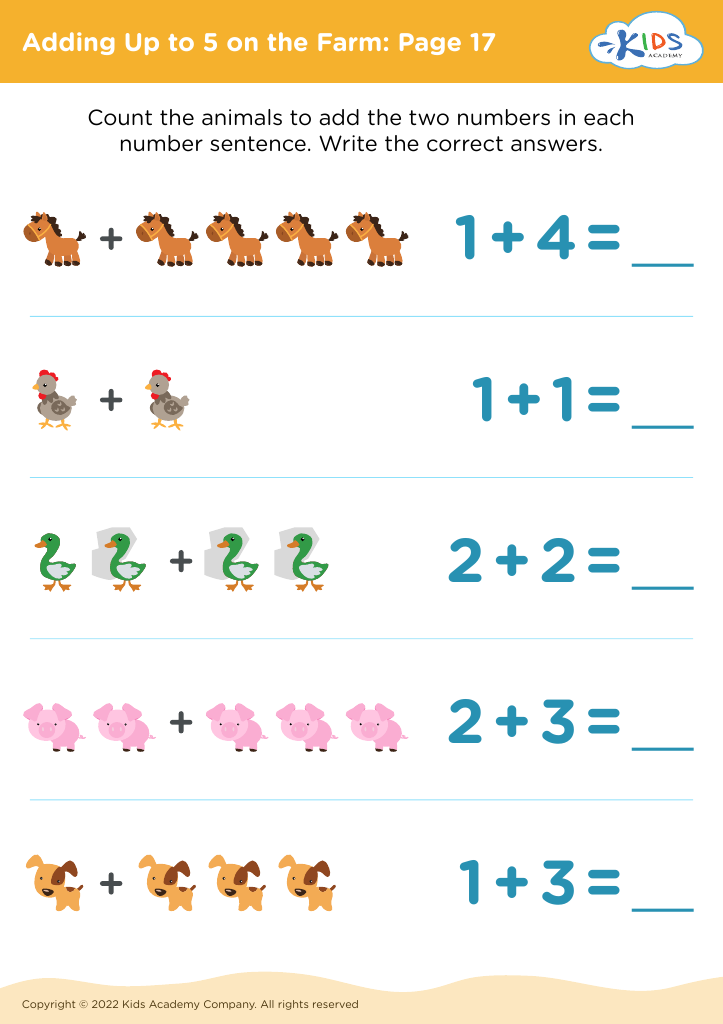
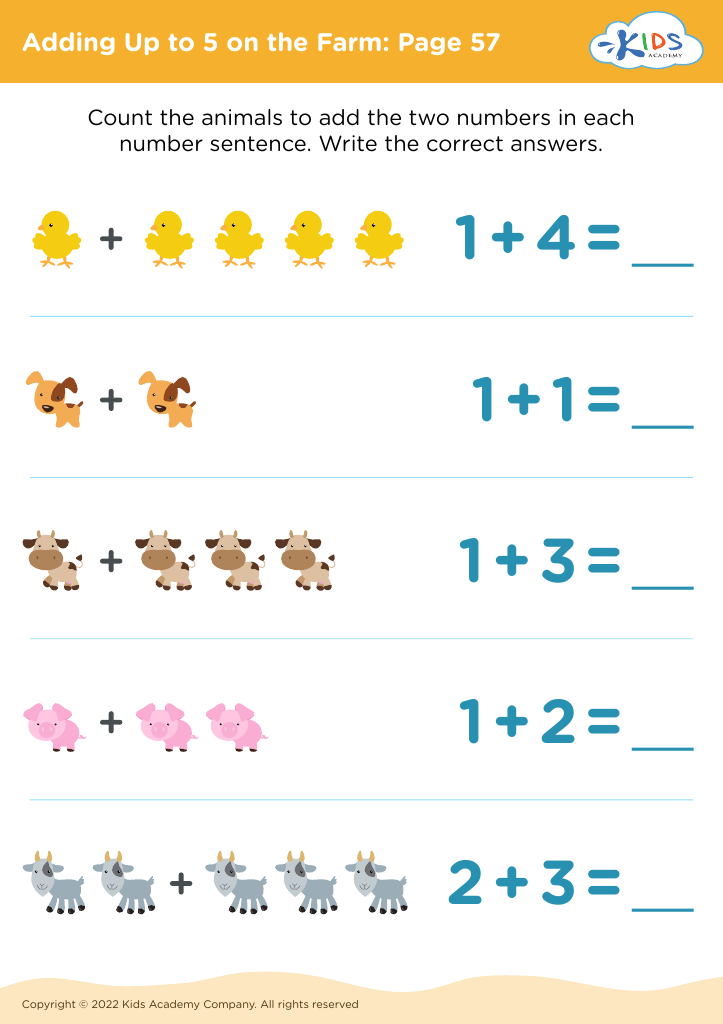
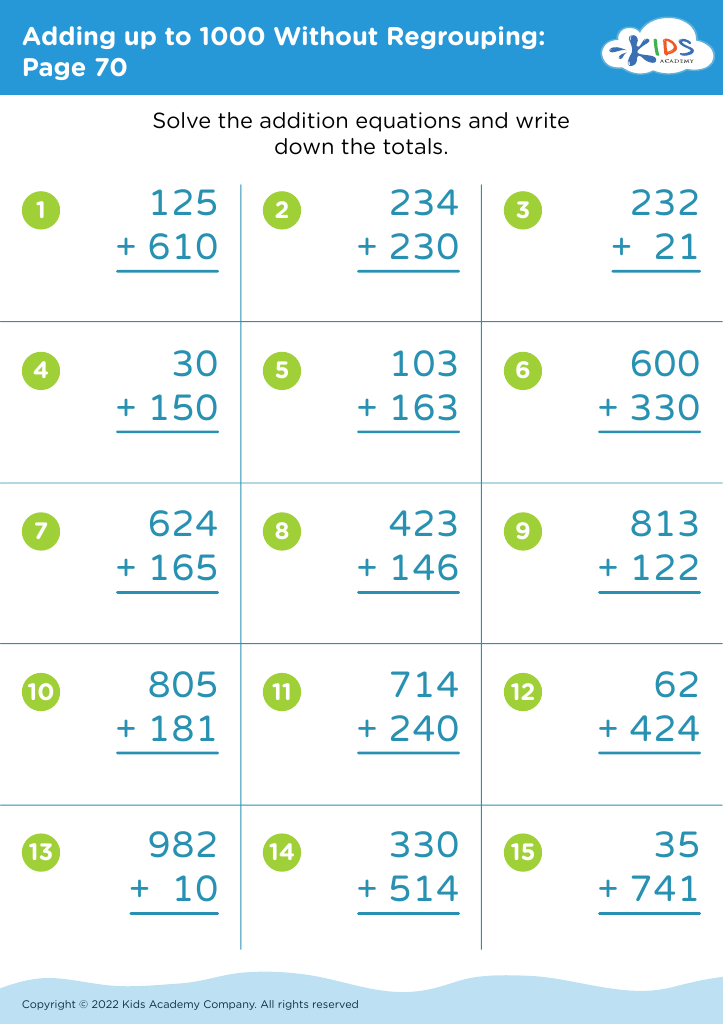
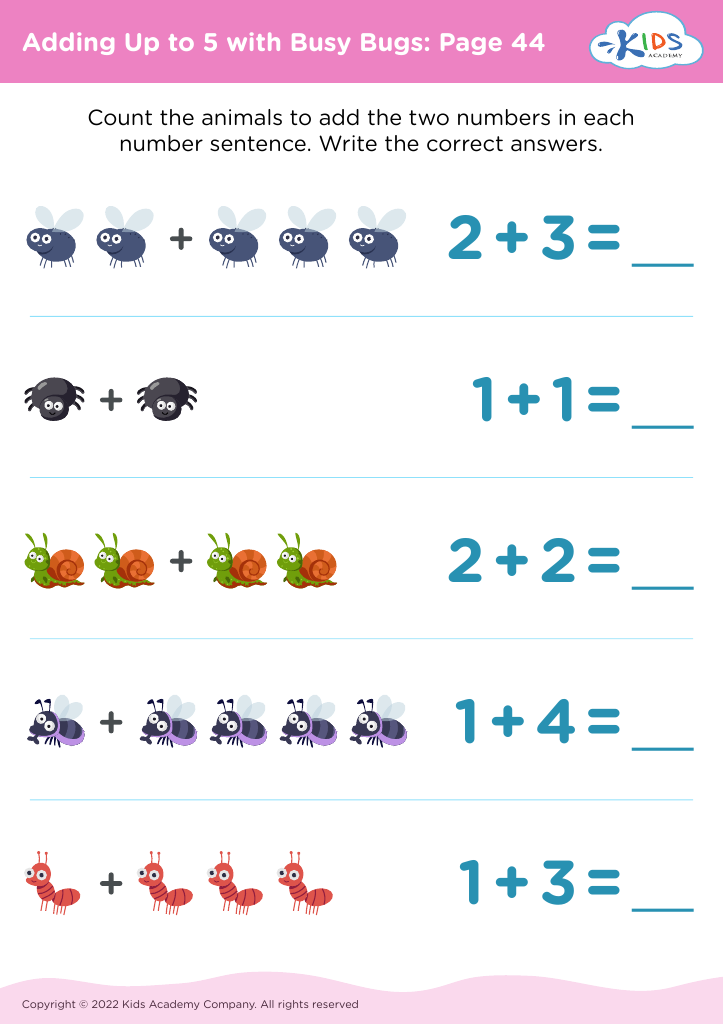
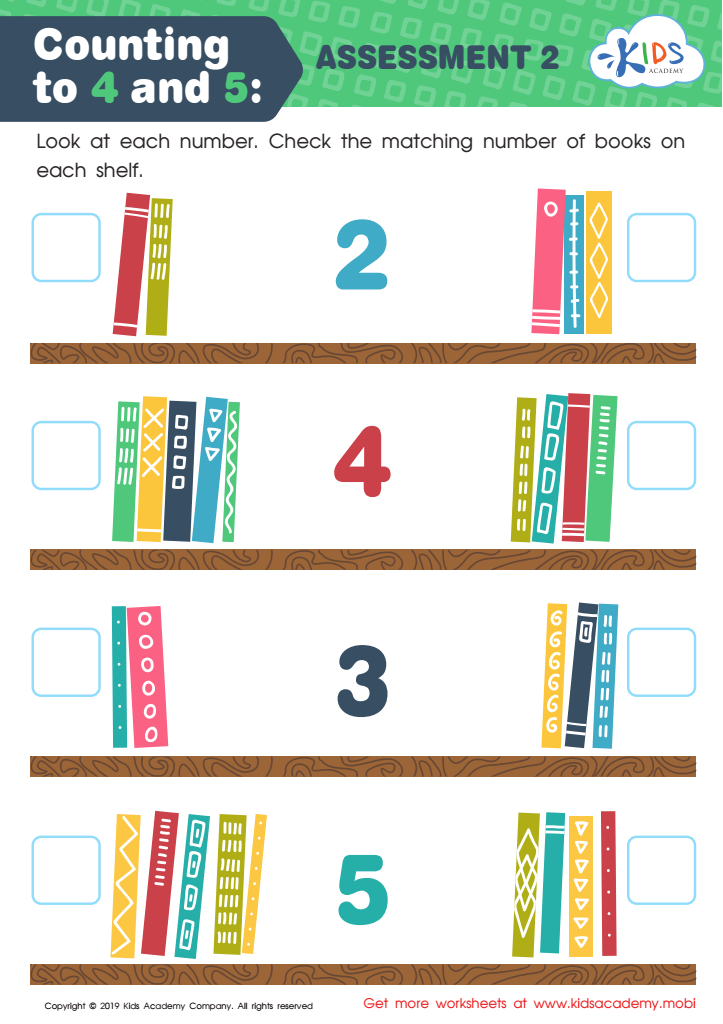
Counting to 4 and 5: Assessment 2 Worksheet
 Assign to My Students
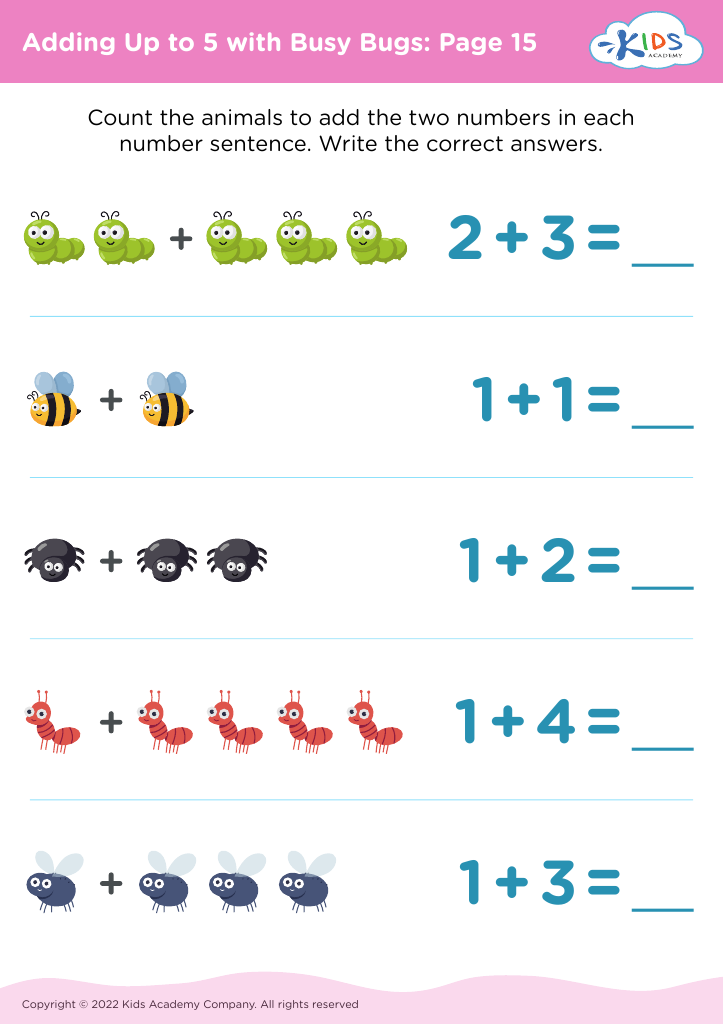
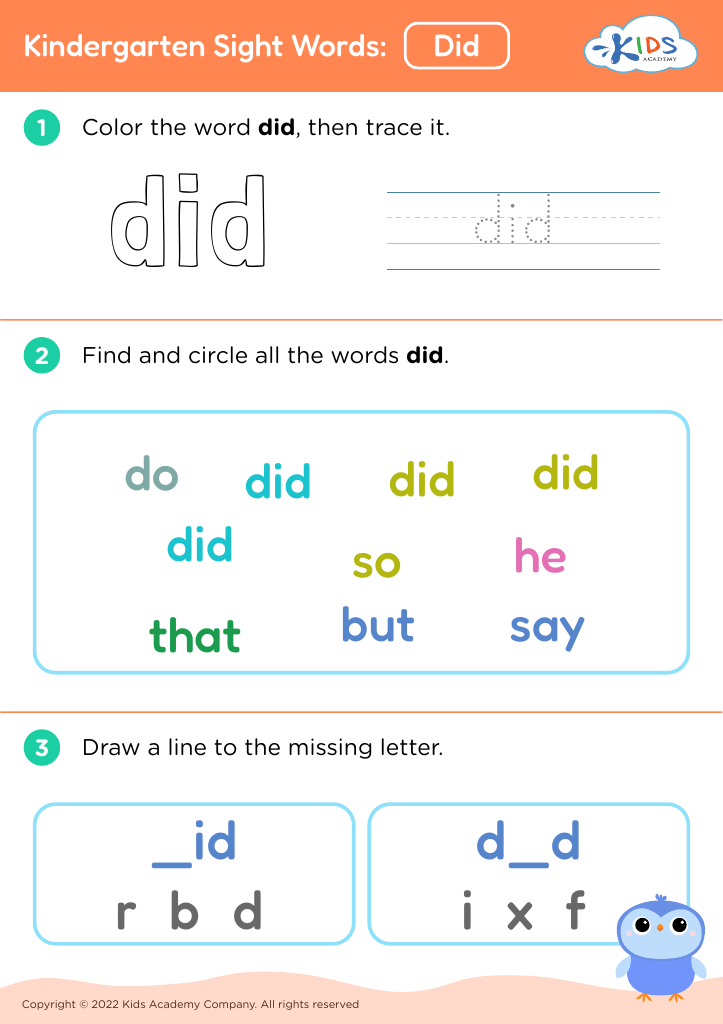






Understanding quantity is a foundational skill for children ages 4-8, forming the basis for future mathematical learning and critical thinking. During these formative years, children begin to develop essential concepts of number recognition, counting, and the relationship between numbers and the quantities they represent. This skill set is vital not only for academic success but also for everyday life.
Parents and teachers play a crucial role in fostering this understanding. Children who grasp the concept of quantity are better equipped to solve problems, interpret data, and manage tasks that involve measurement and comparison. By focusing on quantity, educators can help children recognize patterns and develop logical reasoning skills.
Moreover, early mastery of this concept promotes confidence in math, reducing anxiety associated with the subject later on. This early commitment to understanding quantity instills a sense of curiosity, encouraging children to explore their environment and engage with numbers in practical ways, such as counting objects or sorting items.
Fostering an understanding of quantity through engaging activities enhances cognitive development and lays the groundwork for more complex mathematical concepts in the future, ultimately preparing children for success in both their academic and personal lives. Understanding quantity will enhance their problem-solving and analytical skills throughout their education.








