Visual-motor skills Worksheets for Ages 4-8
6 filtered results
-
From - To
Enhance your child's visual-motor skills with our engaging worksheets designed for ages 4-8! These printables provide fun and interactive activities that help develop essential coordination between sight and movement. Through tracing, drawing, and cutting exercises, children will improve their fine motor skills, hand-eye coordination, and overall cognitive development. Our user-friendly worksheets cater to various skill levels, ensuring a perfect fit for every learner. Foster creativity and critical thinking while keeping learning enjoyable! Explore our collection now to empower your child's growth and boost their confidence in mastering vital visual-motor skills essential for future academic success. Perfect for home or classroom use!
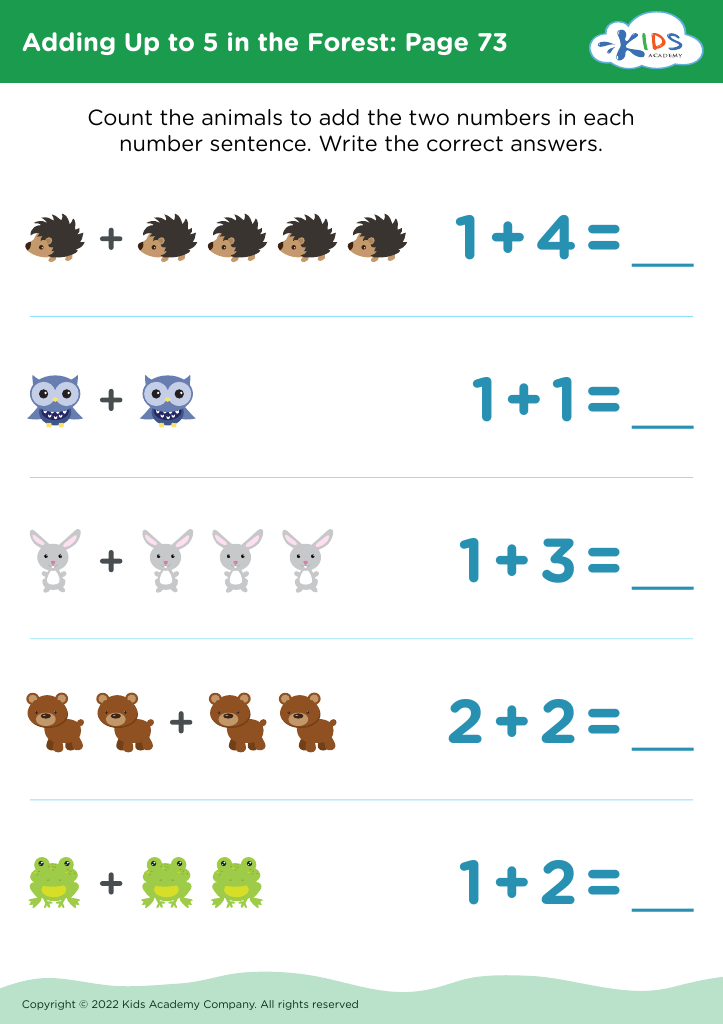
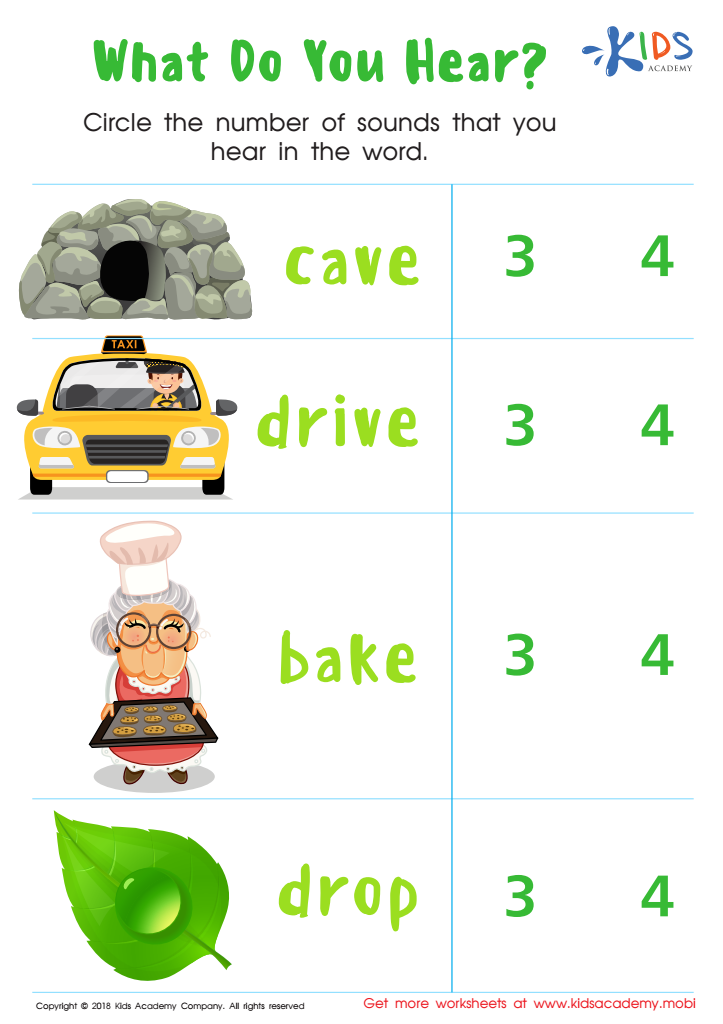
What Do You Hear? Worksheet
 Assign to My Students
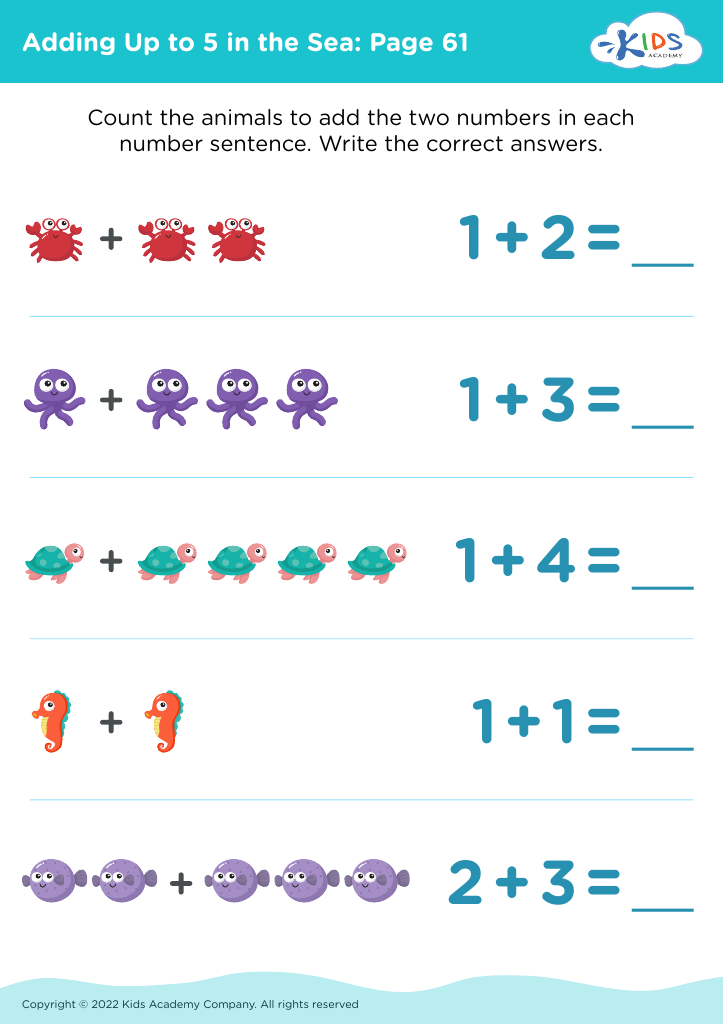
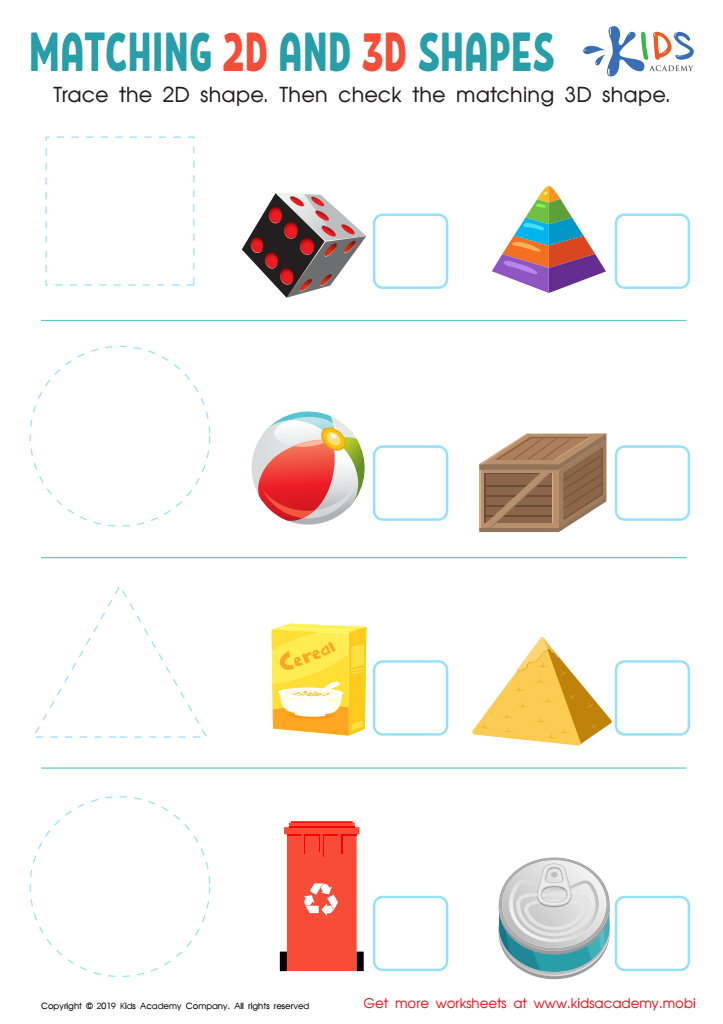
Matching 2D and 3D Shapes Worksheet







Visual-motor skills are essential for children's overall development, particularly between the ages of 4 and 8, when foundational skills are being established for future learning. These skills encompass the coordination between what a child sees and how their body responds, impacting activities ranging from handwriting to sports.
Parents and teachers should care about visual-motor skills because they significantly influence academic performance. Strong visual-motor skills enable children to copy shapes, write letters, and complete puzzles, all of which are vital for learning in early education settings. Difficulties in this area can lead to challenges in literacy and numeracy, hindering a child’s confidence and engagement in school.
Moreover, visual-motor skills play a crucial role in everyday activities, fostering independence and self-esteem as children develop the ability to tie shoelaces, draw, or engage in team sports. Regular practice through fun activities, like drawing, cutting, or playing ball games, optimally supports these abilities.
This developmental area also influences social skills, as children with strong visual-motor skills are better equipped to participate in collaborative play. Consequently, nurturing these skills sets the groundwork for a well-rounded education, cultivating resilience and a love for learning as children progress through their academic journey.








