Writing practice Worksheets for Ages 4-8
31 filtered results
-
From - To
Discover our engaging Writing Practice Worksheets designed for children ages 4-8! Our resources focus on enhancing early writing skills through fun activities tailored to young learners. Each worksheet offers age-appropriate exercises that promote letter formation, word construction, and creative expression. With colorful visuals and captivating prompts, kids will enjoy practicing their handwriting and developing essential writing techniques. Our printable worksheets help parents and teachers support language development effortlessly. Nurture your child's literacy journey and foster a love for writing with our expertly crafted materials that make learning enjoyable! Check out our diverse selection of worksheets to spark your child's creativity today!
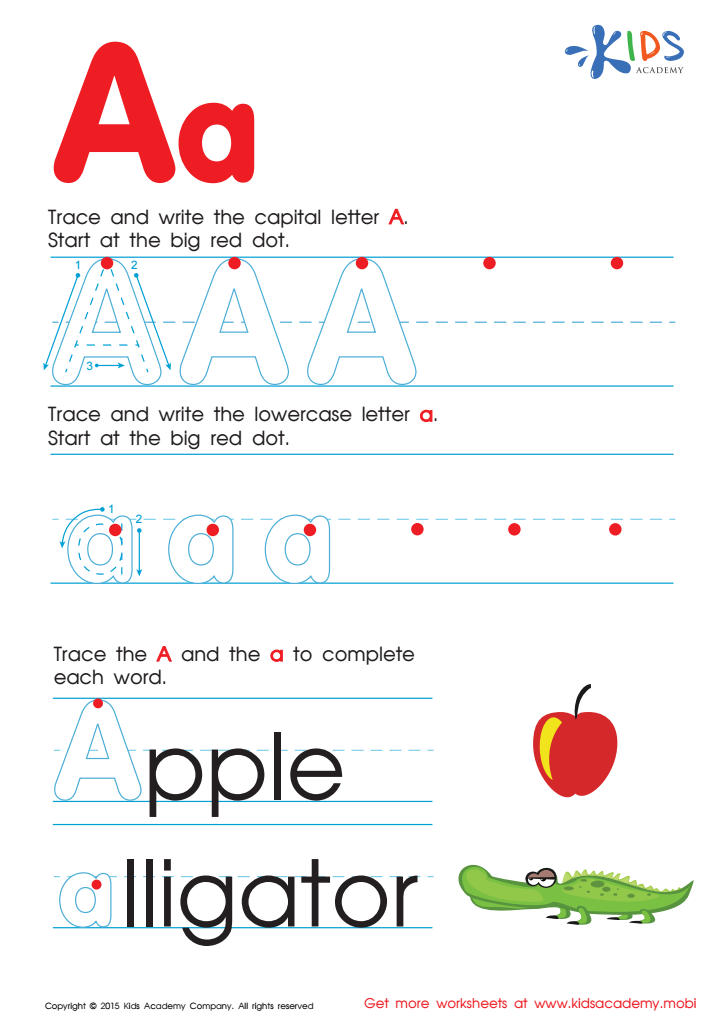
Letter A Tracing Page
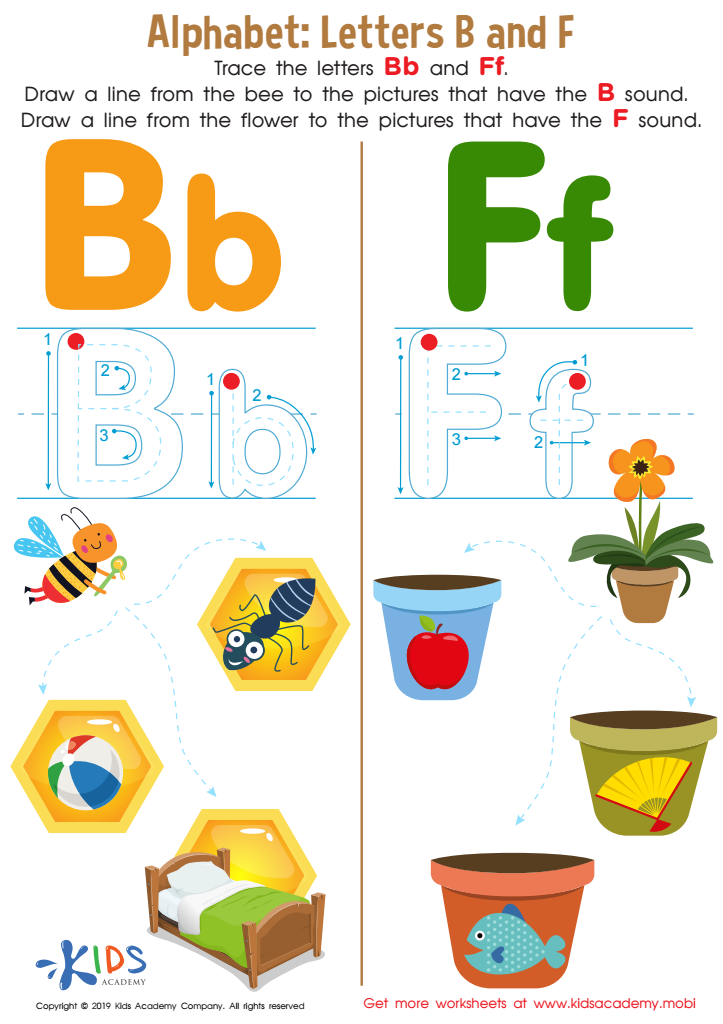
Letters B and F Tracing Worksheet
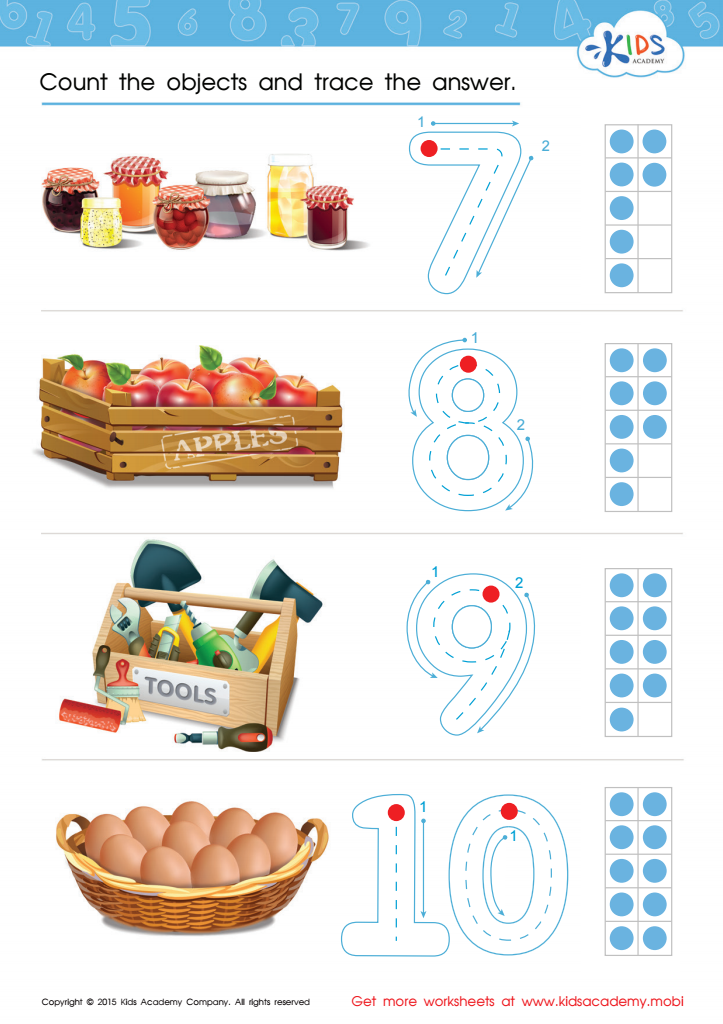
Count and Trace 7 – 10 Worksheet
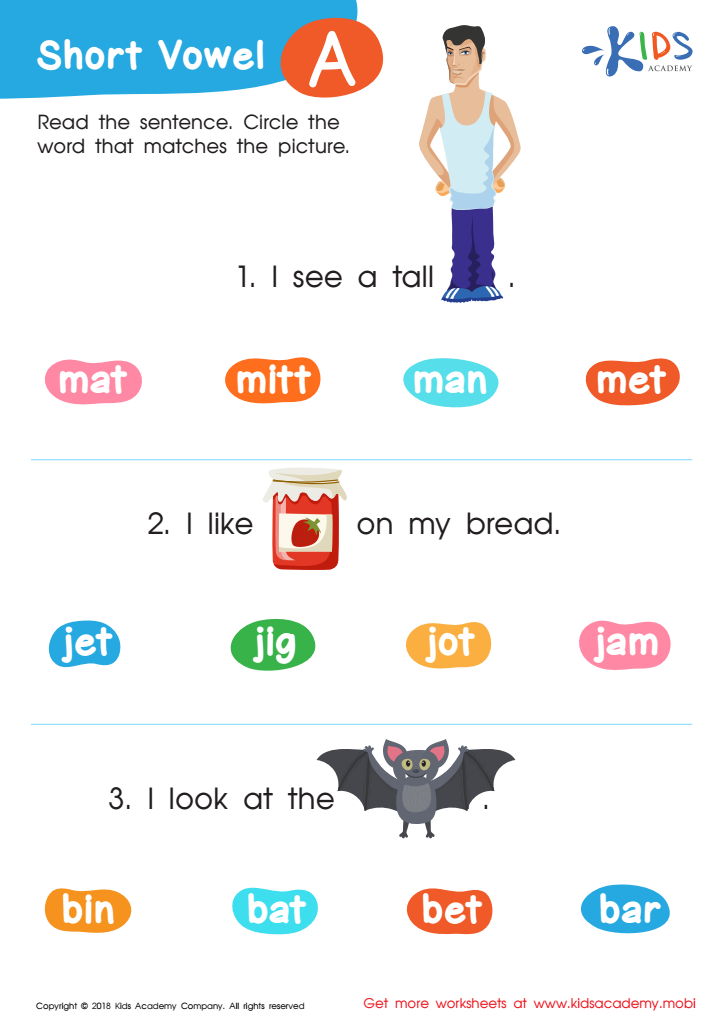
Short Vowel /a/ Worksheet
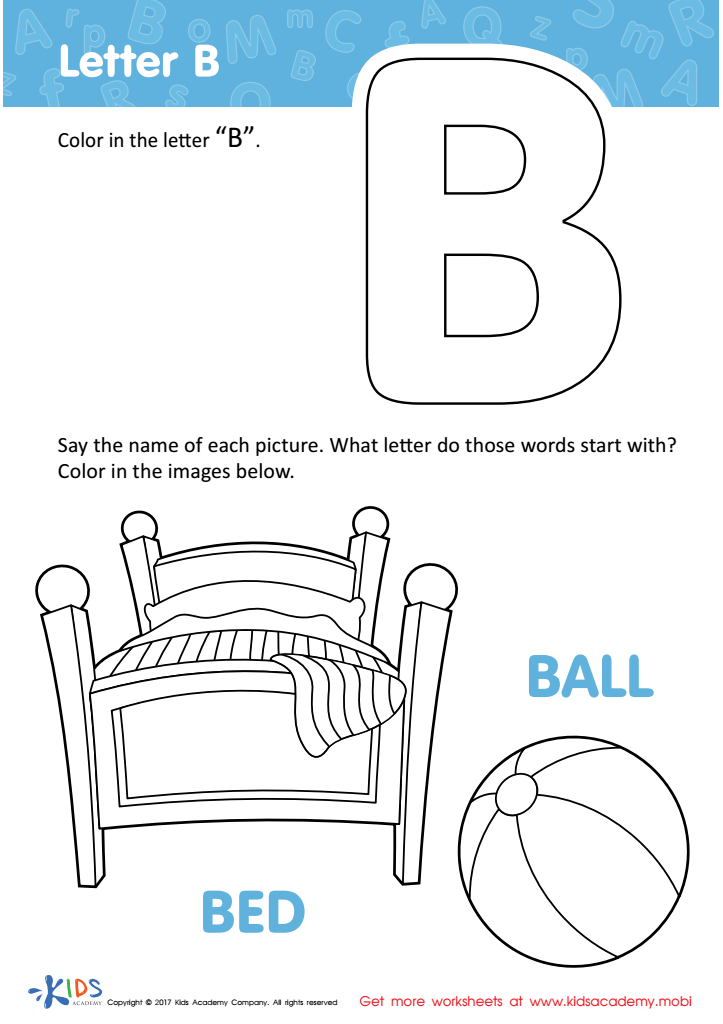
Letter B Coloring Sheet
 Assign to My Students
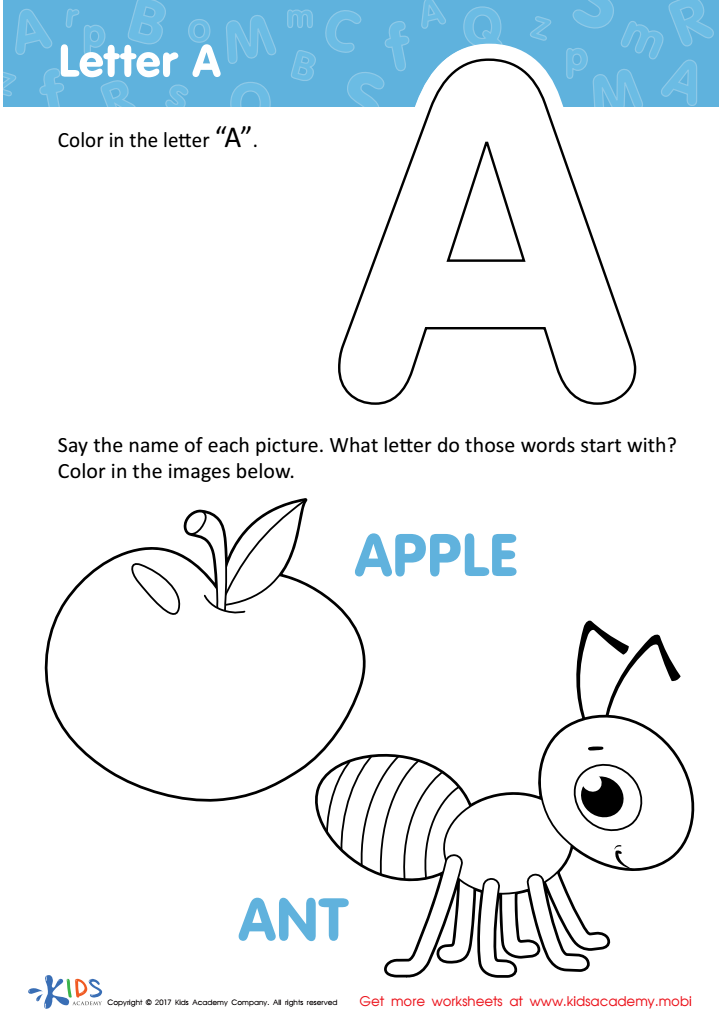
Letter A Coloring Sheet
Assign to My Students
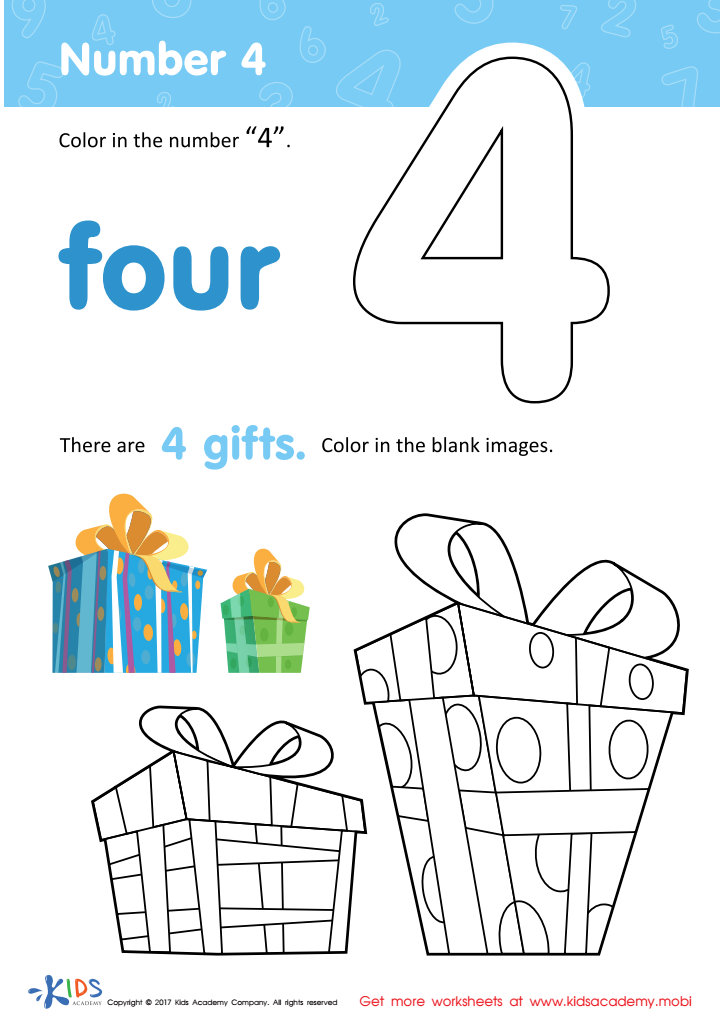
Number 4 Printable
Assign to My Students
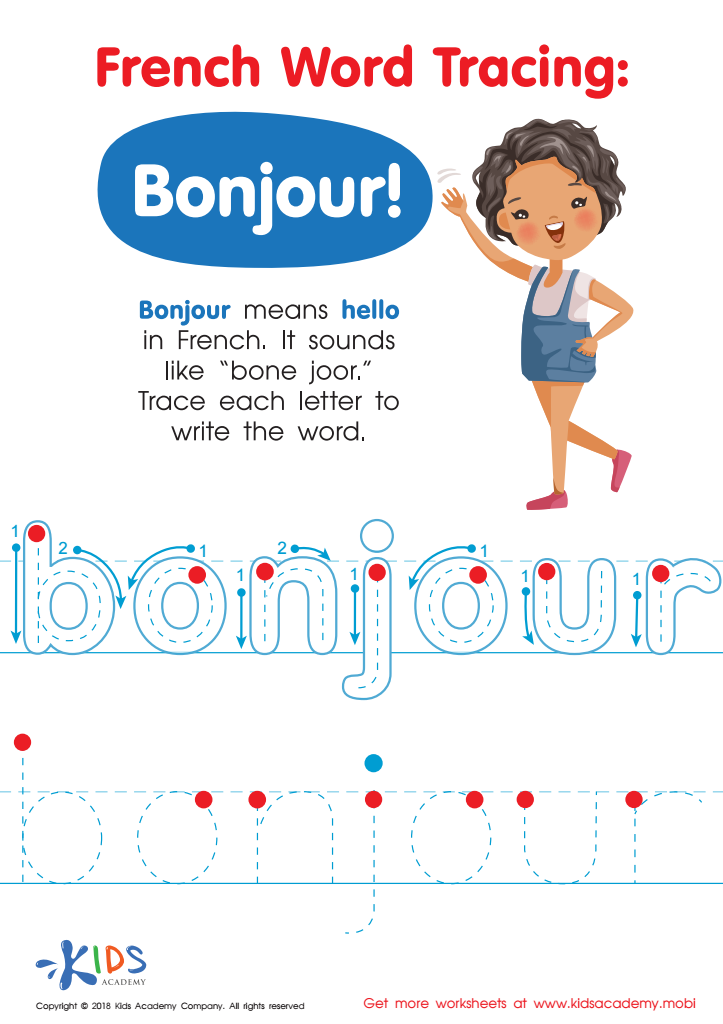
French Word Tracing: Bonjour Worksheet

Letter H Tracing Page
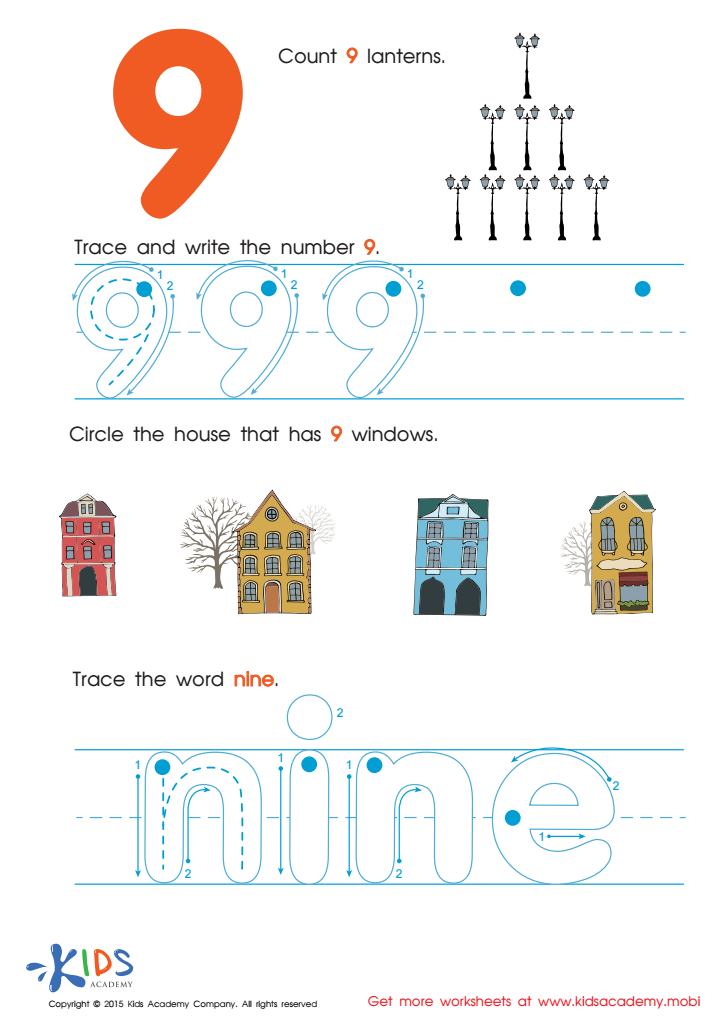
Tracing And Learning to Write Number 9 Worksheet
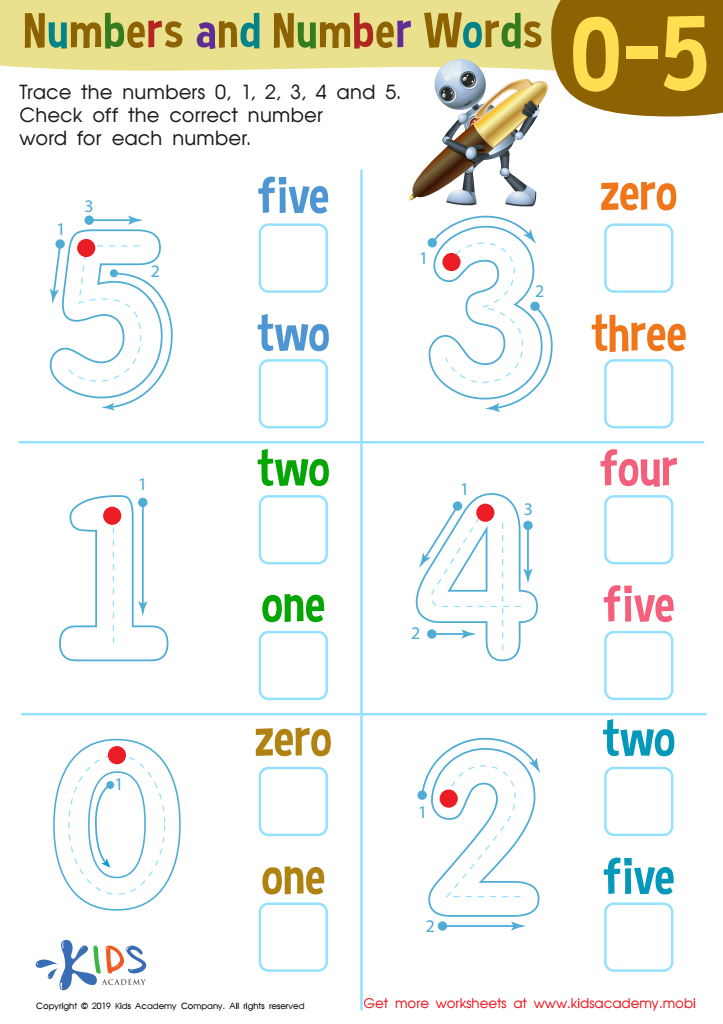
Numbers and Number Words Worksheet
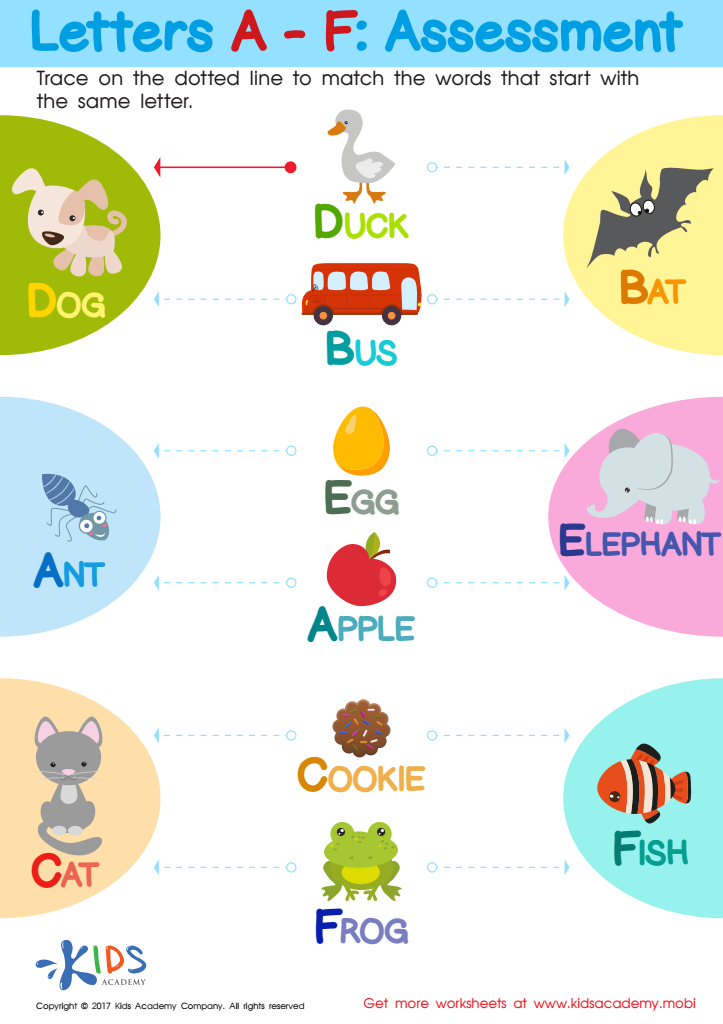
Letters A - F Worksheet
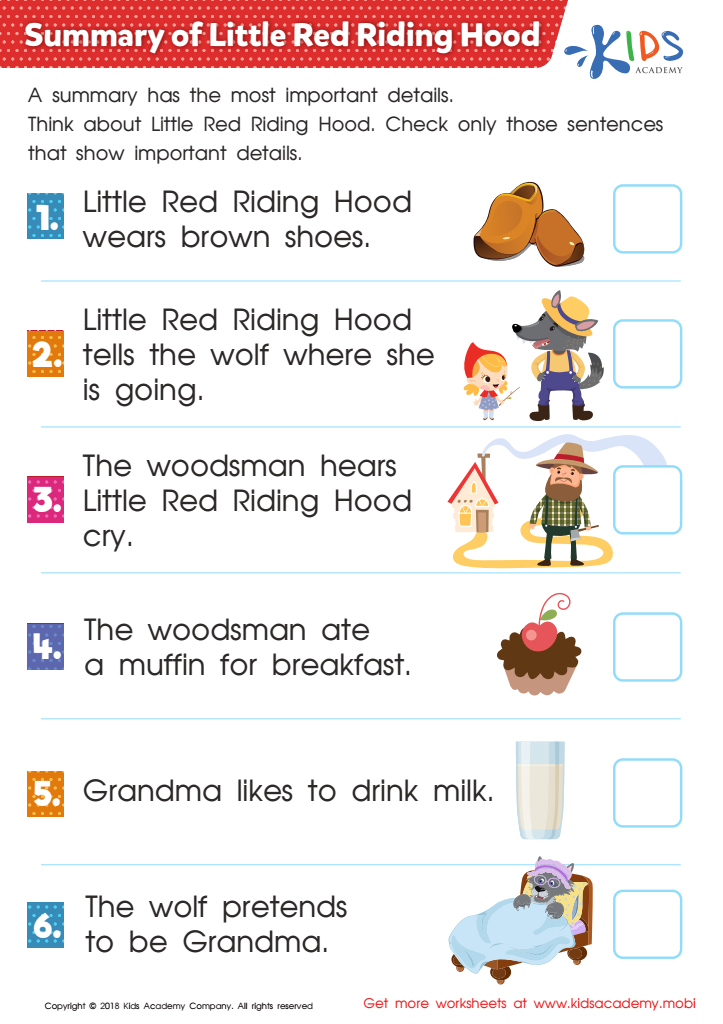
Summary of Little Red Riding Hood Worksheet
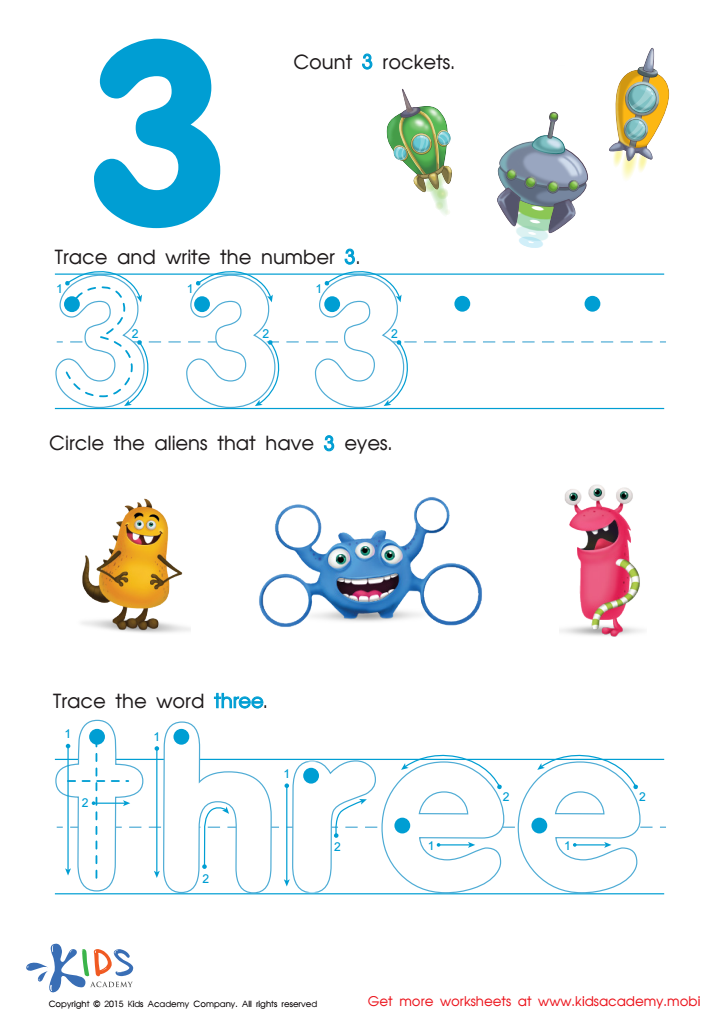
Learning Number Three Worksheet
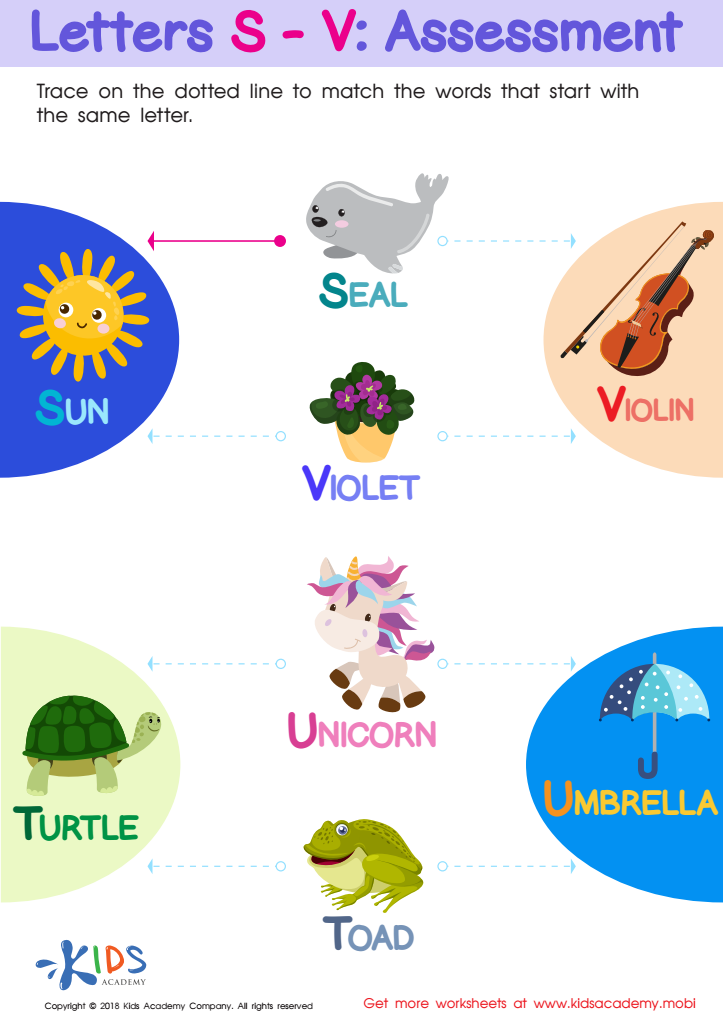
Letters S - V Tracing Worksheet
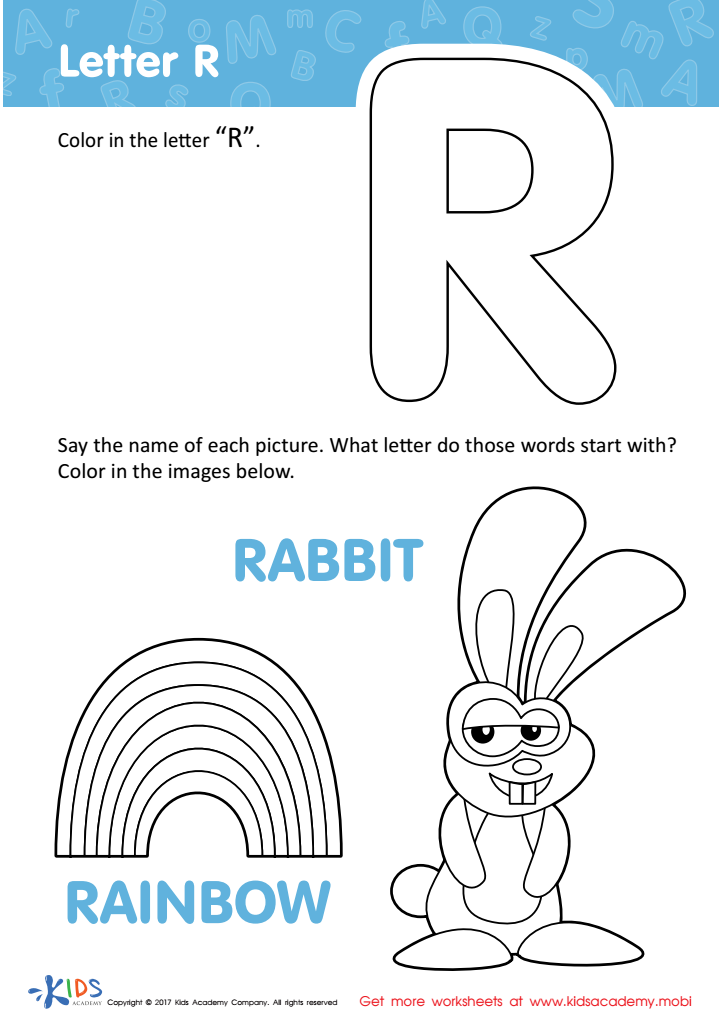
Letter R Coloring Sheet
Assign to My Students
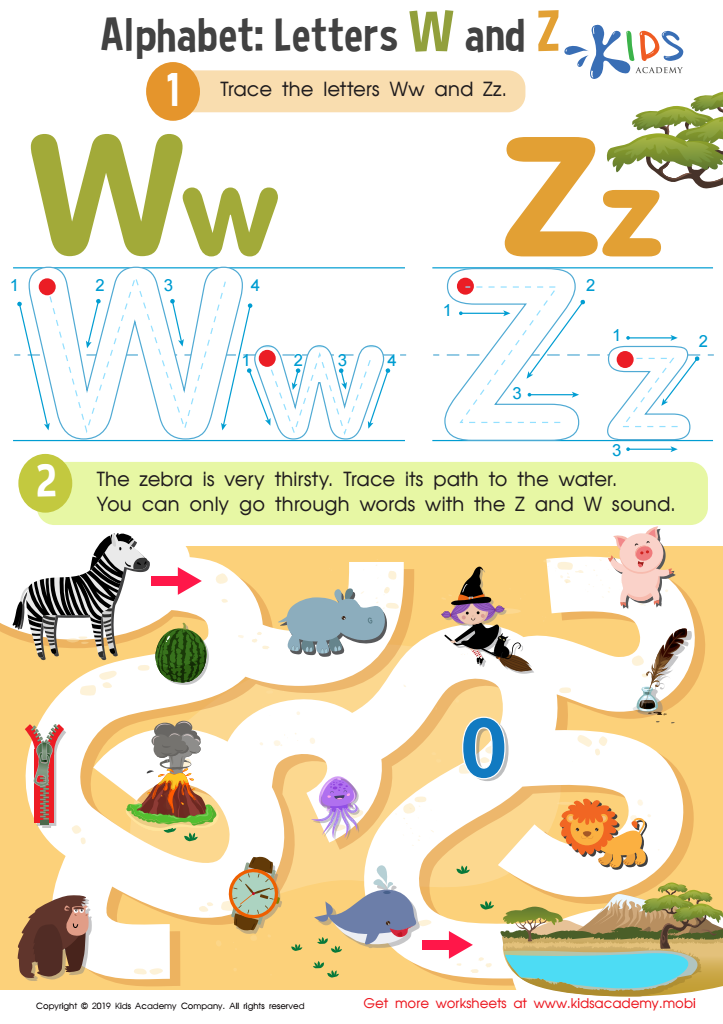
Letters W and Z Tracing Worksheet
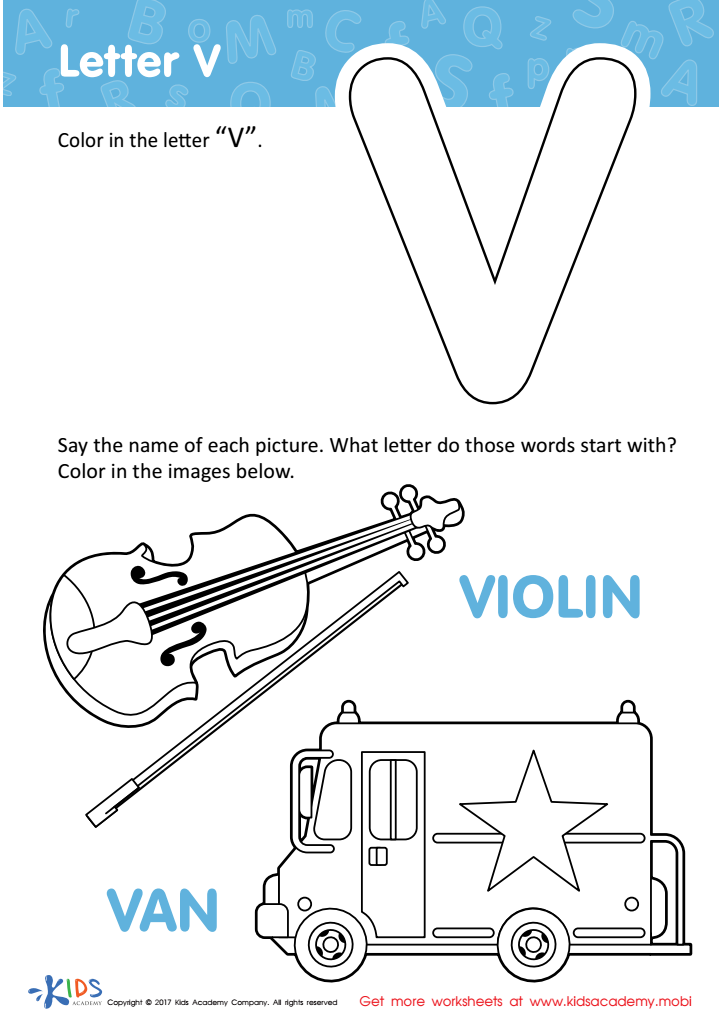
Letter V Coloring Sheet
Assign to My Students
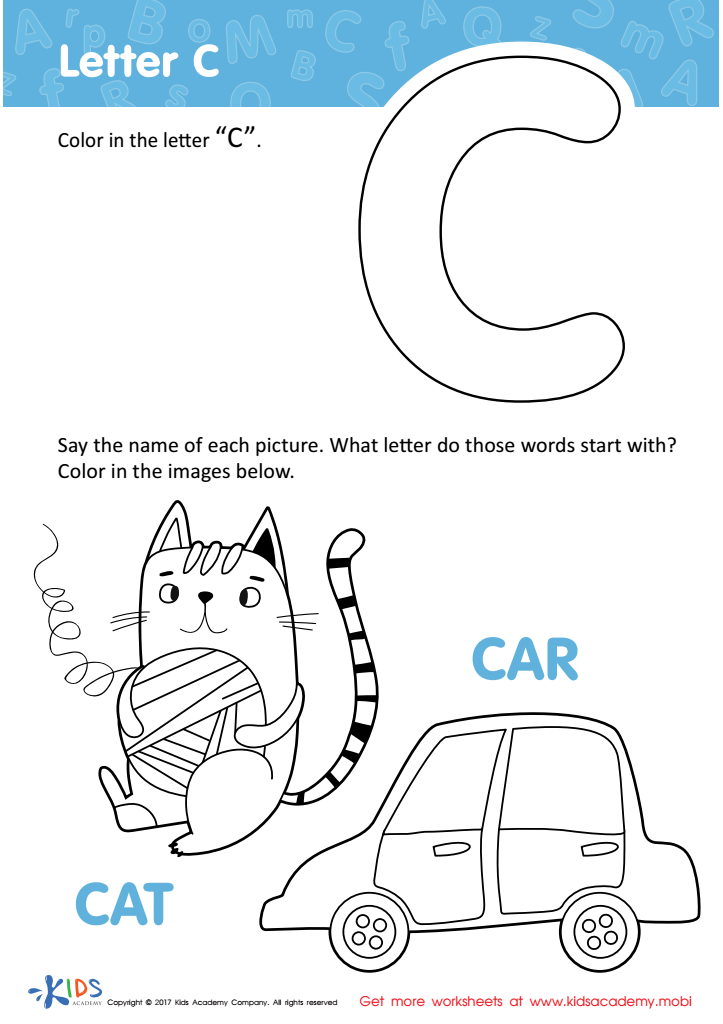
Letter C Coloring Sheet
Assign to My Students
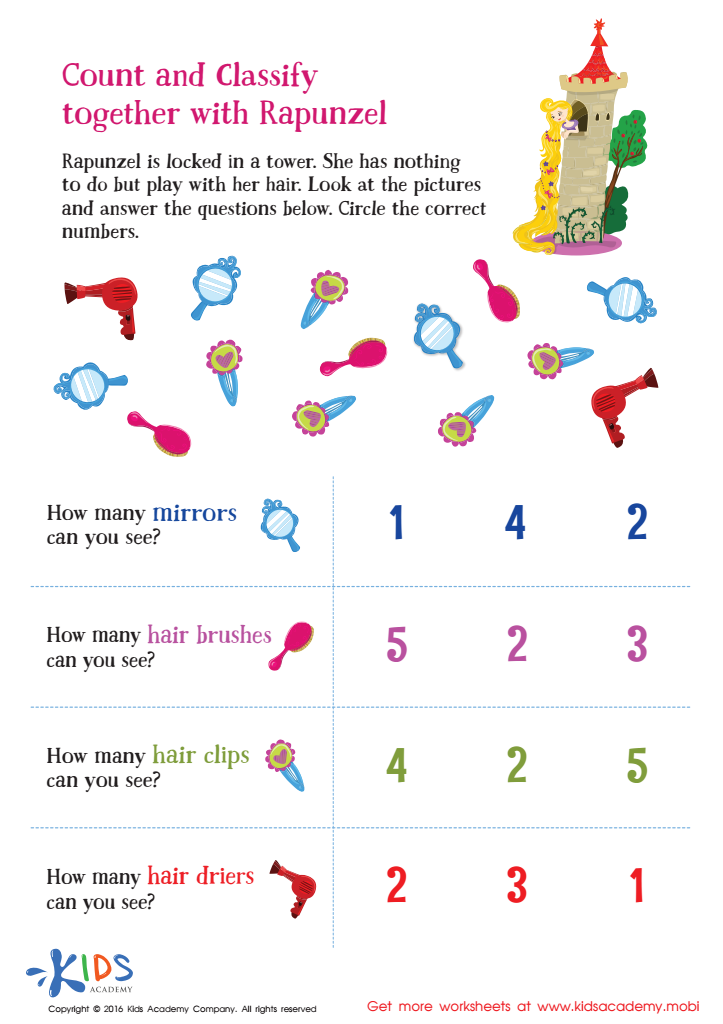
Fairy Tale Worksheet: Count and Classify with Rapunzel
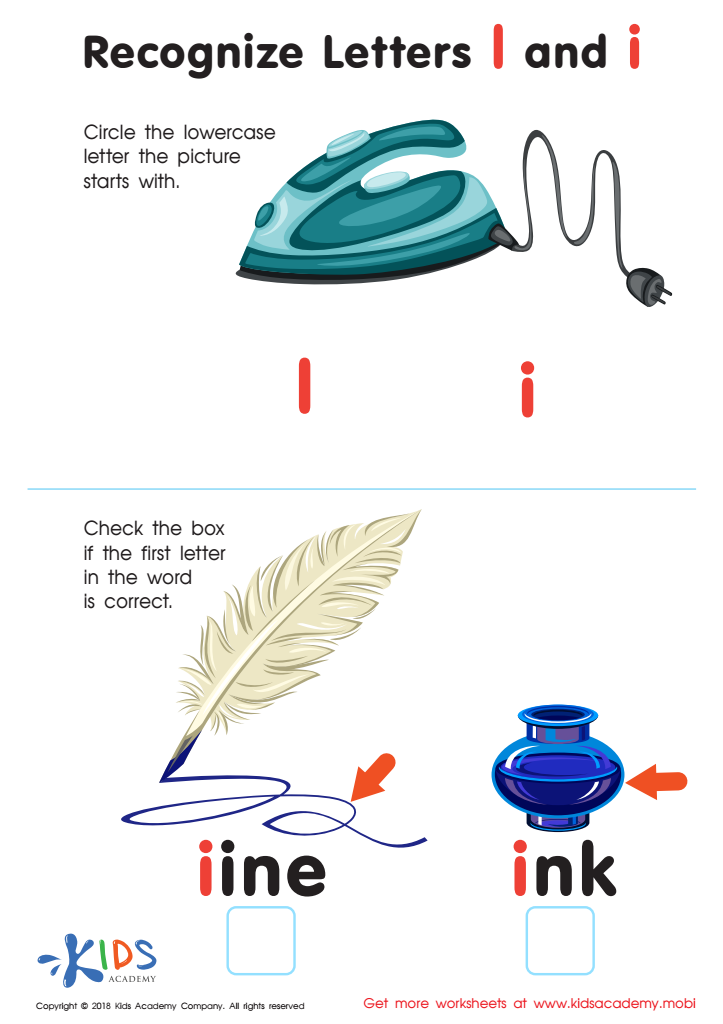
Recognize Letters l and i Worksheet
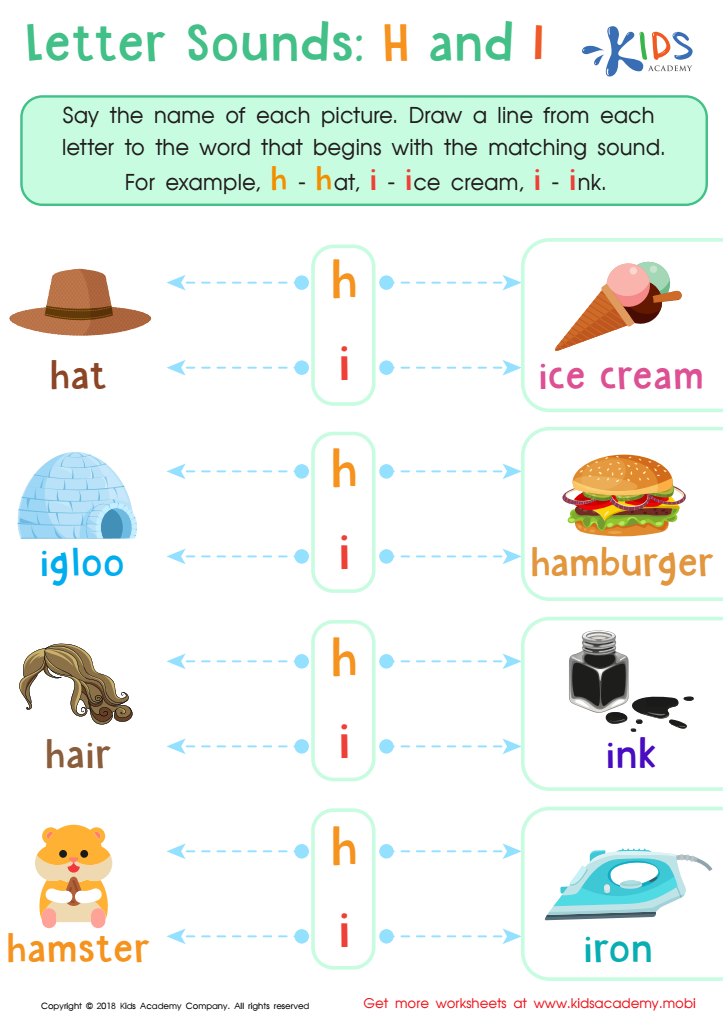
Letter H and I Sounds Worksheet
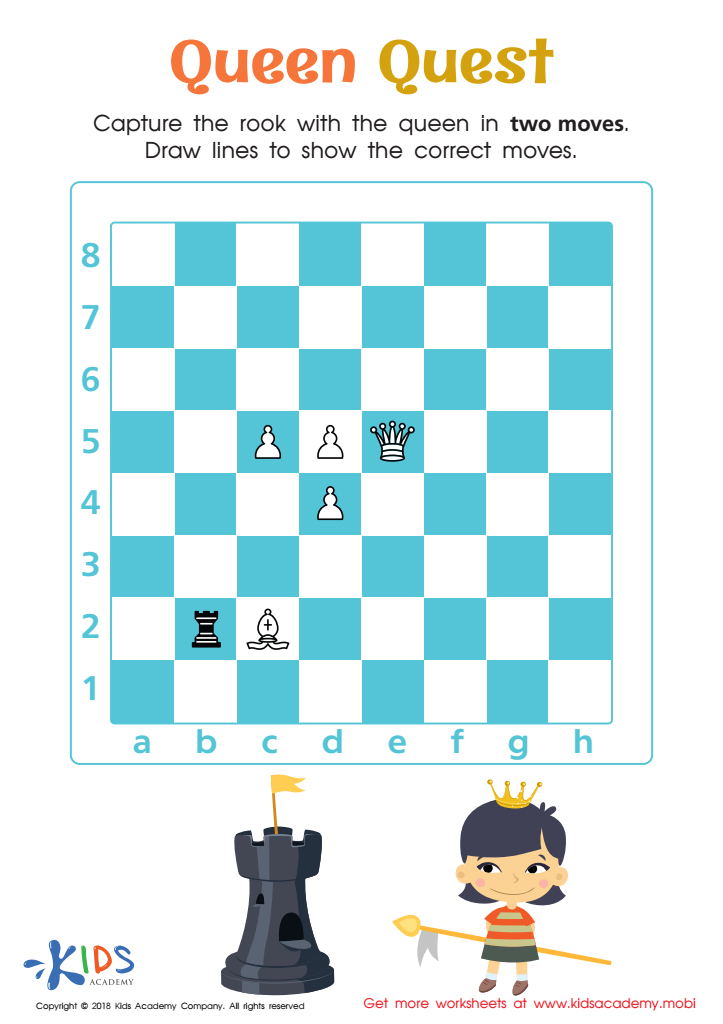
Queen Quest Worksheet
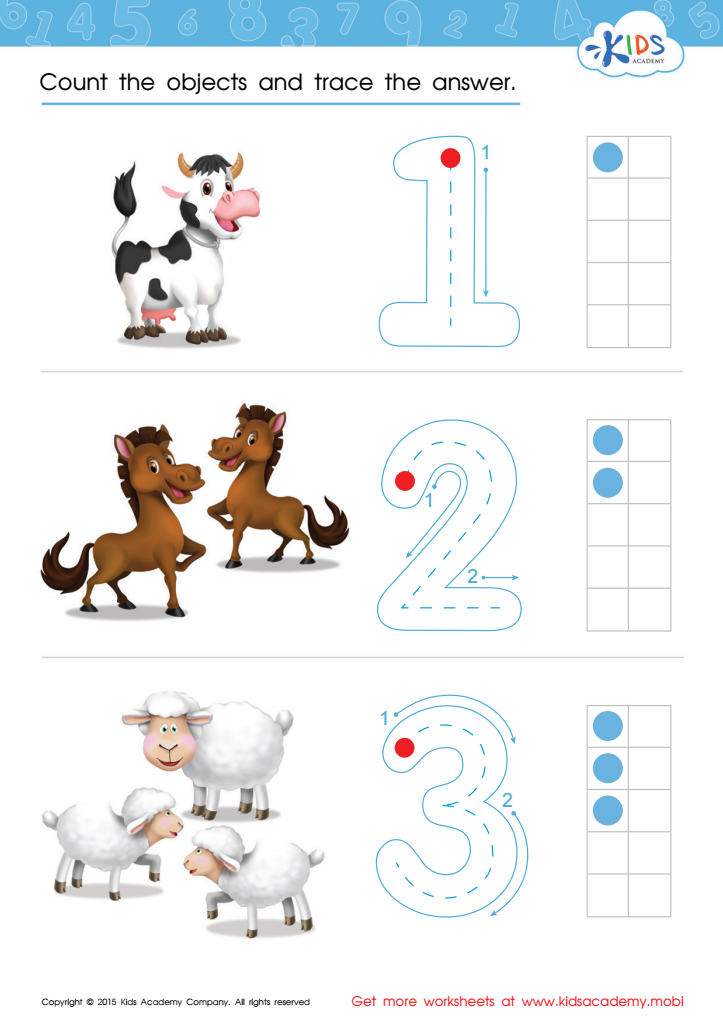
Count and Trace 1 – 3 Worksheet


.jpg)




Writing practice is crucial for children ages 4-8, as it lays the foundation for their cognitive, social, and emotional development. During these formative years, children are not just learning to write letters; they are developing fine motor skills, hand-eye coordination, and pre-writing shapes that are essential for later academic success. Engaging in writing activities helps children express their thoughts and feelings, fostering their creativity and boosts their self-esteem when they see their ideas on paper.
Moreover, writing promotes language development. As children write, they improve their vocabulary, spelling, and grammar, which enhances their overall literacy skills. This is particularly important as proficient reading and writing are foundational for all subjects in school.
Additionally, consistent writing practice instills discipline and focus. It teaches children to organize their thoughts and understand the basic structure of stories and communication. For teachers and parents, encouraging regular writing practice can create a fun, engaging environment where children feel confident to share their stories and ideas, nurturing a lifelong love of learning. In essence, investing time in writing practices at this age pays off substantially in children’s future academic, personal, and professional lives.








