Basic geometry knowledge 2D Shapes Worksheets for Ages 4-8
3 filtered results
-
From - To
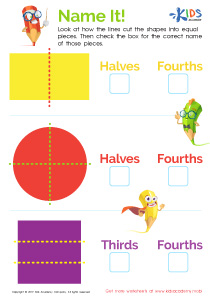
Discover the joy of learning with our "Basic Geometry Knowledge 2D Shapes Worksheets" designed specifically for children ages 4-8! These engaging worksheets introduce young learners to essential geometric concepts through fun activities focused on identifying, drawing, and coloring 2D shapes. As kids explore circles, squares, triangles, and more, they develop critical thinking and fine motor skills. Our thoughtfully crafted worksheets cater to varying levels of proficiency, ensuring that every child can participate and learn at their own pace. Whether at home or in the classroom, these resources make mastering basic geometry an enjoyable experience for budding mathematicians! Join the fun today!
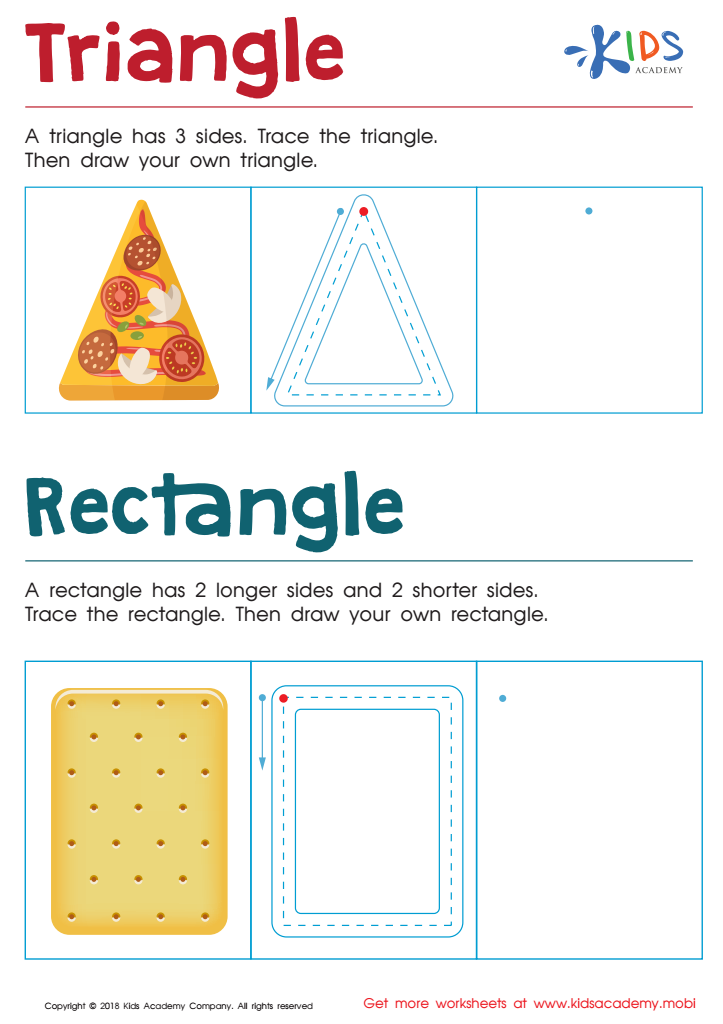
Triangle Rectangle Worksheet
 Assign to My Students

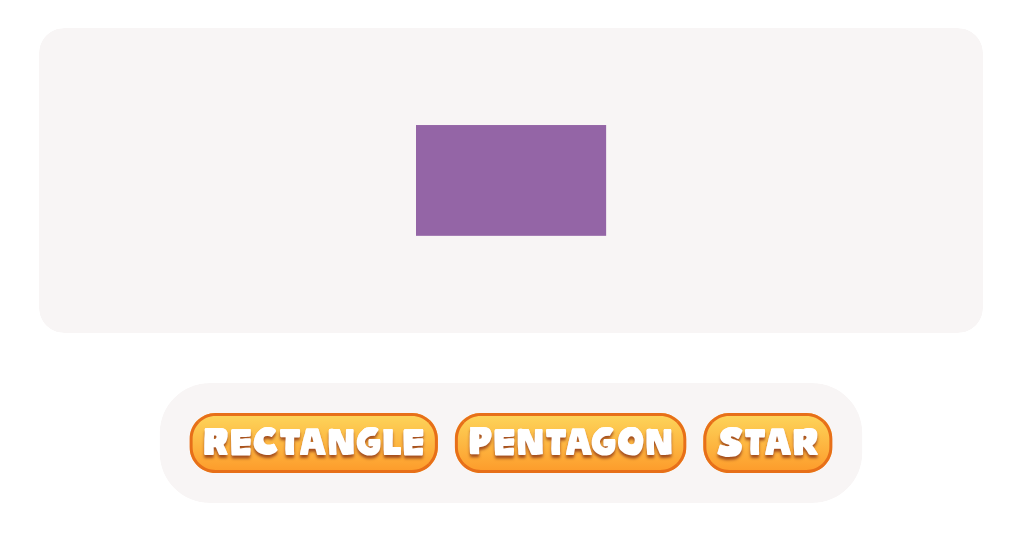
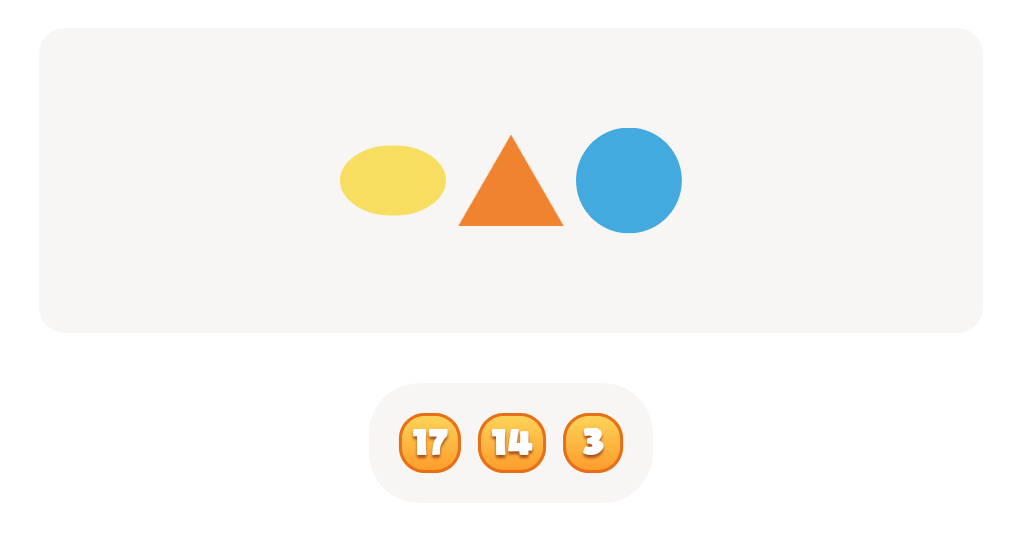
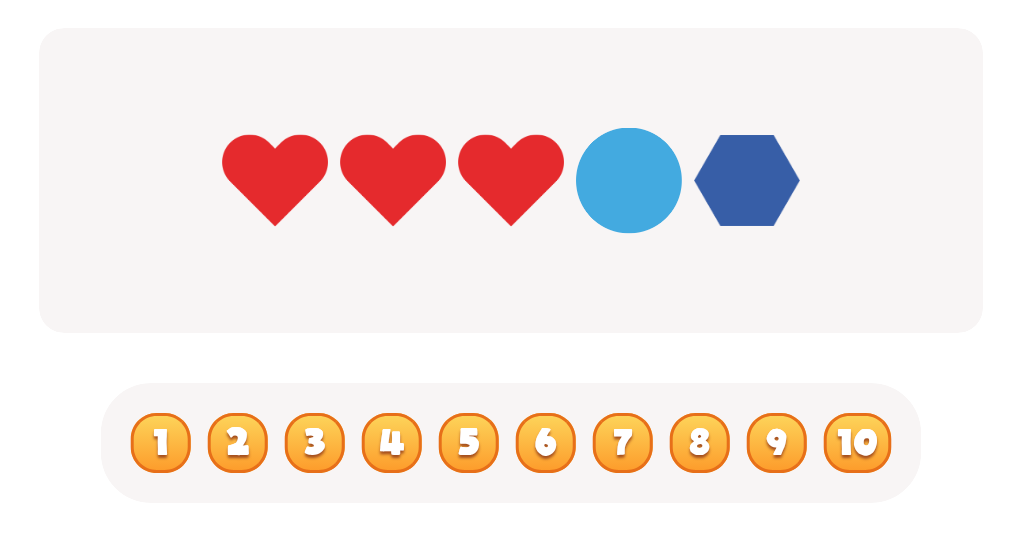
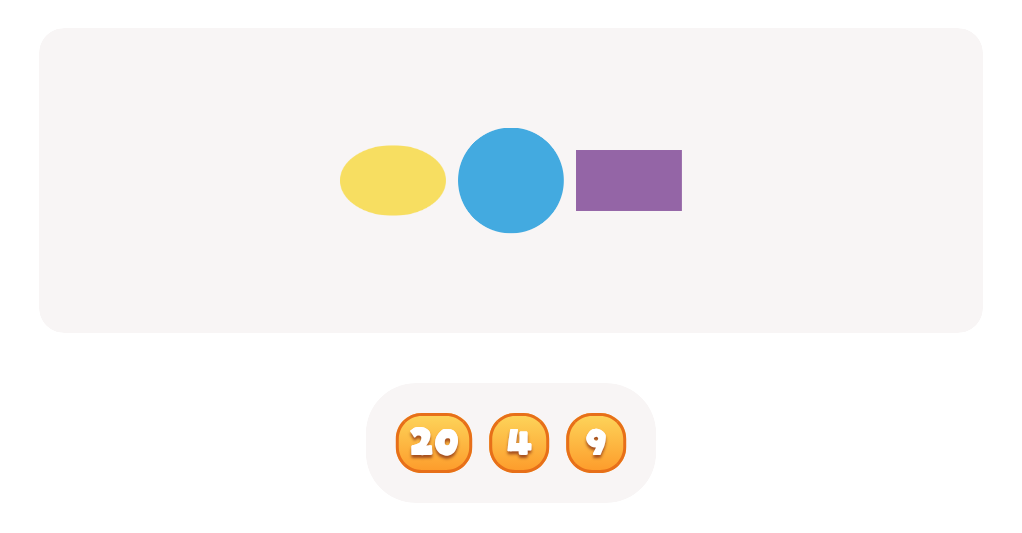
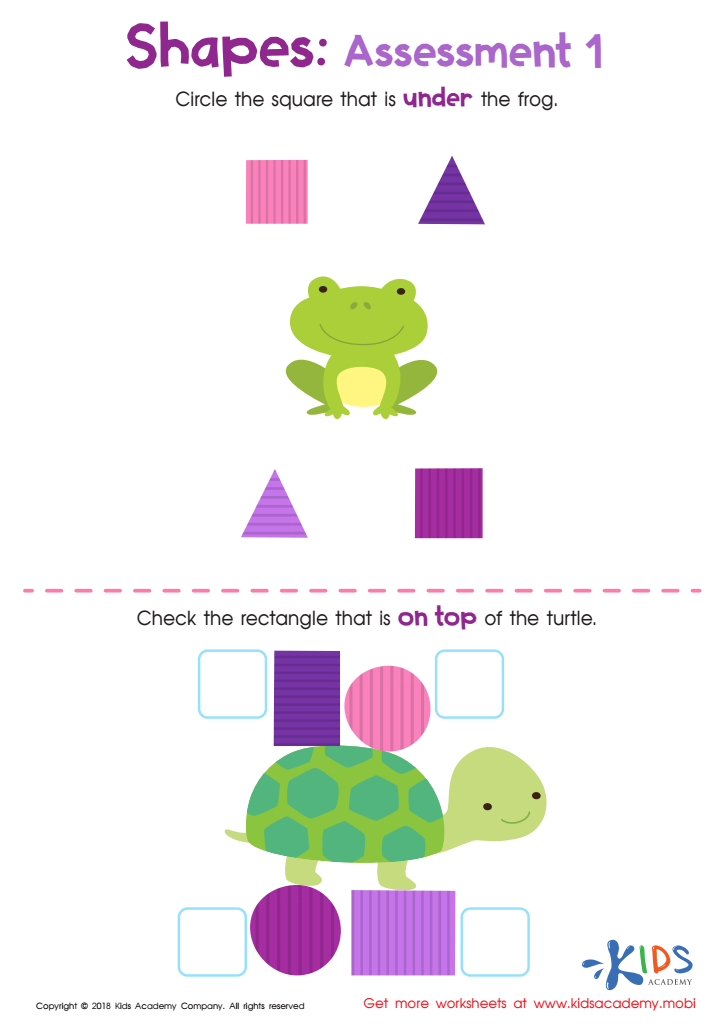
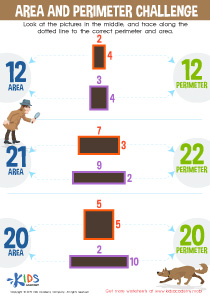
Geometry – Assessment 1 Worksheet
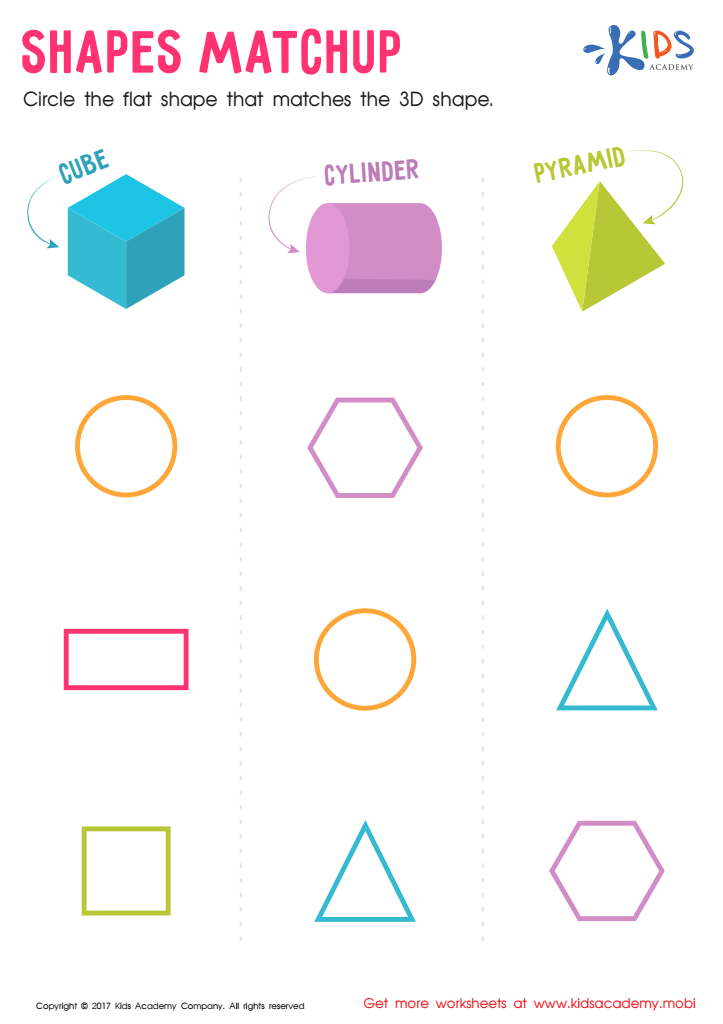
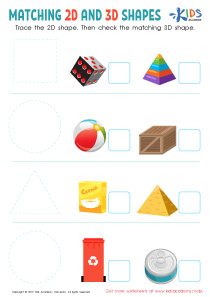
Shapes Matchup Worksheet








Understanding basic geometry and 2D shapes is essential for children ages 4-8 as it lays the foundation for critical cognitive skills needed in their academic and everyday lives. Firstly, recognizing and categorizing shapes enhances a child's ability to observe and interpret their surroundings. This visual-spatial awareness is pivotal for developing skills in math and sciences later on.
Secondly, knowledge of 2D shapes boosts problem-solving abilities and logical reasoning as children learn to compare, sort, and analyze different shapes. For instance, grasping concepts like symmetry, angles, and patterns fosters critical thinking, which is crucial across various subjects.
Additionally, basic geometry stimulates creativity through drawing and constructing shapes, promoting fine motor skills and coordination. As children engage in activities involving 2D shapes—whether through art, building blocks, or interactive games—they develop a sense of exploration and experimentation.
Finally, early exposure to geometry supports a positive attitude toward math, making it less intimidating as they progress to more complex concepts. By prioritizing shape recognition and understanding, parents and teachers ensure children are well-equipped with the foundational knowledge that supports success across numerous domains in education and life.