Pattern recognition 2D Shapes Worksheets for Ages 4-8
3 filtered results
-
From - To
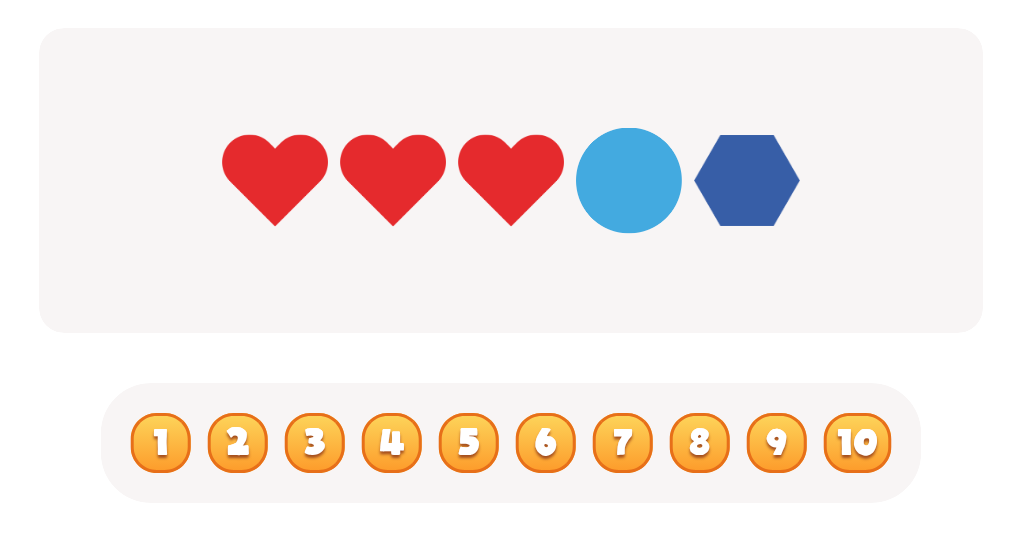
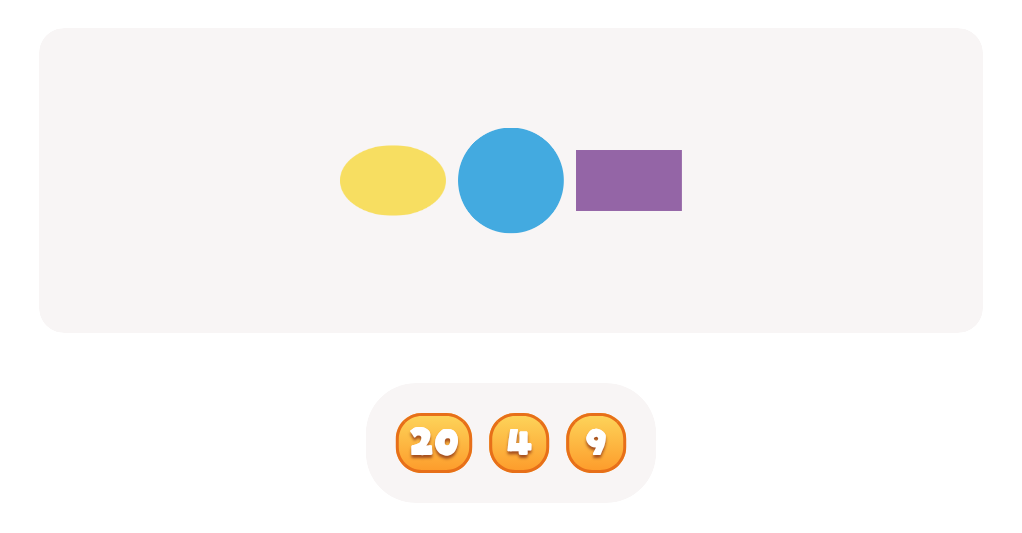
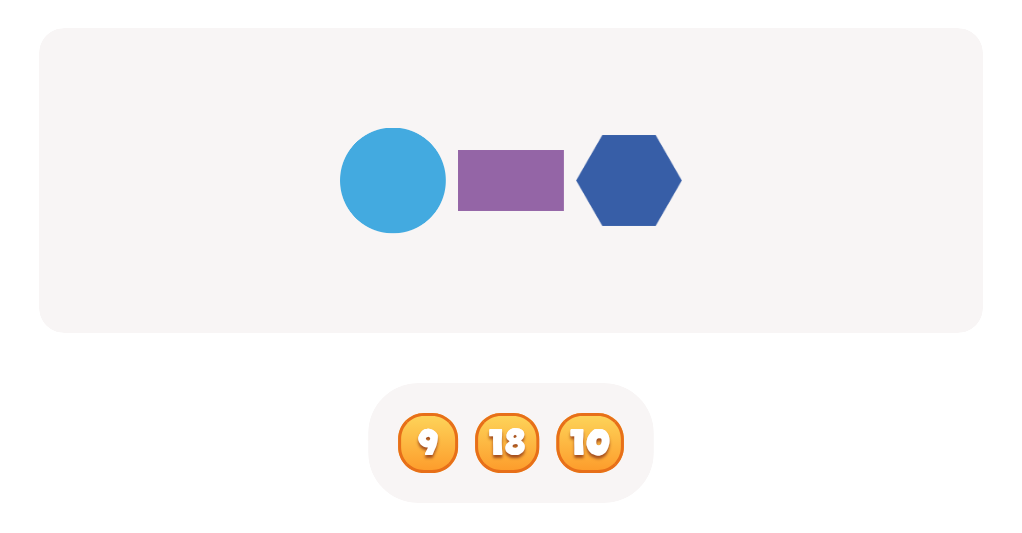
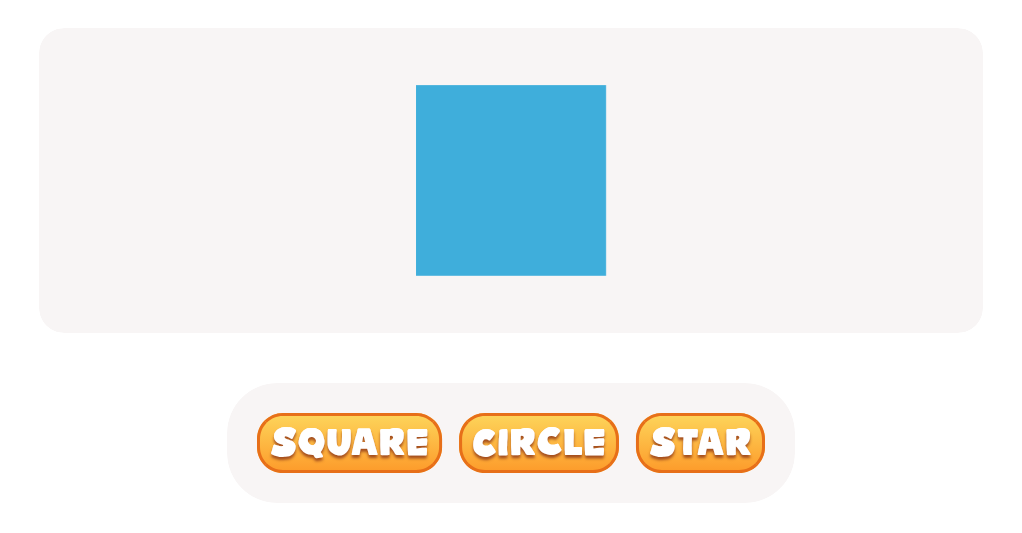
Discover our engaging "Pattern Recognition 2D Shapes Worksheets" designed for children ages 4-8. These educational resources enhance your child's critical thinking by focusing on recognizing and completing patterns with various 2D shapes. Perfect for early learners, our worksheets help build foundational math, logic, and observational skills, paving the way for future academic success. Each page features vibrant visuals to captivate young minds and exercises tailored to align with their developmental stage. Whether used in classrooms or at home, these printable activities make learning fun and effective. Boost your child's cognitive growth with Kids Academy's top-quality educational content!
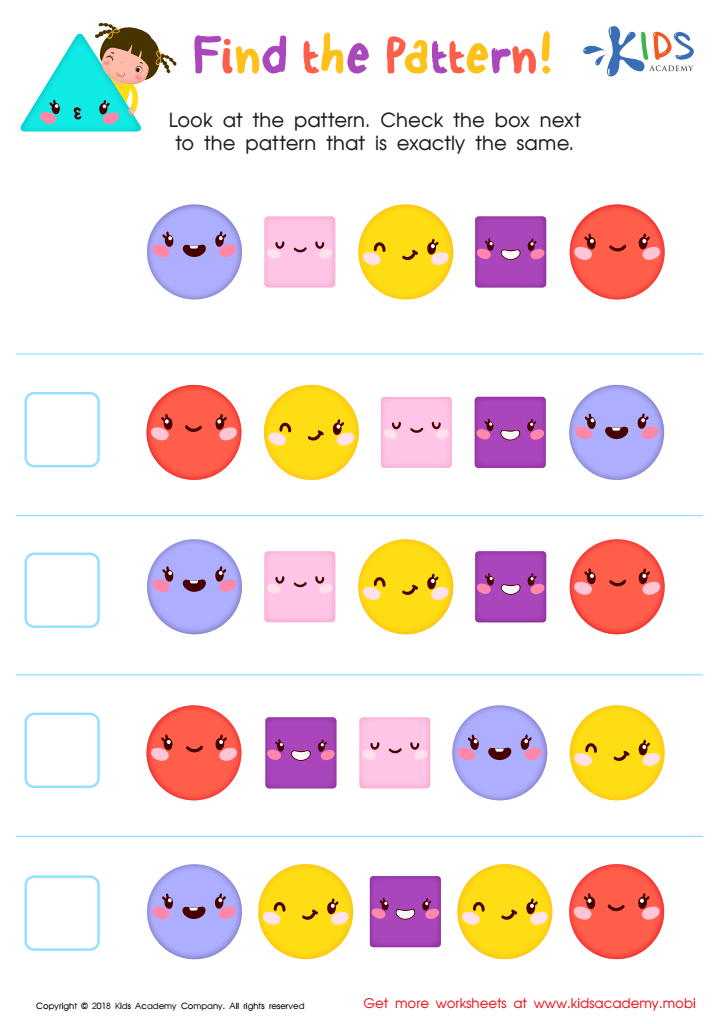
Find the Pattern Worksheet
 Assign to My Students


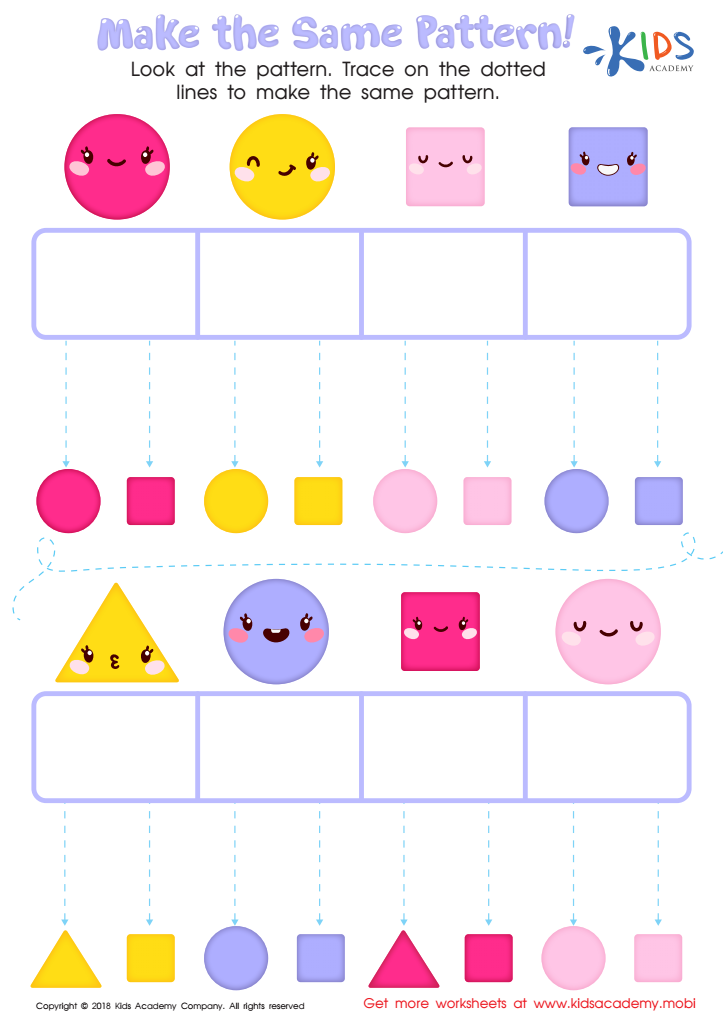
Make the Same Pattern Worksheet
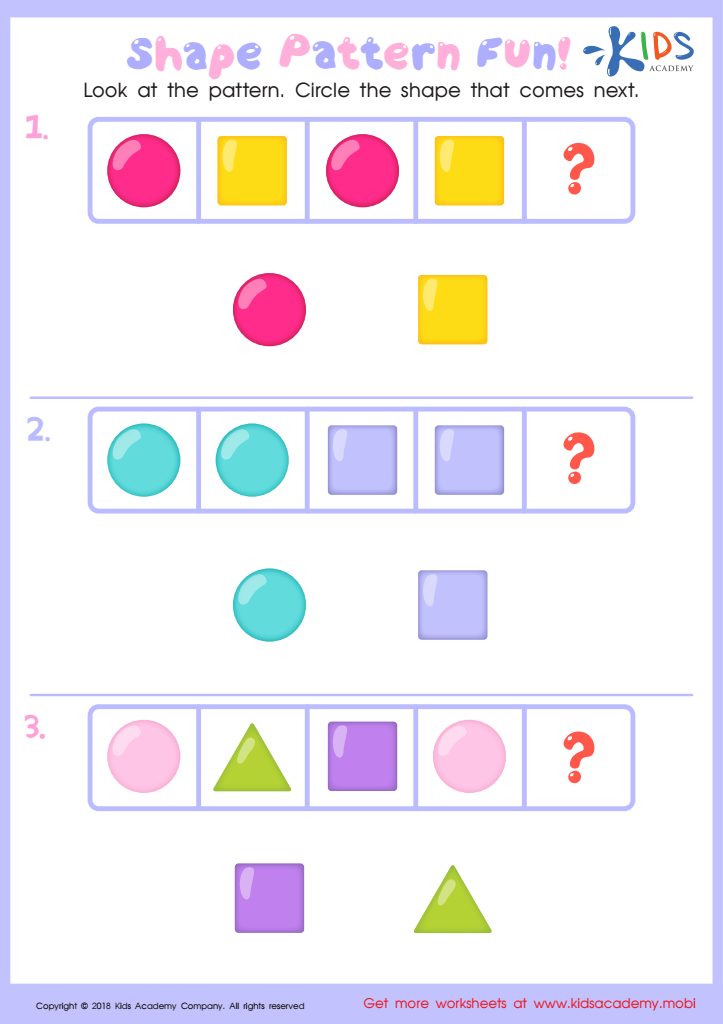
Shape Pattern Fun Worksheet








Pattern recognition and understanding 2D shapes are foundational skills for young children aged 4-8, and there are several reasons why parents and teachers should prioritize these concepts.
First, recognizing patterns helps children develop critical thinking and problem-solving skills. By observing and predicting patterns, children learn to make connections and understand relationships, which are essential skills for math and science.
Second, learning to identify and work with 2D shapes aids in geometry understanding. Knowing the characteristics of shapes like circles, squares, triangles, and rectangles builds a foundation for more complex geometric ideas later on. For example, when children recognize that a square is a shape with four equal sides, they begin to grasp more advanced concepts of symmetry and area.
Moreover, pattern recognition and shape identification enhance spatial awareness. This cognitive skill is crucial not just in mathematics, but in everyday activities like navigating environments, fitting objects into spaces, and understanding the physical world around them.
Additionally, these skills support literacy development. Patterns in text, such as word families and rhyming words, mirror the patterns they can see and create in shapes and sequences.
Lastly, engaging with shapes and patterns can be inviting and enjoyable. Activities like sorting shapes, creating art, and playing with blocks make learning tactile and interactive, fostering a positive attitude towards education.
Therefore, parents and teachers should integrate pattern and shape recognition into early education to build a strong cognitive foundation and inspire a lifelong love of learning.