Recognizing shapes 2D Shapes Worksheets for Ages 4-8
5 filtered results
-
From - To
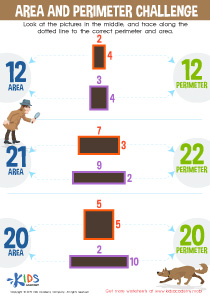
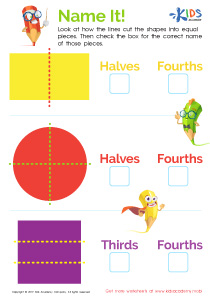
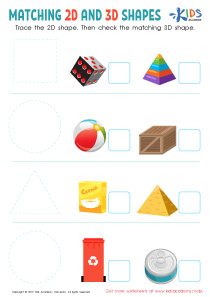
Explore our engaging 2D Shapes Worksheets designed for children ages 4-8! These interactive activities offer a fun way for young learners to identify and recognize different shapes, such as circles, triangles, squares, and rectangles. With colorful illustrations and exciting challenges, our worksheets are perfect for sparking creativity while enhancing critical thinking skills. As kids trace, color, and match shapes, they will develop an essential foundation in geometry that will benefit their future math skills. Ideal for classroom or at-home learning, these worksheets provide a valuable resource for parents and educators. Let the shape discovery journey begin!
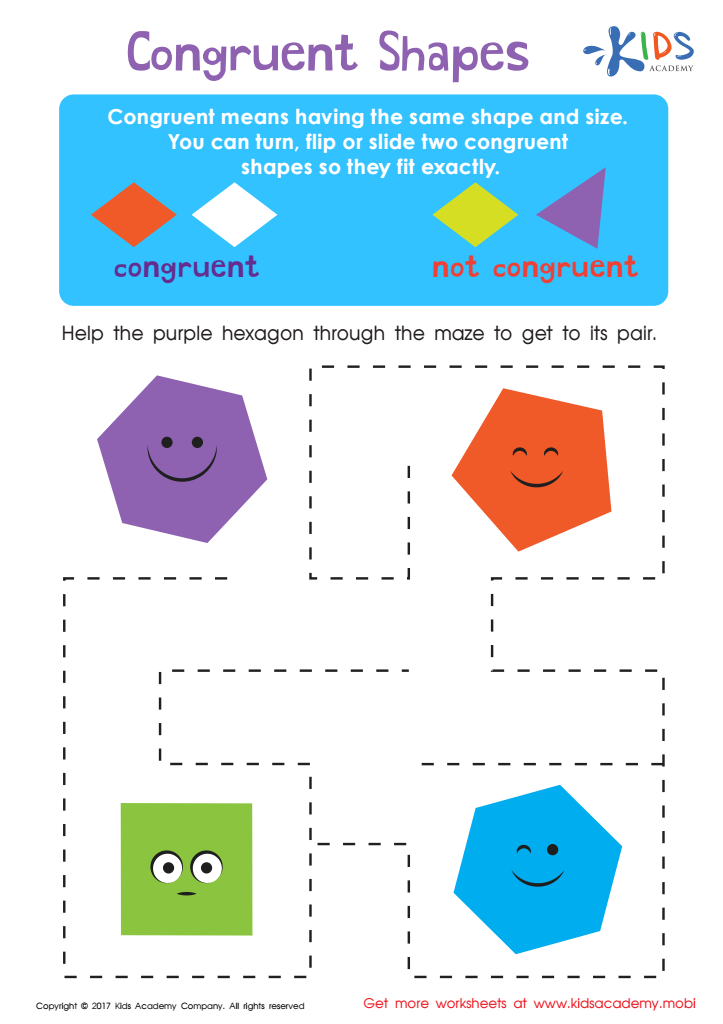
Congruent Shapes Worksheet
 Assign to My Students


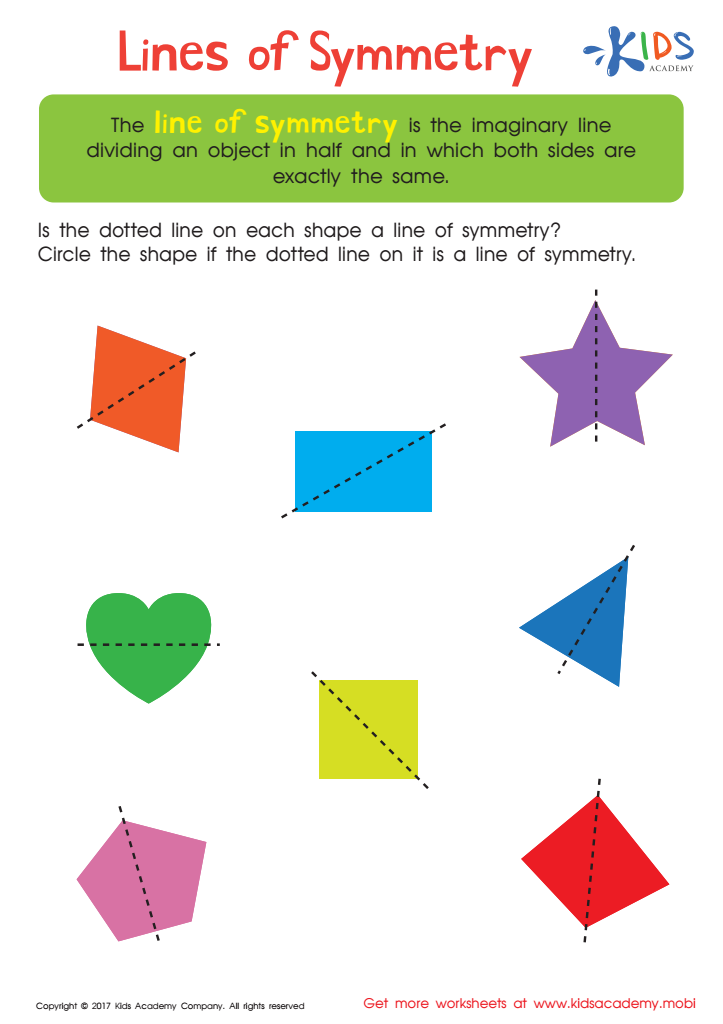
Lines of Symmetry Printable
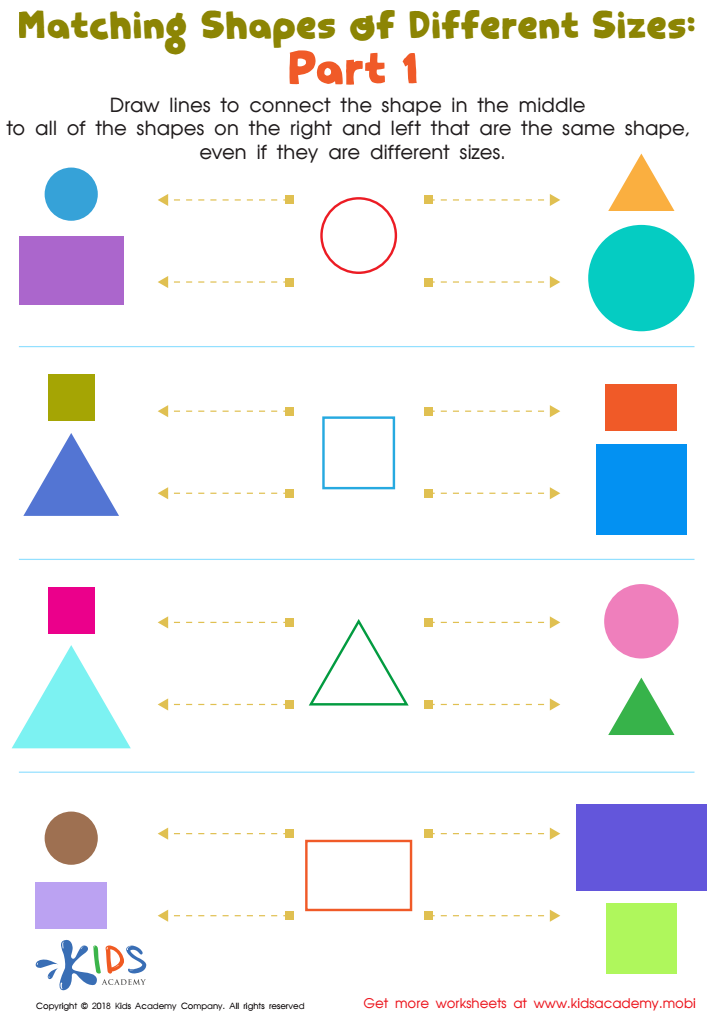
Geometry: part 1 Worksheet
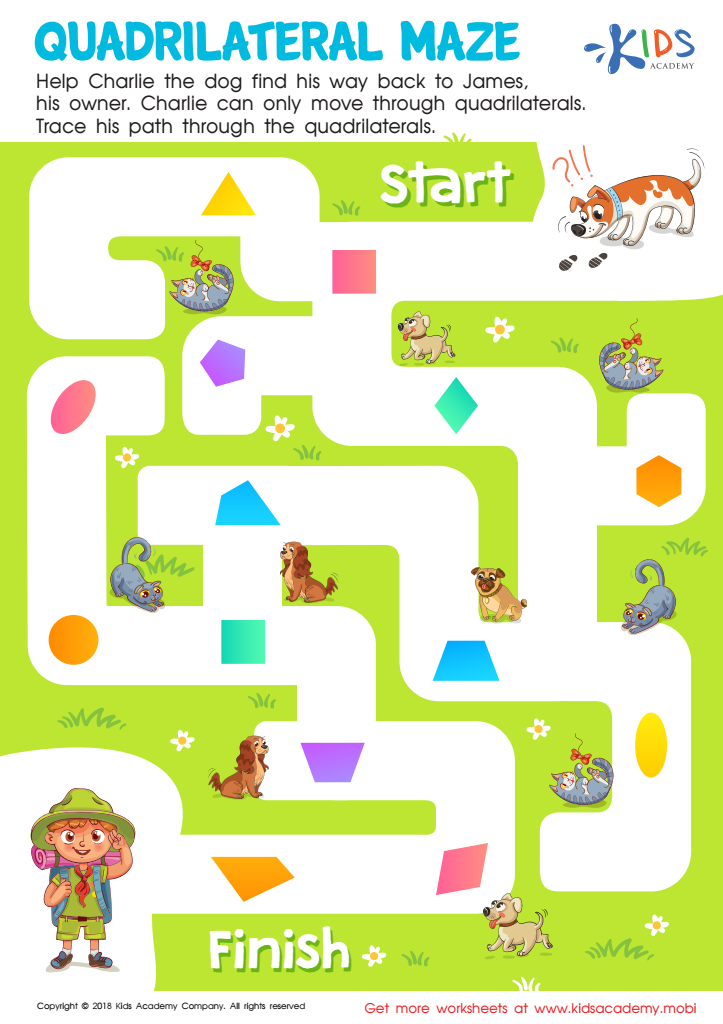
Quadrilateral Maze Worksheet
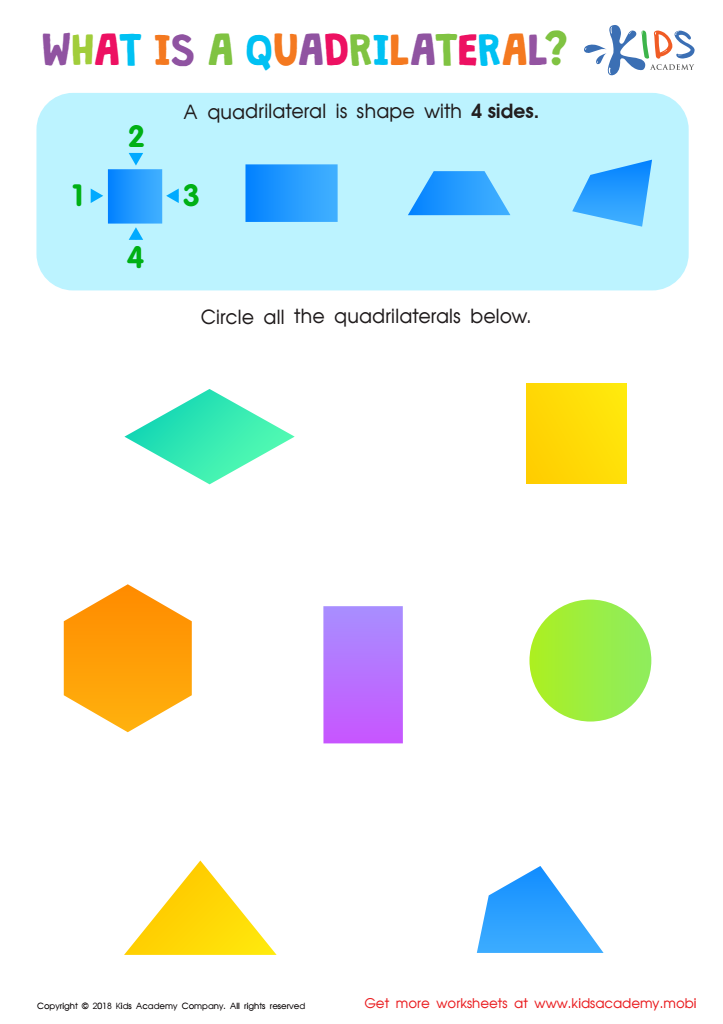
What Is a Quadrilateral? Worksheet








Recognizing 2D shapes is a crucial early childhood skill that forms the foundation for various aspects of learning, especially in mathematics and spatial awareness. For children ages 4-8, understanding shapes is not merely about identification; it lays the groundwork for problem-solving, logical reasoning, and critical thinking abilities.
Early exposure to 2D shapes enhances cognitive development by helping children categorize and differentiate between various forms, such as circles, squares, and triangles. This knowledge contributes to their ability to recognize patterns, which is essential for higher-level math concepts like geometry and algebra later in their education.
Additionally, recognizing shapes supports fine motor skills as children engage in activities involving drawing, cutting, and crafting shapes, allowing for hands-on learning and creativity. It can also promote language development, as children learn to associate specific terms with visual representations.
Furthermore, being proficient in identifying shapes can boost children's confidence in academic settings, encouraging them to participate and engage actively. In summary, an emphasis on 2D shape recognition is vital for holistic development, fostering not just academic readiness but also essential life skills for children in their formative years. Parents and teachers should prioritize this learning to create a well-rounded educational experience.