Filters

70 filtered results

Clear all filters
Favorites
With answer key
Interactive

70 filtered results

Difficulty Level

Grade


Subject

    Check out this FREE Trial Lesson on Adding in the Sea for age 4-8!

    L

    Favorites
    With answer key
    Interactive
    • 4-8
    • Number Recognition
    • Adding in the Sea
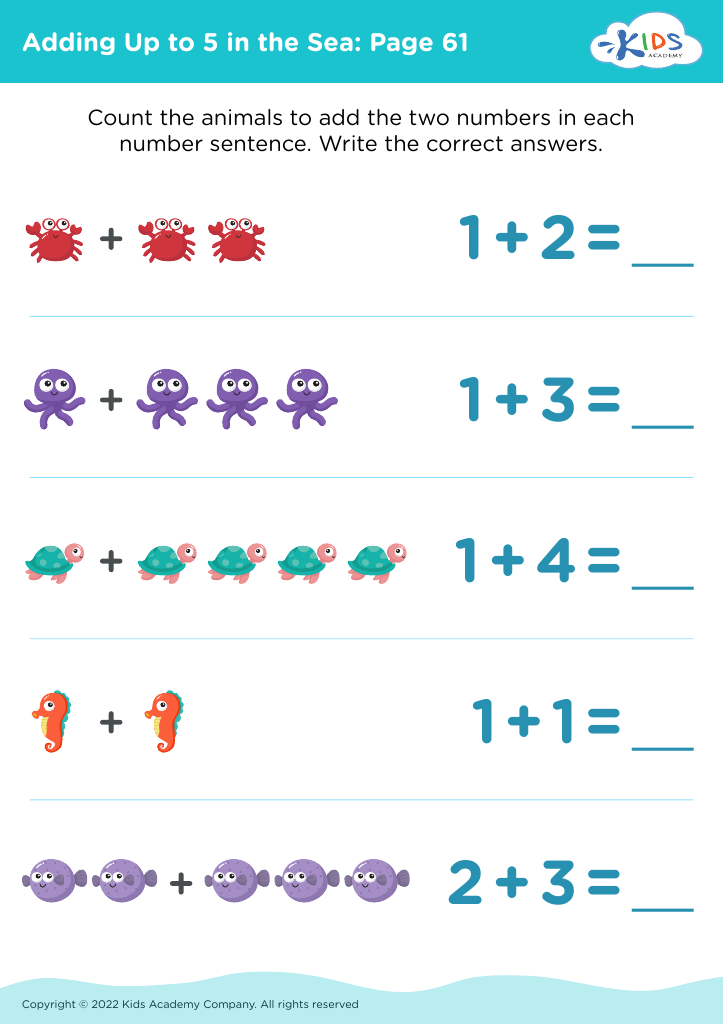
    Adding Up to 5 in the Sea: Page 61
    Adding Up to 5 in the Sea: Page 61
    Adding Up to 5 in the Sea: Page 61
    Worksheet
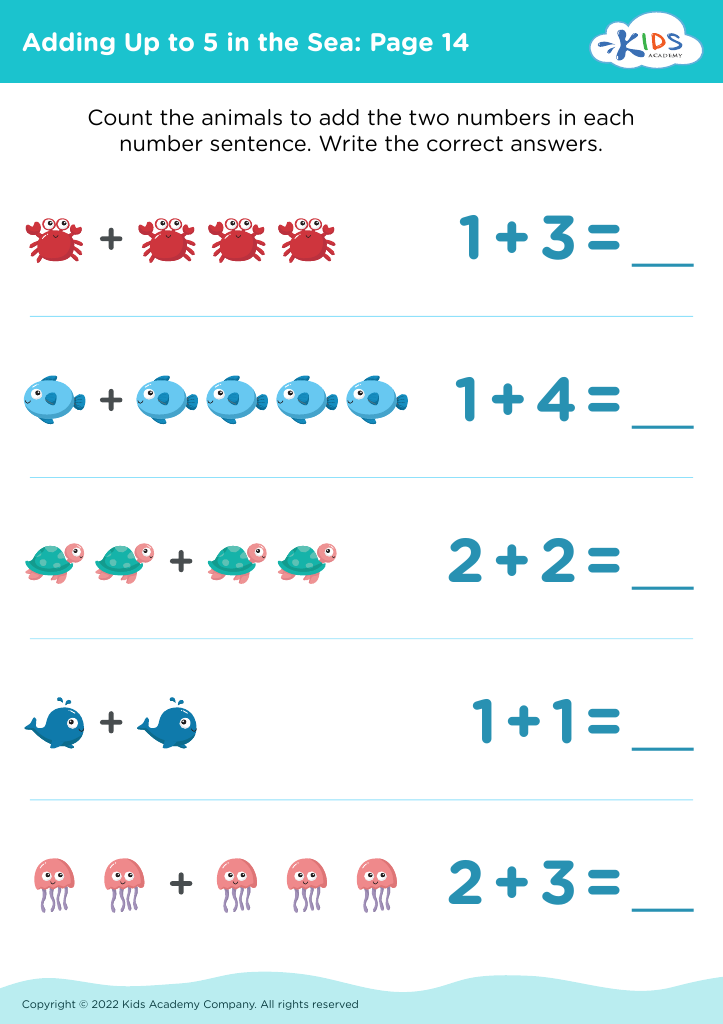
    Adding Up to 5 in the Sea: Page 14
    Adding Up to 5 in the Sea: Page 14
    Adding Up to 5 in the Sea: Page 14
    Worksheet
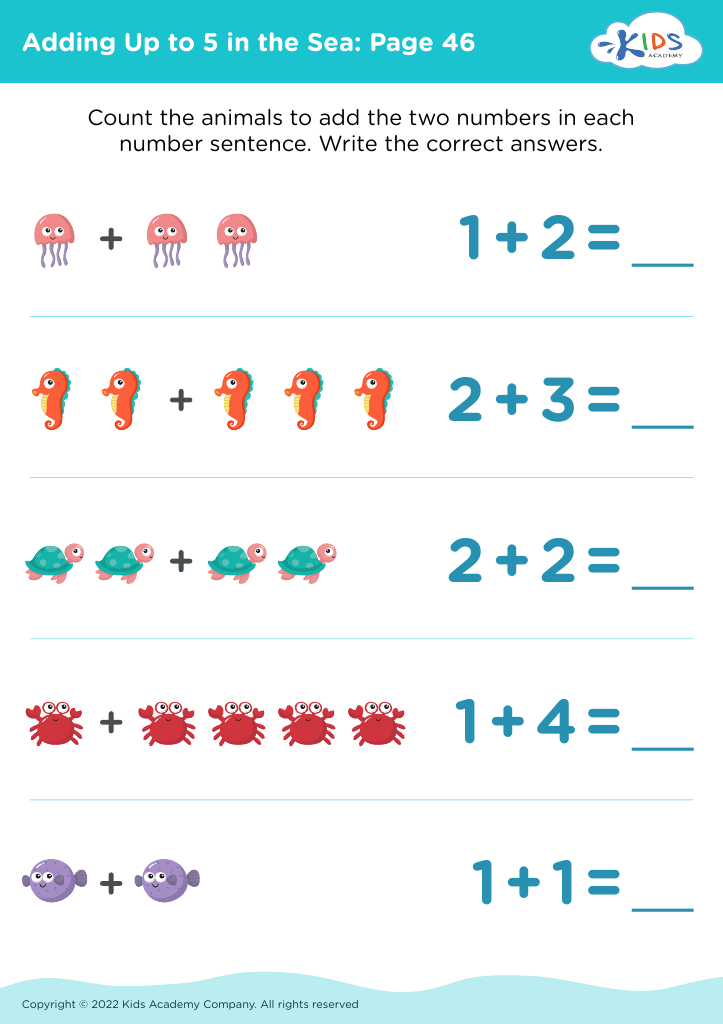
    Adding Up to 5 in the Sea: Page 46
    Adding Up to 5 in the Sea: Page 46
    Adding Up to 5 in the Sea: Page 46
    Worksheet
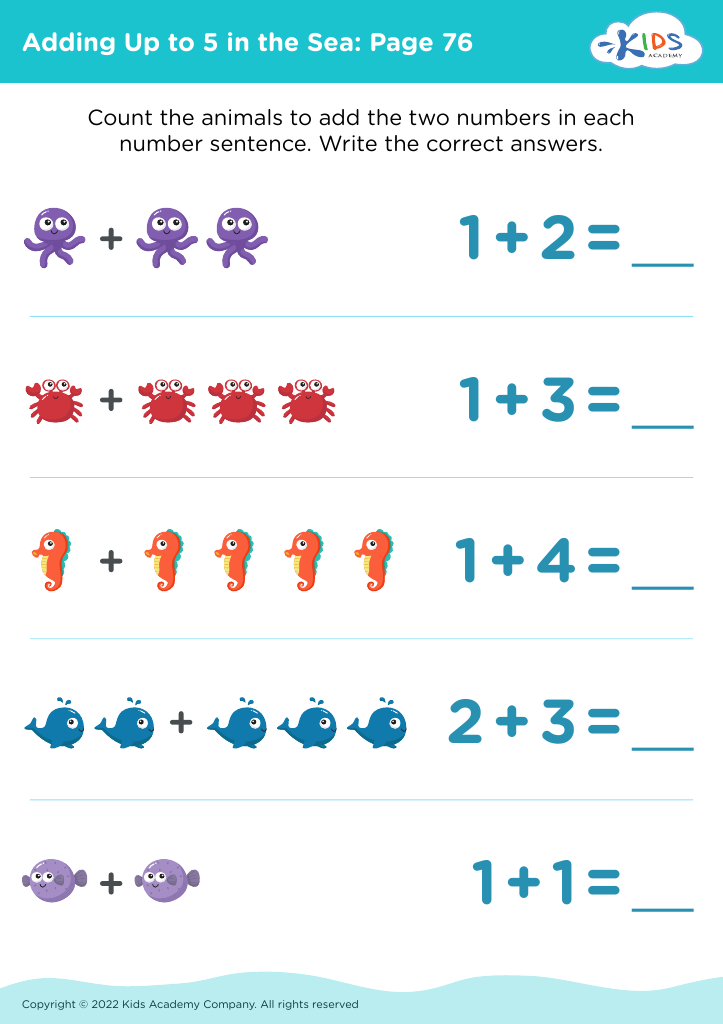
    Adding Up to 5 in the Sea: Page 76
    Adding Up to 5 in the Sea: Page 76
    Adding Up to 5 in the Sea: Page 76
    Worksheet
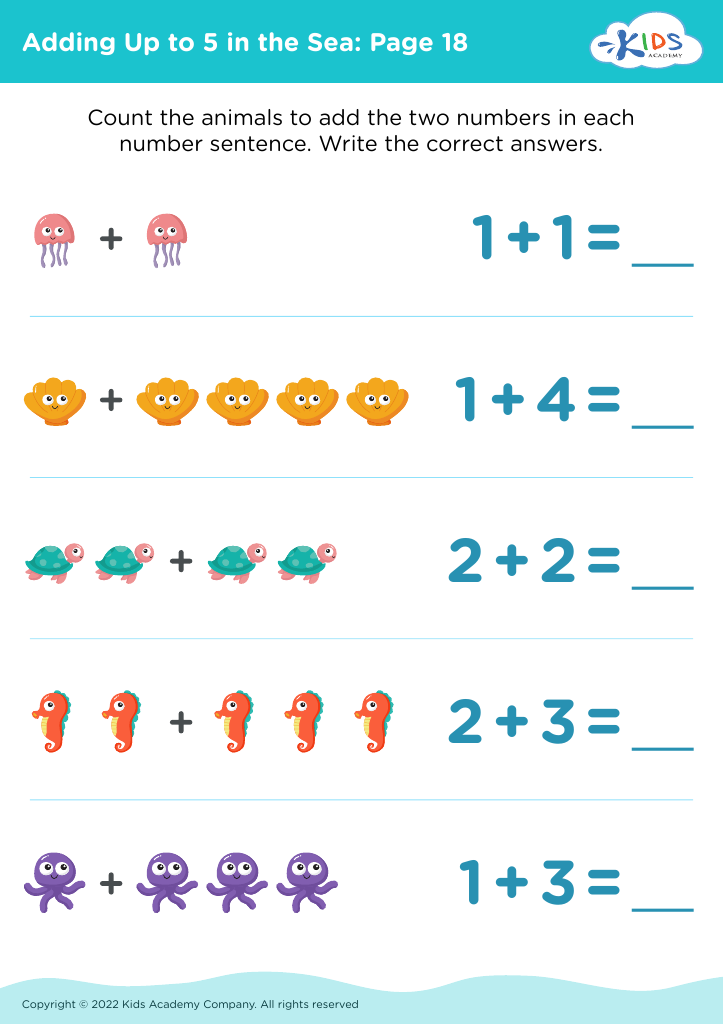
    Adding Up to 5 in the Sea: Page 18
    Adding Up to 5 in the Sea: Page 18
    Adding Up to 5 in the Sea: Page 18
    Worksheet
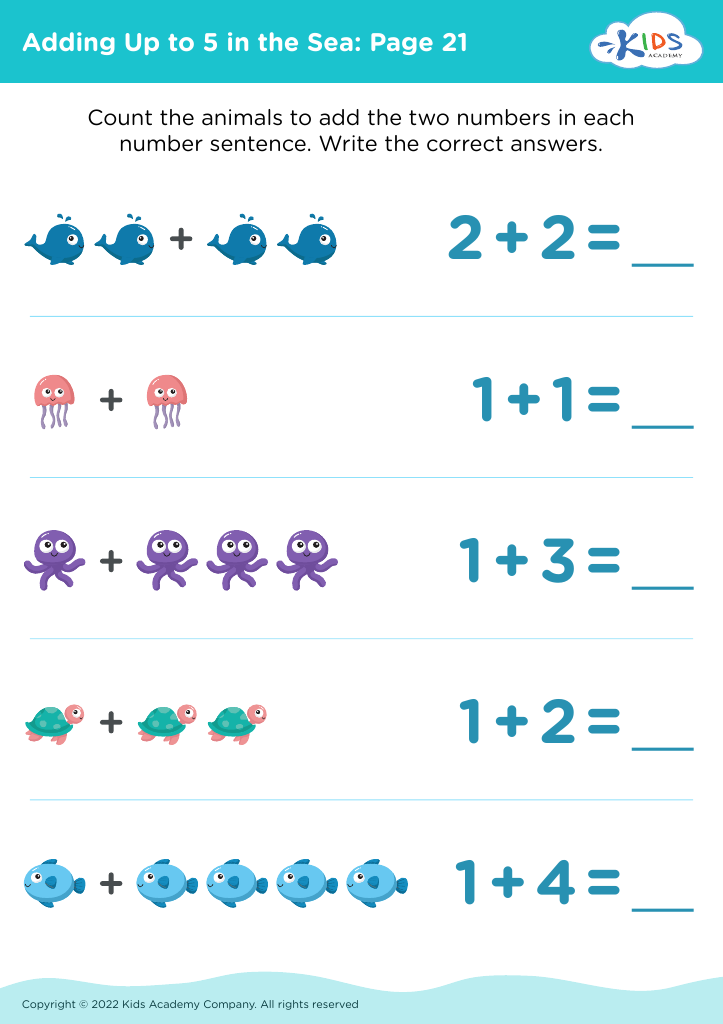
    Adding Up to 5 in the Sea: Page 21
    Adding Up to 5 in the Sea: Page 21
    Adding Up to 5 in the Sea: Page 21
    Worksheet
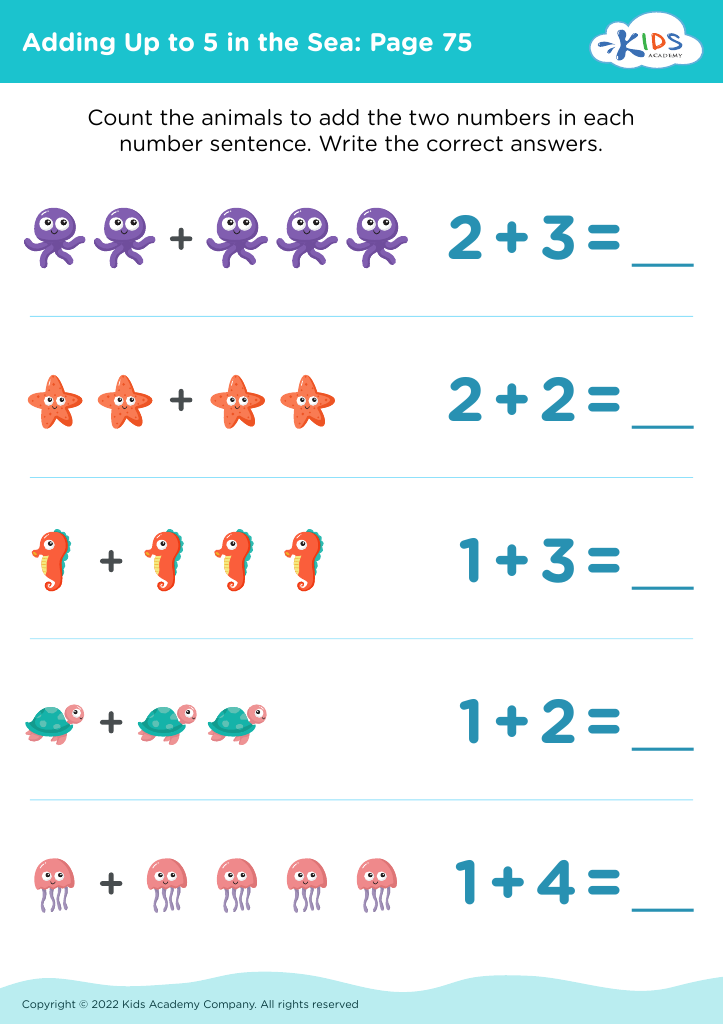
    Adding Up to 5 in the Sea: Page 75
    Adding Up to 5 in the Sea: Page 75
    Adding Up to 5 in the Sea: Page 75
    Worksheet
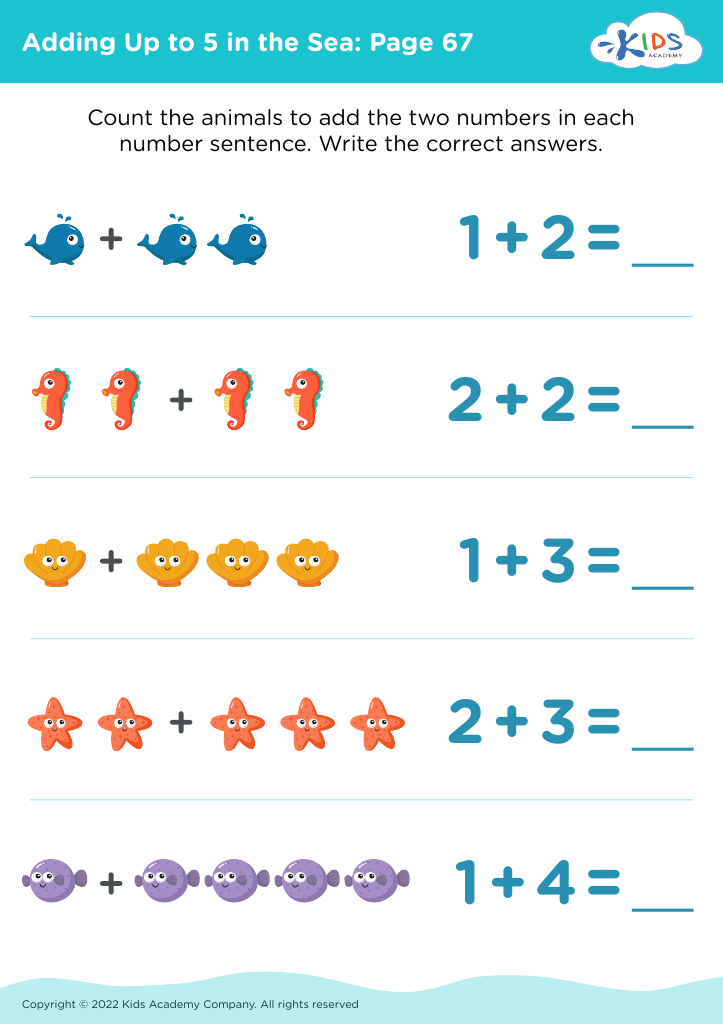
    Adding Up to 5 in the Sea: Page 67
    Adding Up to 5 in the Sea: Page 67
    Adding Up to 5 in the Sea: Page 67
    Worksheet
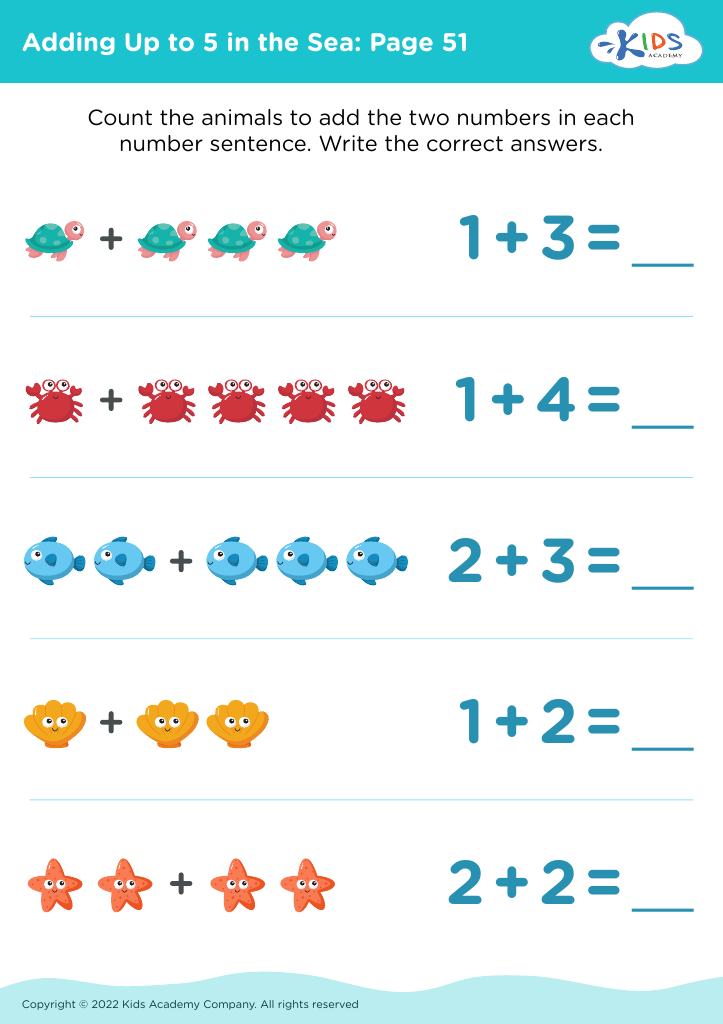
    Adding Up to 5 in the Sea: Page 51
    Adding Up to 5 in the Sea: Page 51
    Adding Up to 5 in the Sea: Page 51
    Worksheet
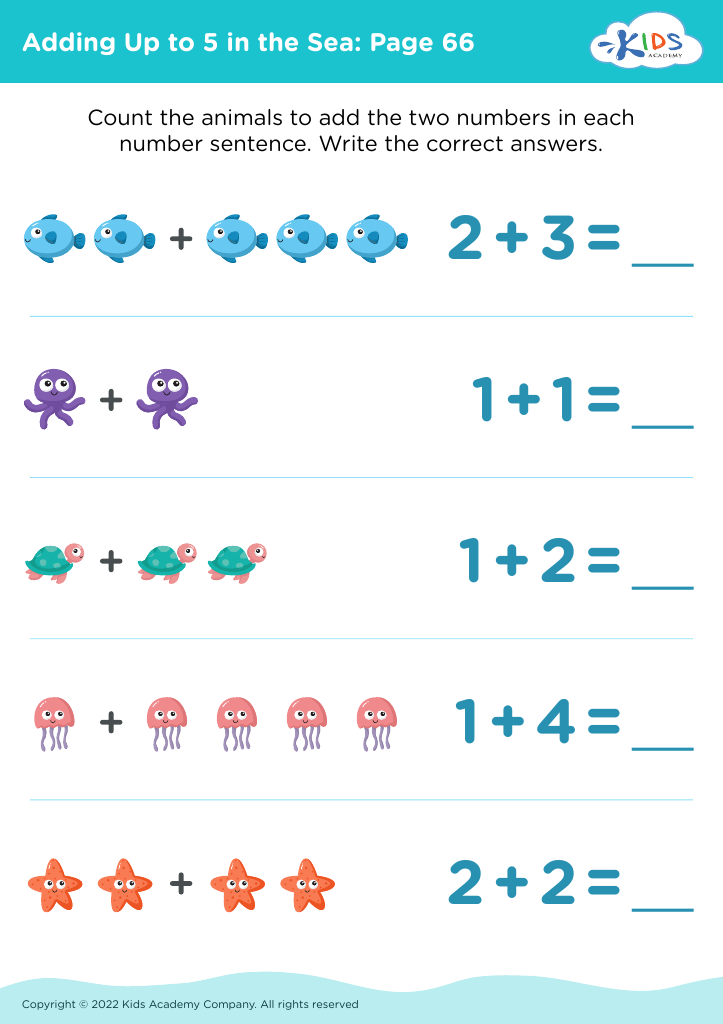
    Adding Up to 5 in the Sea: Page 66
    Adding Up to 5 in the Sea: Page 66
    Adding Up to 5 in the Sea: Page 66
    Worksheet
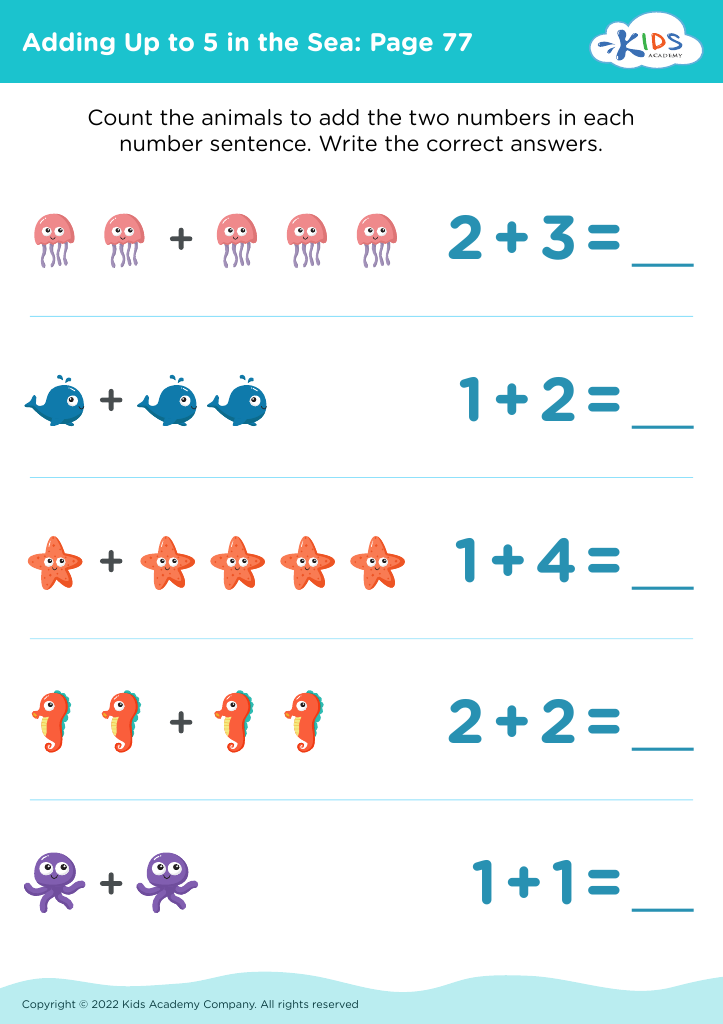
    Adding Up to 5 in the Sea: Page 77
    Adding Up to 5 in the Sea: Page 77
    Adding Up to 5 in the Sea: Page 77
    Worksheet
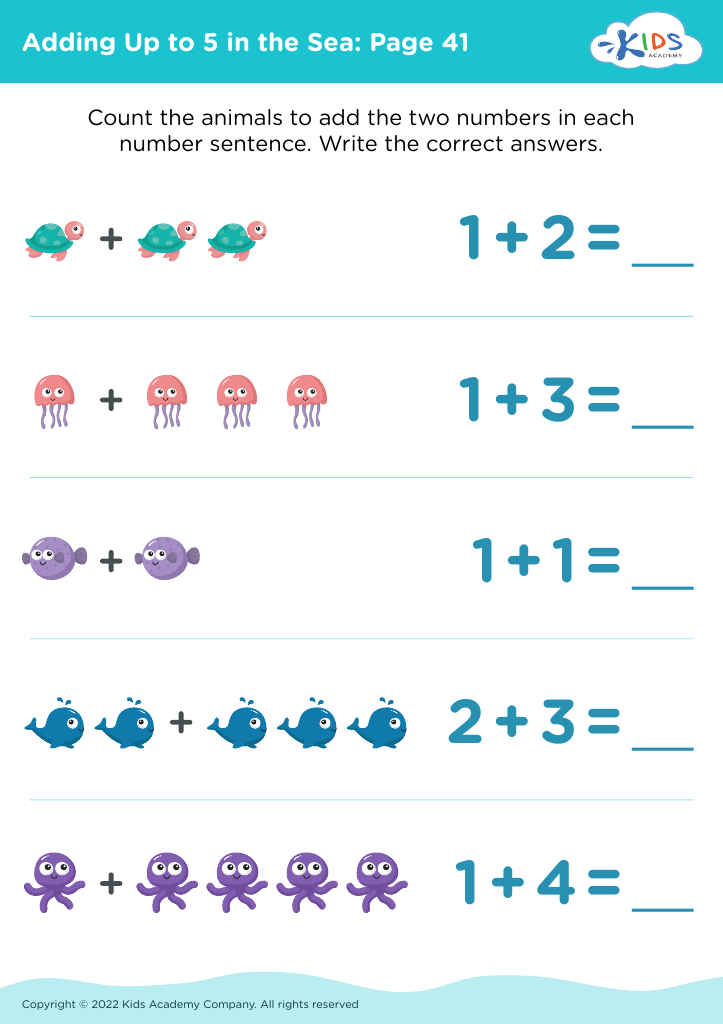
    Adding Up to 5 in the Sea: Page 41
    Adding Up to 5 in the Sea: Page 41
    Adding Up to 5 in the Sea: Page 41
    Worksheet
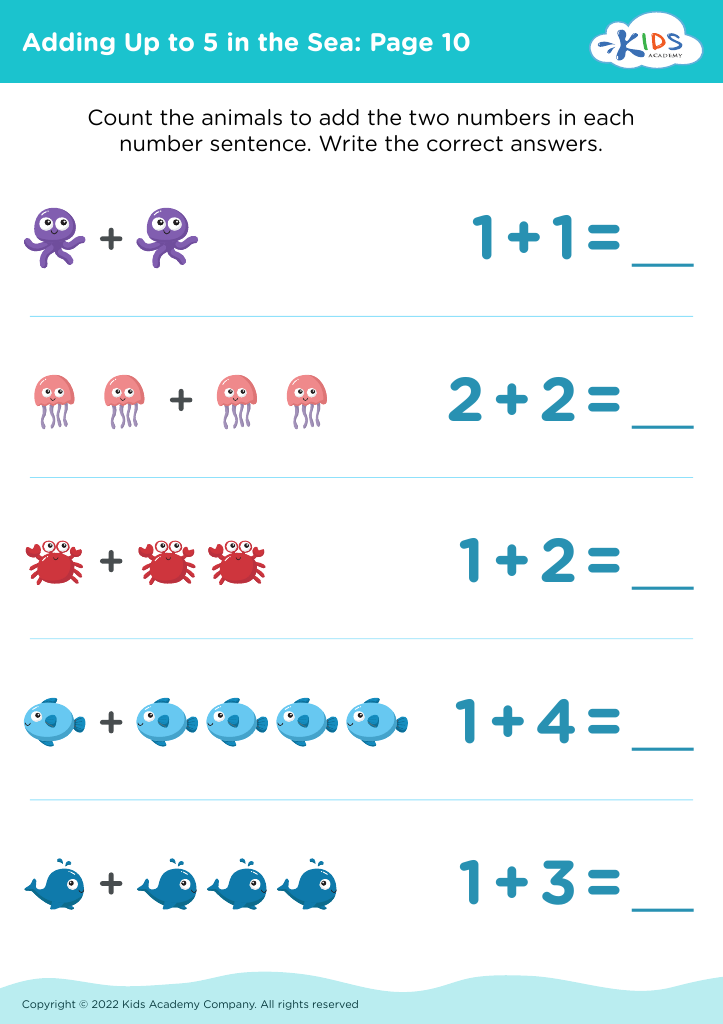
    Adding Up to 5 in the Sea: Page 10
    Adding Up to 5 in the Sea: Page 10
    Adding Up to 5 in the Sea: Page 10
    Worksheet
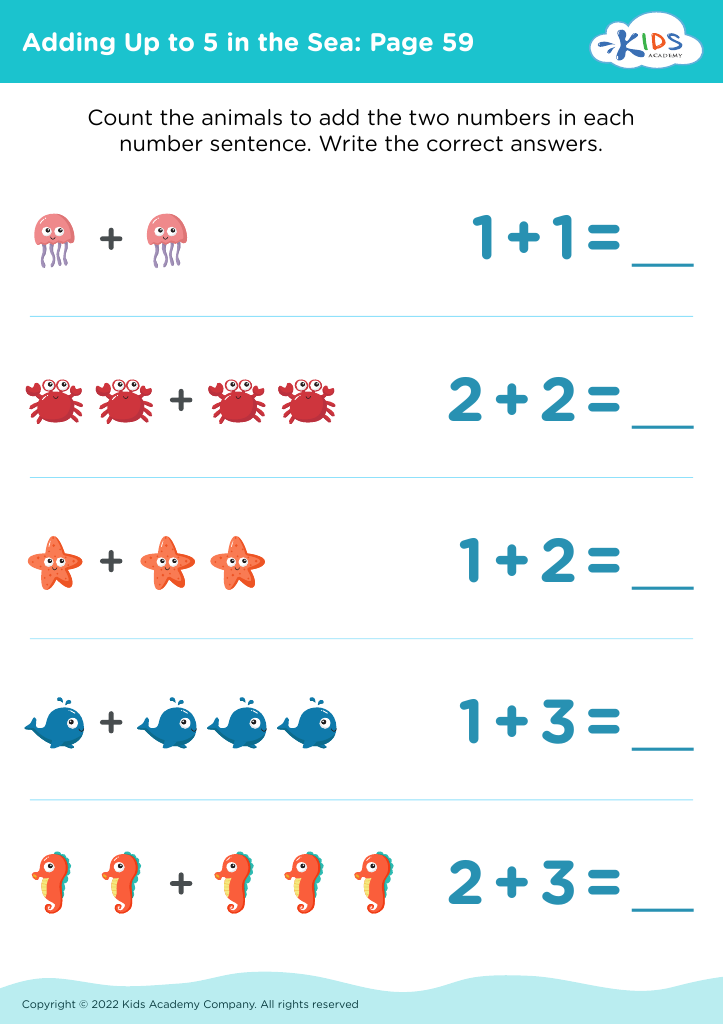
    Adding Up to 5 in the Sea: Page 59
    Adding Up to 5 in the Sea: Page 59
    Adding Up to 5 in the Sea: Page 59
    Worksheet
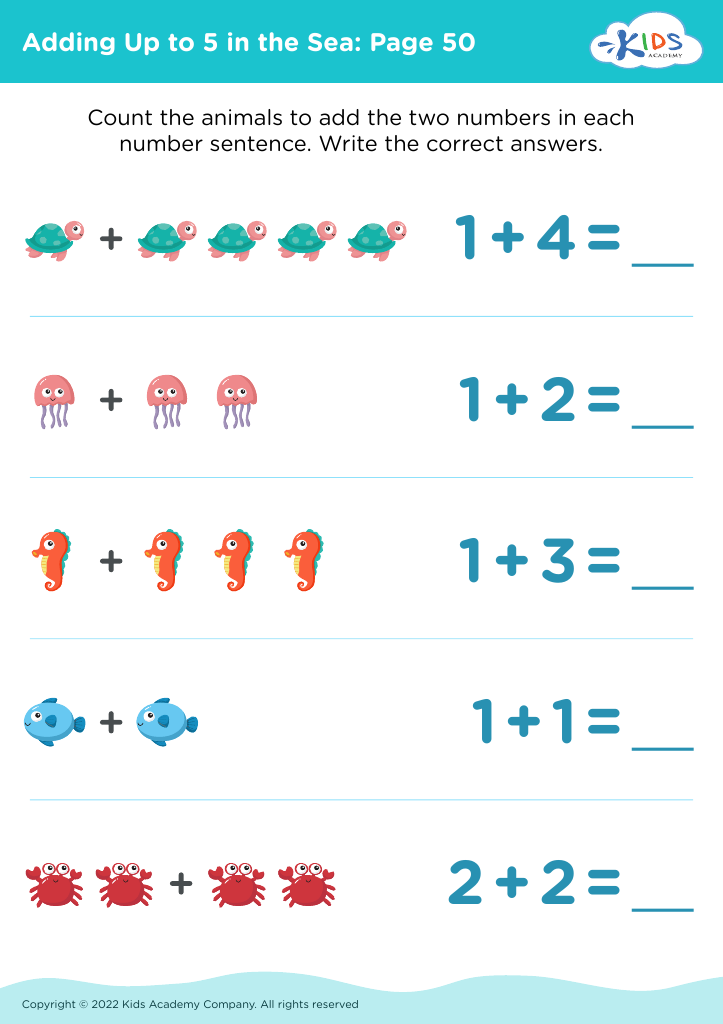
    Adding Up to 5 in the Sea: Page 50
    Adding Up to 5 in the Sea: Page 50
    Adding Up to 5 in the Sea: Page 50
    Worksheet
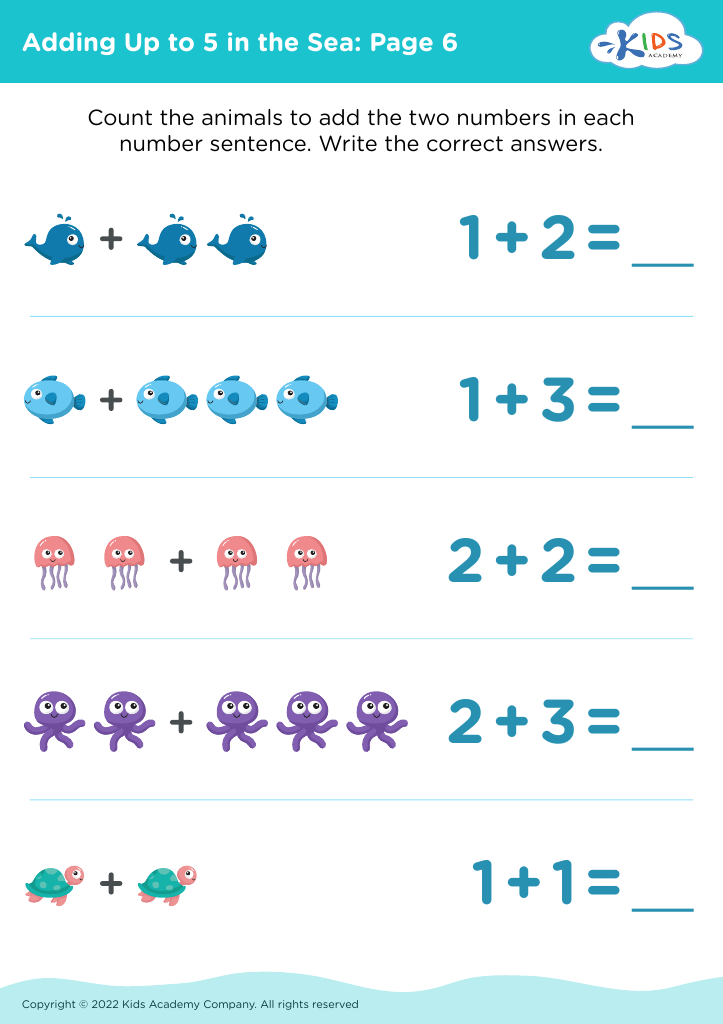
    Adding Up to 5 in the Sea: Page 6
    Adding Up to 5 in the Sea: Page 6

    Adding Up to 5 in the Sea: Page 6

    Adding Up to 5 in the Sea: Page 6
    Worksheet
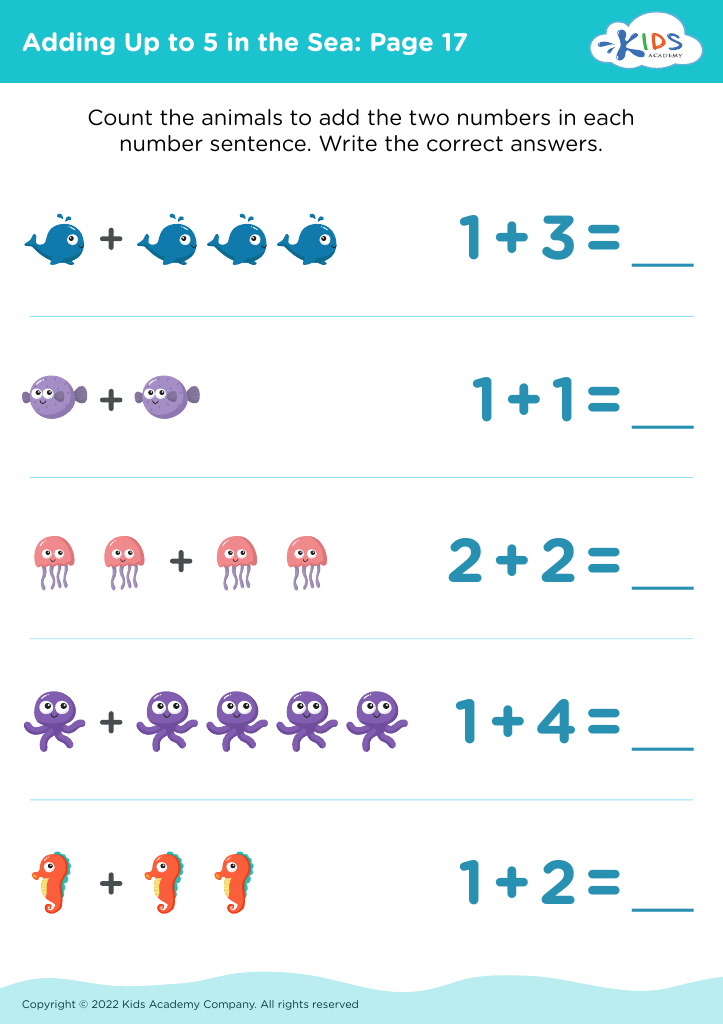
    Adding Up to 5 in the Sea: Page 17
    Adding Up to 5 in the Sea: Page 17
    Adding Up to 5 in the Sea: Page 17
    Worksheet
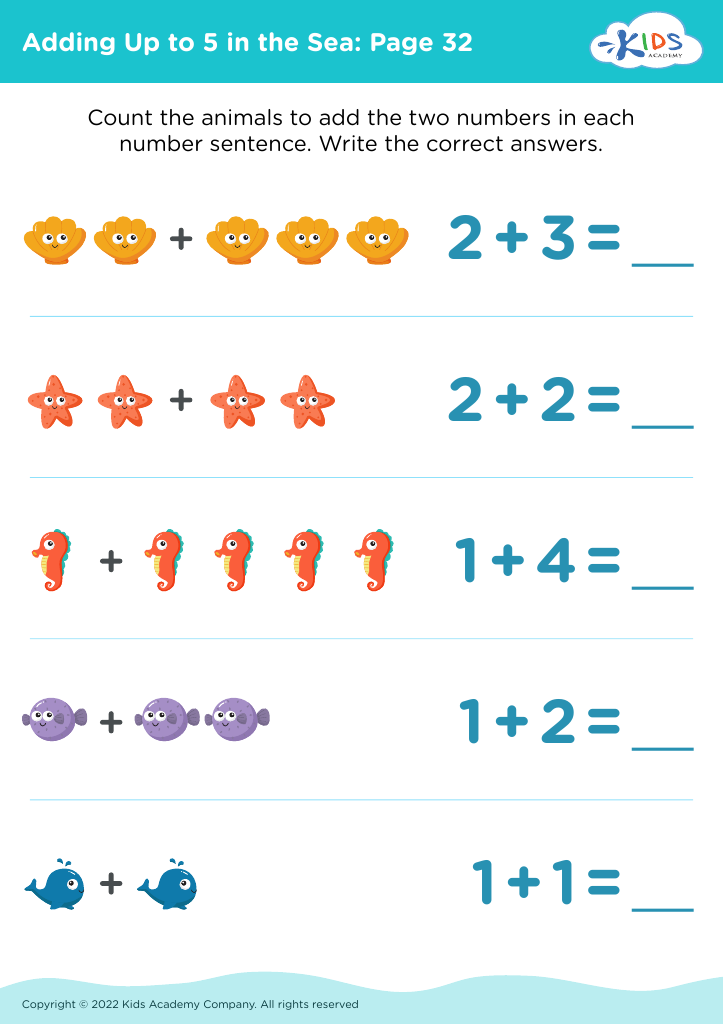
    Adding Up to 5 in the Sea: Page 32
    Adding Up to 5 in the Sea: Page 32
    Adding Up to 5 in the Sea: Page 32
    Worksheet
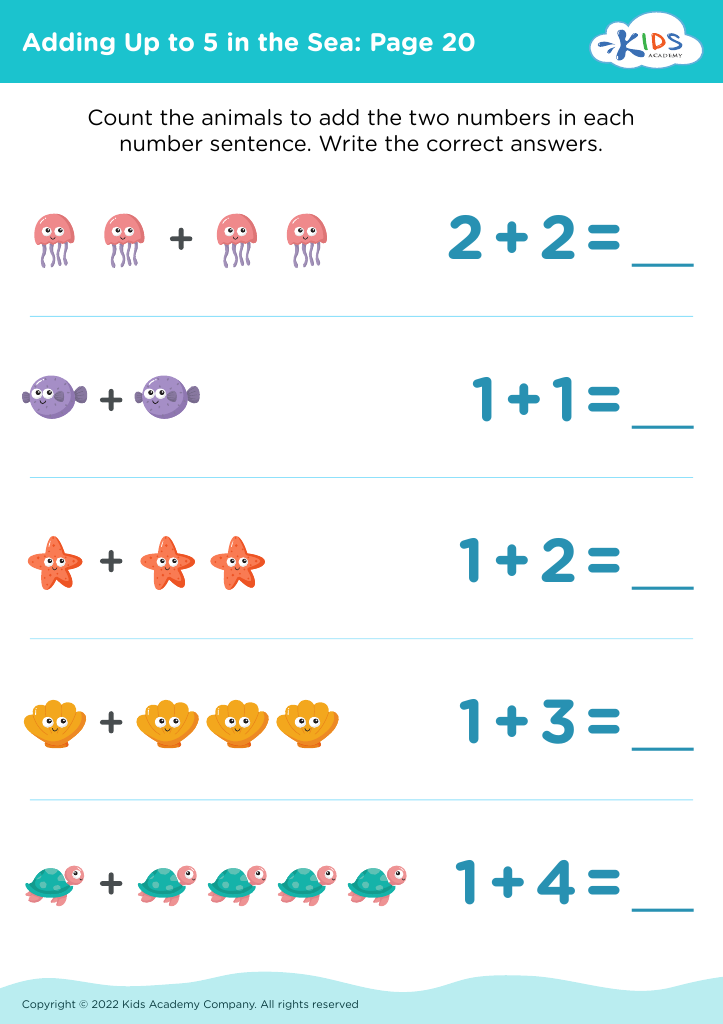
    Adding Up to 5 in the Sea: Page 20
    Adding Up to 5 in the Sea: Page 20
    Adding Up to 5 in the Sea: Page 20
    Worksheet
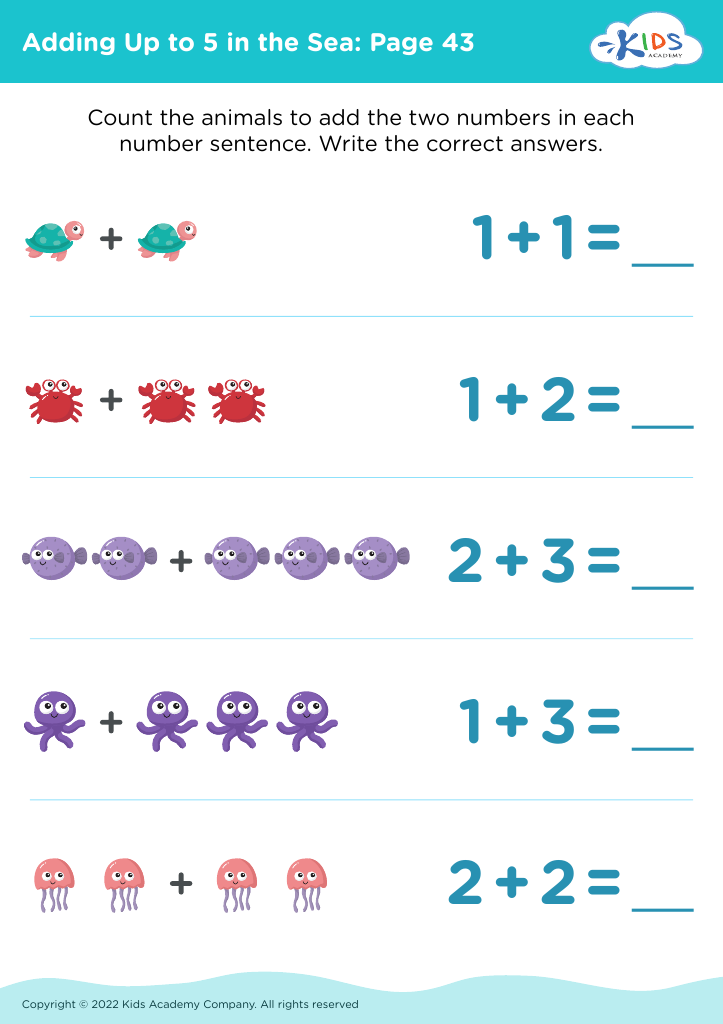
    Adding Up to 5 in the Sea: Page 43
    Adding Up to 5 in the Sea: Page 43
    Adding Up to 5 in the Sea: Page 43
    Worksheet
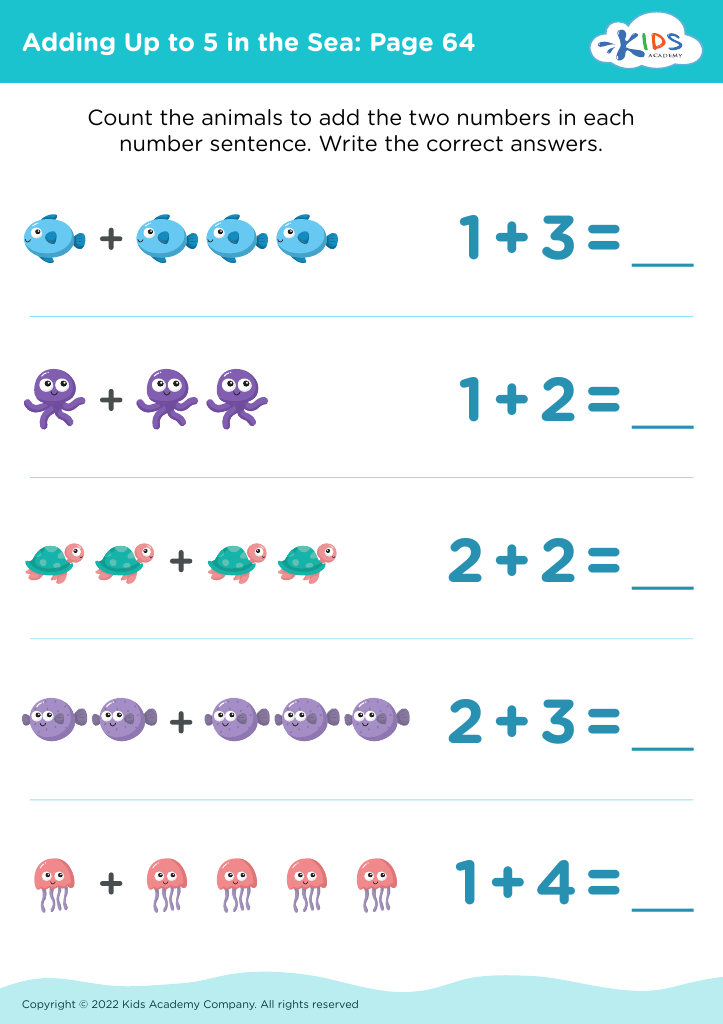
    Adding Up to 5 in the Sea: Page 64
    Adding Up to 5 in the Sea: Page 64
    Adding Up to 5 in the Sea: Page 64
    Worksheet
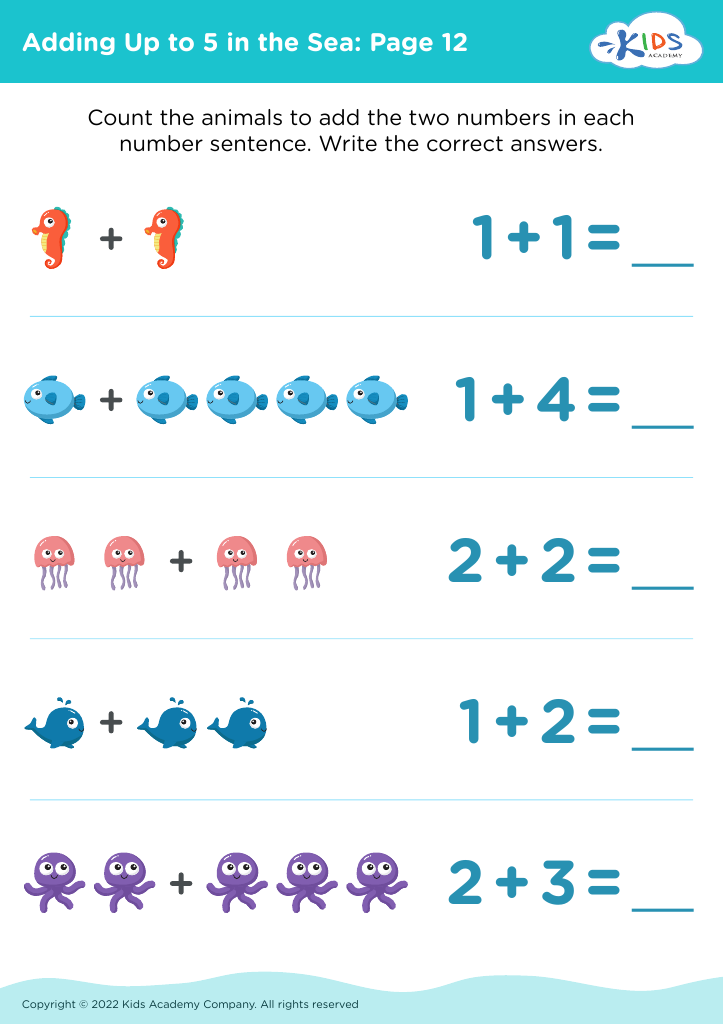
    Adding Up to 5 in the Sea: Page 12
    Adding Up to 5 in the Sea: Page 12
    Adding Up to 5 in the Sea: Page 12
    Worksheet
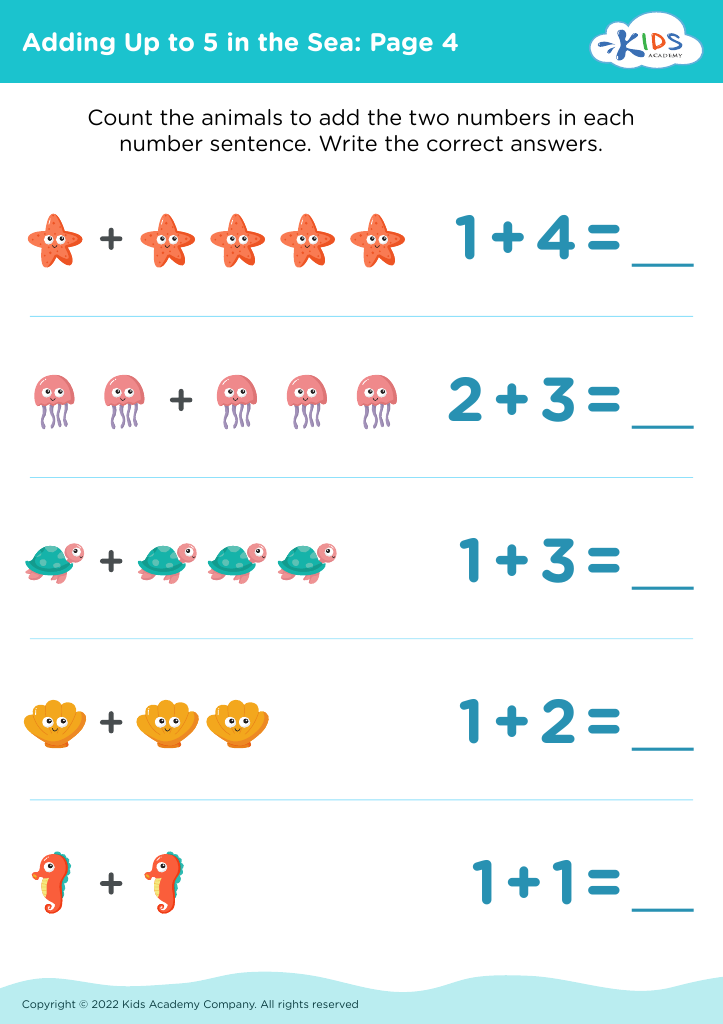
    Adding Up to 5 in the Sea: Page 4
    Adding Up to 5 in the Sea: Page 4

    Adding Up to 5 in the Sea: Page 4

    Adding Up to 5 in the Sea: Page 4
    Worksheet
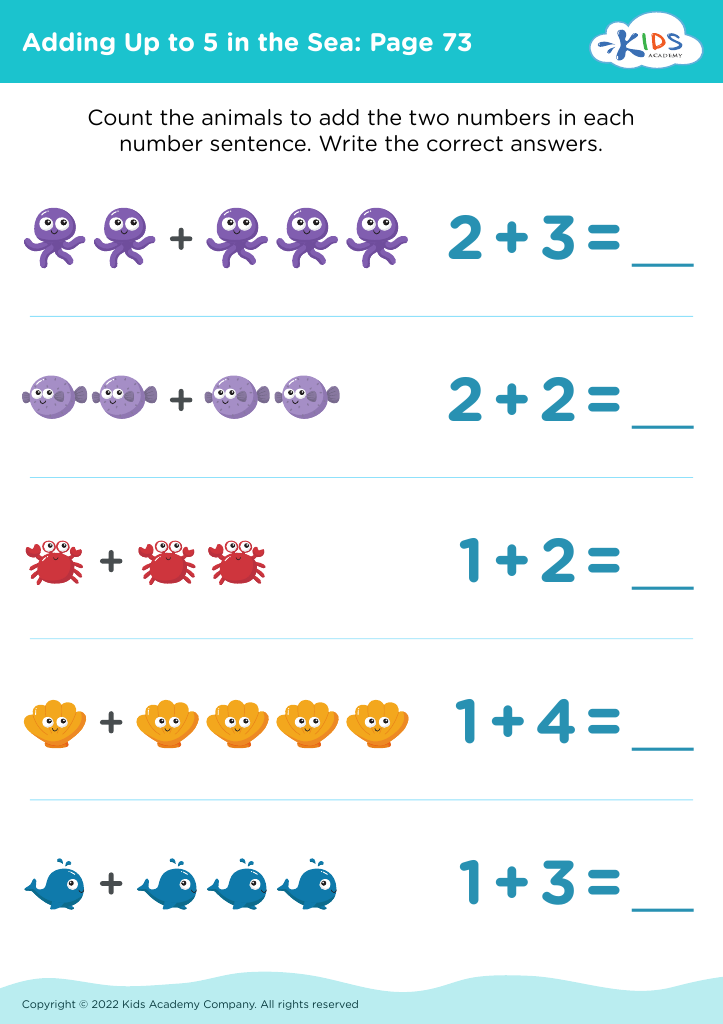
    Adding Up to 5 in the Sea: Page 73
    Adding Up to 5 in the Sea: Page 73
    Adding Up to 5 in the Sea: Page 73
    Worksheet


    Parents and teachers should prioritize Number Recognition and the educational activity “Adding in the Sea” for children ages 4-8 for several compelling reasons. Firstly, number recognition is a foundational skill in early mathematics, critical for future academic success. By engaging young learners with fun, interactive activities like “Adding in the Sea,” children are more likely to develop a positive attitude toward math, making learning enjoyable and less intimidating.

    Secondly, this activity can help spark curiosity about numbers in a playful context. Through creative visuals, such as sea creatures or underwater themes, children can connect math concepts with real-world scenarios, bolstering engagement and comprehension. It stimulates problem-solving skills, encourages independent thinking, and promotes spatial awareness through counting and addition experiences.

    Furthermore, such playful learning encourages social interaction when children collaborate in pairs or groups, enhancing their communication skills and fostering cooperation. Teachers and parents who lay a solid groundwork in number recognition and addition can contribute significantly to a child's cognitive development.

    Overall, emphasizing activities like “Adding in the Sea” provides enriching, experiential learning opportunities resulting in a child's early mathematical journey, setting them up for lifelong success in mathematics and beyond.