Animal identification Adding on the Farm Worksheets for Ages 4-8
15 filtered results
Difficulty Level
Grade
Age
-
From - To
Subject
Activity
Standards
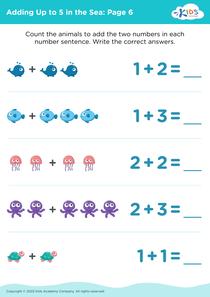
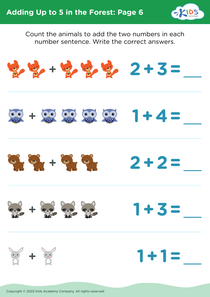
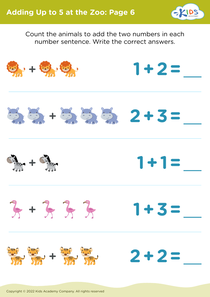
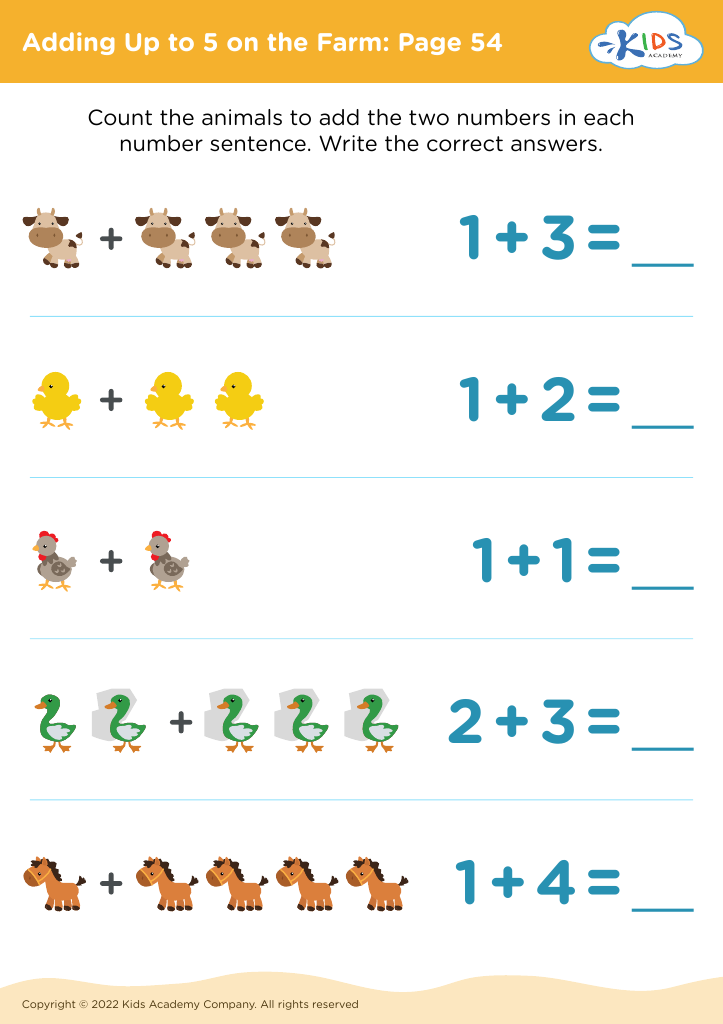
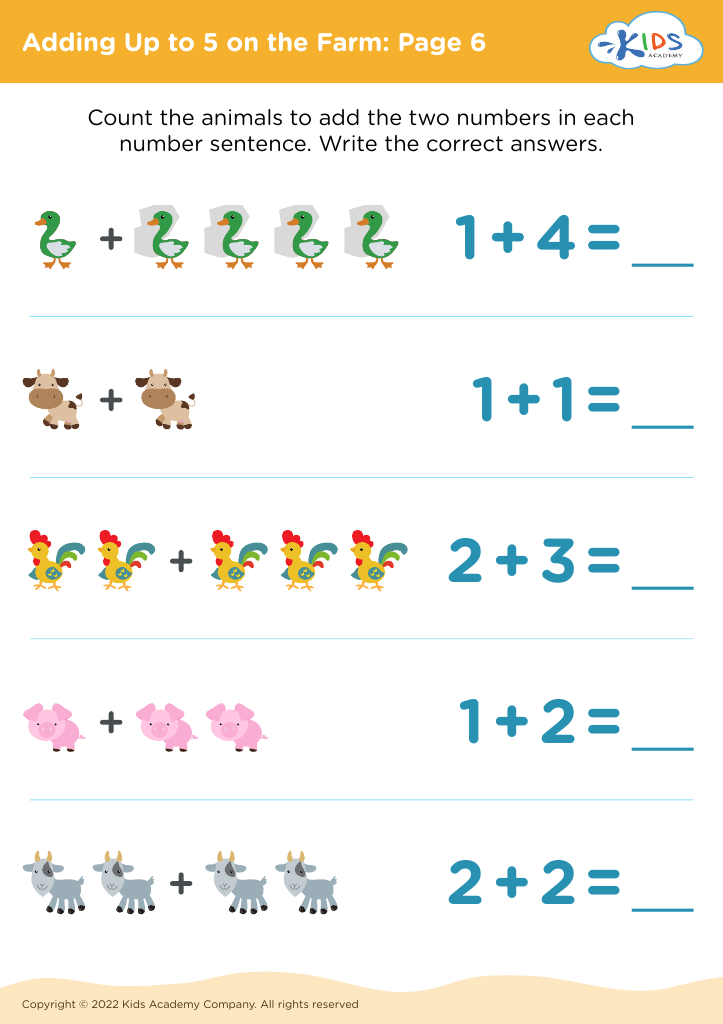
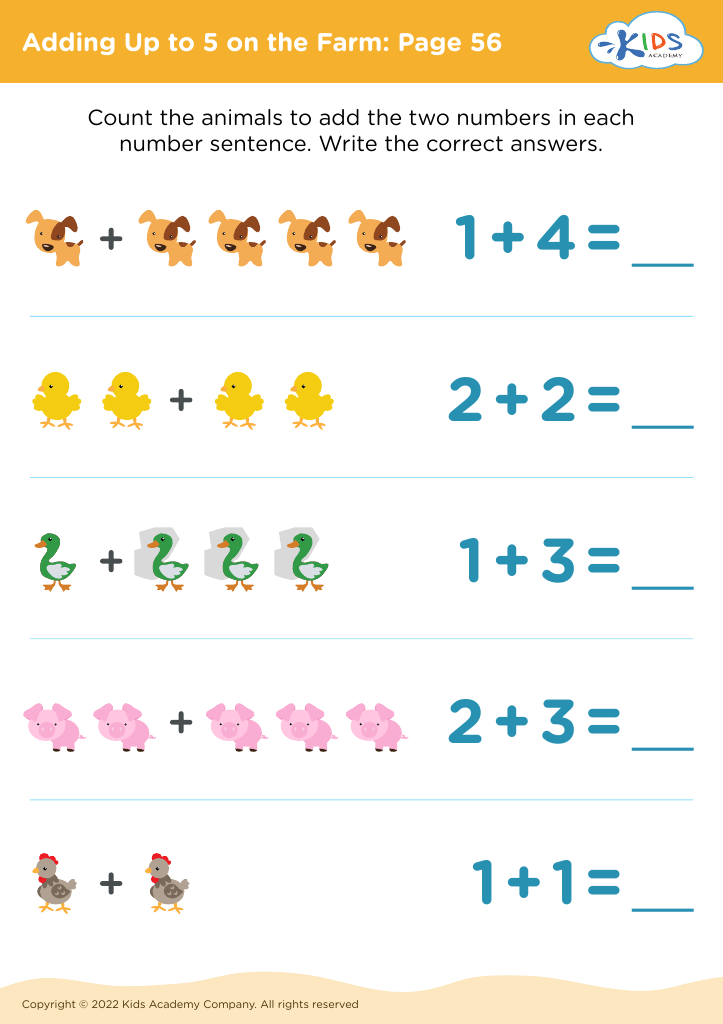
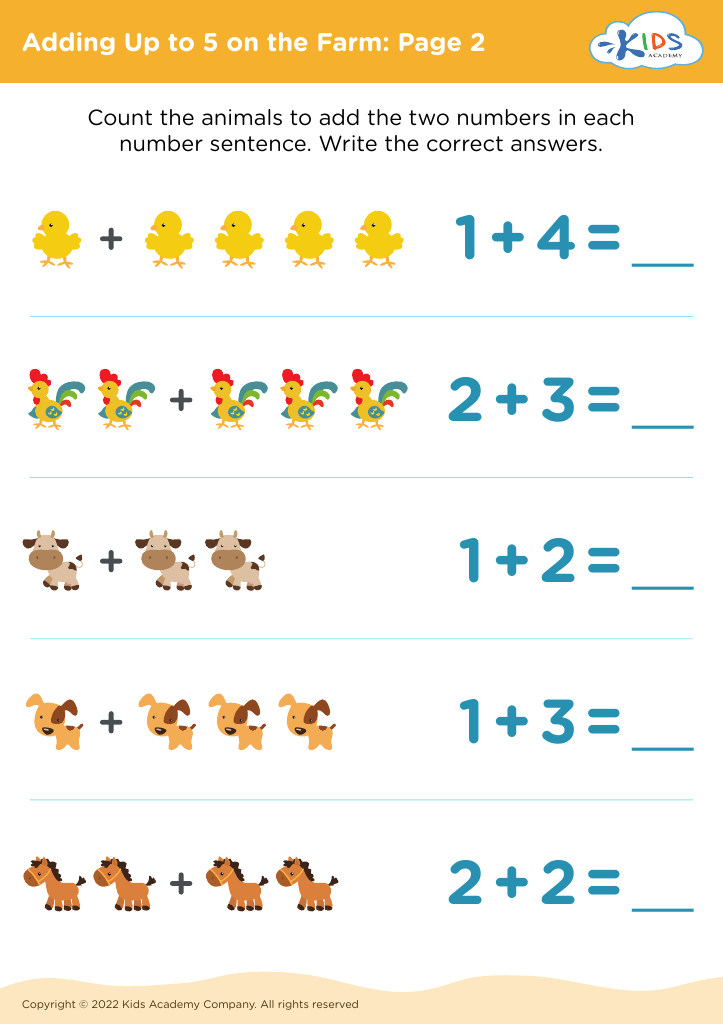
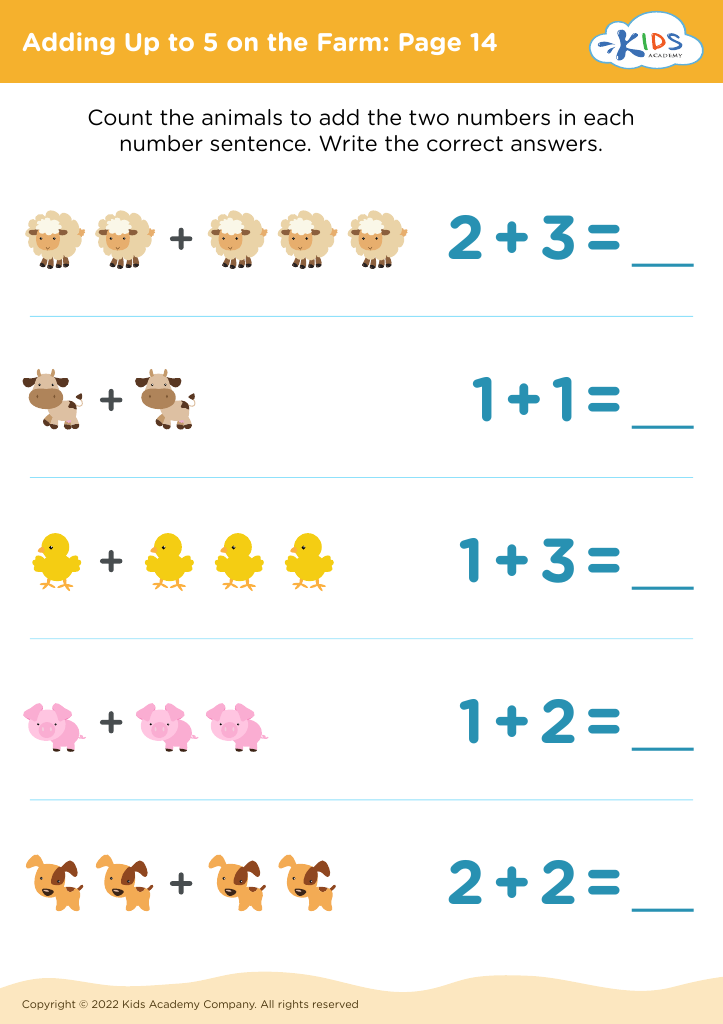
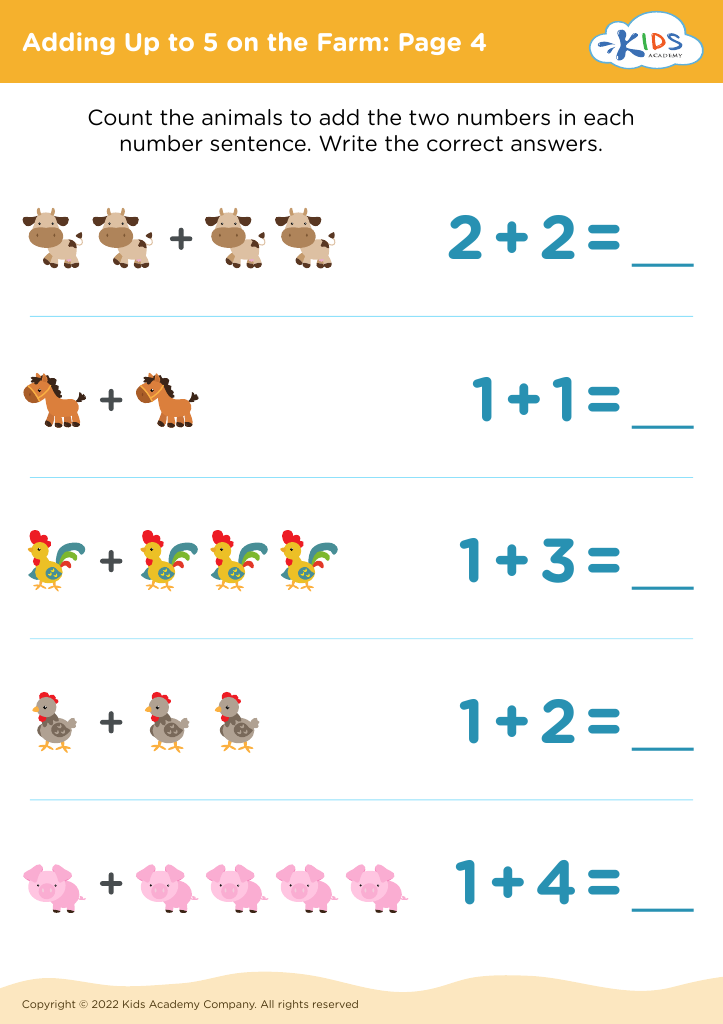
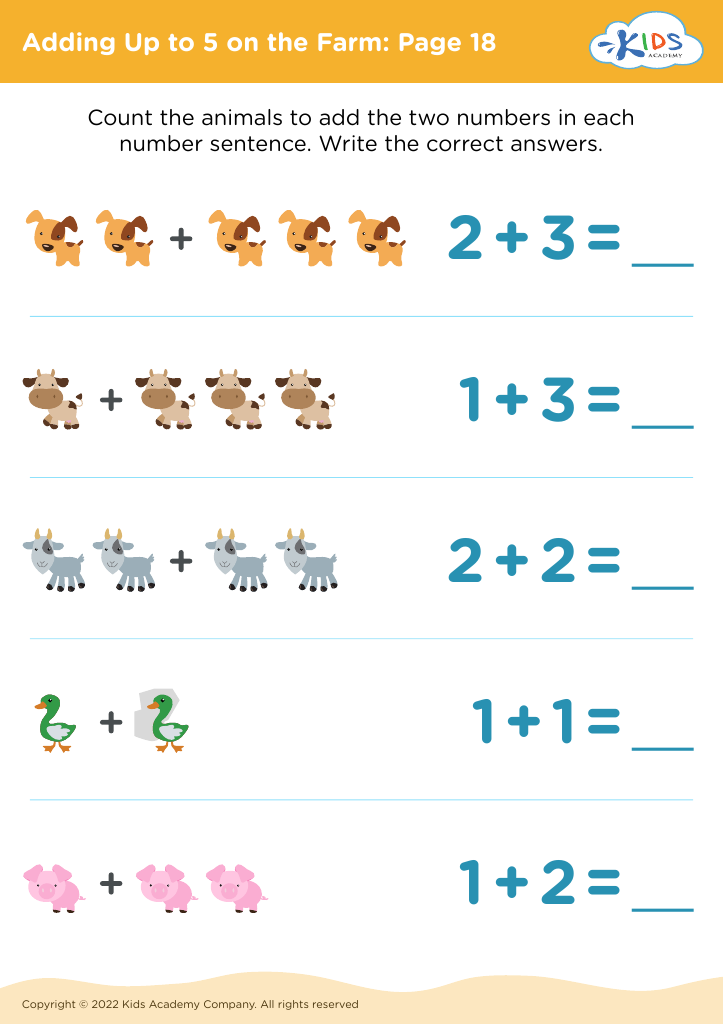
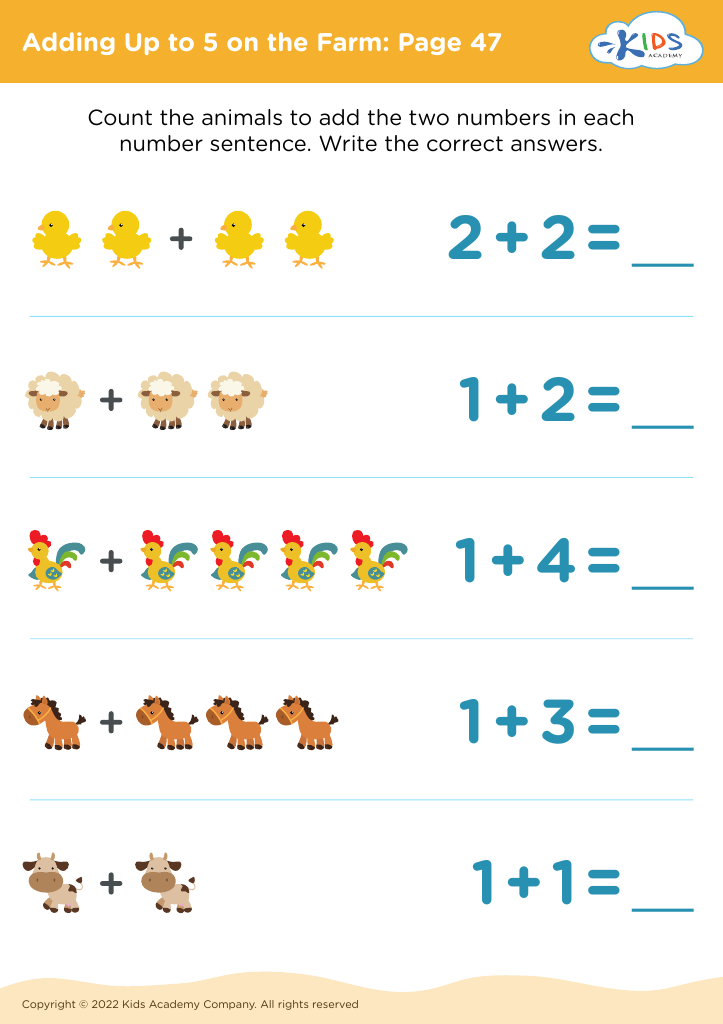
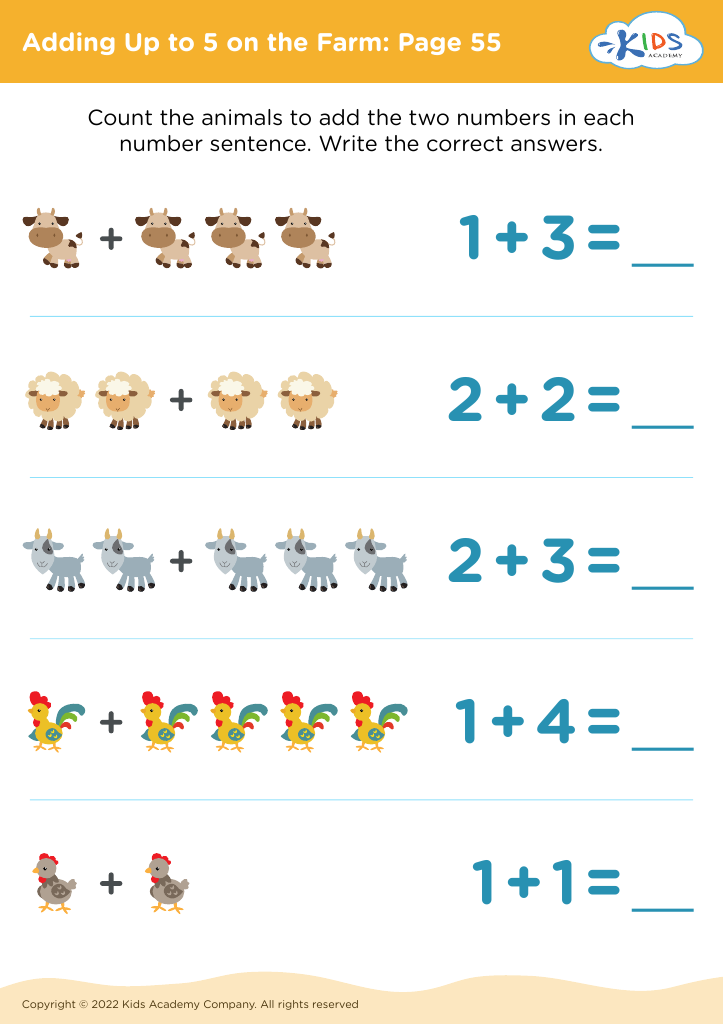
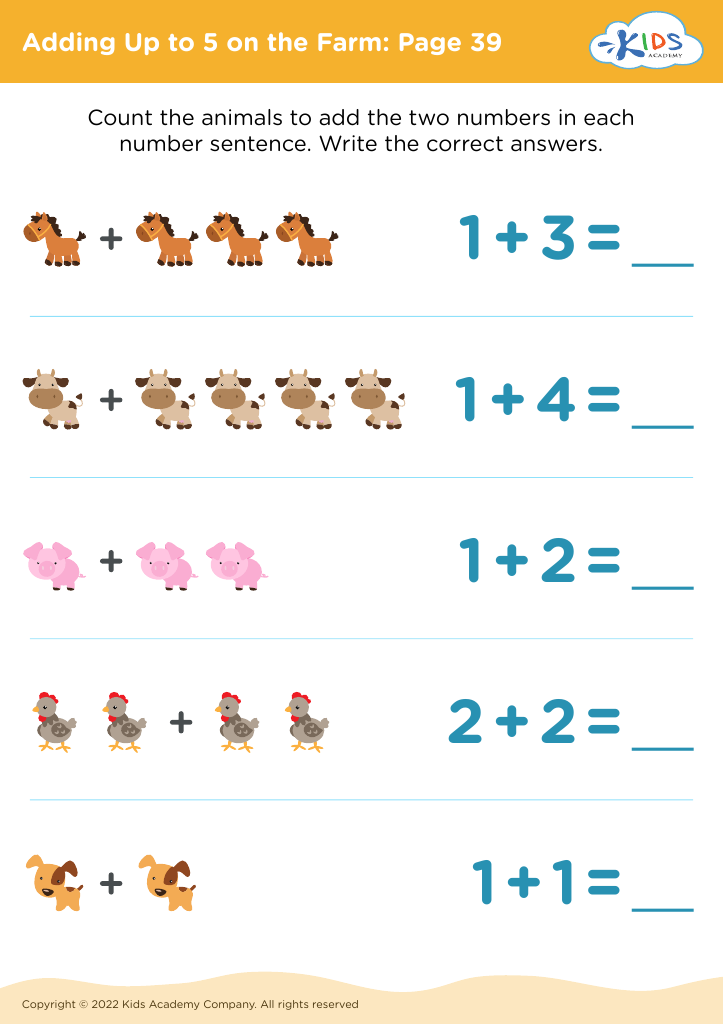
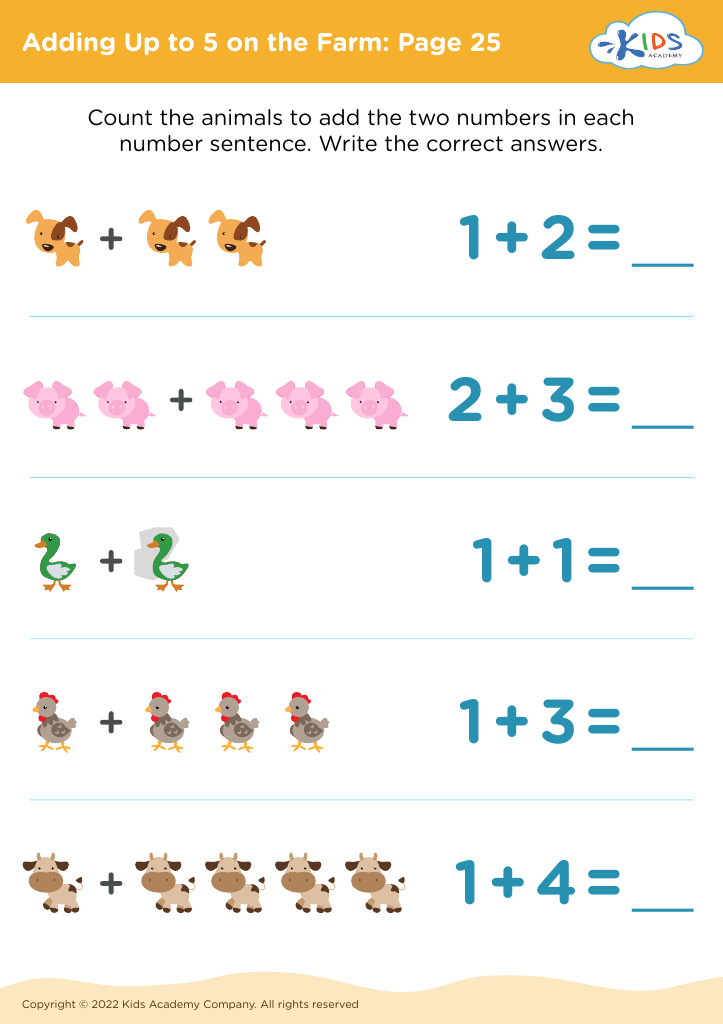
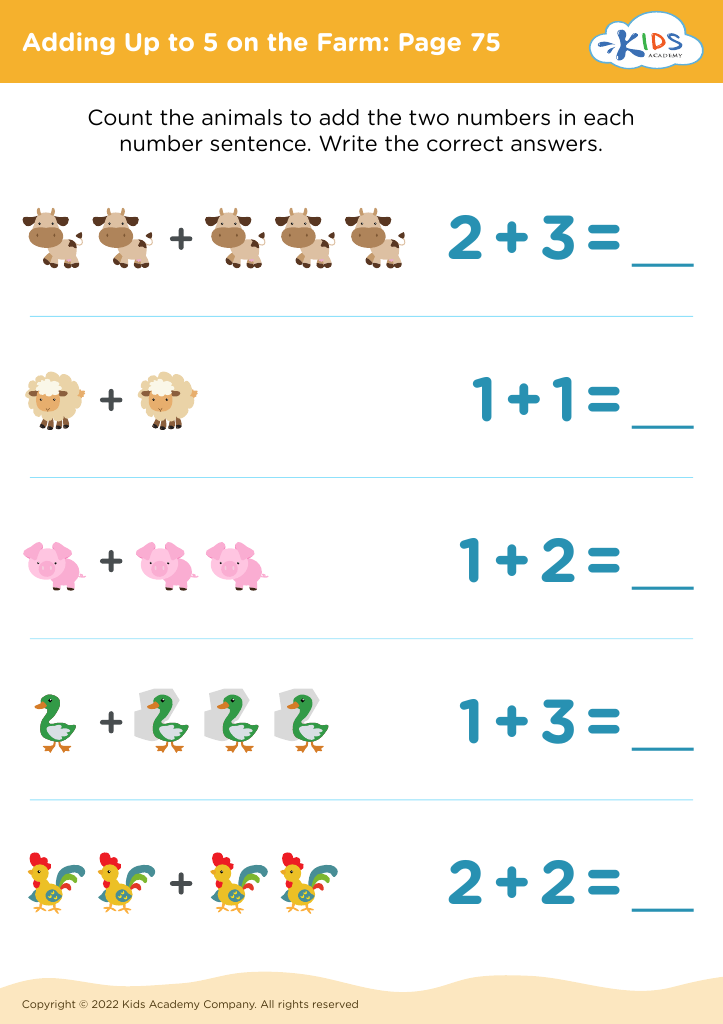
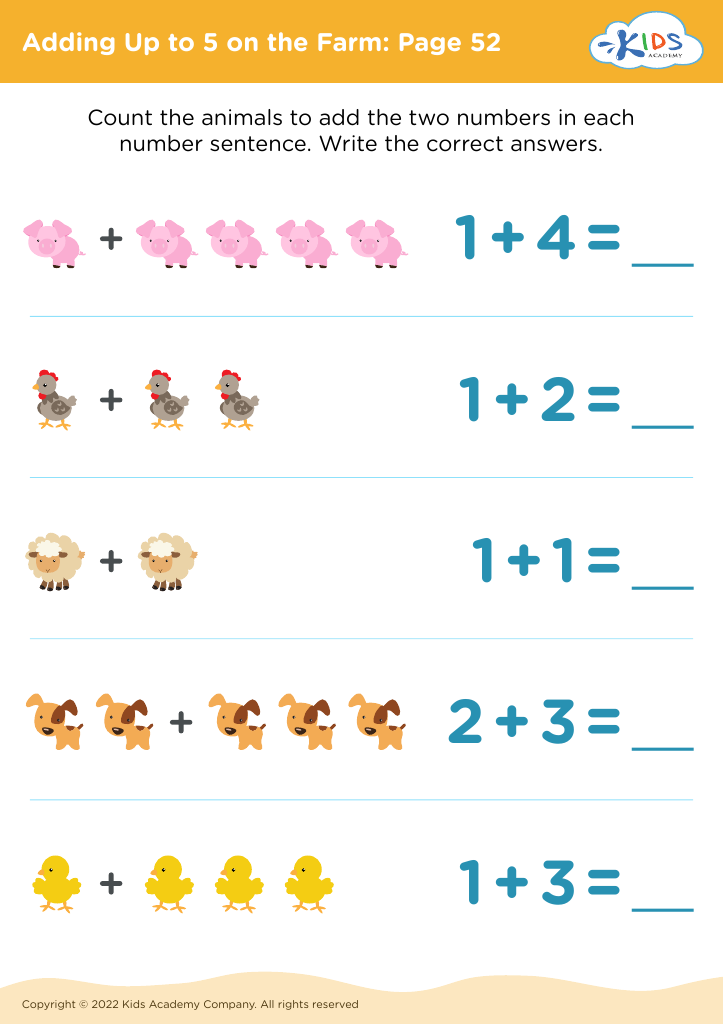
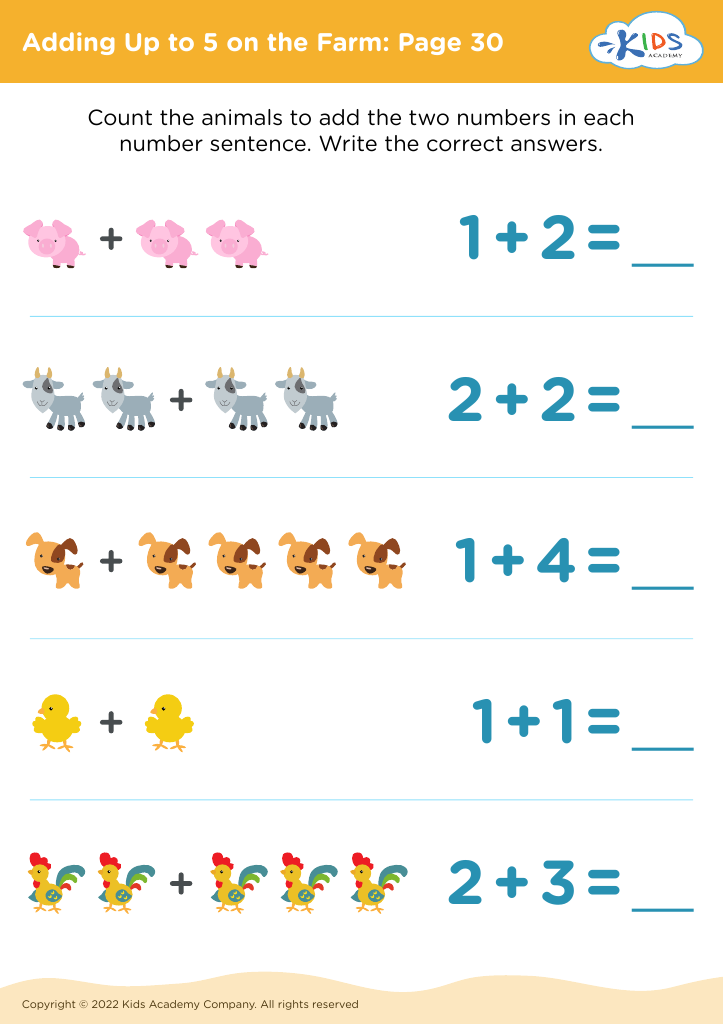
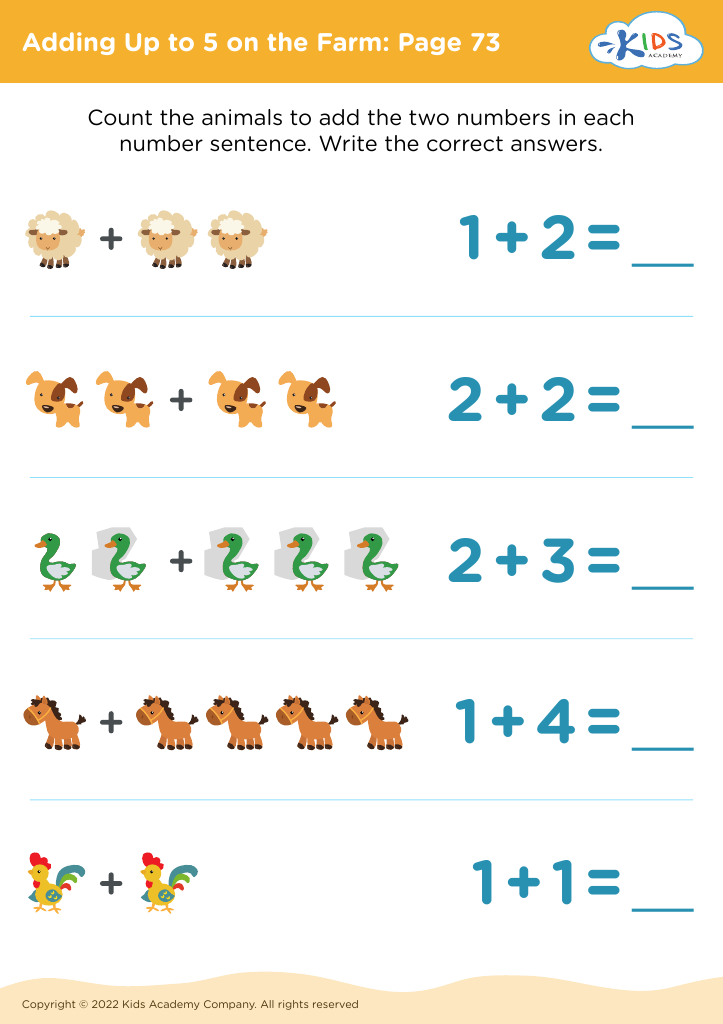
Introduce young learners to the world of animals with our "Animal Identification Adding on the Farm Worksheets" designed for ages 4-8! These interactive worksheets combine foundational math skills with fun farm-themed visuals, engaging children in both addition and animal recognition. Each worksheet offers vibrant illustrations of familiar farm animals, making learning enjoyable and effective. As kids solve the addition problems, they also develop essential identification skills, fostering creativity and critical thinking. Perfect for home or classroom use, these worksheets support early literacy and numeracy, ensuring a comprehensive learning experience. Start your child's educational journey with us today!
Favorites
With answer key
Interactive
Join Kids Academy for Free
Who is primarily going to use this learning content?



Animal identification on farms is important for both parents and teachers, especially for children ages 4-8, as it fosters a connection to animals and agricultural life. Understanding how to identify animals helps children learn about different species, their characteristics, and their roles on a farm. This knowledge fosters curiosity and respect for wildlife and agricultural science.
Engaging with animal identification encourages responsibility and empathy in young children. When kids recognize individual animals, they are more likely to appreciate their needs and behaviors, which is crucial for proper care. Parents and teachers can use this opportunity to teach valuable lessons about compassion, teamwork, and the importance of animal welfare.
Additionally, learning about animal identification creates a foundation for essential skills in observation and critical thinking. Children develop their ability to sort and categorize, building a strong base for future learning in science and environmental studies.
By incorporating animal identification into their curriculum or family activities, parents and teachers make learning enjoyable and meaningful, nurturing a deeper understanding of nature and fostering curiosity that can last a lifetime. Such experiences not only enrich children’s lives but also contribute to their overall development and connection to the world around them.