Understanding fractions Adding up to 100 Worksheets for Ages 4-8
51 filtered results
-
From - To
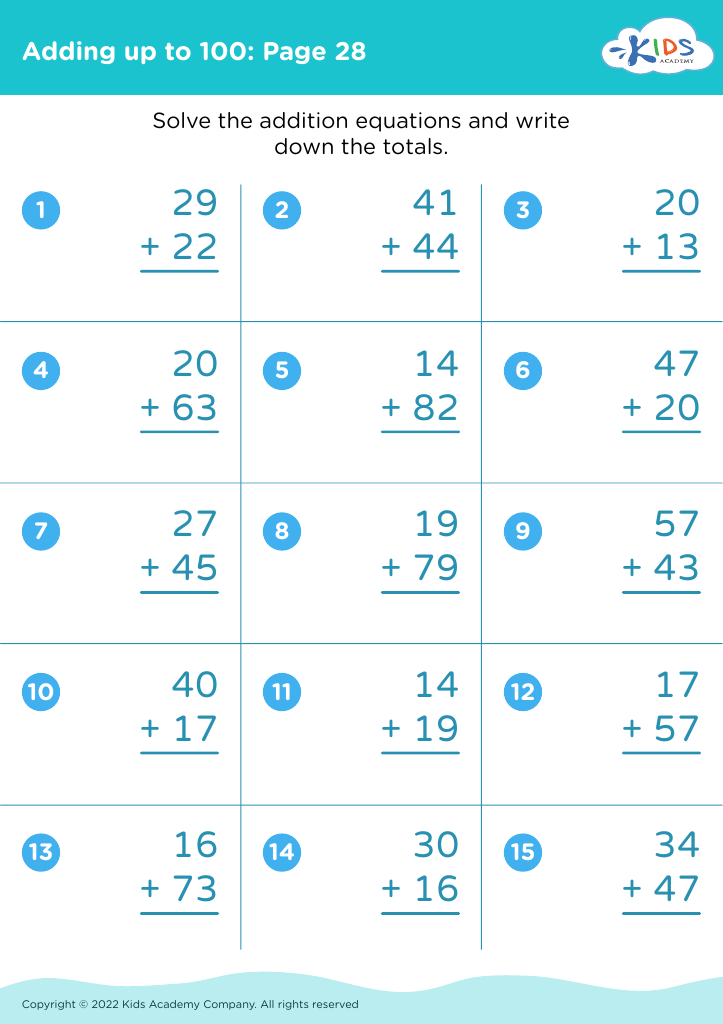
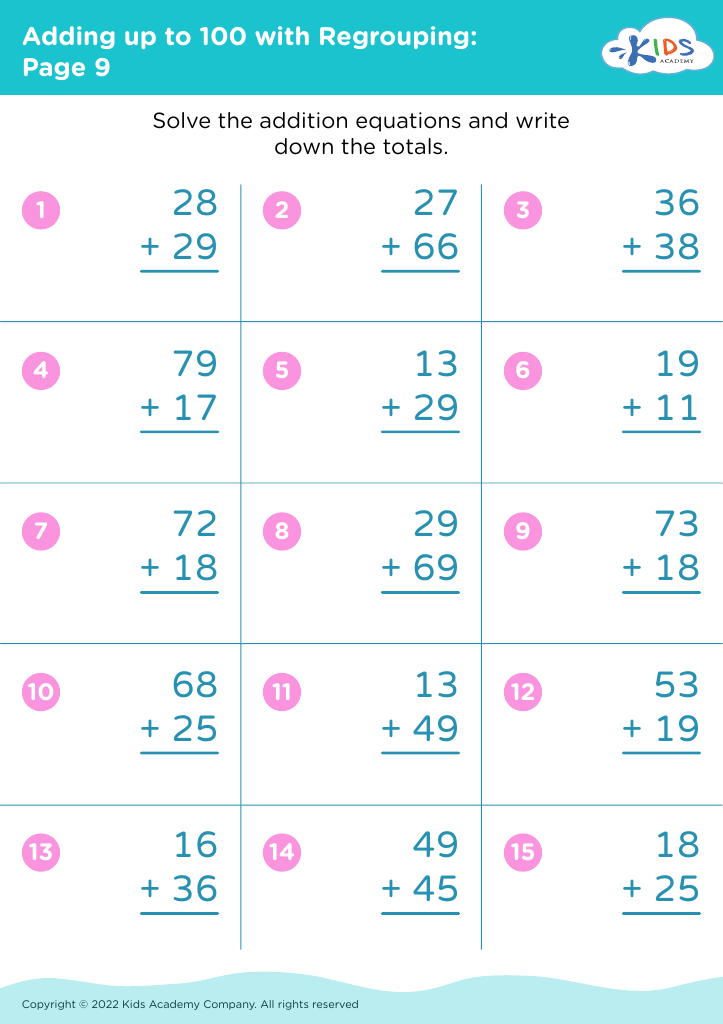
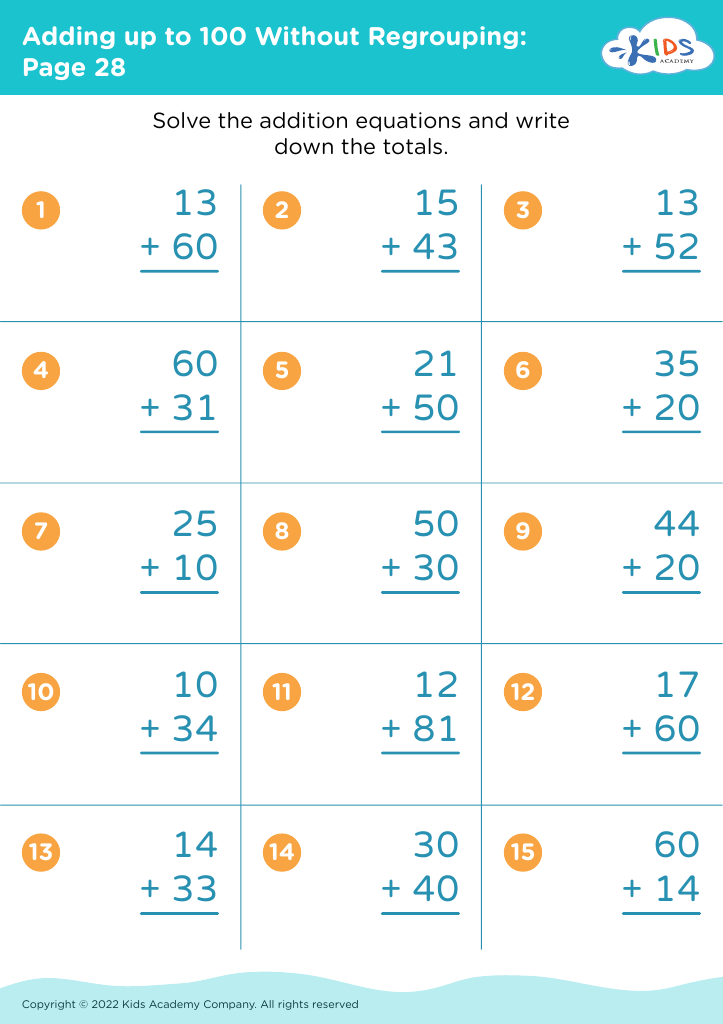
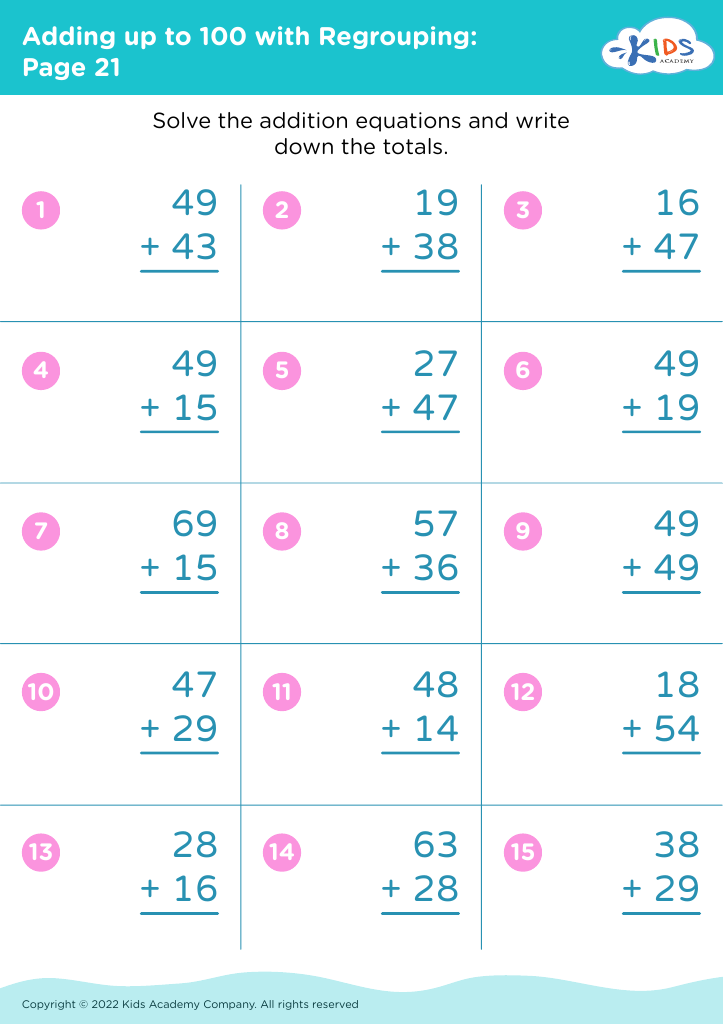
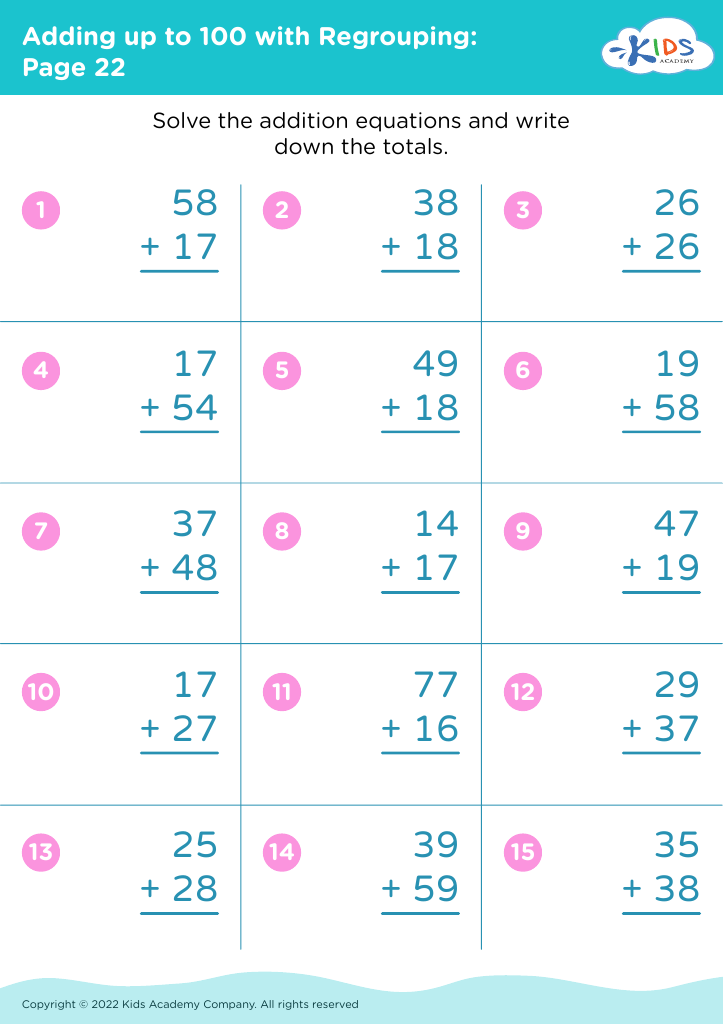
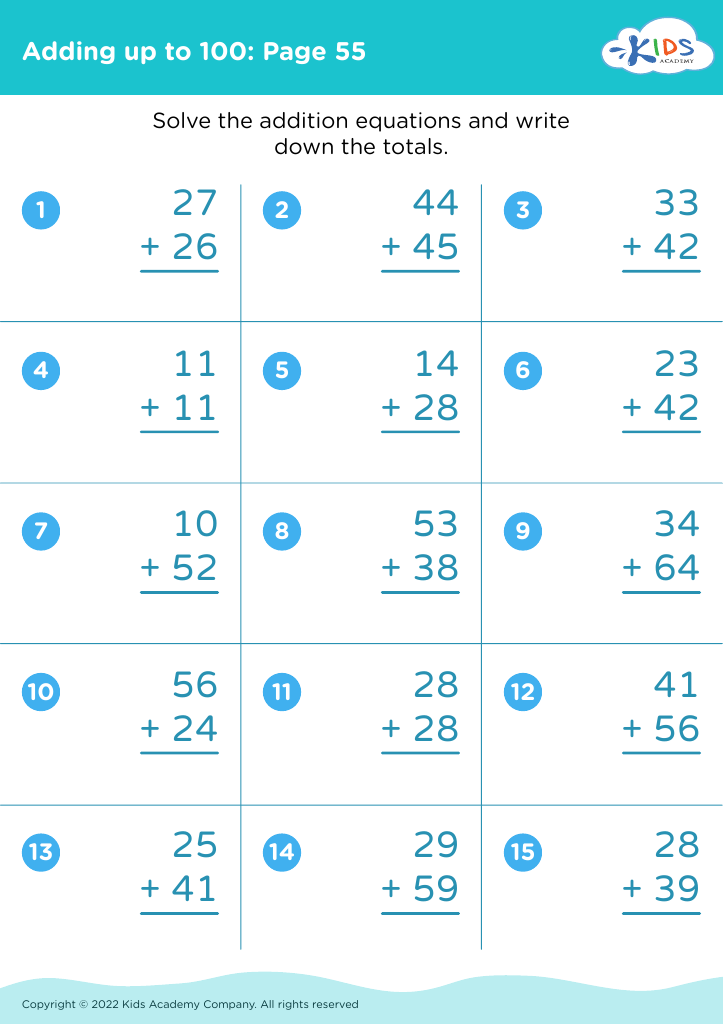
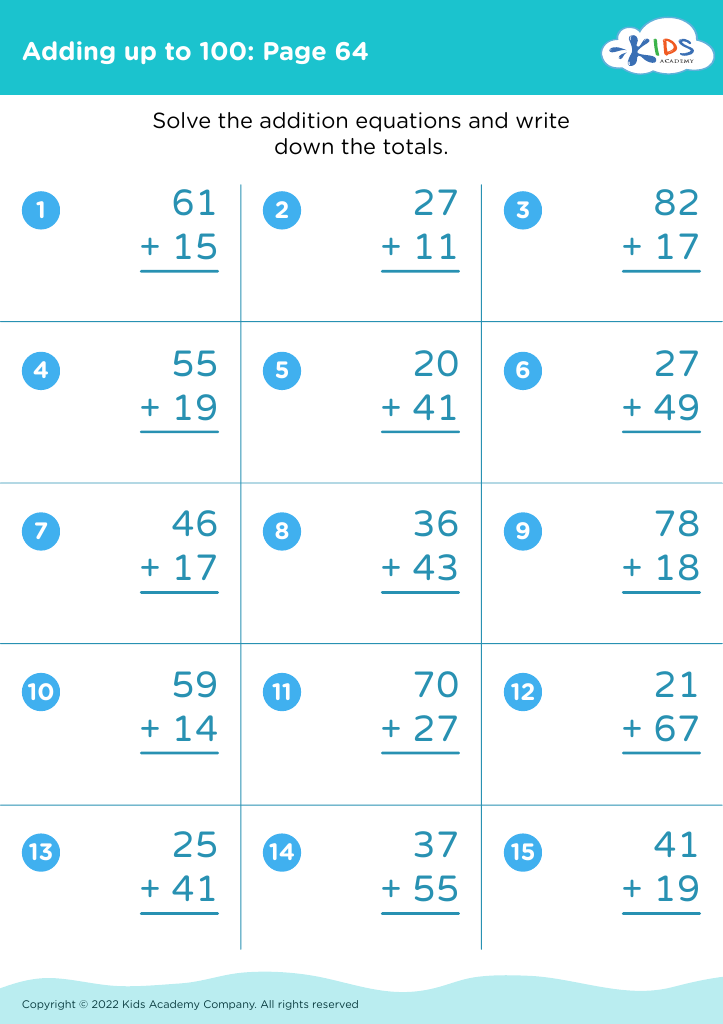
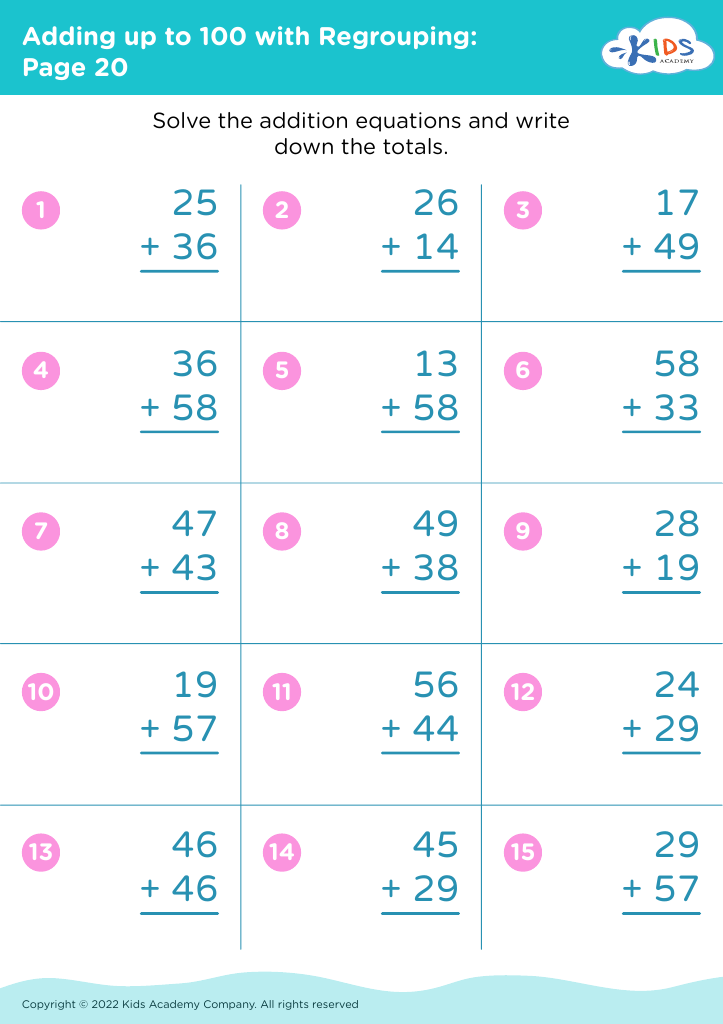
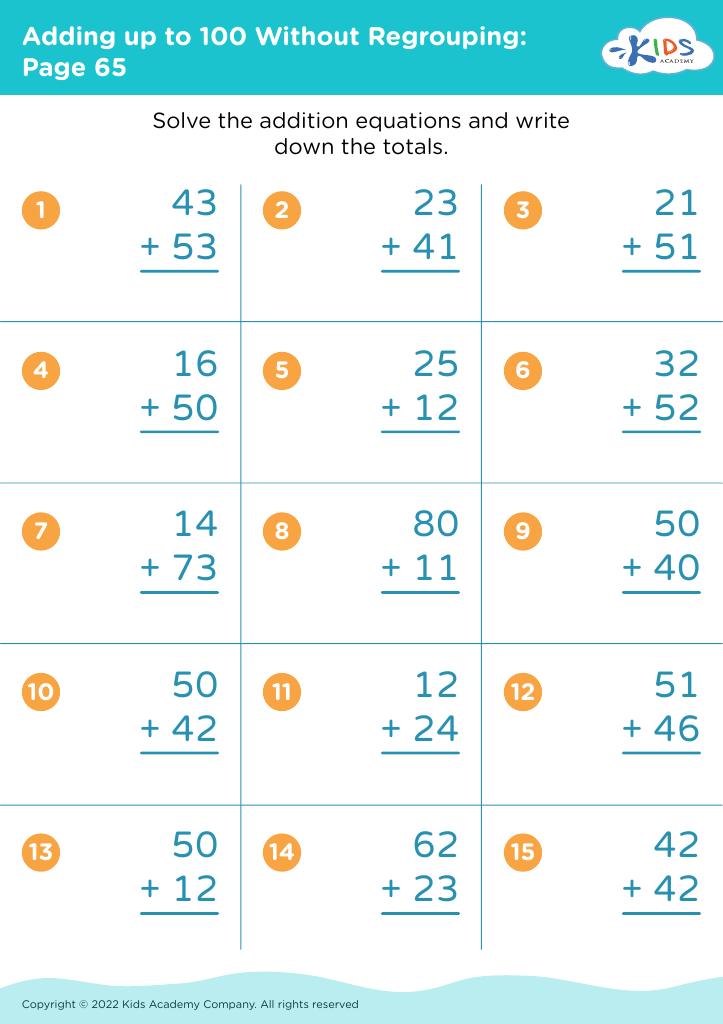
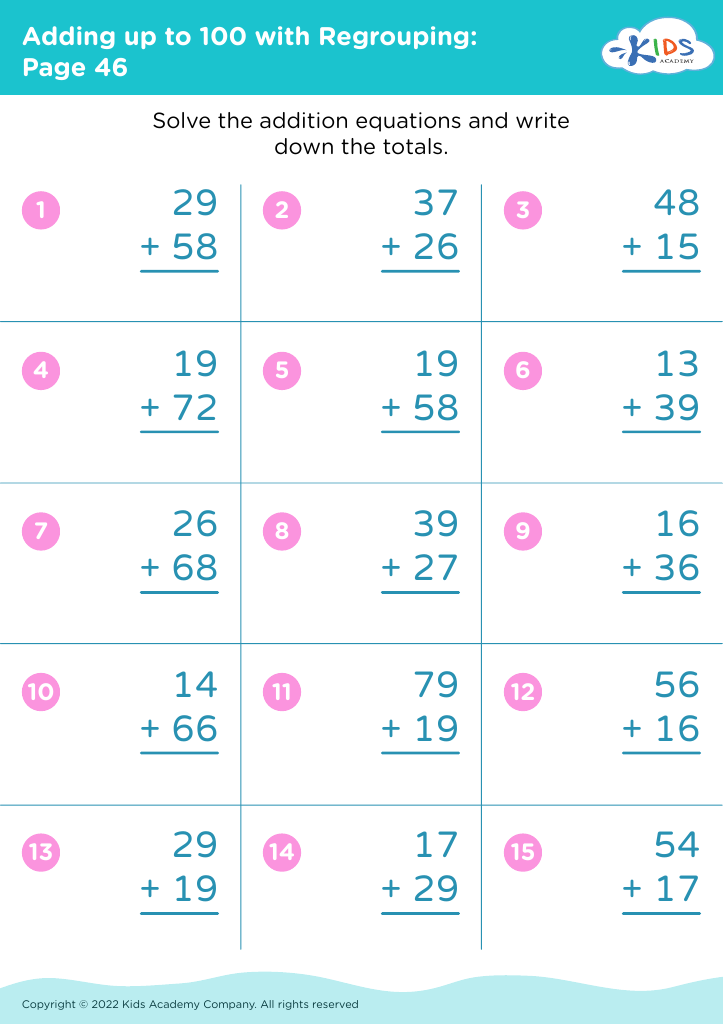
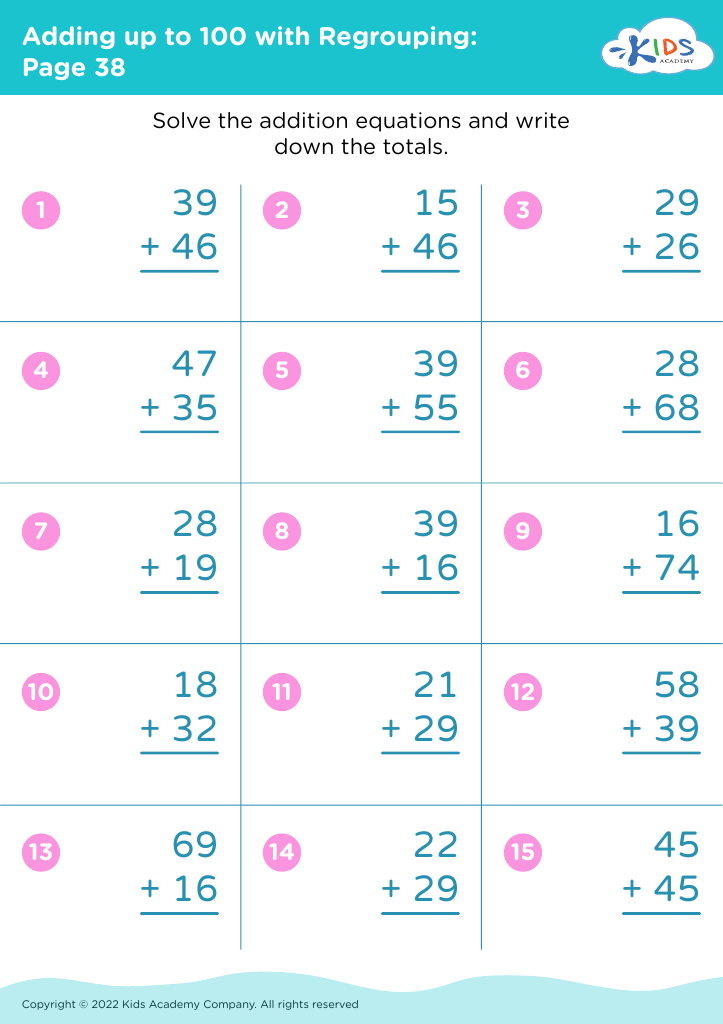
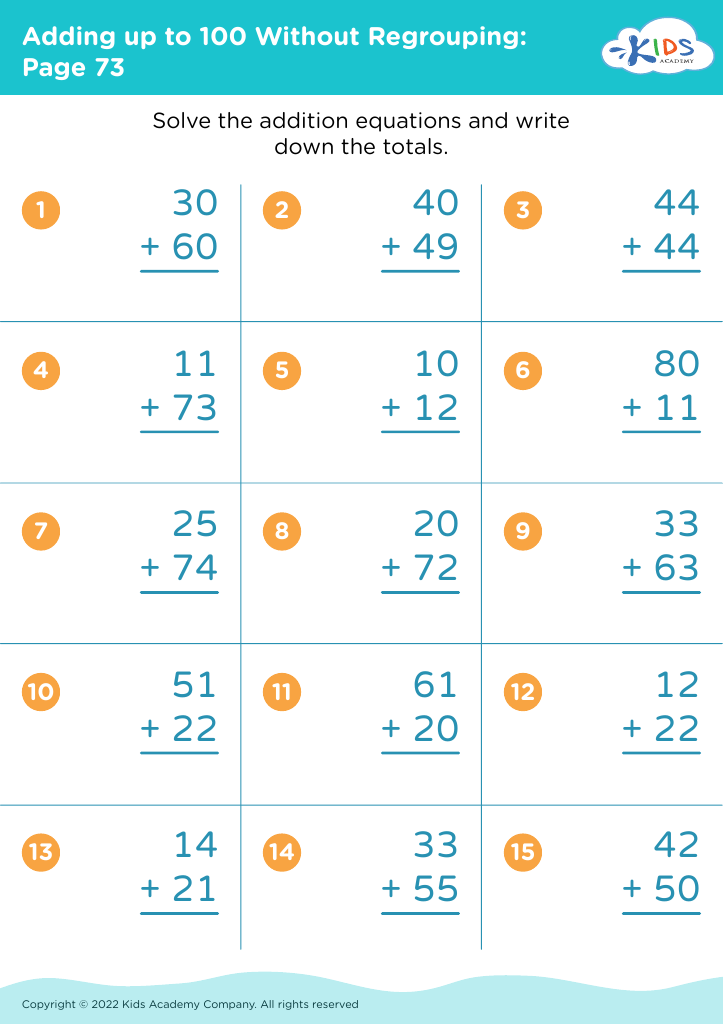
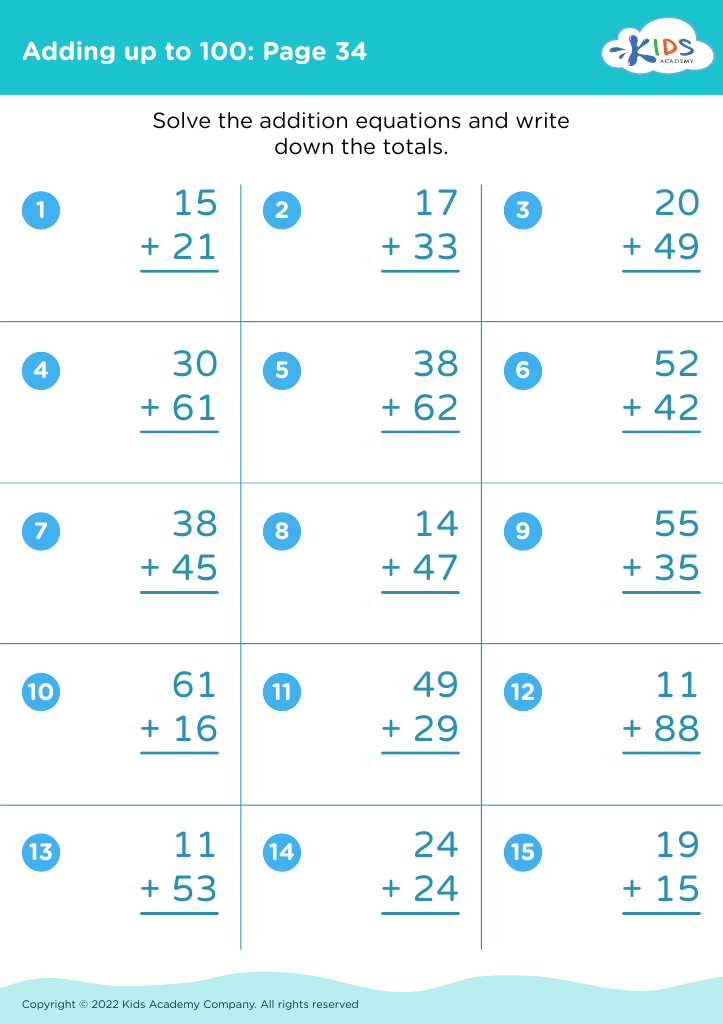
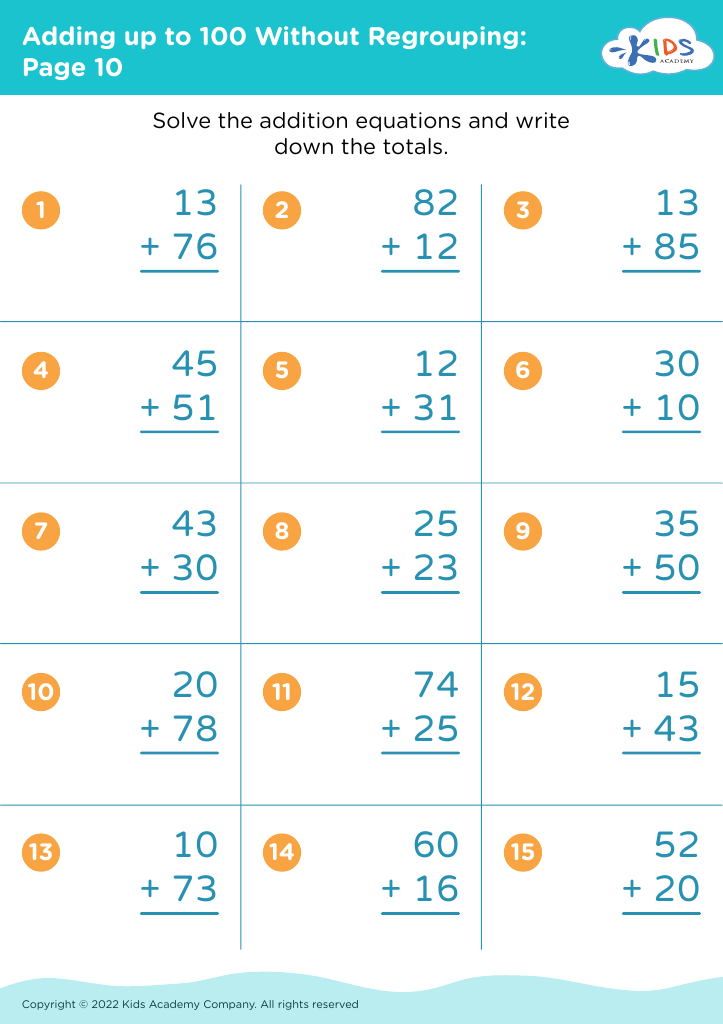
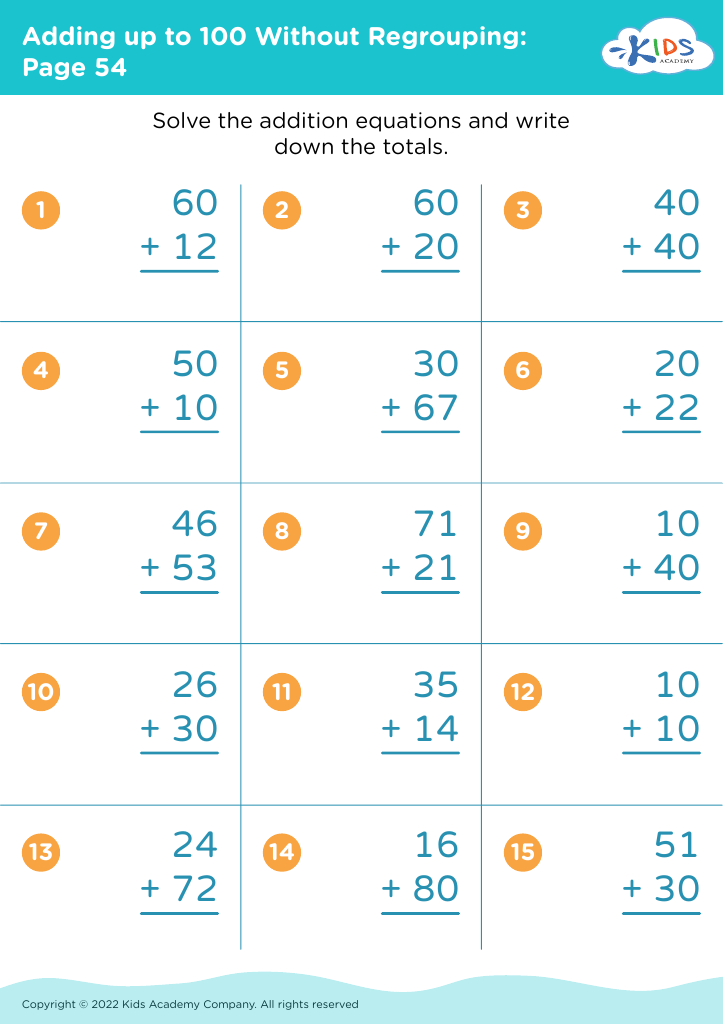
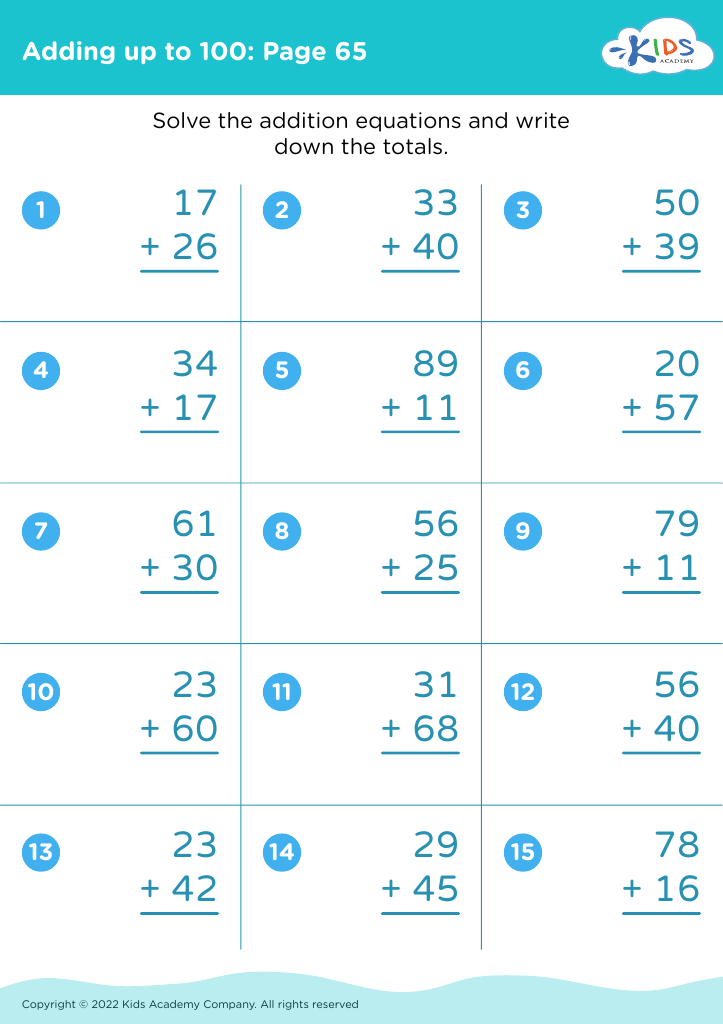
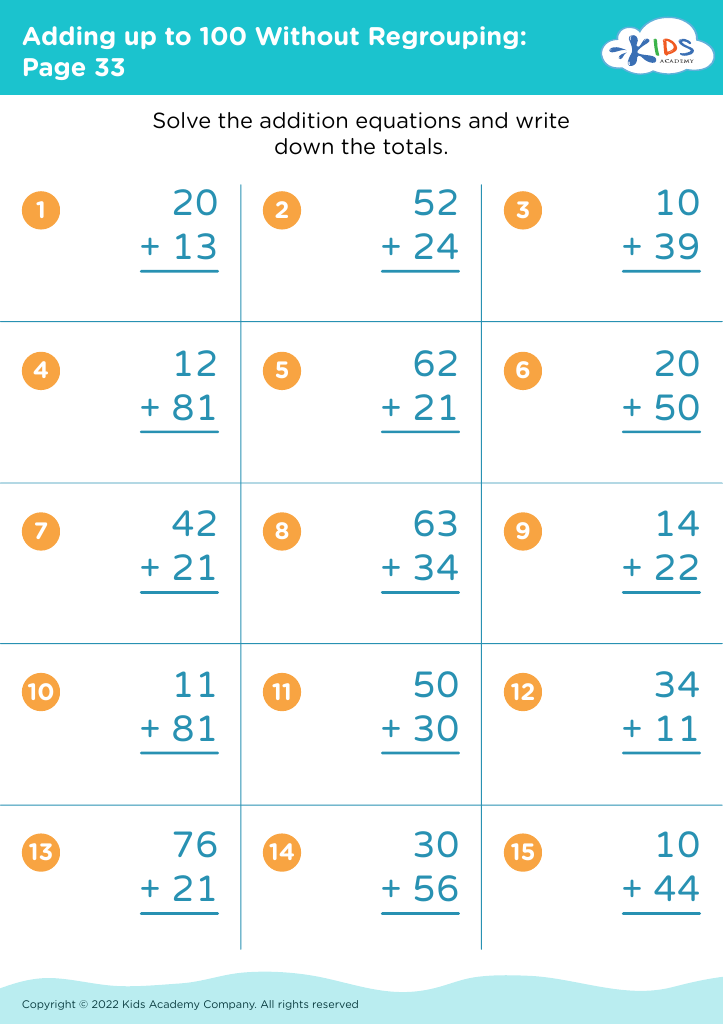
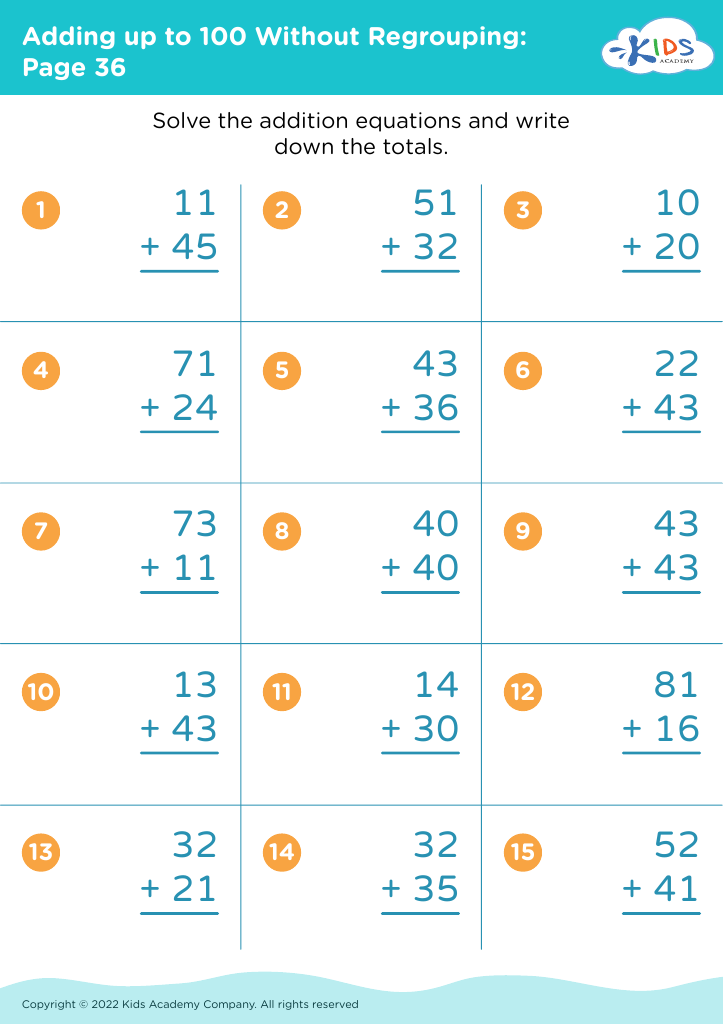
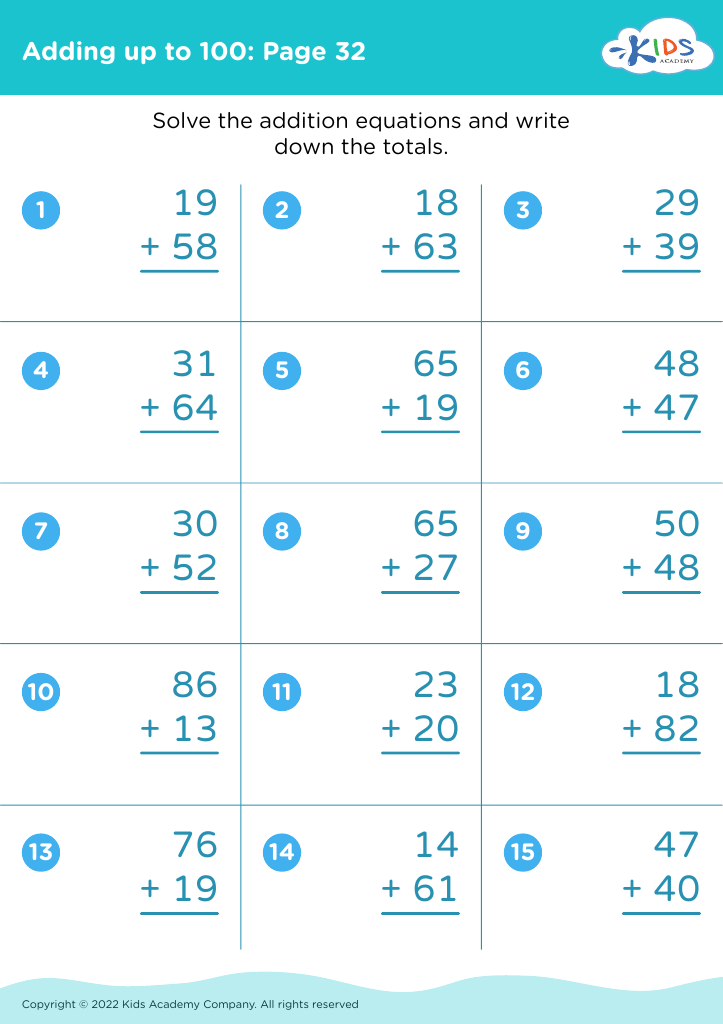
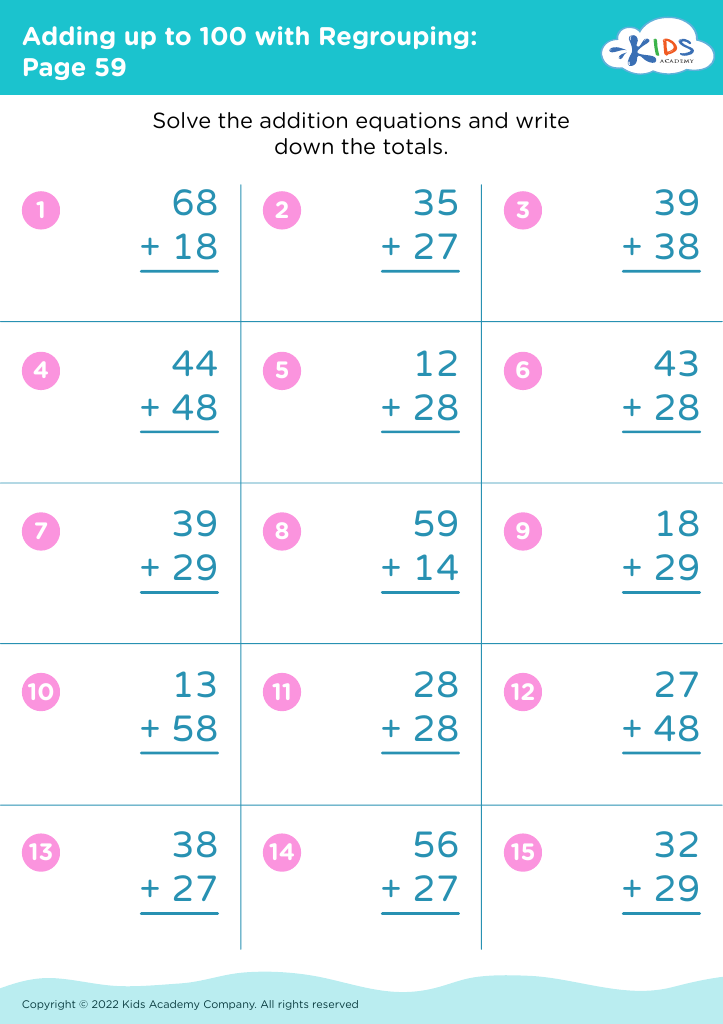
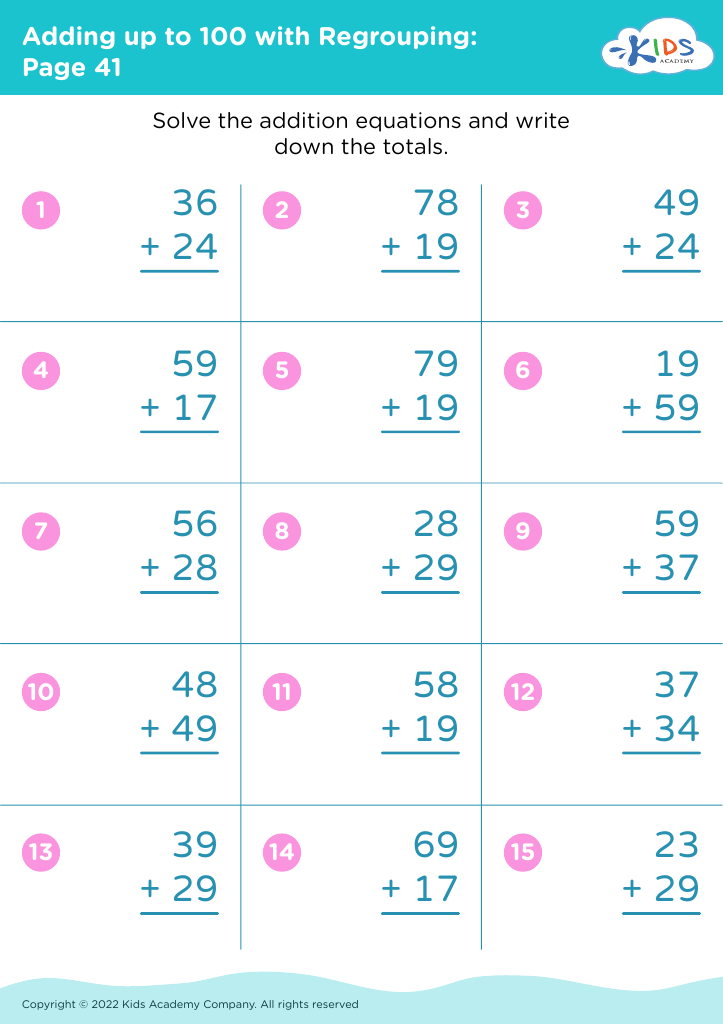
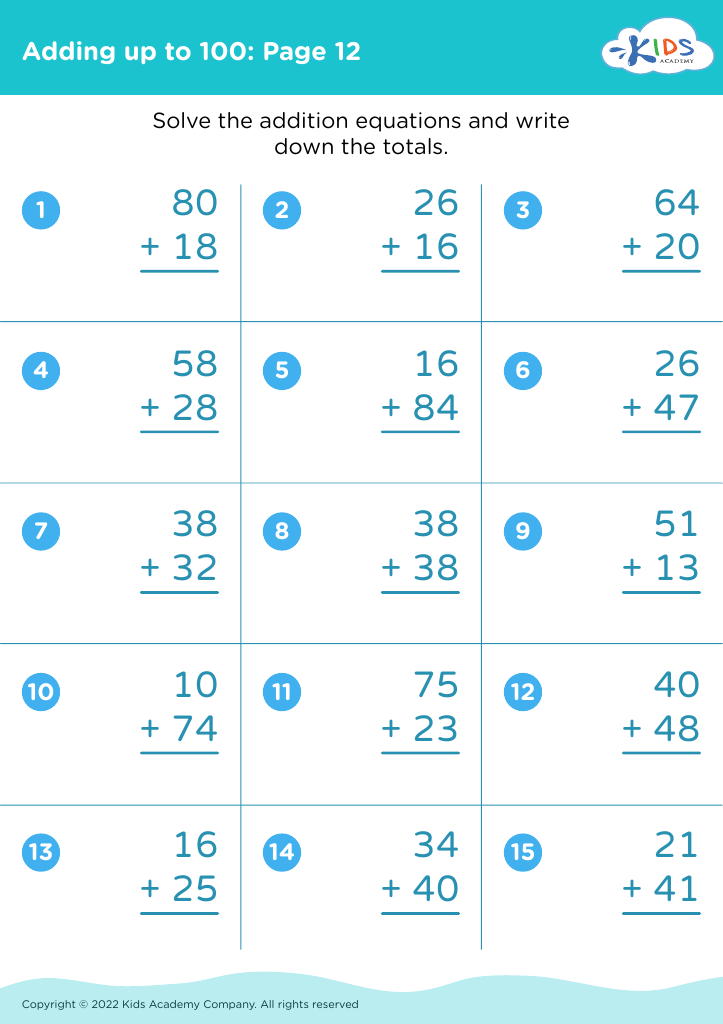
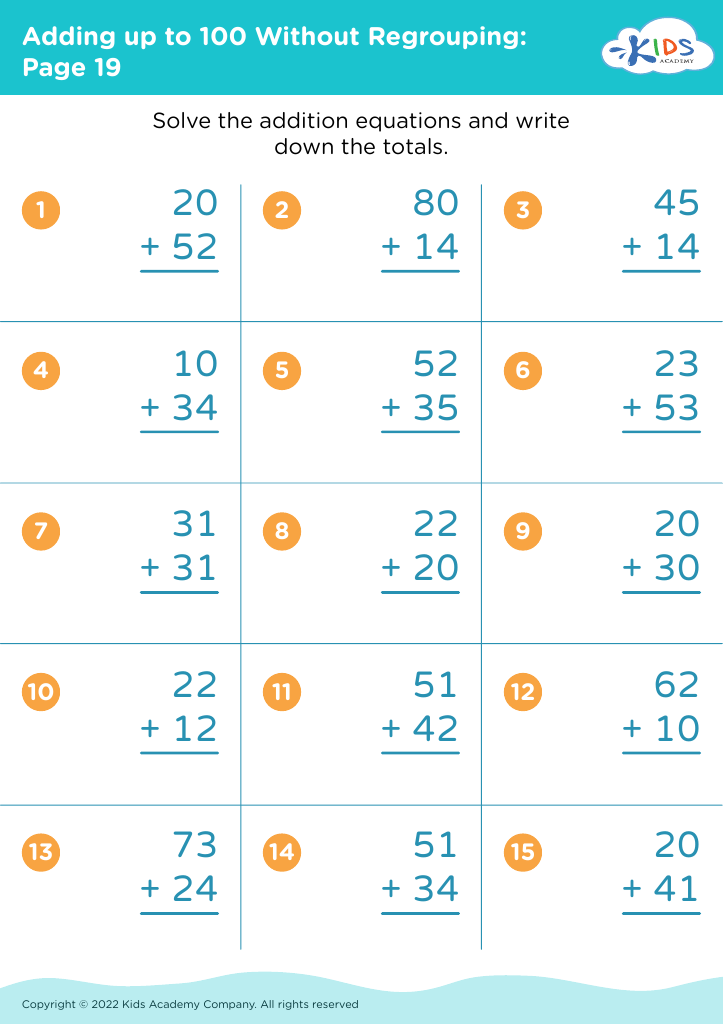
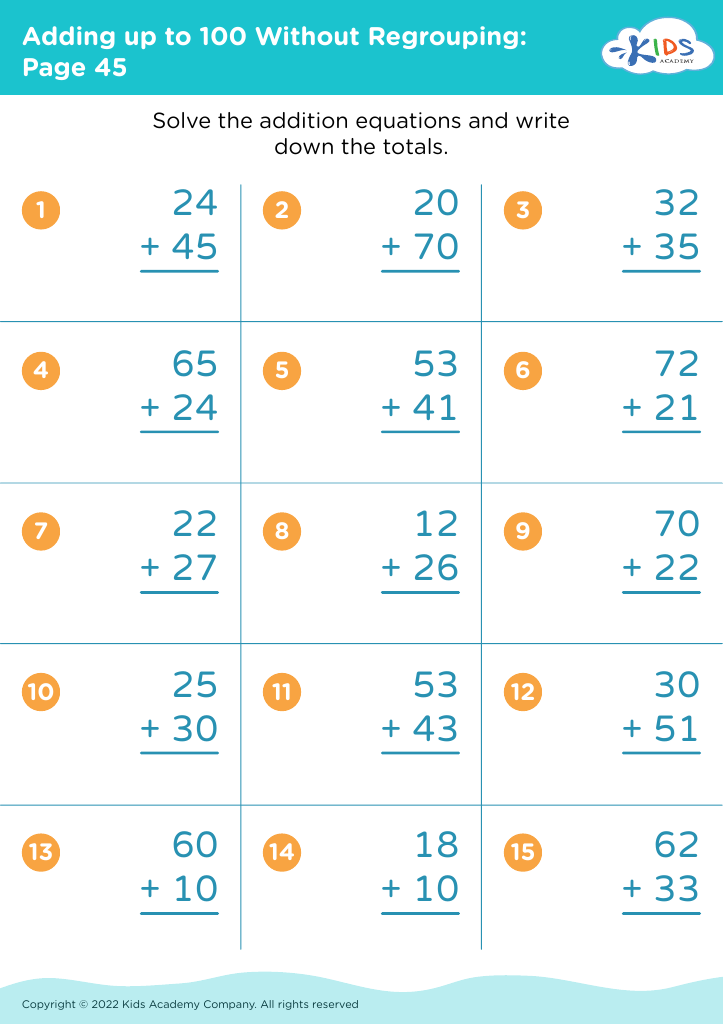
Introduce your child to the world of fractions with our "Understanding Fractions Adding up to 100" worksheets, designed for ages 4-8. These engaging and colorful activities simplify complex concepts by breaking them down into fun, manageable steps. Suitable for early learners, the worksheets cover essential skills such as recognizing fractions, addition, and comparing values within 100. Each worksheet provides a hands-on learning experience, fostering a solid foundation in math while boosting confidence and enthusiasm. Equip your little learner with the tools to master fractions effortlessly and enjoyably, setting the stage for future success in mathematics. Download now for free!





%20(1).jpg)

Understanding fractions and mastering addition up to 100 are crucial mathematical skills for children ages 4-8. When parents and teachers emphasize these concepts early on, they lay a strong foundation for more advanced math learning in the future.
Fractions introduce children to the idea of parts and wholes, enhancing their grasp of division and ratio, which are fundamental concepts in higher mathematics. Learning halves, quarters, and thirds helps children understand portions and shares, making everyday tasks like dividing snacks or understanding time more comprehensible.
On the other hand, being adept at addition up to 100 is equally important. It enables children to tackle everyday tasks such as counting money, telling time, and measuring. This skill also builds their confidence in handling more complex arithmetic operations like subtraction, multiplication, and division. Mastering basic addition helps children recognize patterns and relationships between numbers, fostering their problem-solving abilities and critical thinking skills.
Both teachers and parents play a pivotal role in making learning engaging and enjoyable. Interactive games, practical examples, and positive reinforcement can turn math into a fun and interesting subject. Understanding these concepts at an early age not only boosts confidence but also ensures children are equipped with the necessary tools for academic success, both in math and across other disciplines.








