Filters

47 filtered results

Clear all filters
Favorites
With answer key
Interactive

47 filtered results

Difficulty Level

Grade


Check out this FREE Trial Lesson on Adding up to 50 for age 4-8!

Short and Long Vowel Sort

Favorites
With answer key
Interactive
  • 4-8
  • Understanding fractions
  • Adding up to 50
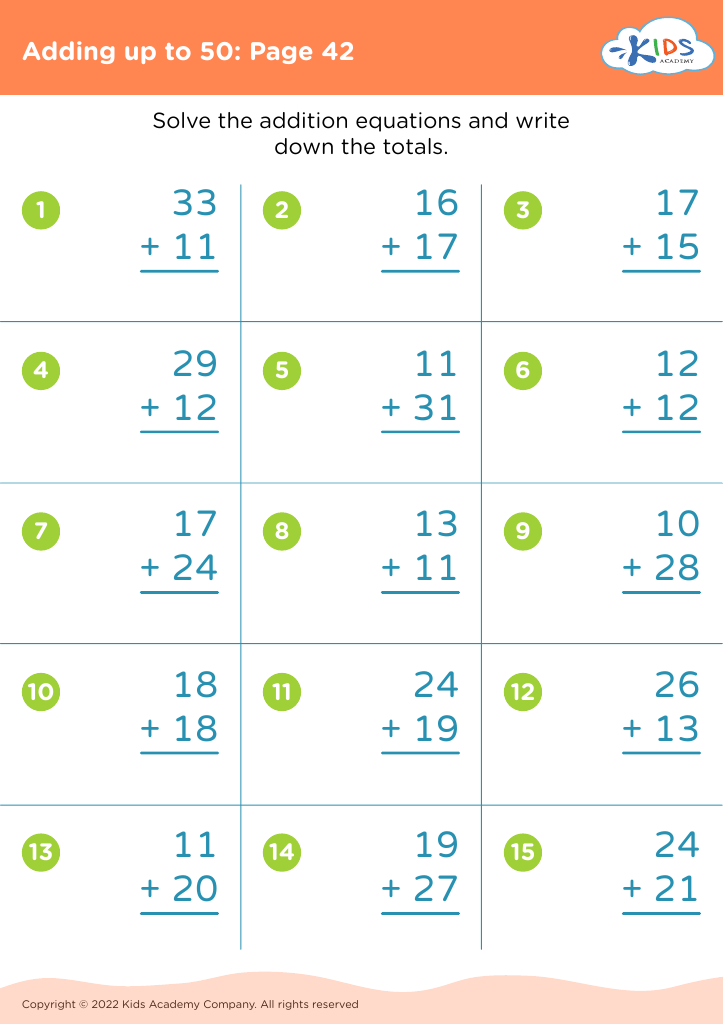
Adding up to 50: Page 42

Adding up to 50: Page 42

Adding up to 50: Page 42
Worksheet
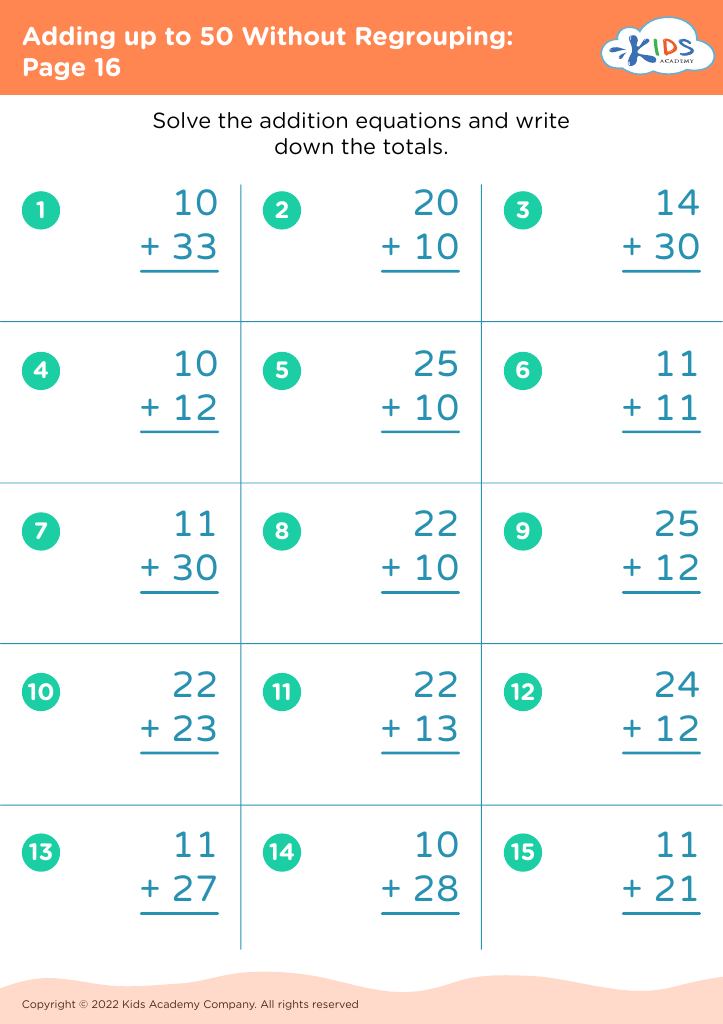
Adding up to 50 Without Regrouping: Page 16
Worksheet
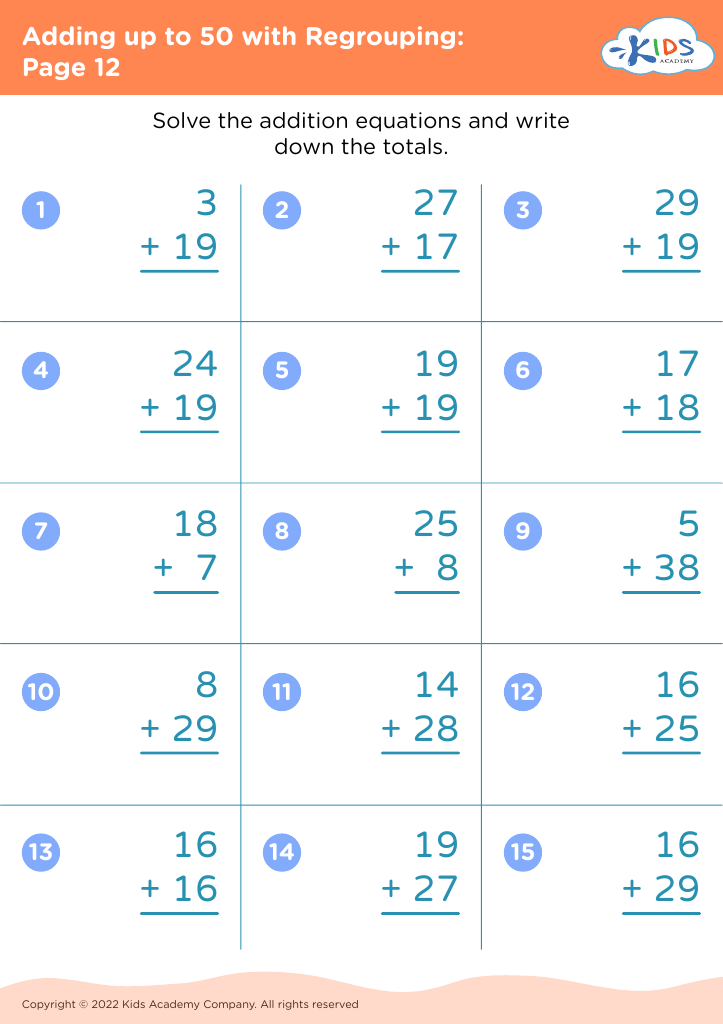
Adding up to 50 with Regrouping: Page 12
Worksheet
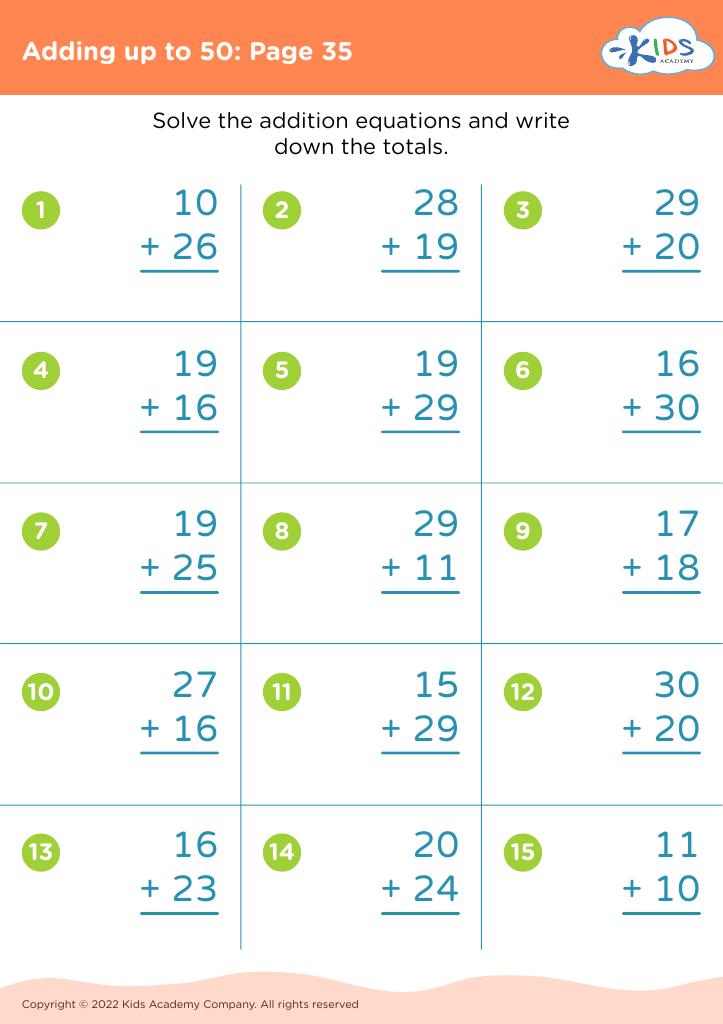
Adding up to 50: Page 35

Adding up to 50: Page 35

Adding up to 50: Page 35
Worksheet
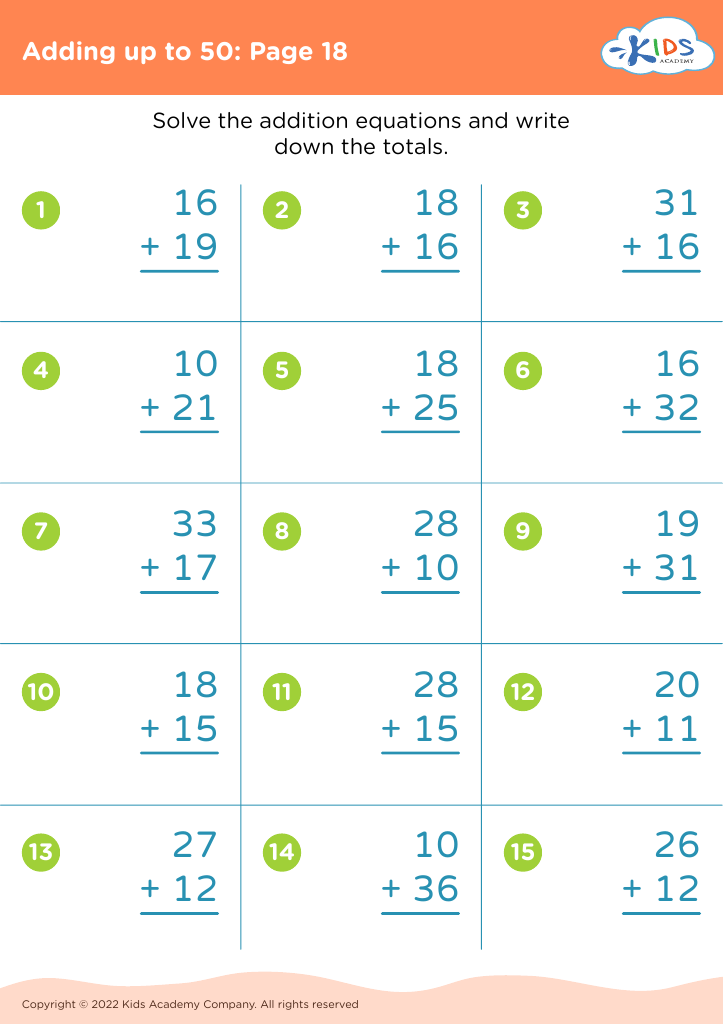
Adding up to 50: Page 18

Adding up to 50: Page 18

Adding up to 50: Page 18
Worksheet
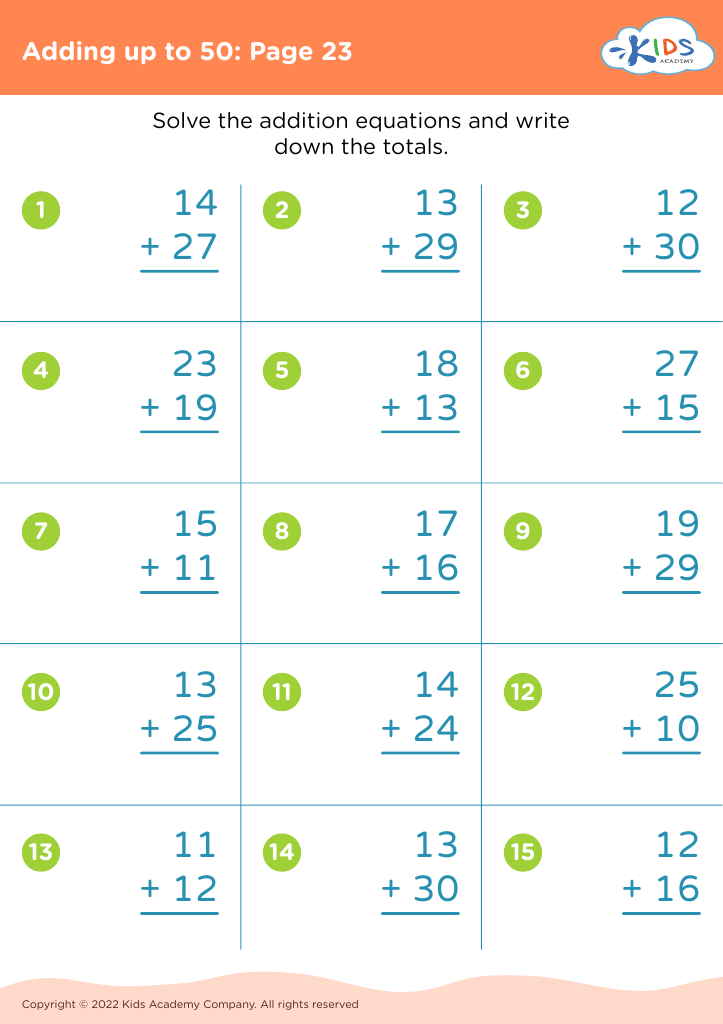
Adding up to 50: Page 23

Adding up to 50: Page 23

Adding up to 50: Page 23
Worksheet
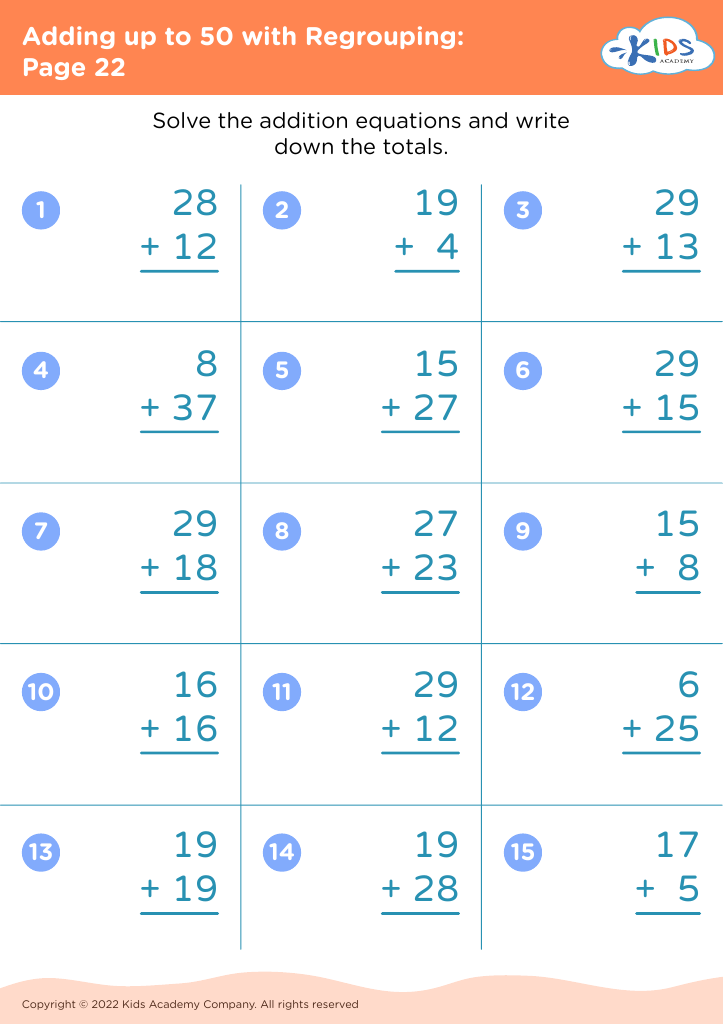
Adding up to 50 with Regrouping: Page 22
Worksheet
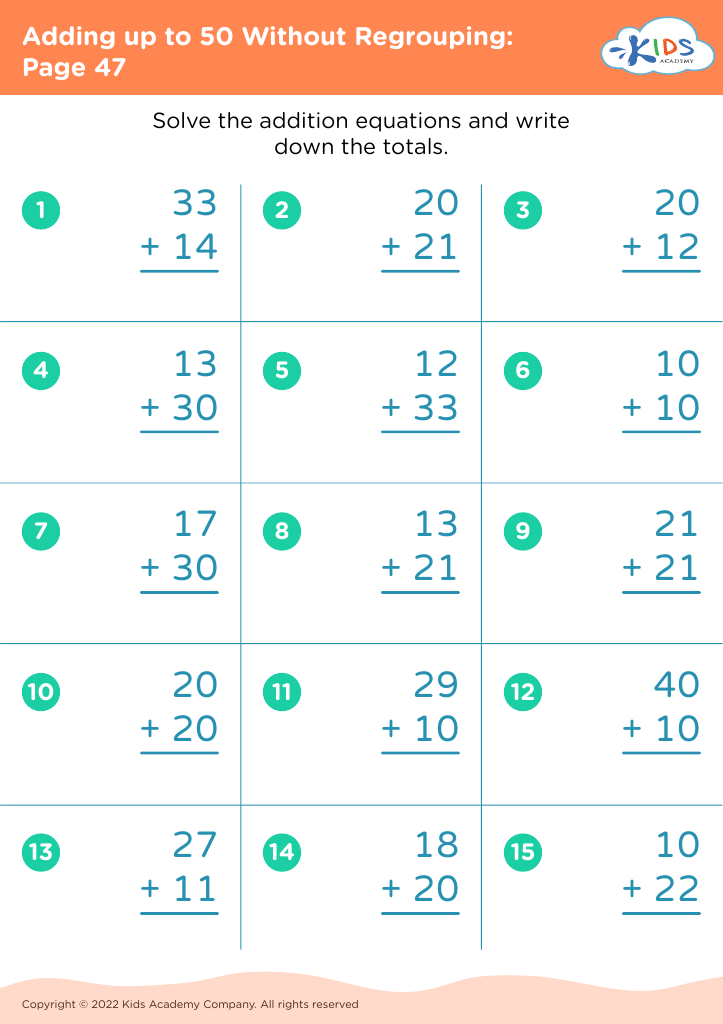
Adding up to 50 Without Regrouping: Page 47
Worksheet
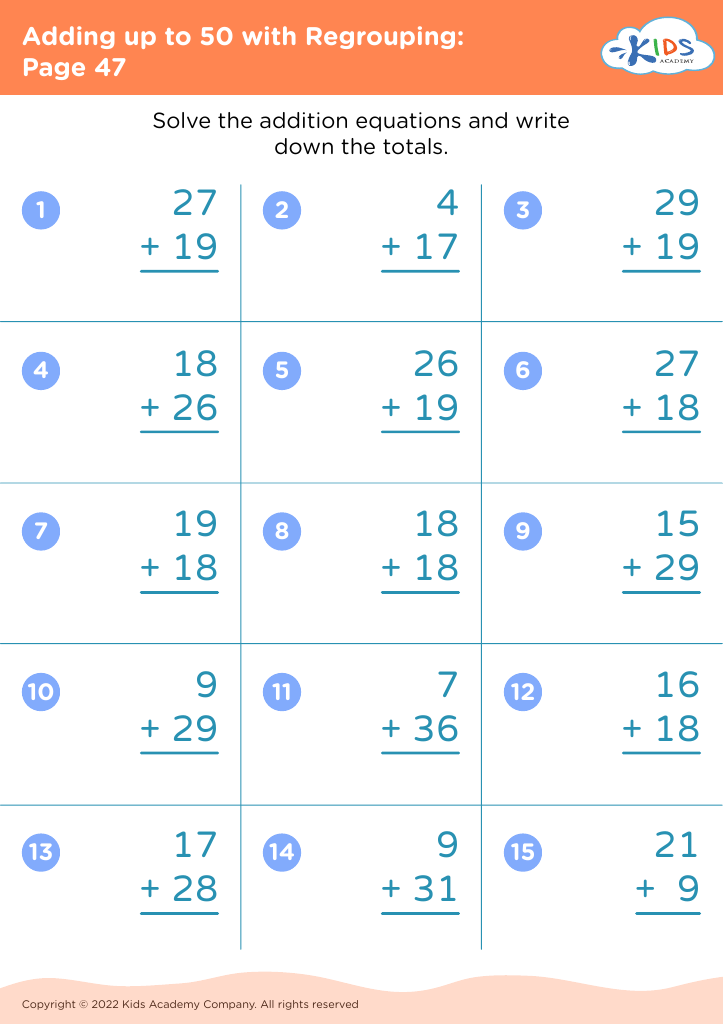
Adding up to 50 with Regrouping: Page 47
Worksheet
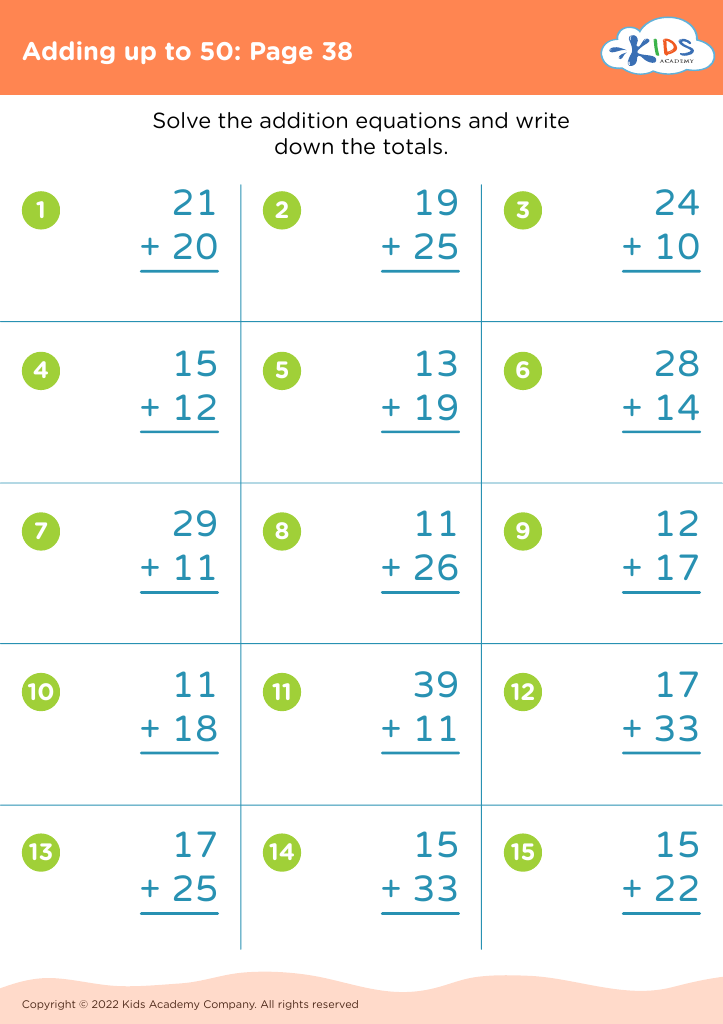
Adding up to 50: Page 38

Adding up to 50: Page 38

Adding up to 50: Page 38
Worksheet
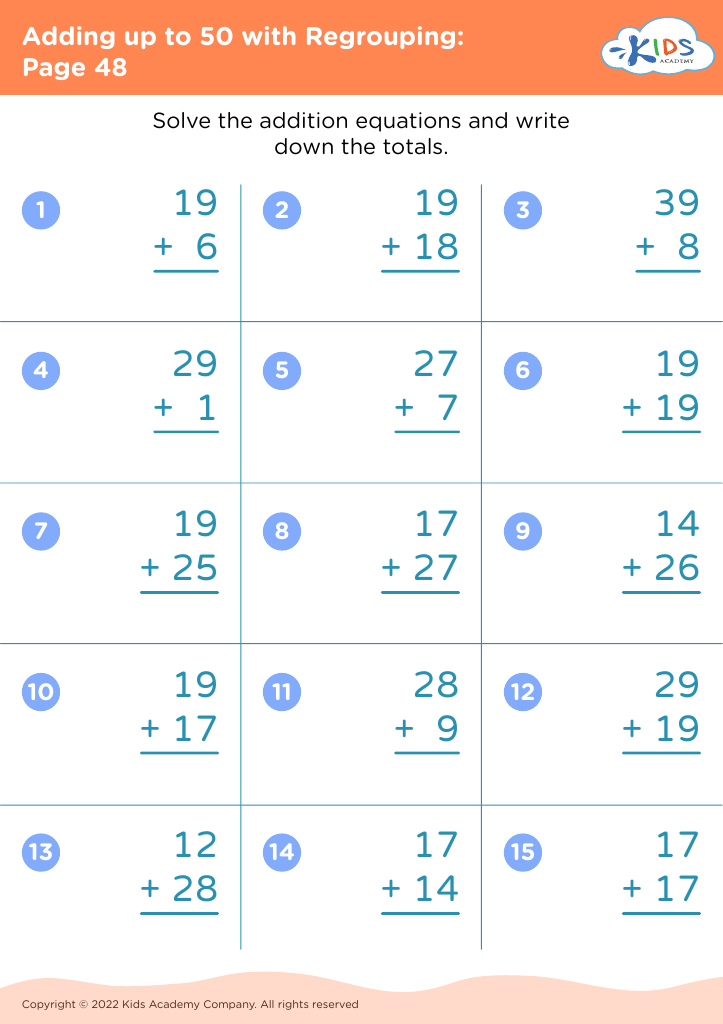
Adding up to 50 with Regrouping: Page 48
Worksheet
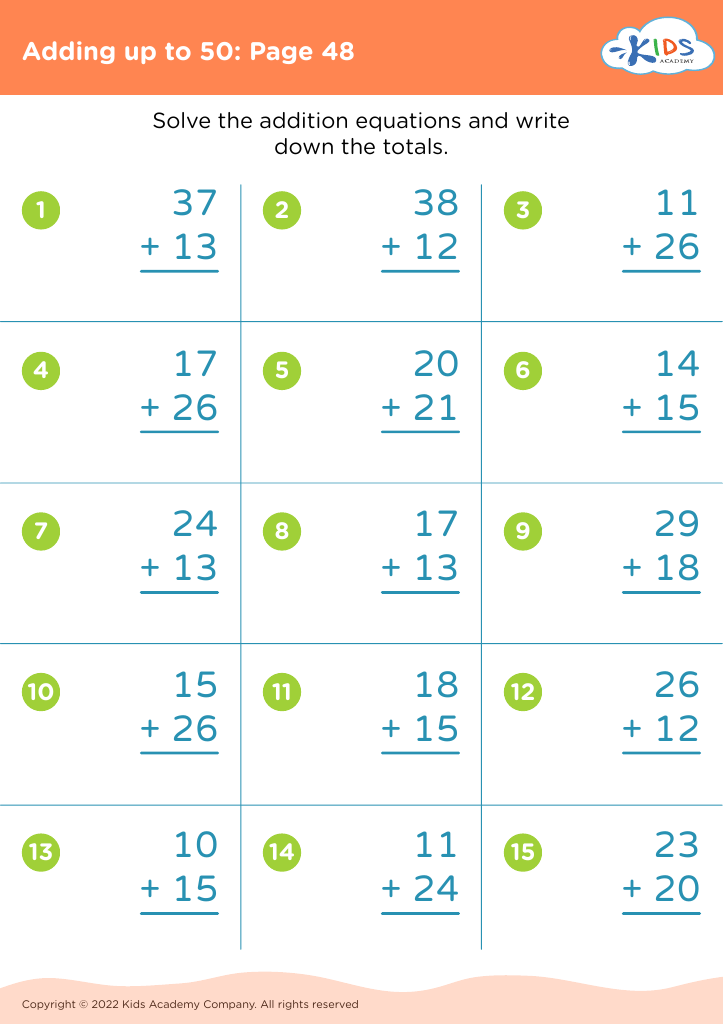
Adding up to 50: Page 48

Adding up to 50: Page 48

Adding up to 50: Page 48
Worksheet
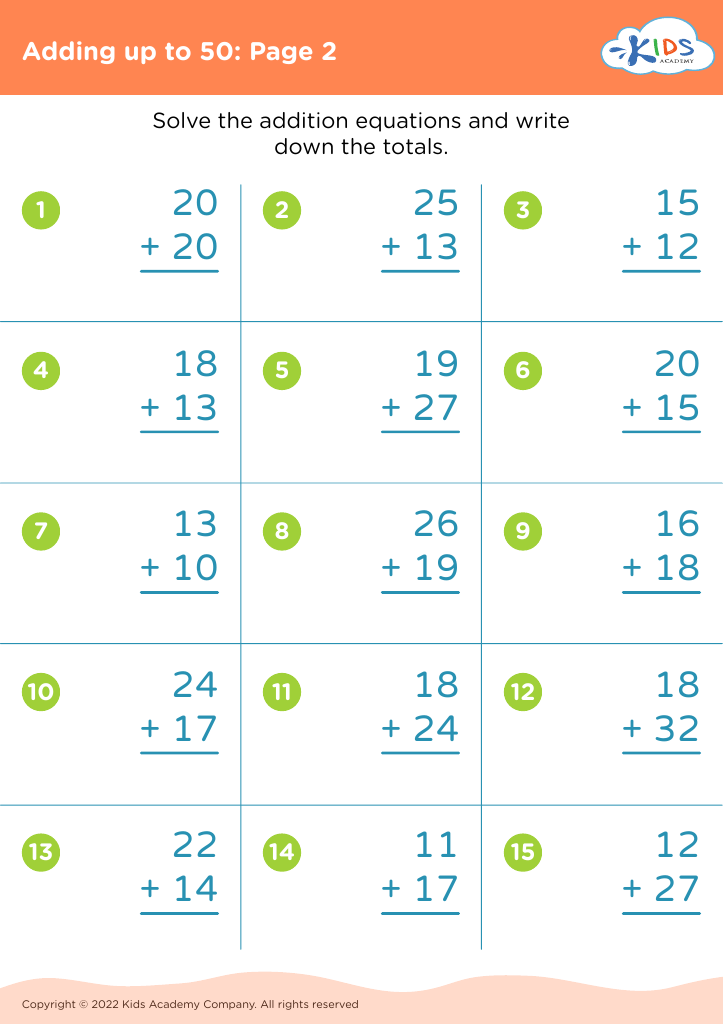
Adding up to 50: Page 2

Adding up to 50: Page 2

Adding up to 50: Page 2
Worksheet
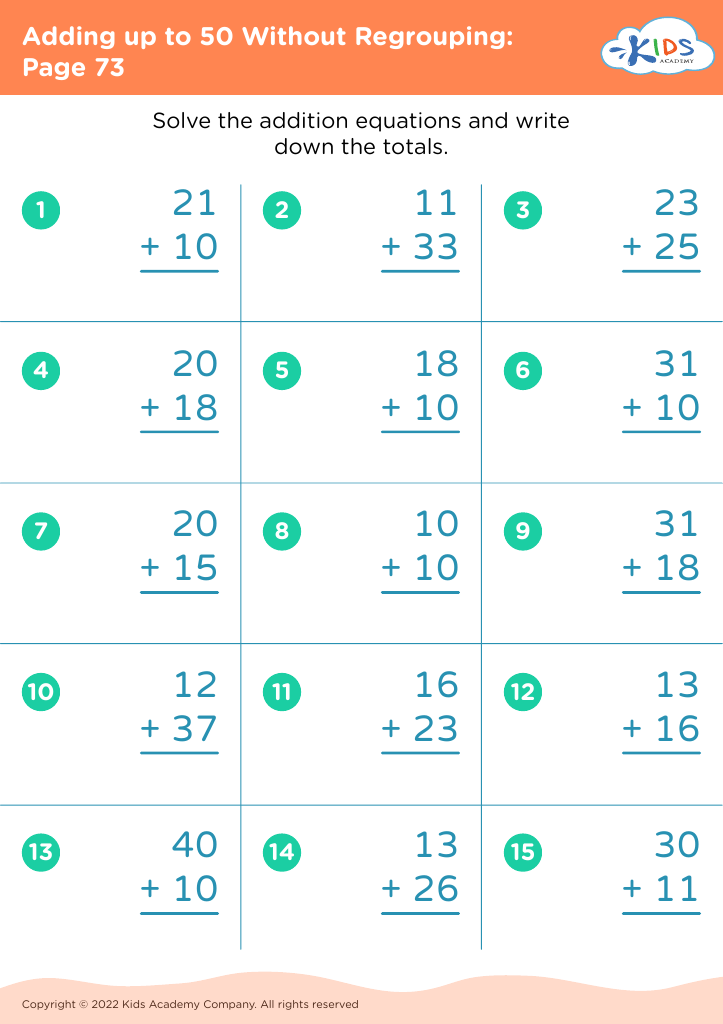
Adding up to 50 Without Regrouping: Page 73
Worksheet
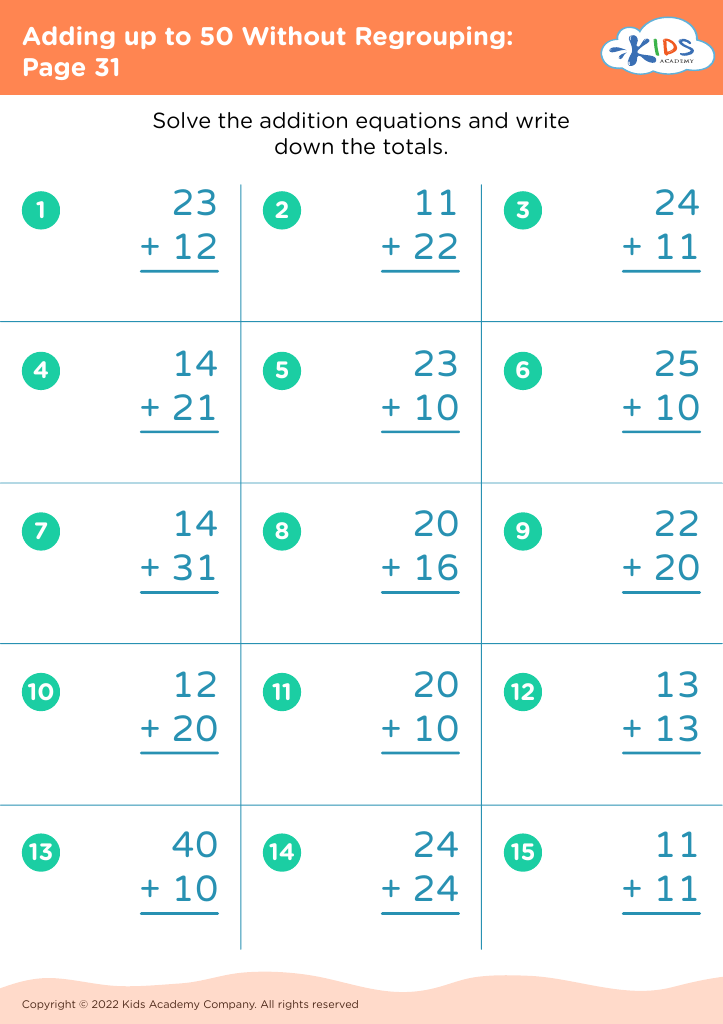
Adding up to 50 Without Regrouping: Page 31
Worksheet
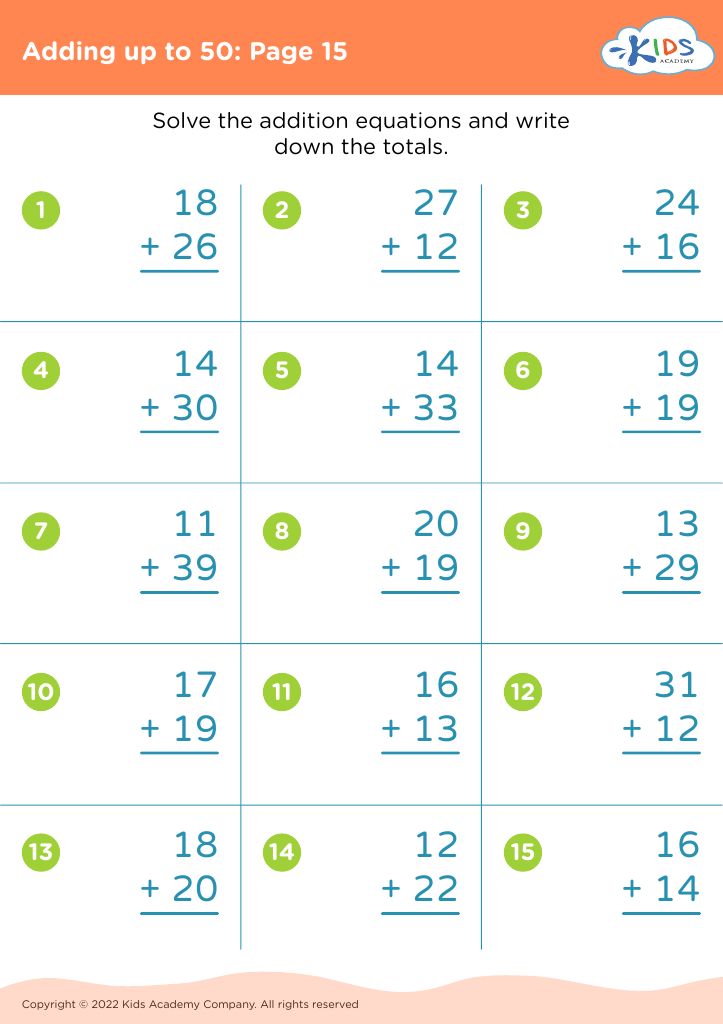
Adding up to 50: Page 15

Adding up to 50: Page 15

Adding up to 50: Page 15
Worksheet
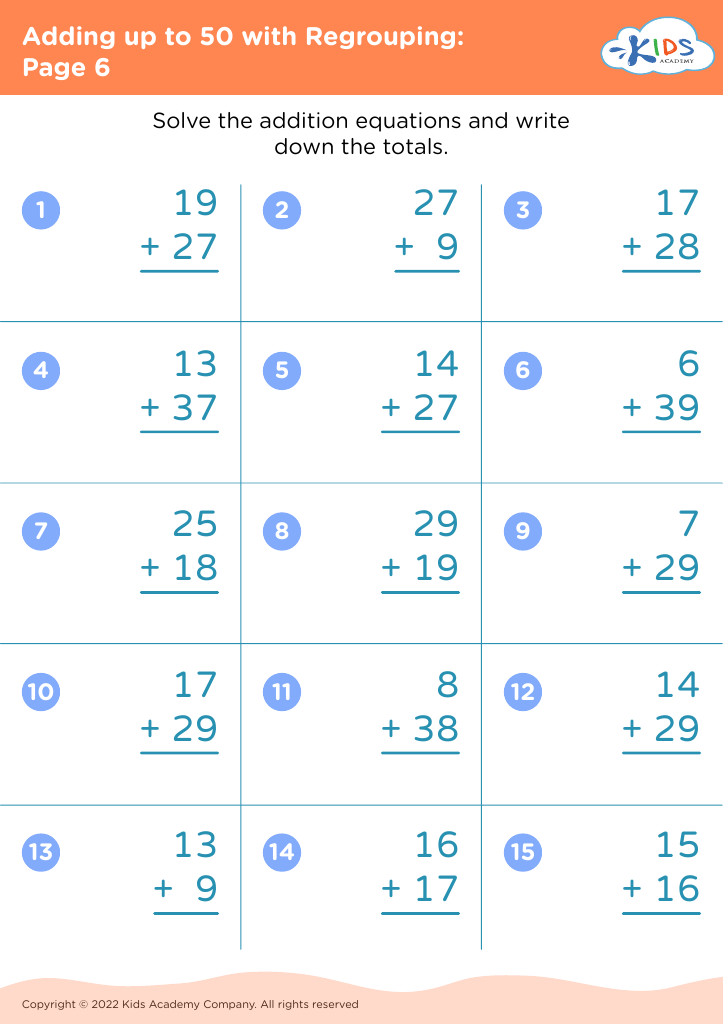
Adding up to 50 with Regrouping: Page 6
Worksheet
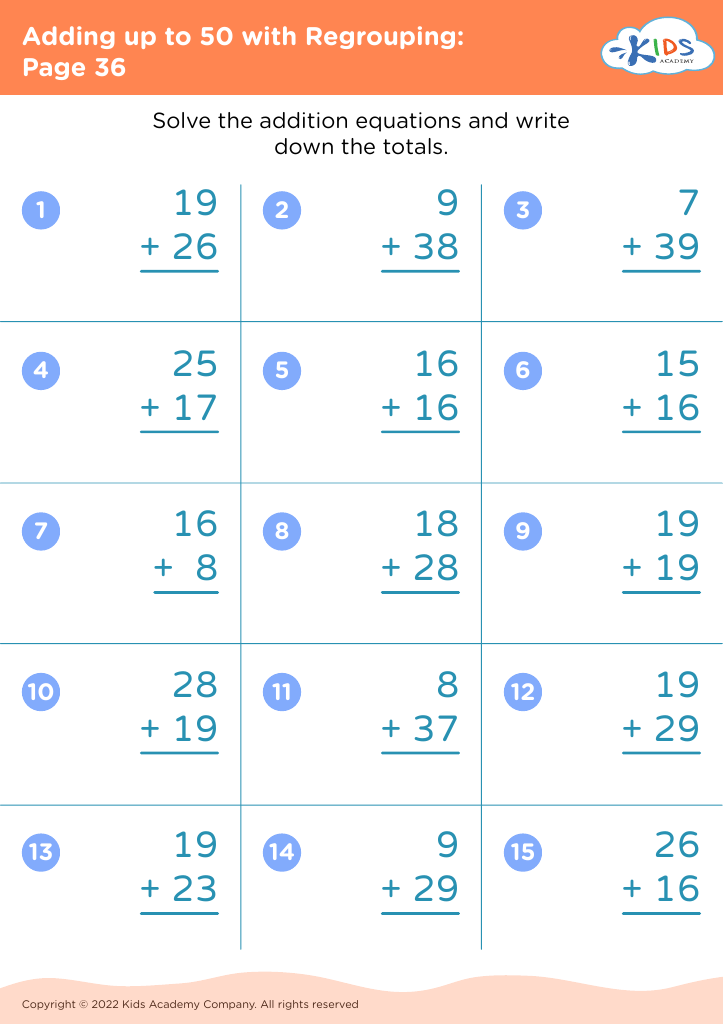
Adding up to 50 with Regrouping: Page 36
Worksheet
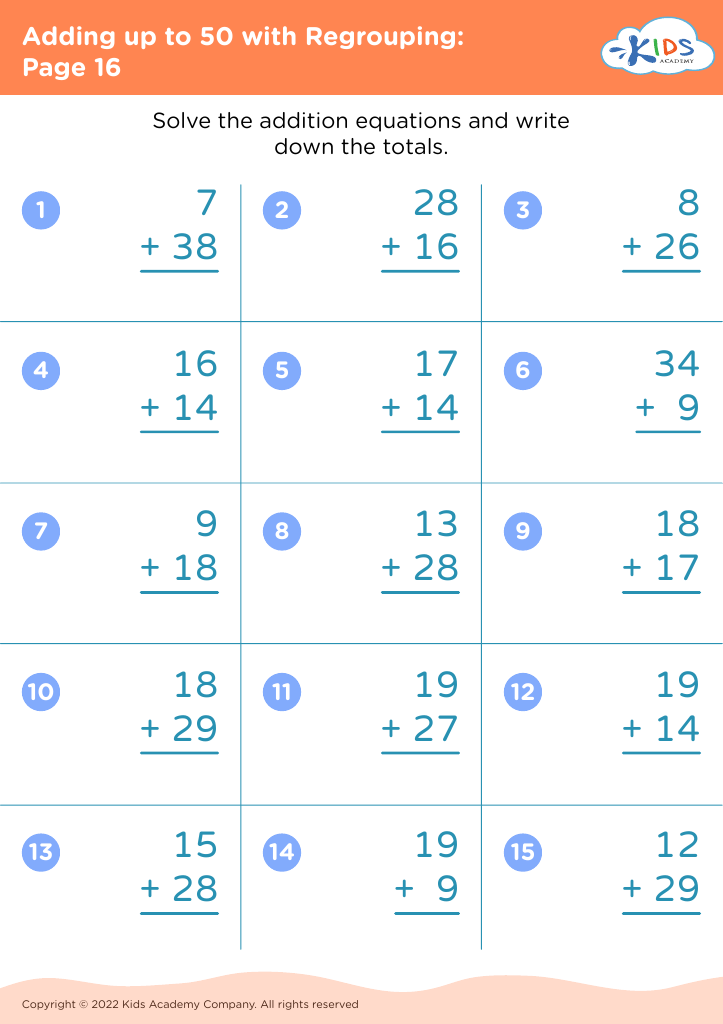
Adding up to 50 with Regrouping: Page 16
Worksheet
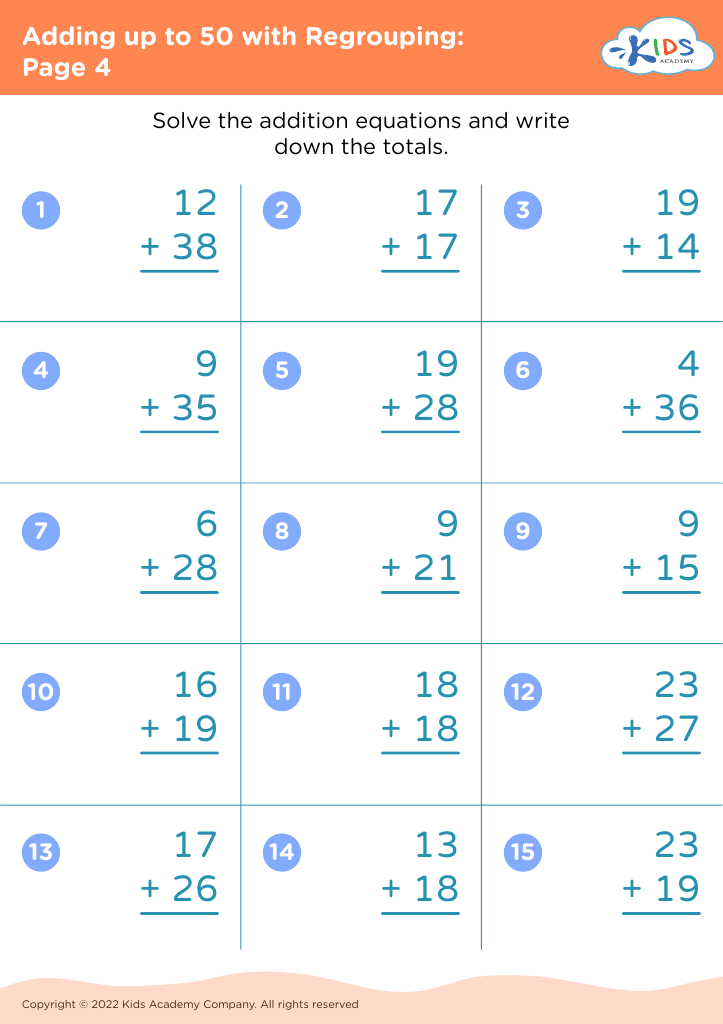
Adding up to 50 with Regrouping: Page 4
Worksheet
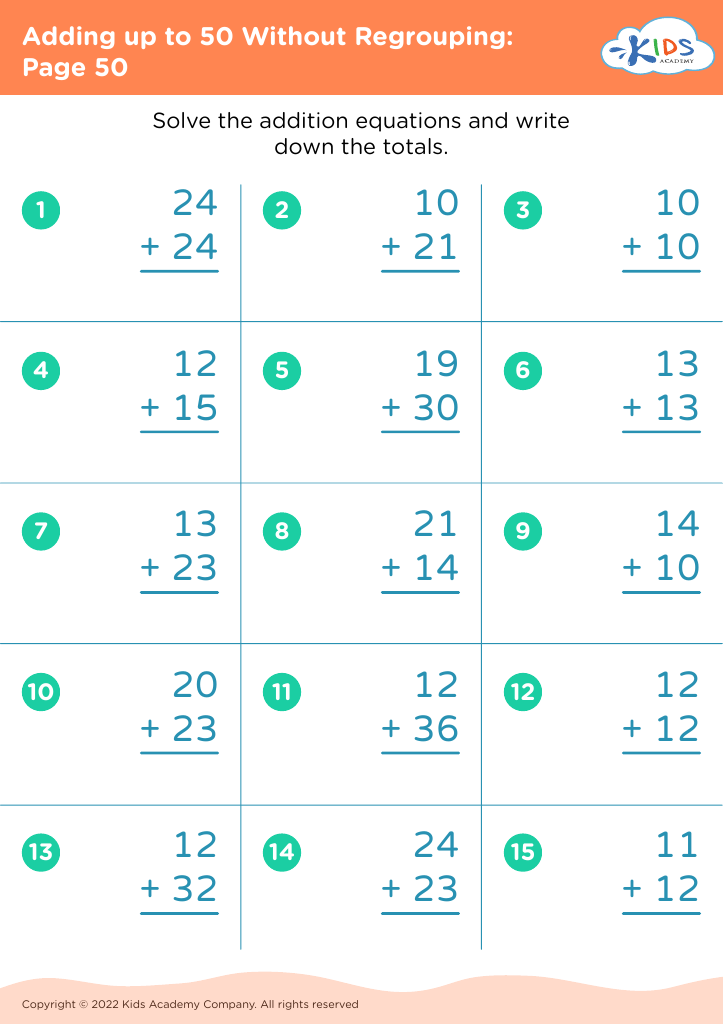
Adding up to 50 Without Regrouping: Page 50
Worksheet
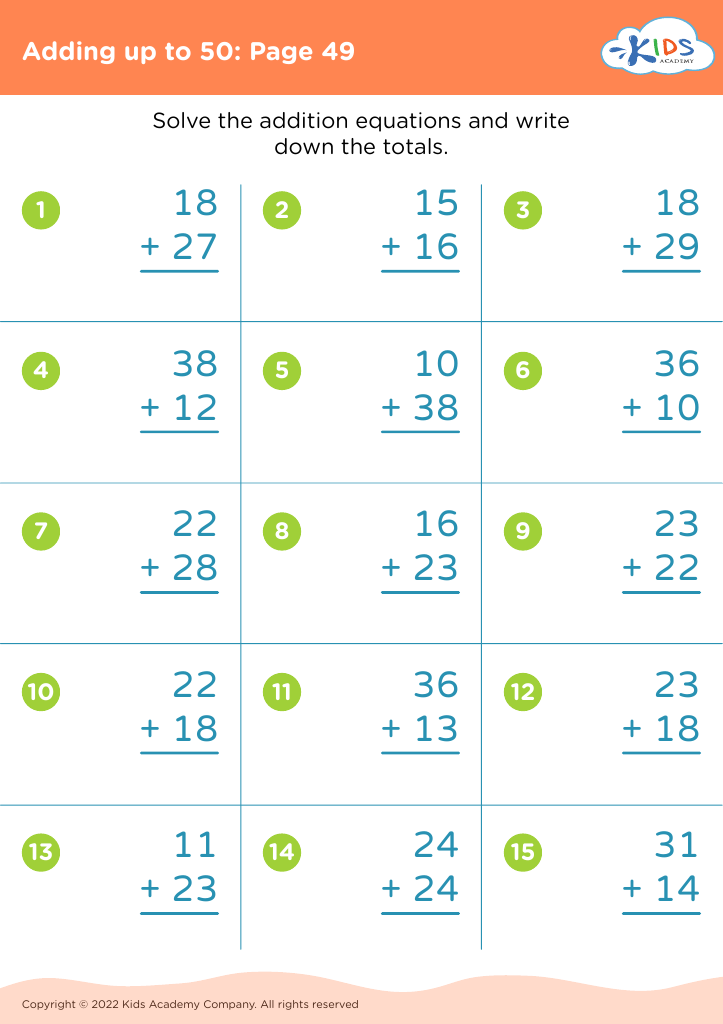
Adding up to 50: Page 49

Adding up to 50: Page 49

Adding up to 50: Page 49
Worksheet
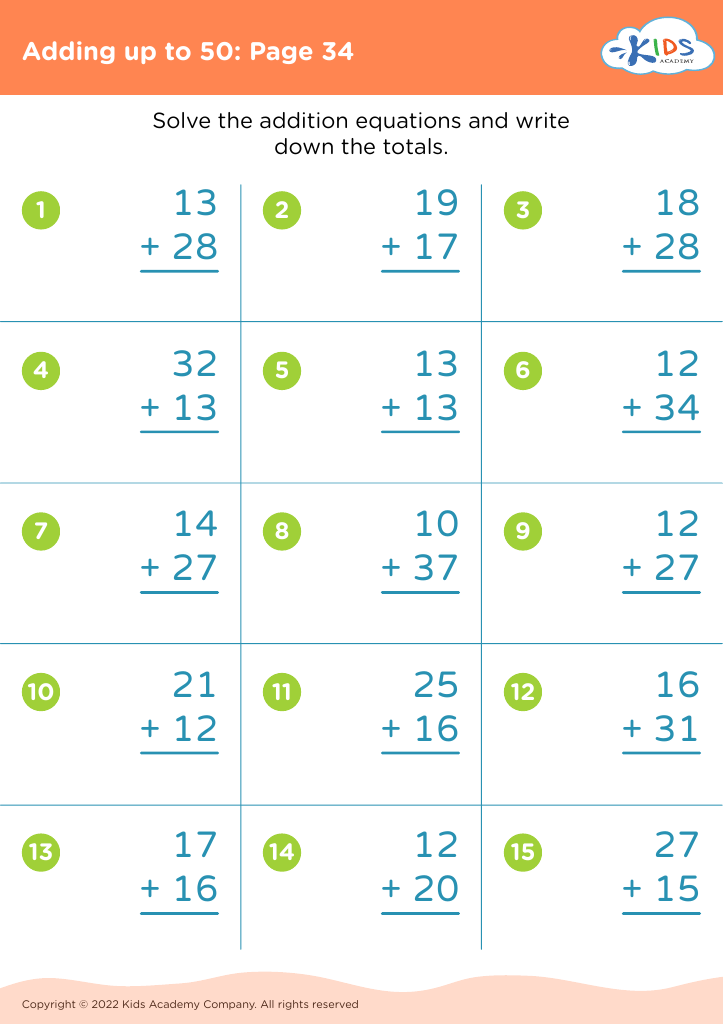
Adding up to 50: Page 34

Adding up to 50: Page 34

Adding up to 50: Page 34
Worksheet


Understanding fractions and adding up to 50 are critical foundational skills for children aged 4-8, shaping their mathematical mindset and problem-solving abilities. At this early stage, children’s brains are exceptionally receptive to learning new concepts. Recognizing and working with fractions enhances their comprehension of parts and wholes, laying the groundwork for more advanced mathematical topics.

When children understand fractions, they improve their ability to tackle everyday problems involving division and sharing. This practical knowledge is beneficial in cooking, dividing items among friends, or understanding time. Significantly, children who gain proficiency in these areas are often more confident in their math abilities, reducing math anxiety later in life.

Adding up to 50 strengthens children’s number sense and arithmetic skills. Mastering this range prepares them for more challenging math in subsequent grades, like adding larger numbers, subtracting, and solving basic equations. It helps them grasp the concept of place value, fostering the ability to estimate, measure, and understand money.

Together, understanding fractions and adding up to 50 promote critical thinking and logical reasoning. These skills transcend beyond math, supporting academic success across subjects. Parents and teachers play an integral role in nurturing these skills, equipping children with tools they need for lifelong learning and daily problem-solving.