Hand-eye Coordination Adding with Busy Bugs Worksheets for Ages 4-8
5 filtered results
-
From - To
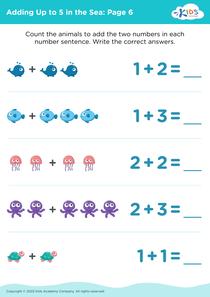
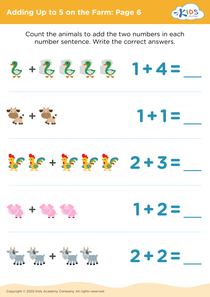
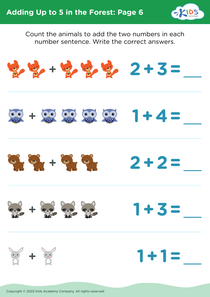
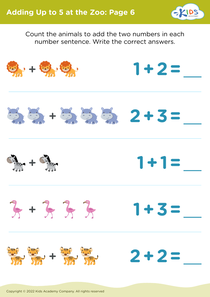
Enhance hand-eye coordination and math skills simultaneously with our "Hand-eye Coordination Adding with Busy Bugs Worksheets" designed for ages 4-8. These engaging worksheets make learning addition fun by using colorful bug-themed activities that capture children's attention. Each worksheet challenges young learners to count and add, promoting critical thinking and fine motor skills development. Ideal for parents and educators, these hand-eye coordination activities support early math learning while also improving the precision and control needed for writing and other tasks. Transform math practice into an exciting adventure with Busy Bugs worksheets.
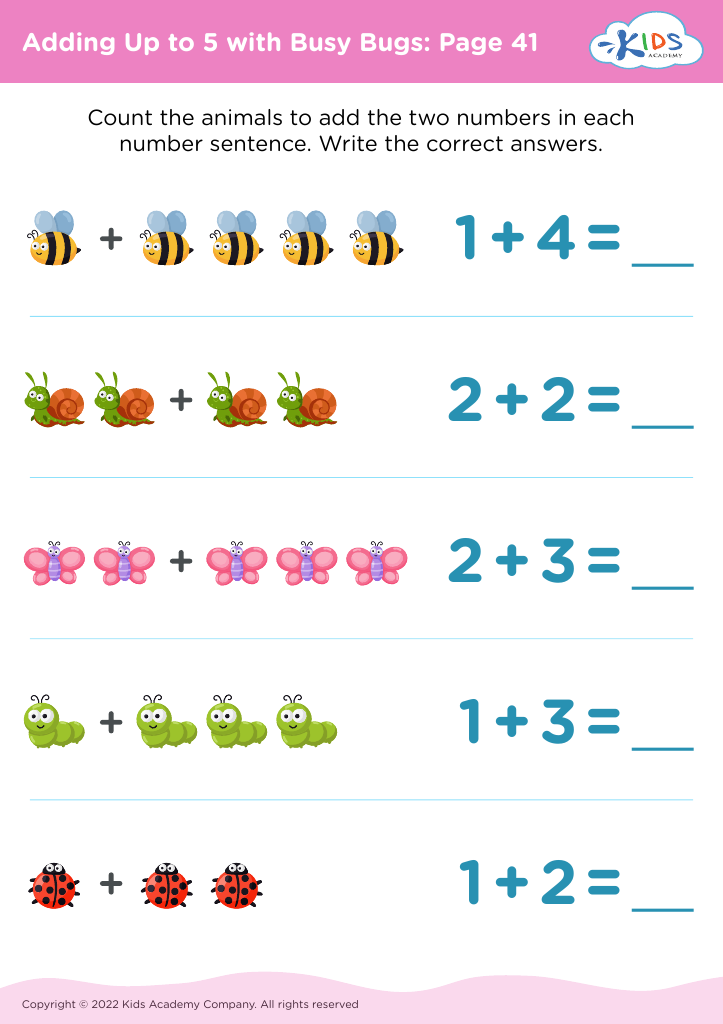
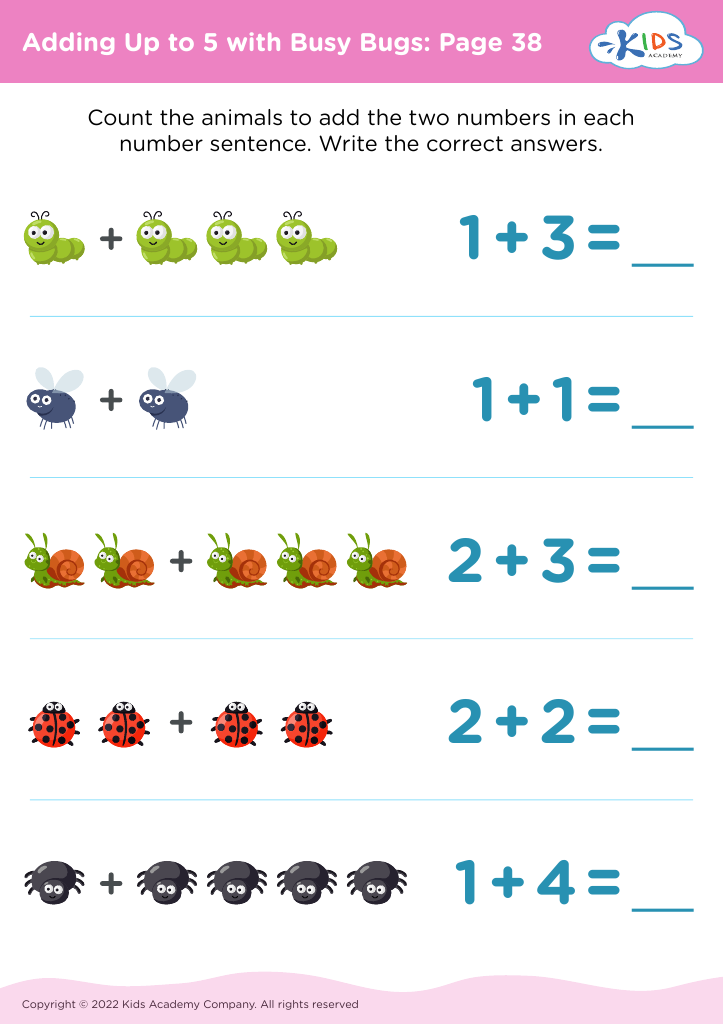
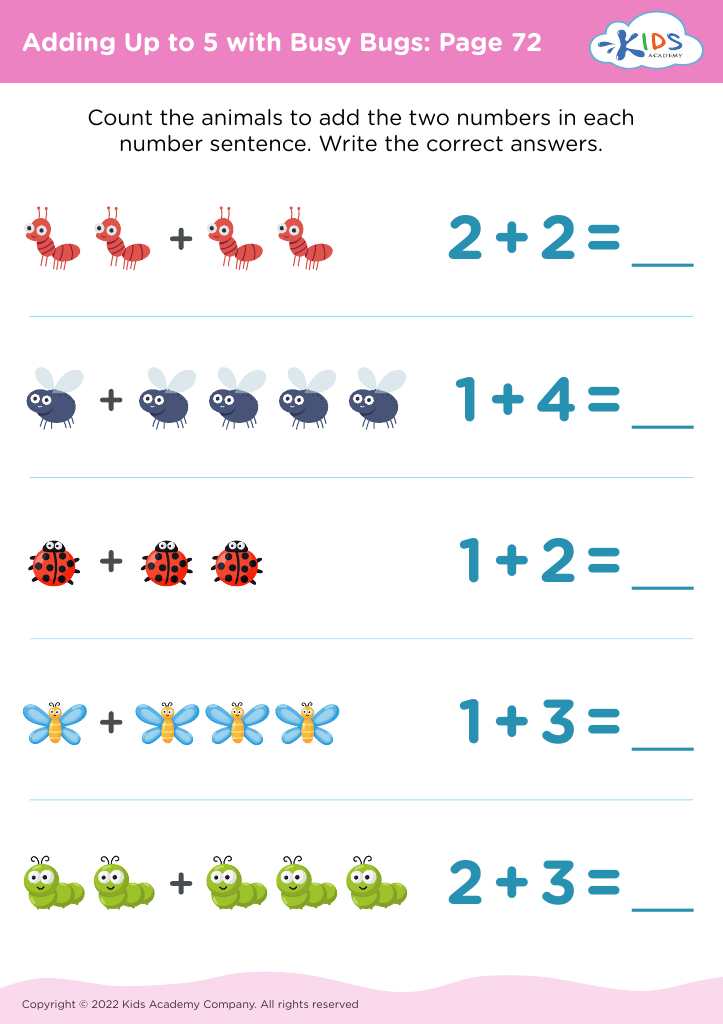
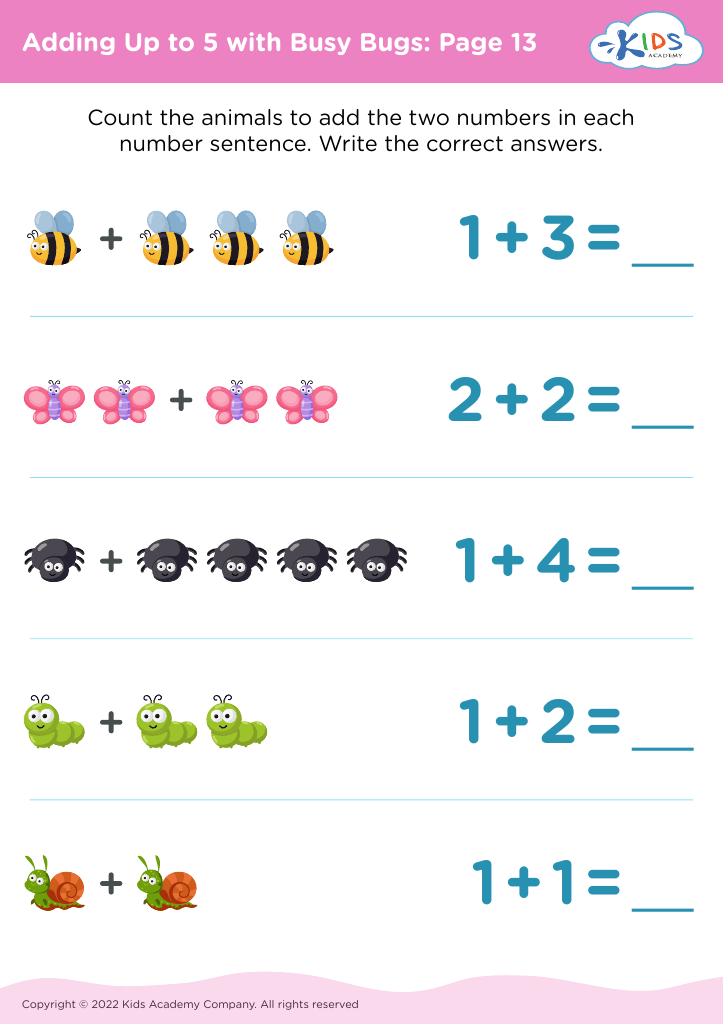
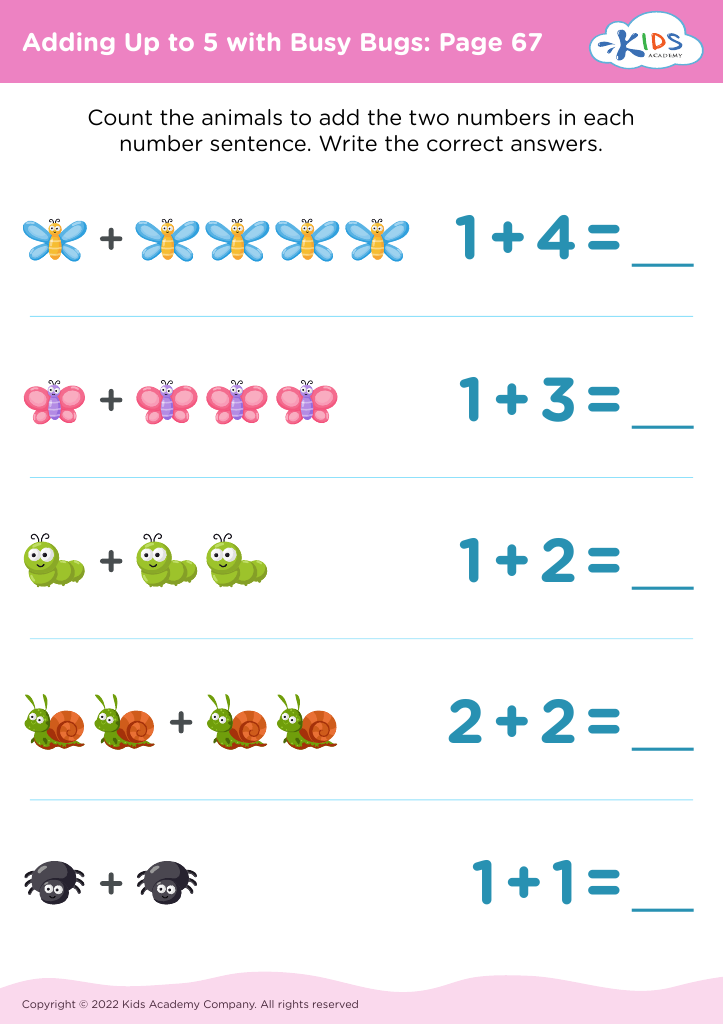



Hand-eye coordination is a critical developmental skill for young children, and incorporating it into fun activities, such as "Hand-eye Coordination Adding with Busy Bugs," is essential for ages 4-8. This interactive activity blends foundational math skills with physical movements, engaging children in a multifaceted learning experience.
Firstly, hand-eye coordination is vital for daily tasks like writing, dressing, and playing sports. By integrating these movements into an educational context, such as adding bugs, children naturally enhance their dexterity and spatial awareness. This also directly benefits their ability to neatly write numbers and letters, aiding in academic success.
Moreover, the age group of 4-8 years is a prime period for cognitive and motor development. Busy Bugs offers a hands-on approach where children can physically manipulate objects, linking abstract math concepts to tangible experiences. This sensory-rich method increases retention and understanding of arithmetic, an essential skill set in their early educational journey.
Parents and teachers should care about this activity because it not only strengthens math skills but also promotes physical development, concentration, and problem-solving abilities. By fostering an engaging and interactive learning environment, Busy Bugs helps bridge the gap between play and education, creating a well-rounded developmental experience for young learners.