Alphabet Recognition Addition & Subtraction Worksheets for Ages 4-8
4 filtered results
-
From - To
Enhance your child's learning journey with our engaging Alphabet Recognition Addition & Subtraction Worksheets, designed specifically for ages 4-8. These worksheets seamlessly combine essential math skills with letter identification, providing a unique learning experience. Your little ones will practice addition and subtraction while developing their understanding of the alphabet through fun activities and colorful illustrations. Our resources promote early math fluency and reinforce letter recognition in an interactive way. Perfect for at-home learning or classroom settings, these worksheets encourage critical thinking and problem-solving skills. Download them today to spark a love for learning in your young mathematicians and future readers!
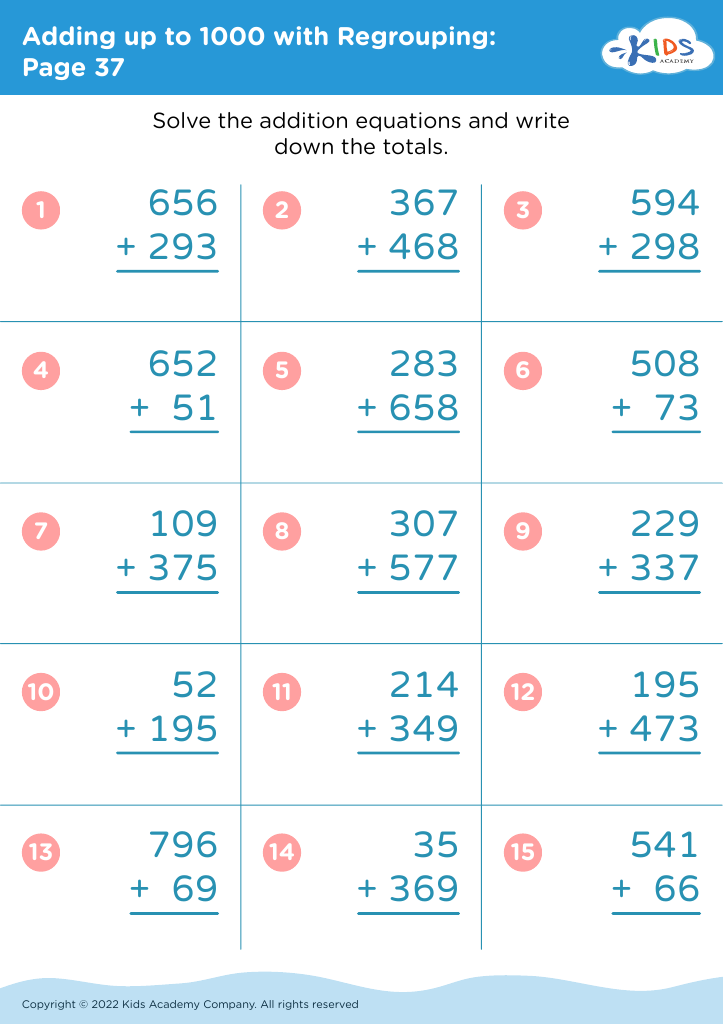
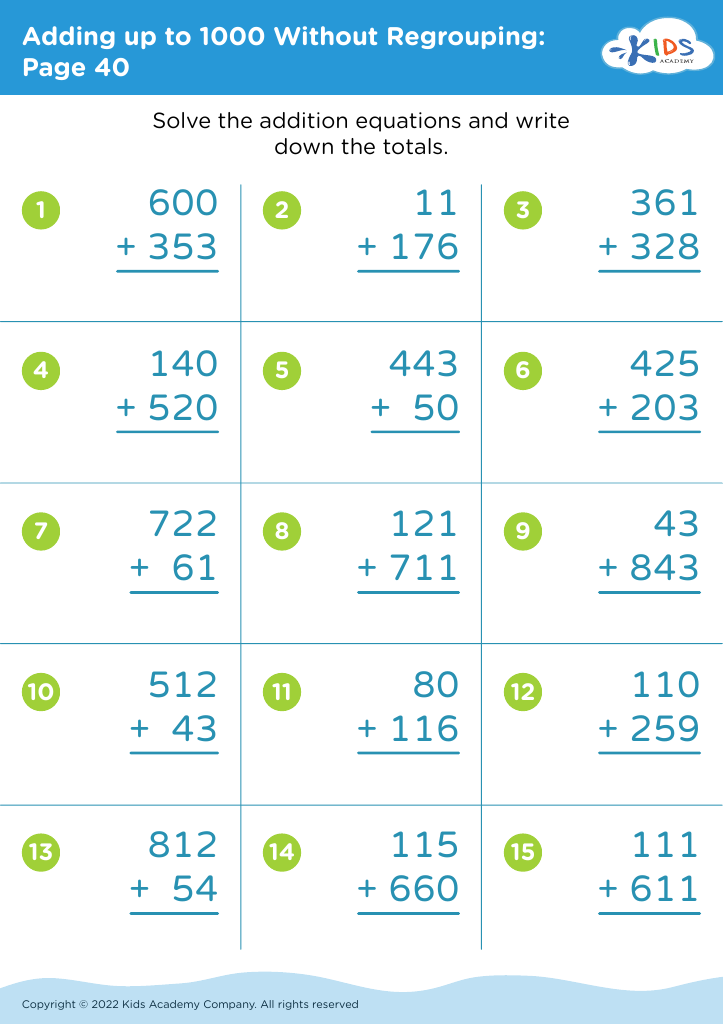
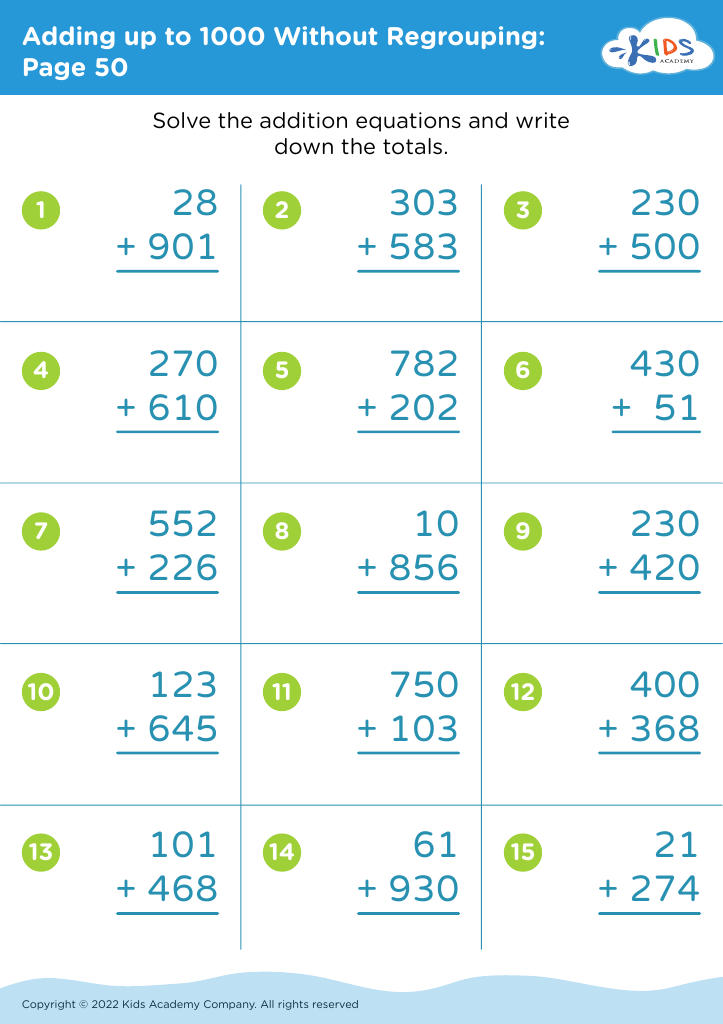
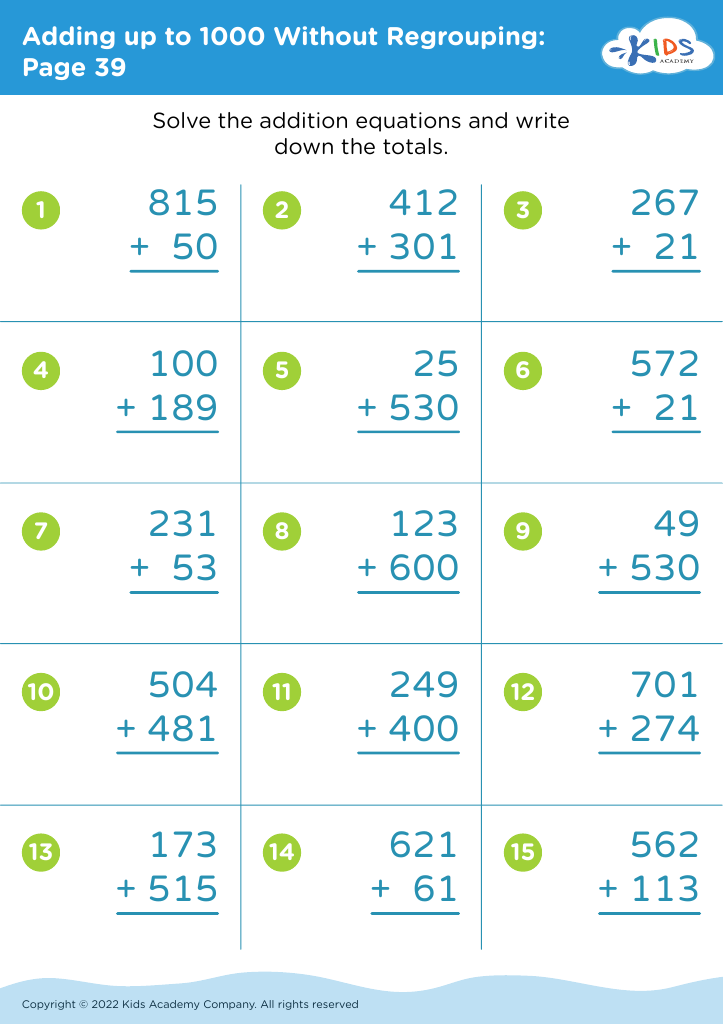








Alphabet recognition and foundational math skills such as addition and subtraction are crucial for children aged 4 to 8 as they lay the groundwork for academic success and cognitive development. Recognizing letters is essential for literacy skills; it enables children to read and write, facilitating effective communication. Without this fundamental skill, children may struggle with language comprehension, impacting their overall learning experience.
Similarly, early exposure to addition and subtraction helps children develop essential math literacy. Understanding these basic concepts not only equips them to solve problems but also fosters critical thinking and logical reasoning skills. Research shows that early math skills correlate strongly with later academic performance, making it vital to nurture these abilities in the formative years.
Parents and teachers play a significant role in this developmental phase. By prioritizing alphabet recognition and basic arithmetic, caregivers can create rich, engaging learning environments that enhance children's educational journey. Incorporating playful activities, games, and practical applications helps children enjoy learning while strengthening these skills. Ultimately, investing in these foundational aspects of learning contributes to a more confident and capable student, setting the stage for future academic achievements and lifelong learning.








