Color Identification Addition & Subtraction Worksheets for Ages 4-8 - Page 2
27 filtered results
-
From - To
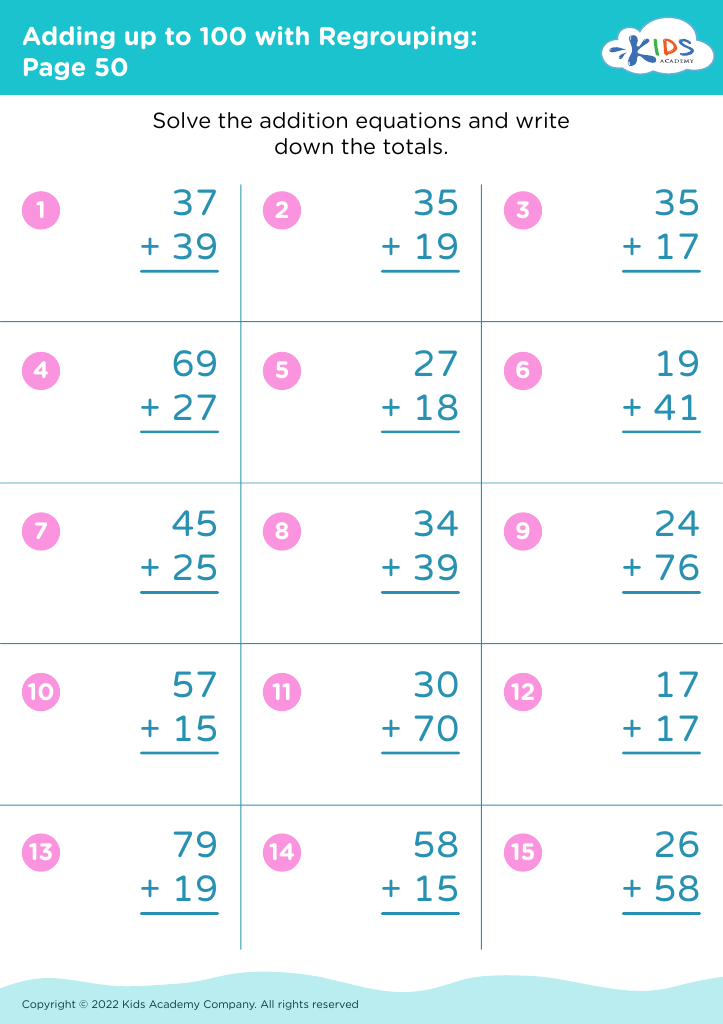
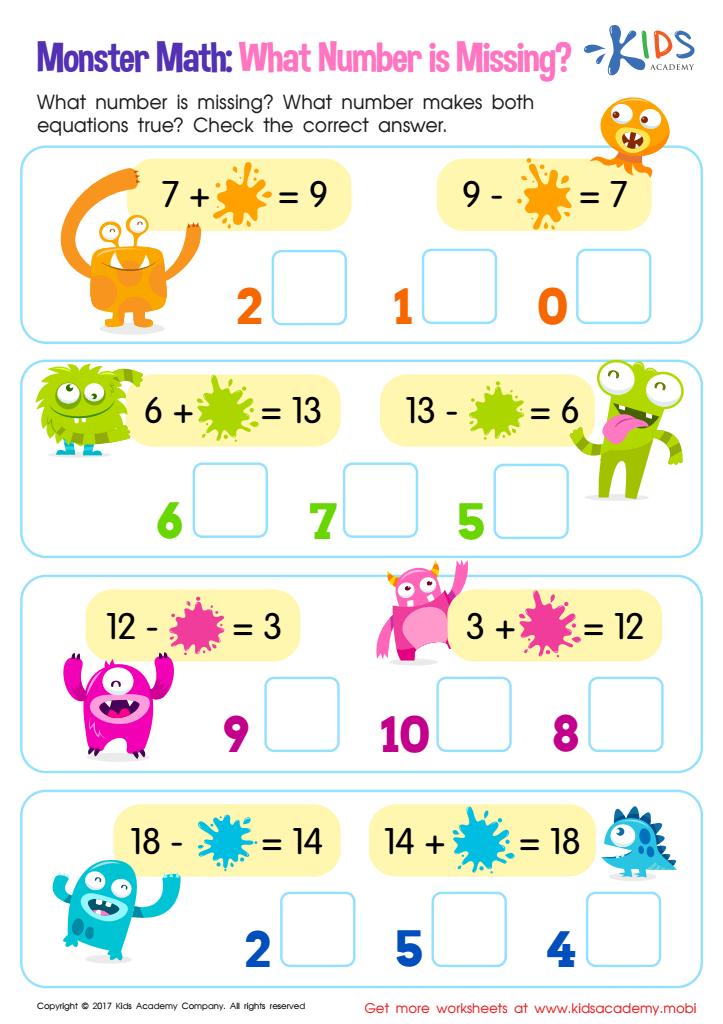
Missing Number: Monster Math Worksheet
 Assign to My Students
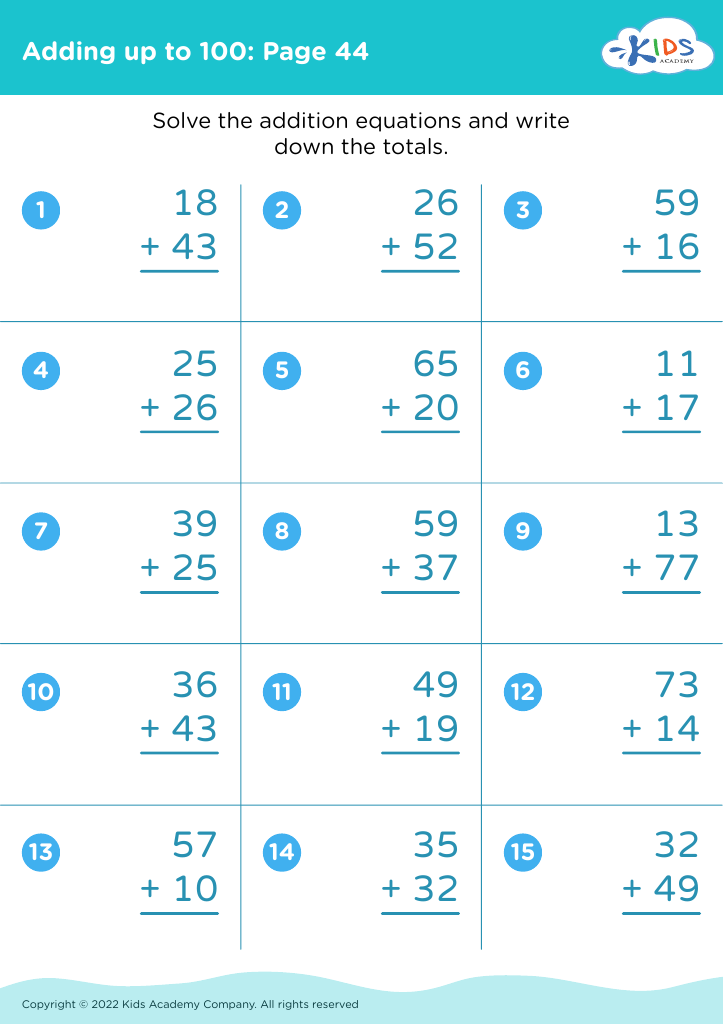





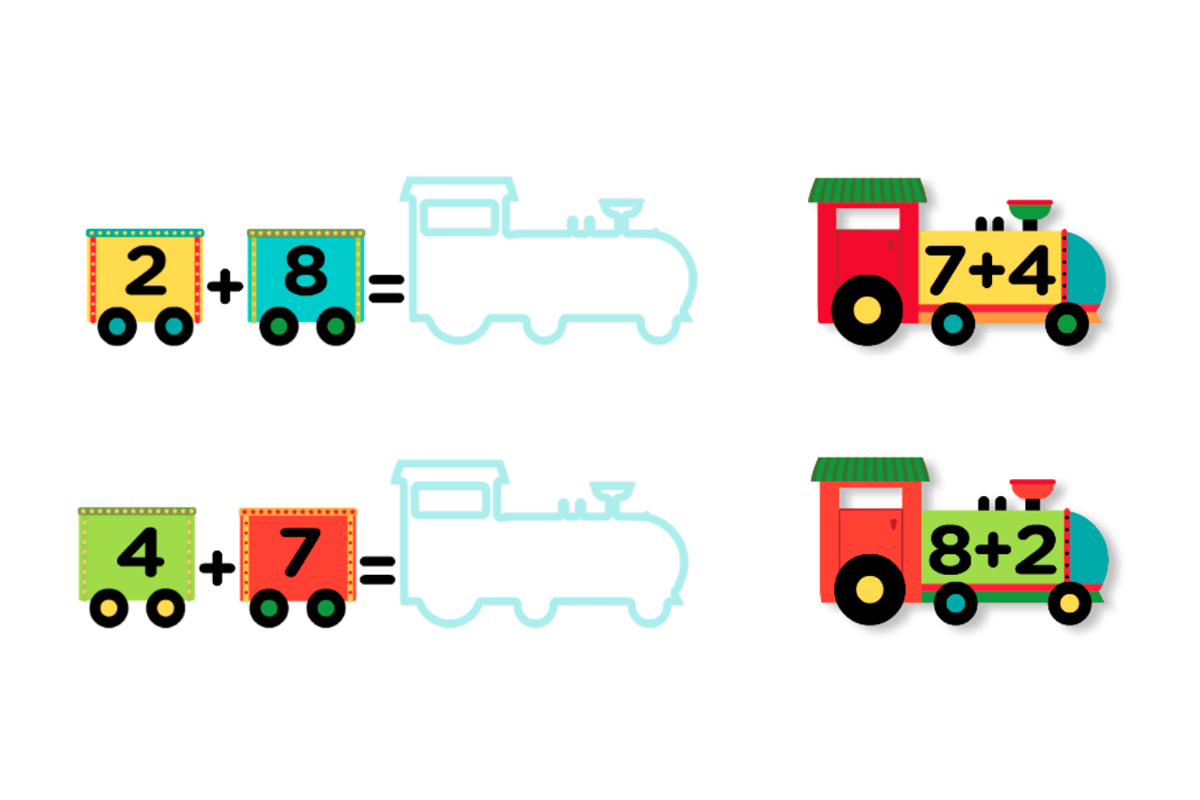


Color Identification Addition & Subtraction for ages 4-8 is a crucial educational tool that intertwines foundational math skills with engaging, developmental learning processes. A child’s ability to identify and differentiate between colors is often one of their first steps into understanding and interacting with their environment. By blending this with basic addition and subtraction, children can develop critical cognitive and observational skills early on.
These exercises enhance a child's number sense, developing their understanding of how numbers work and relate to each other. For instance, associating colors with numbers or mathematical operations can make abstract numbers more concrete and relatable. This multi-sensory approach caters to diverse learning styles, whether a child learns best through visual stimuli, hands-on activities, or a combination of methods.
Practicing addition and subtraction through color identification also supports fine motor skills when children color in spaces or move physical objects. It encourages attention to detail, enhancing focus, digital literacy, and problem-solving skills, which are fundamental in academic progress.
Moreover, mastering these skills fosters a child’s confidence in their abilities, promotes a positive attitude towards learning math, and lays a strong educational foundation. Engaging with these activities at such an impressionable age cements essential skills that children will build upon in more advanced math and across other subjects.








