
Fraction Addition Addition & Subtraction Worksheets for Ages 4-8
14 filtered results
Difficulty Level
Grade
Age
-
From - To
Subject
Activity
Standards
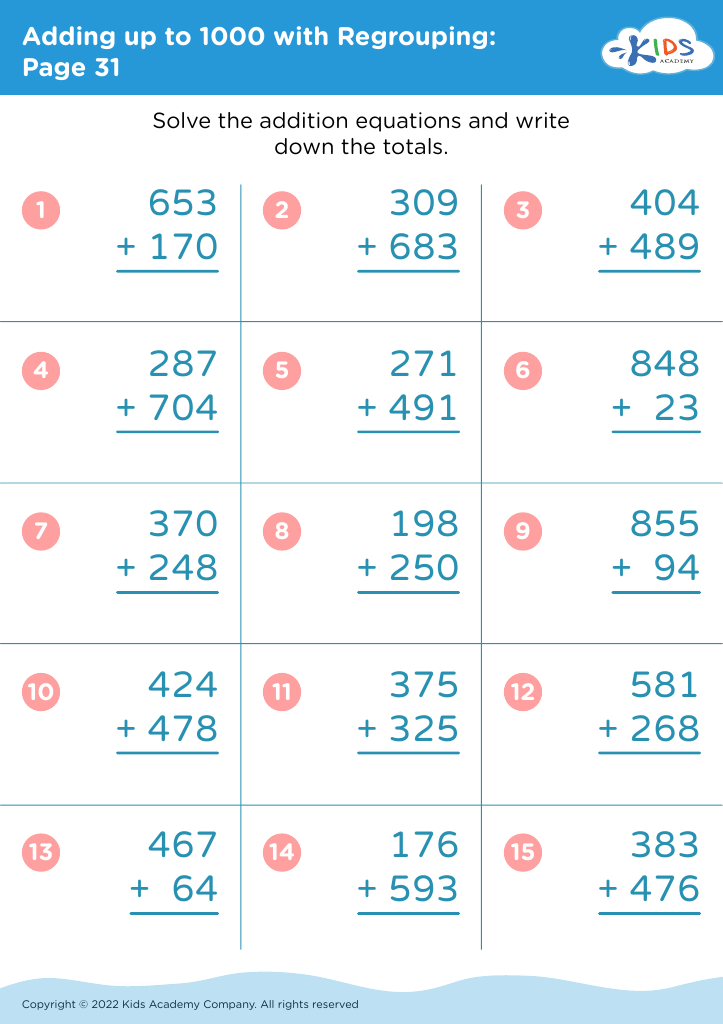
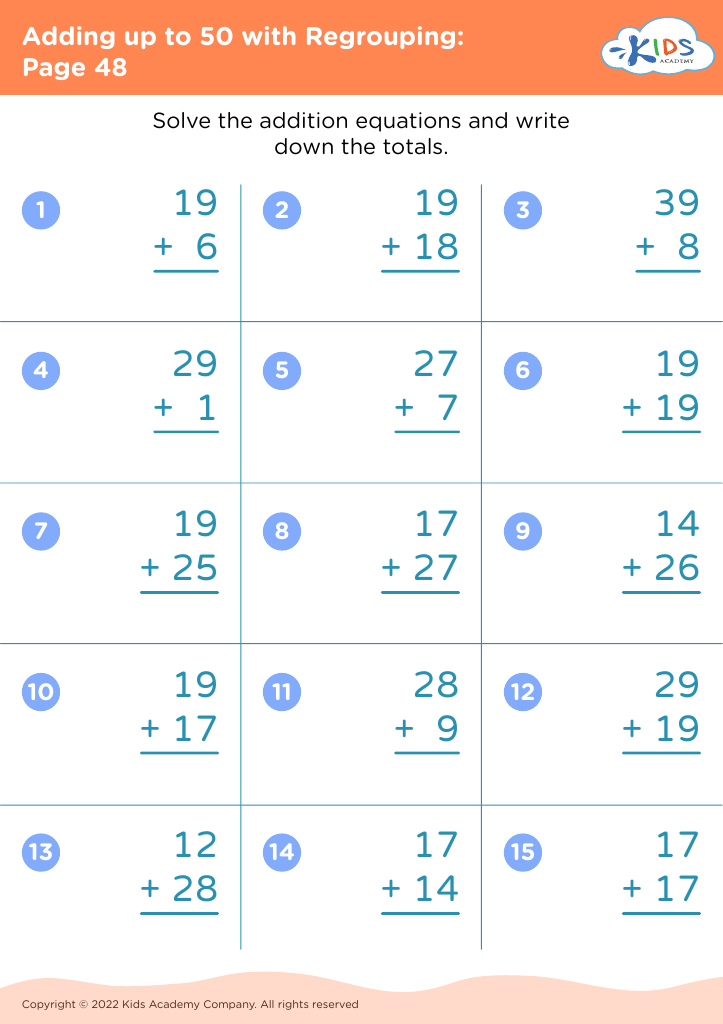
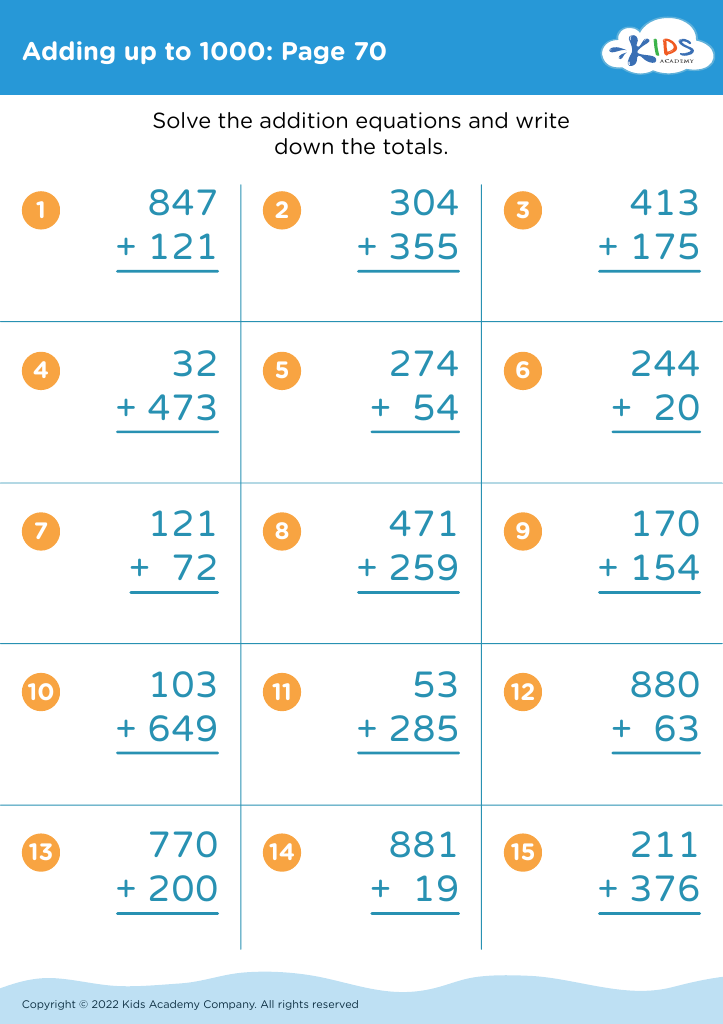
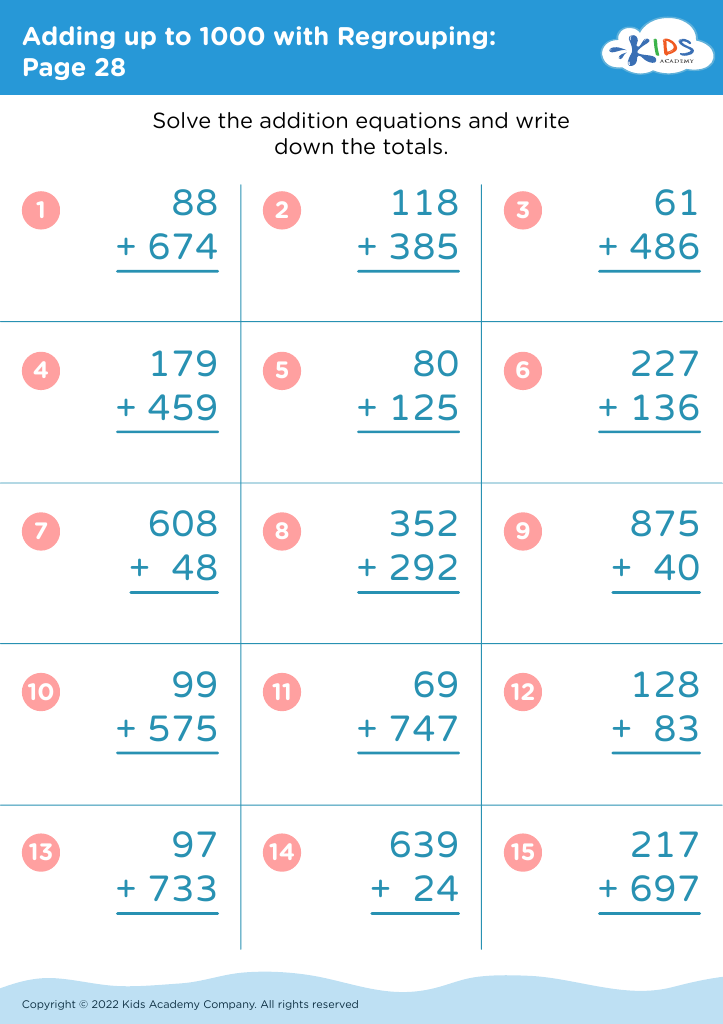
Unlock the world of fractions for your young learners with our engaging Fraction Addition and Subtraction Worksheets, designed specifically for ages 4-8. These printable resources provide a fun and interactive way for children to grasp the concepts of adding and subtracting fractions. With vibrant visuals and age-appropriate exercises, kids will develop essential math skills while boosting their confidence in tackling fraction problems. Our worksheets enable hands-on practice, encouraging a deep understanding through repetition and gradual complexity. Ideal for classrooms or homeschooling, these activities make math enjoyable and accessible. Start your child’s journey to mastering fractions today!
Favorites
With answer key
Interactive
Join Kids Academy for Free
Who is primarily going to use this learning content?








Parents and teachers should care about teaching fraction addition and subtraction to children aged 4-8 because these concepts lay the foundation for later mathematical understanding and logical reasoning. At this developmental stage, children are naturally curious and eager to learn, making it an ideal time to introduce them to basic fractions.
Understanding fractions is crucial as it fosters essential math skills, such as recognizing parts of a whole, comparing quantities, and developing problem-solving strategies. Adding and subtracting fractions introduces children to the concepts of equality and equitability, encouraging them to think critically and communicate their reasoning.
Moreover, engaging with fractions helps to enhance children's cognitive abilities, as they learn to visualize and manipulate numbers in different contexts. This builds confidence and reduces frustration in future math coursework, ensuring a smoother progression to more advanced topics like ratios and percentages.
On a practical level, early exposure to fractions can arise in everyday situations, like sharing pizza or cutting fruit, creating a relatable context that enhances learning. Ultimately, supporting children in mastering these early fraction skills fosters a healthy attitude towards math and supports lifelong learning.








