
Handwriting practice Addition & Subtraction Worksheets for Ages 4-8
5 filtered results
Difficulty Level
Grade
Age
-
From - To
Subject
Activity
Standards
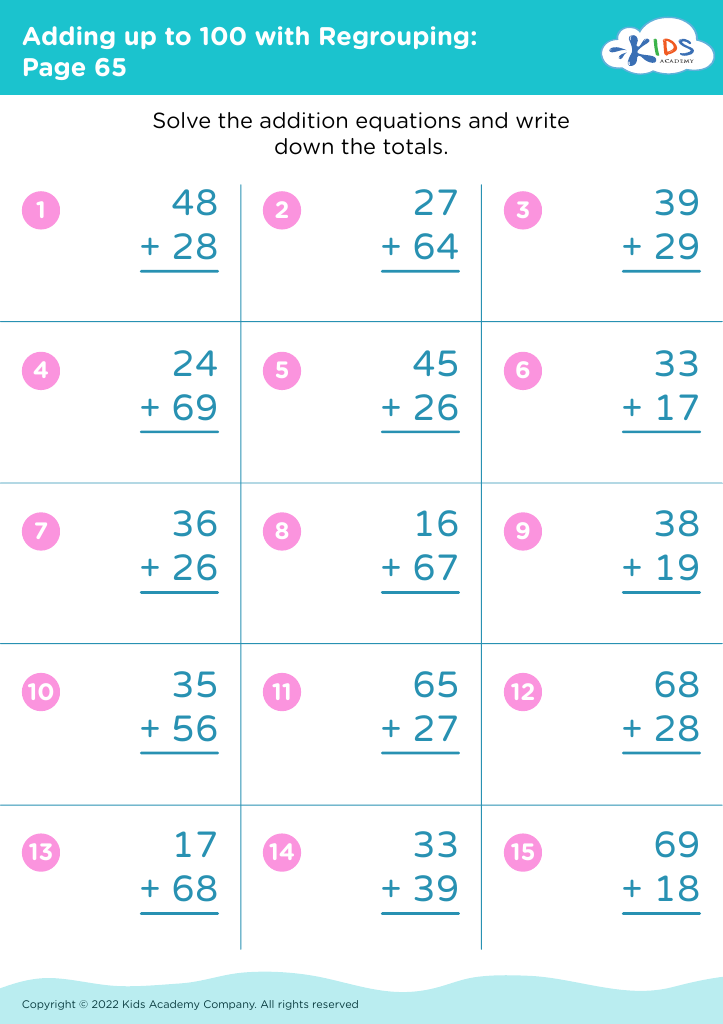
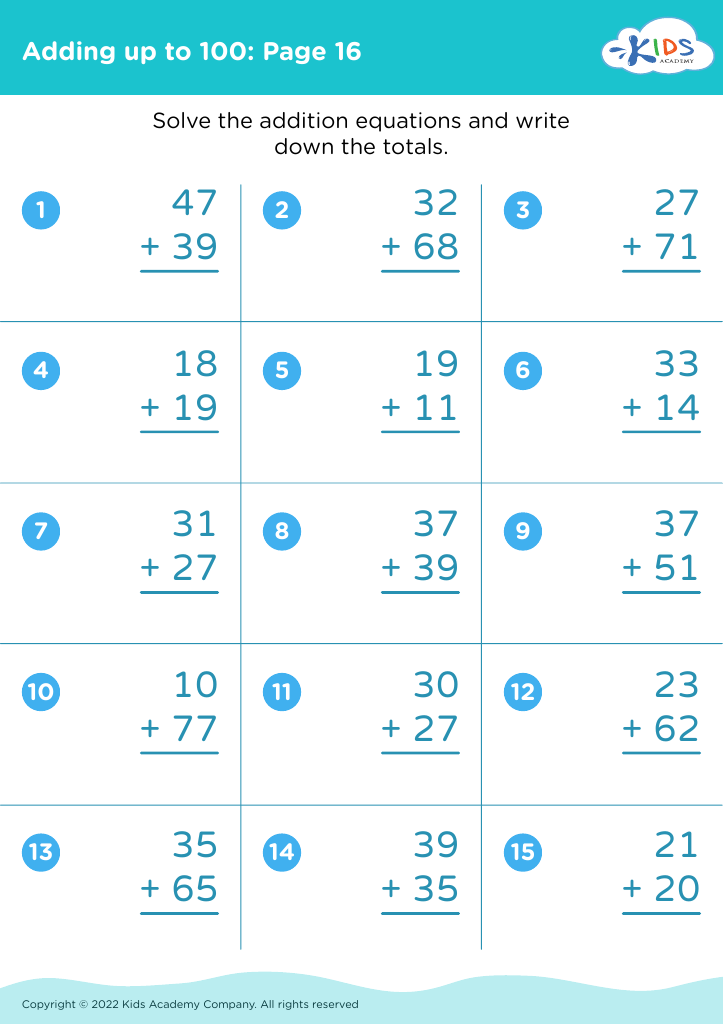
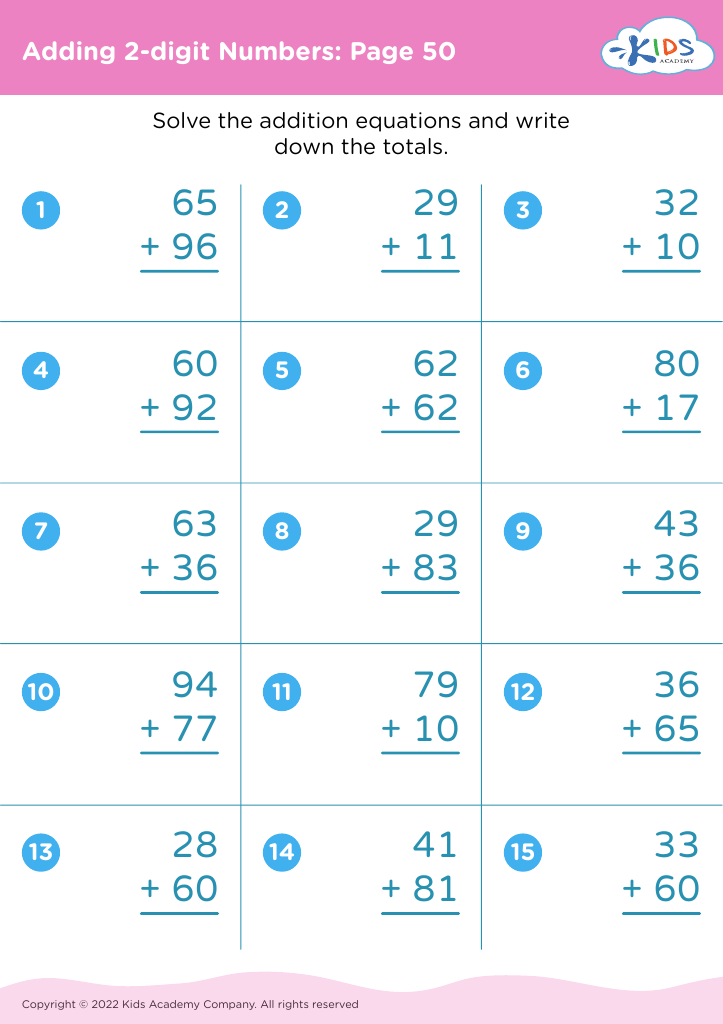
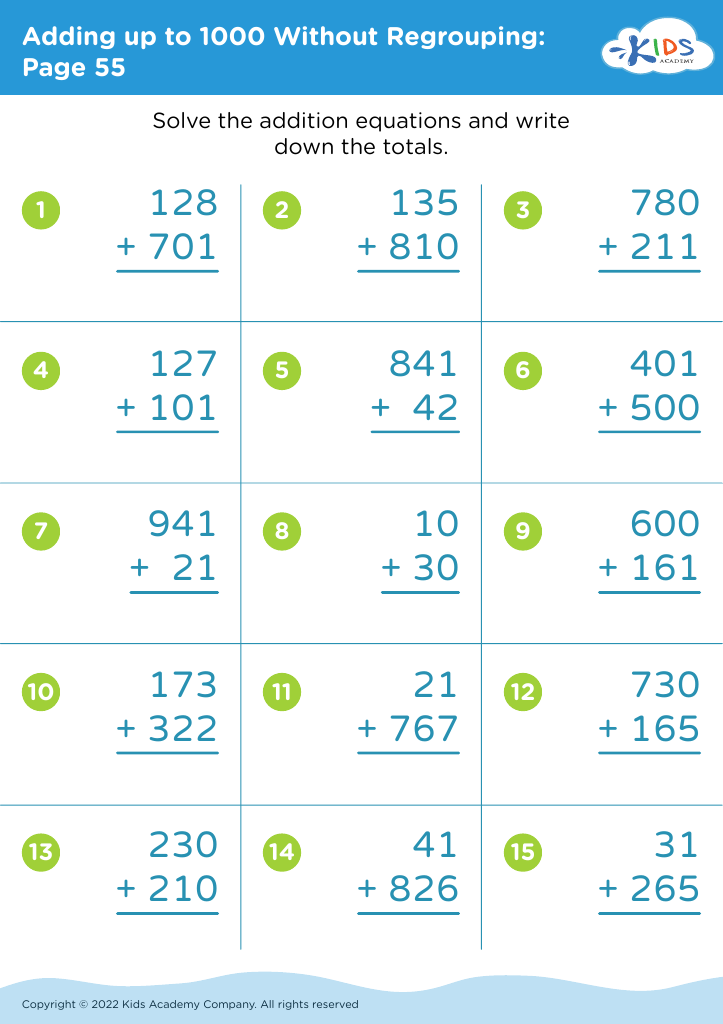
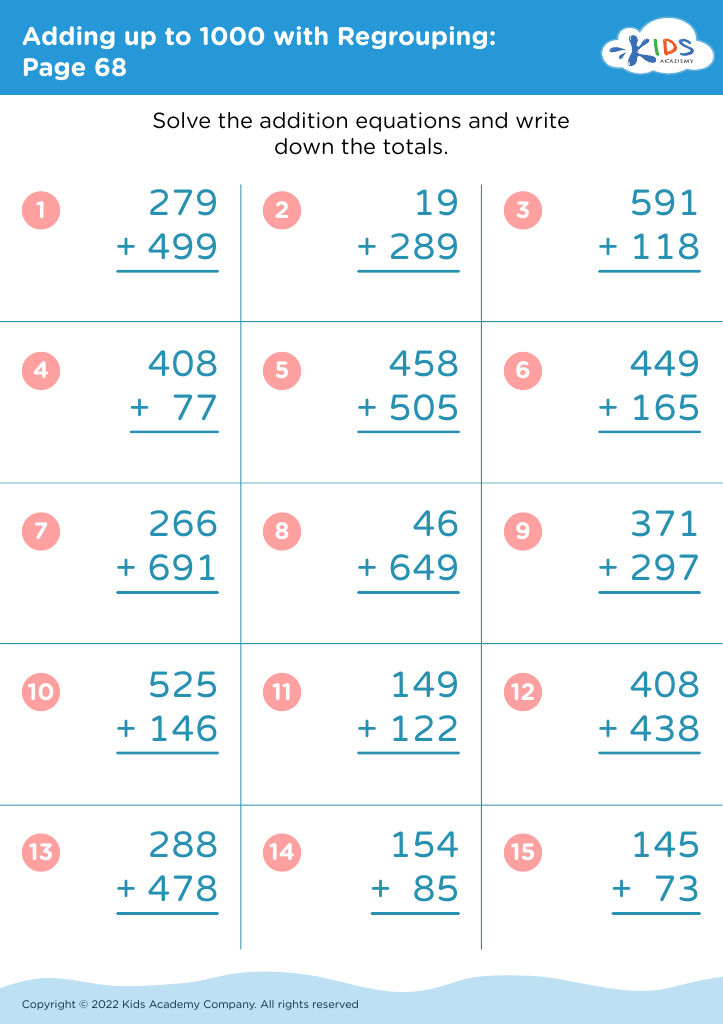
Unlock your child's potential with our engaging Handwriting Practice Addition & Subtraction Worksheets designed for kids aged 4-8! These worksheets seamlessly blend essential math skills with handwriting practice, making learning fun and effective. As children solve simple addition and subtraction problems, they also enhance their writing abilities through guided handwriting exercises. Perfect for reinforcing key math concepts while developing fine motor skills, these worksheets cater to various learning styles. Encourage your young learners to boost their confidence and academic performance in math and handwriting. Start your child's educational journey today with our delightful, interactive resources!
Favorites
With answer key
Interactive
Join Kids Academy for Free
Who is primarily going to use this learning content?








Handwriting practice, especially in addition to foundational math skills like addition and subtraction, is crucial for children aged 4-8. Firstly, handwriting develops fine motor skills, which are essential for coordination and independent tasks as children grow. These skills enhance a child's ability to grasp pencils, which ultimately supports their writing, drawing, and, importantly, math problem-solving.
Furthermore, handwriting in math helps children represent their thoughts visually, reinforcing number sense and basic arithmetic concepts. By writing down problems, they engage in a multi-sensory learning experience, making abstract concepts more tangible. This cognitive involvement aids memory retention and understanding.
Additionally, neat and legible handwriting fosters self-confidence and pride in a child’s work, which can motivate them to practice and improve their skills further. As they develop accuracy in writing numerals and symbols, their overall academic performance may improve.
Engaging in handwriting practice alongside math not only supports the development of literacy and numeracy but also teaches students the importance of clarity and organization in communication—skills that will prove invaluable throughout their education and beyond. Therefore, parents and educators should prioritize these integrated practices to set a strong foundation for children's learning journeys.








