Improve number recognition Addition & Subtraction Worksheets for Ages 4-8
15 filtered results
-
From - To
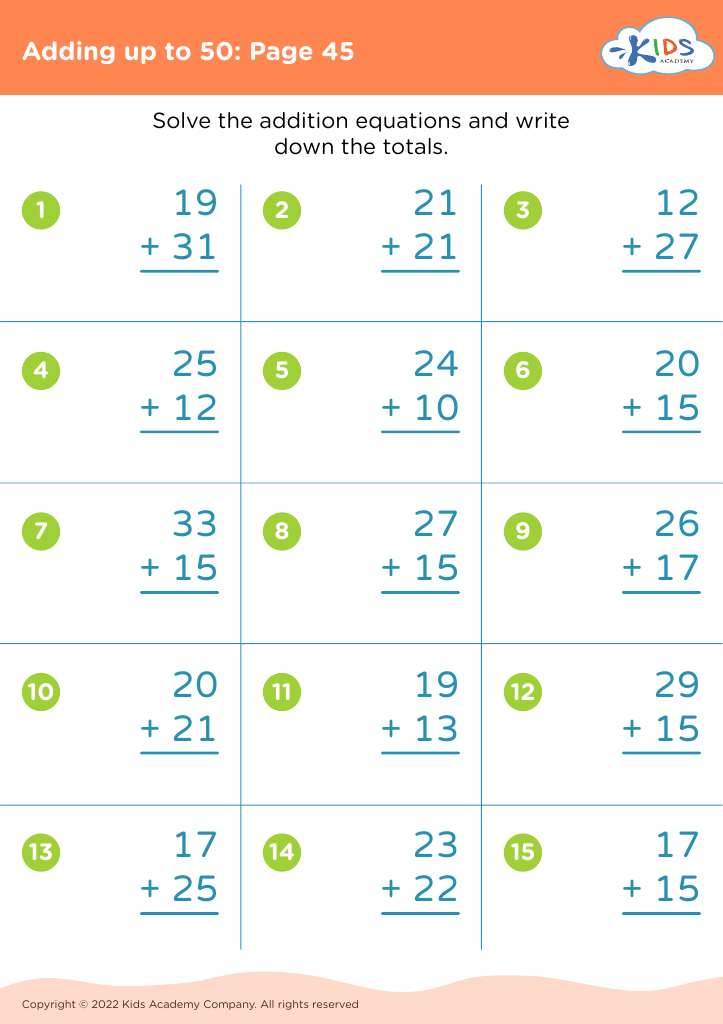
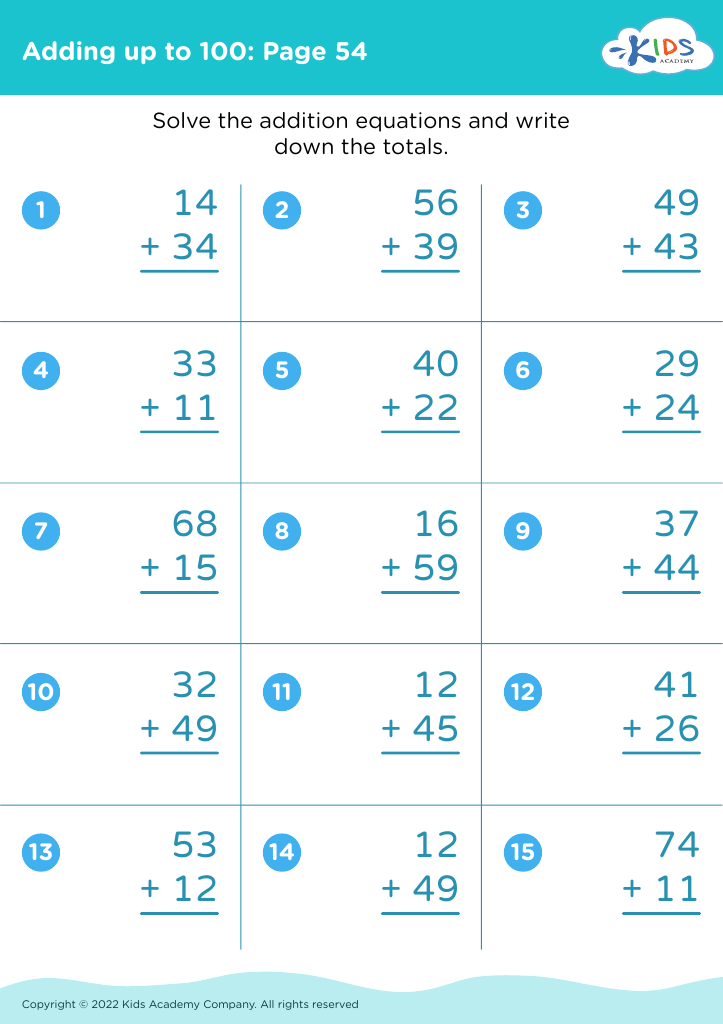
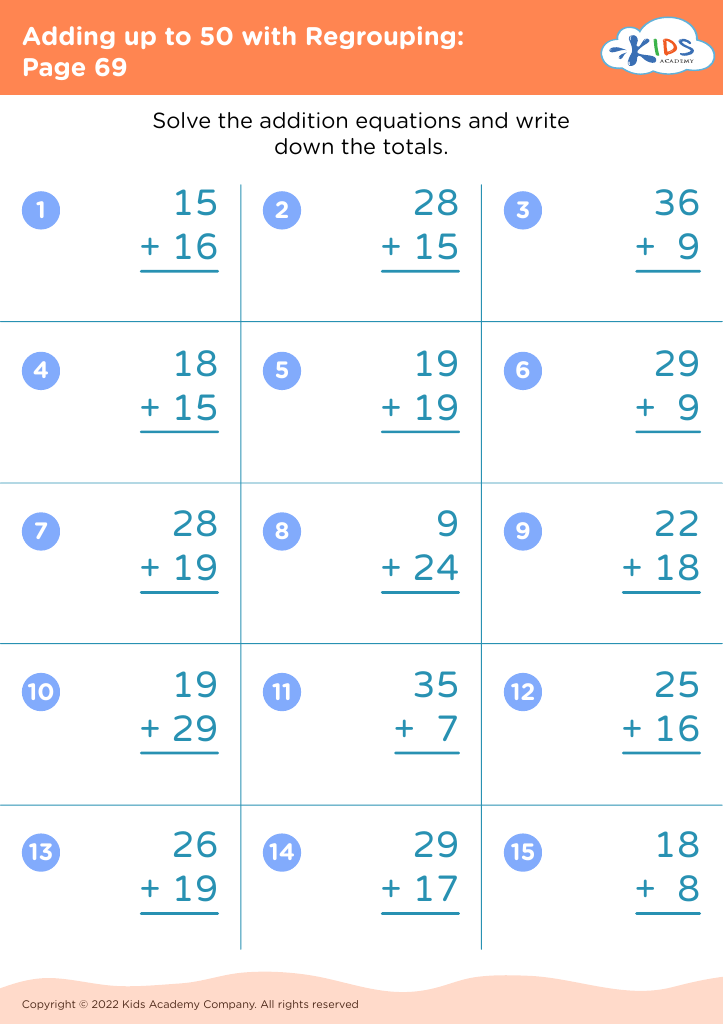
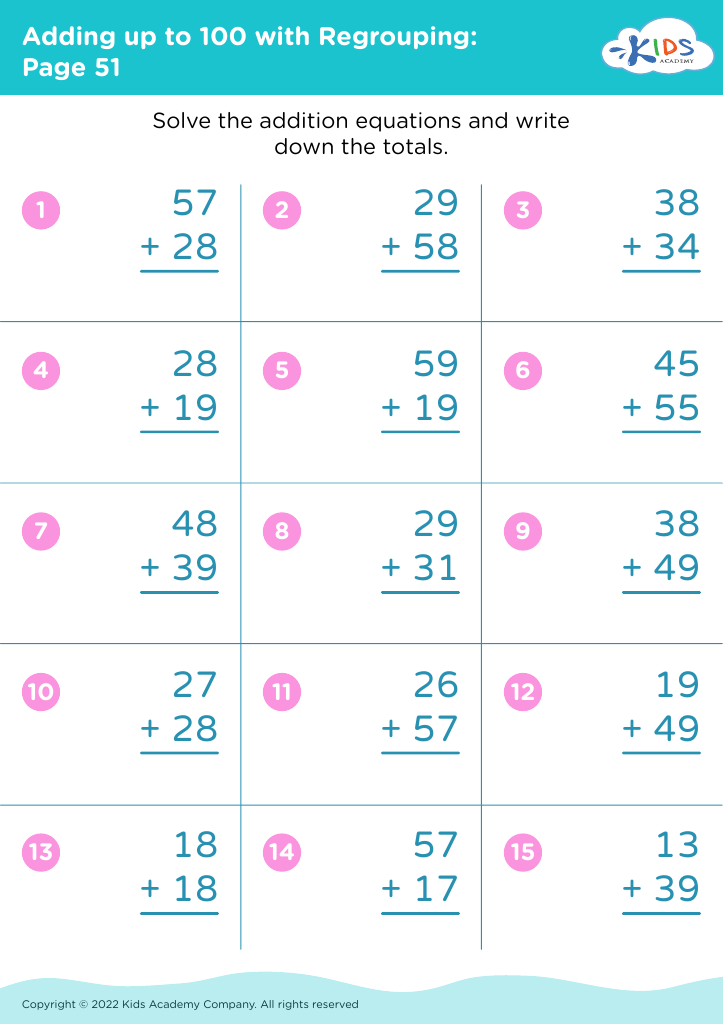
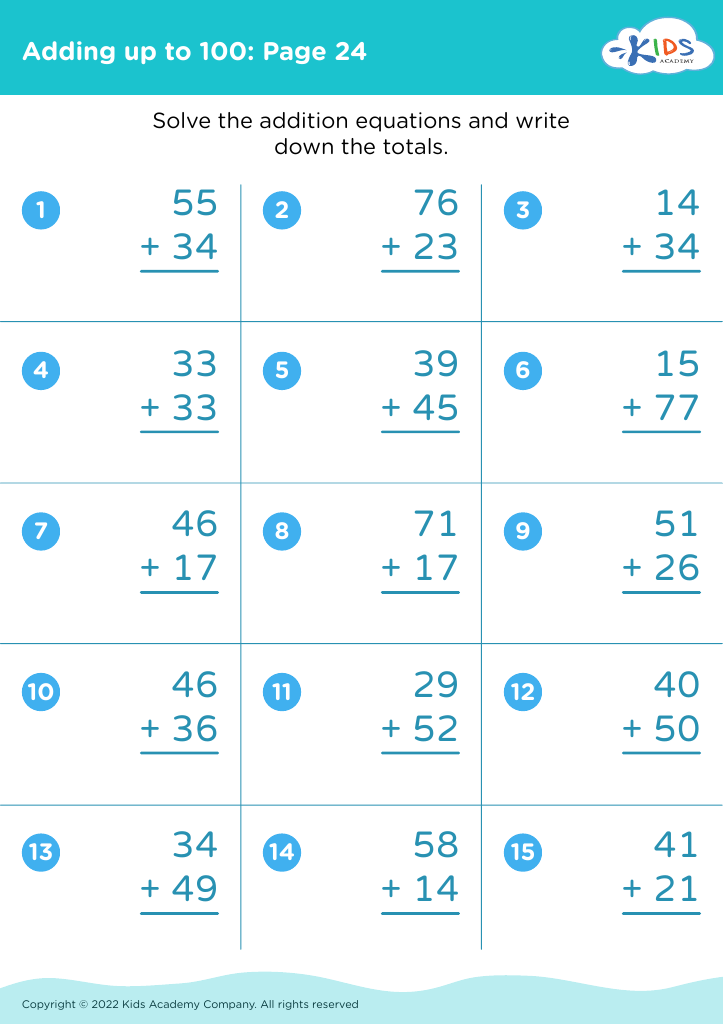
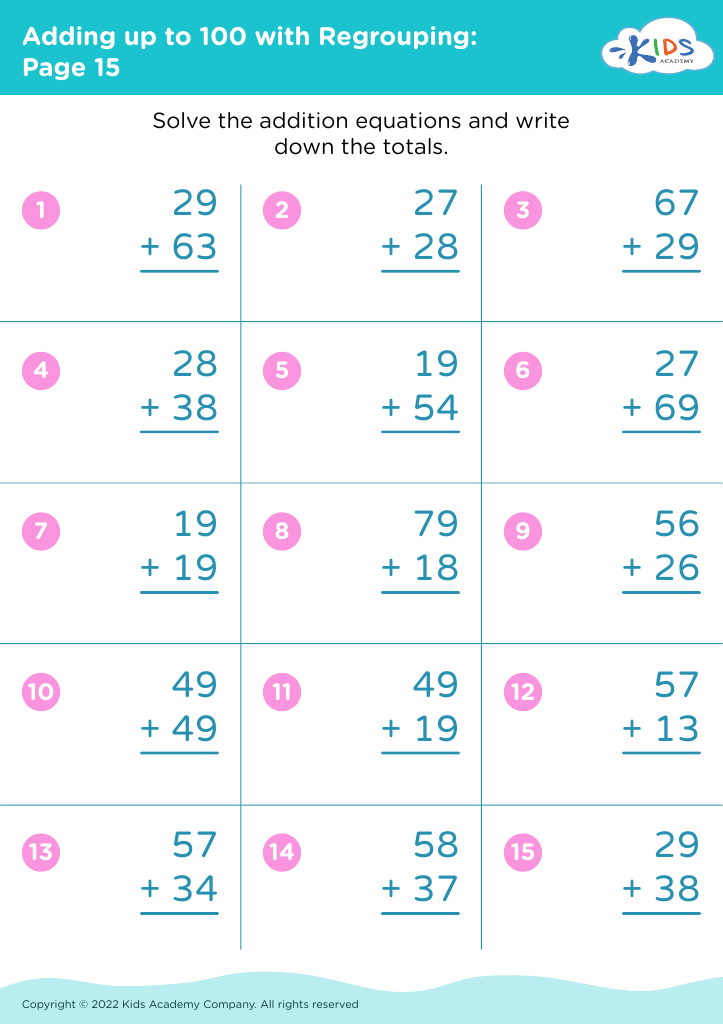
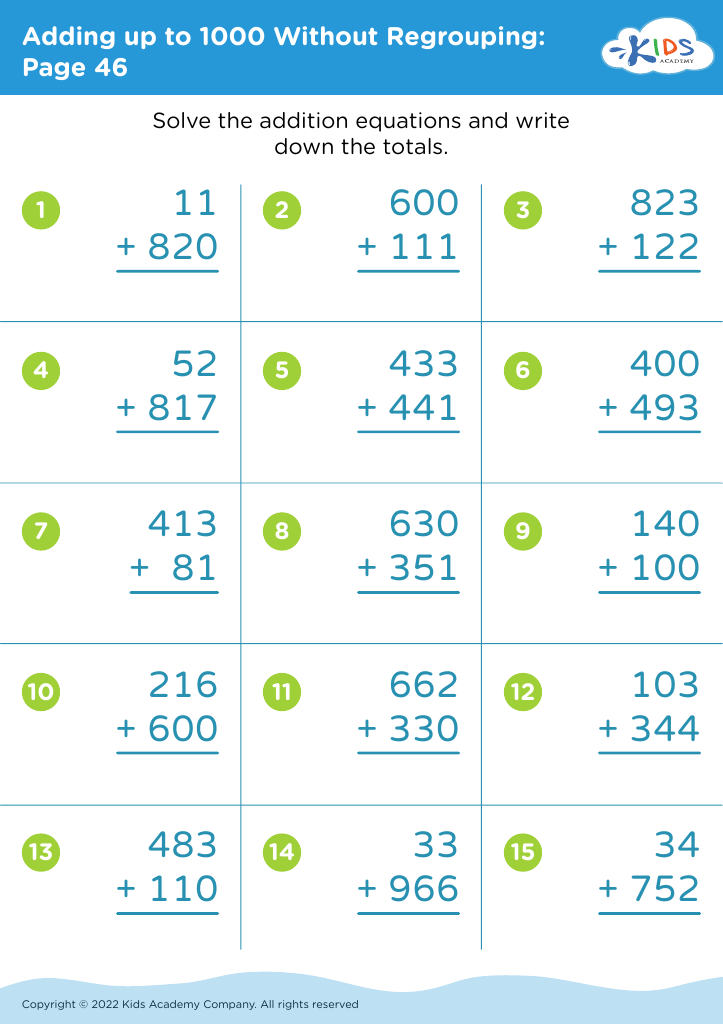
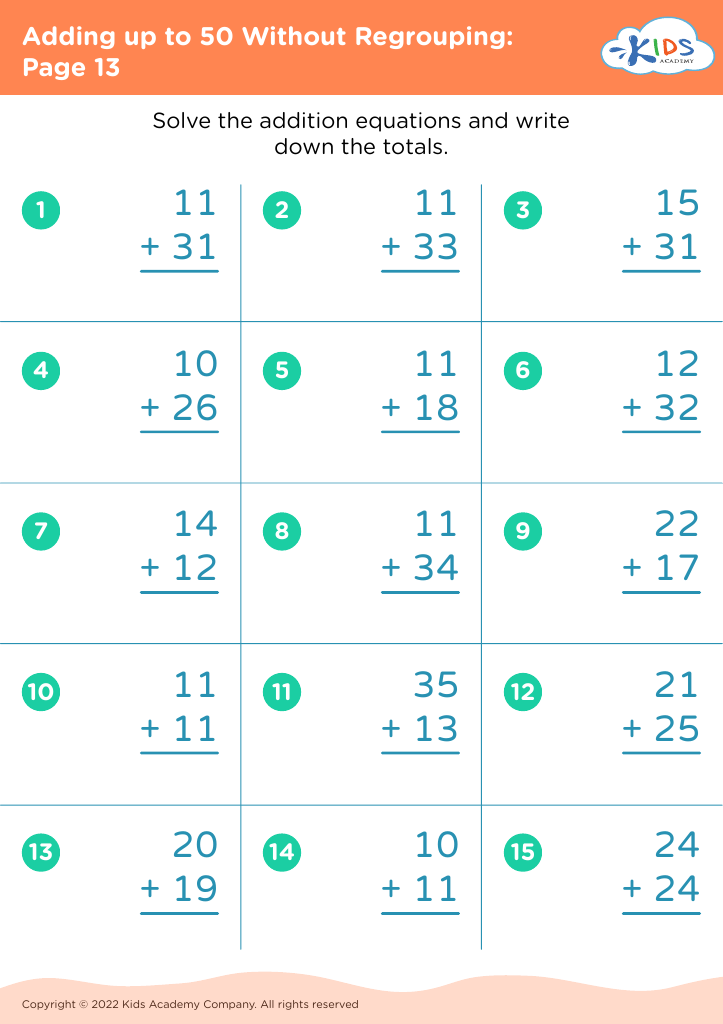
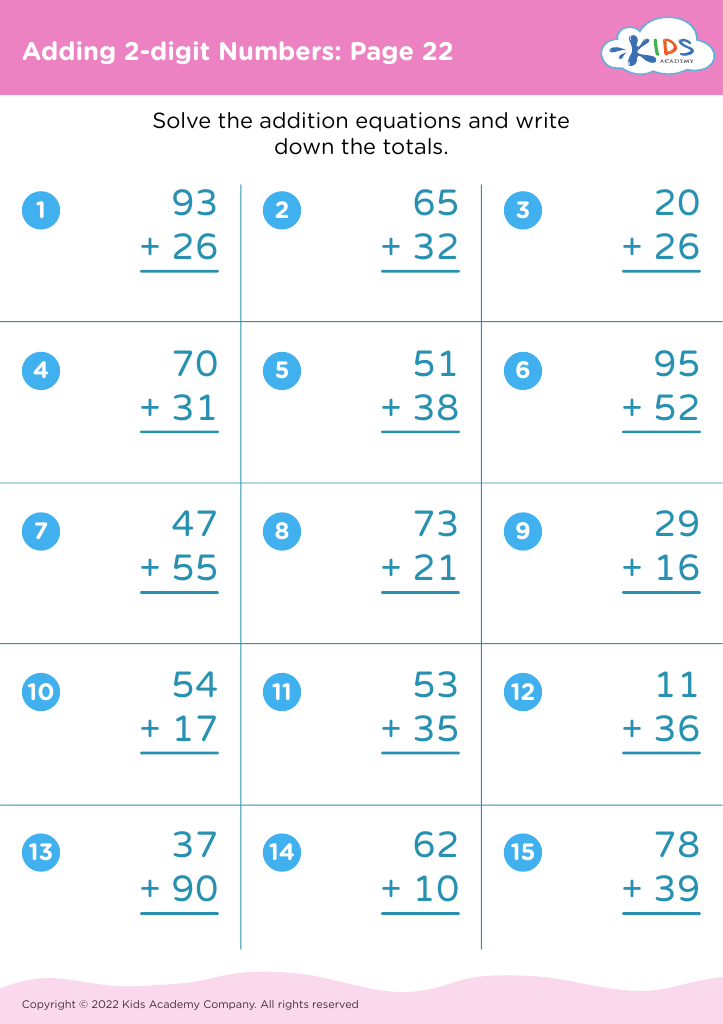
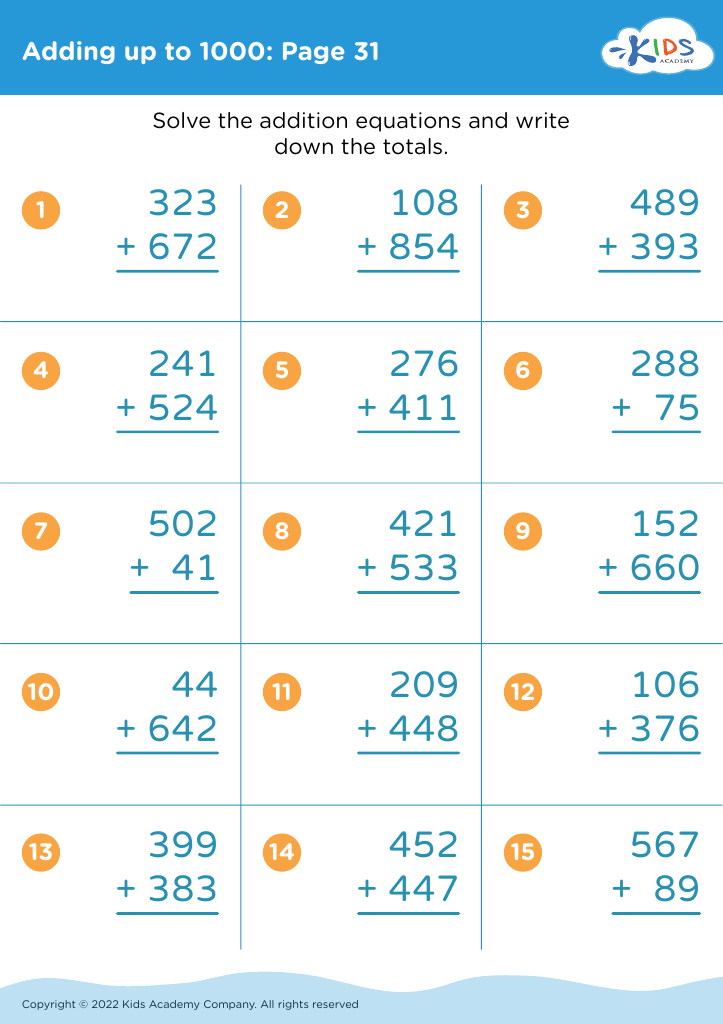
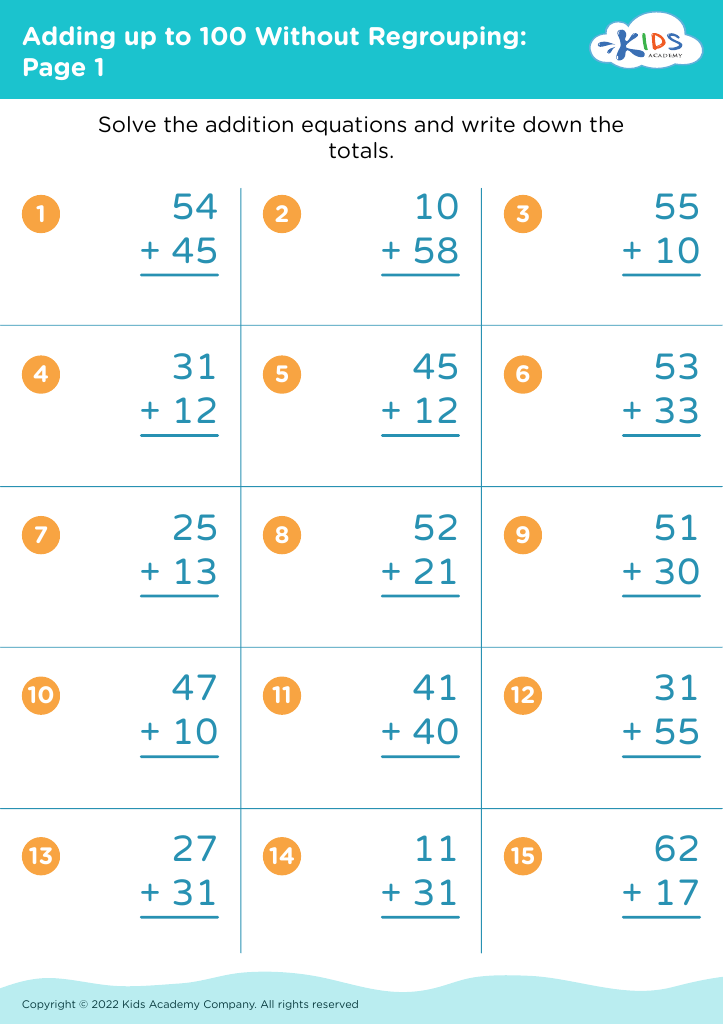
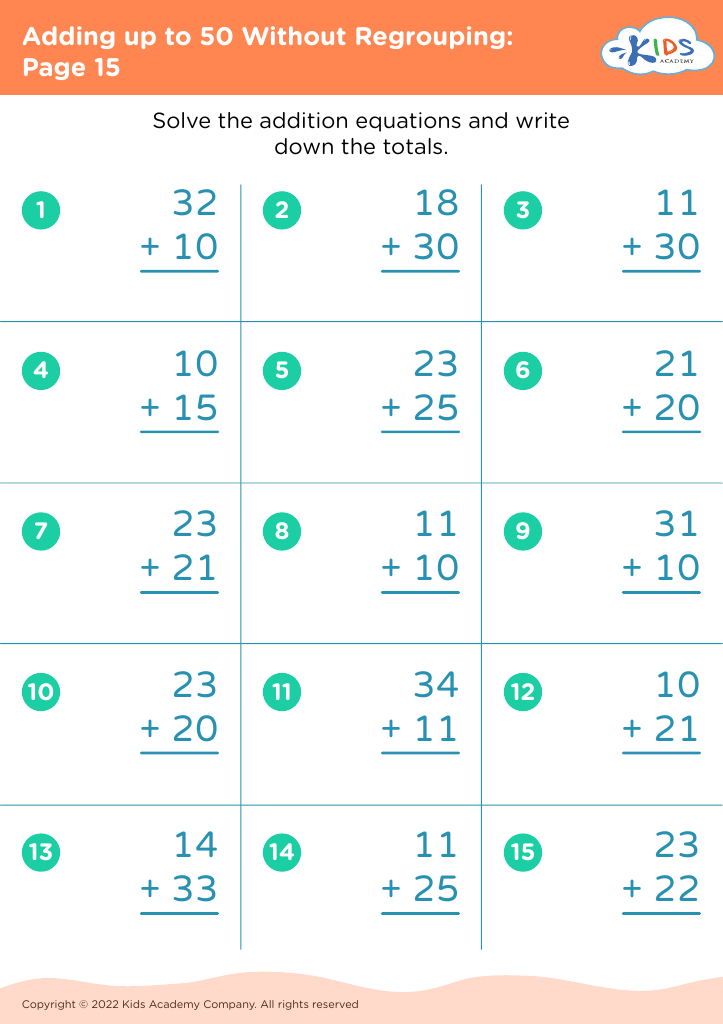
Boost your child’s math skills with our engaging "Improve Number Recognition Addition & Subtraction Worksheets for Ages 4-8." These worksheets are designed to make learning fun and effective, helping young learners to identify, understand, and apply numbers easily. Through creative, interactive activities, children practice addition and subtraction while enhancing their number recognition abilities. Perfect for preschool to early elementary students, these worksheets provide a solid foundation for math success. Ideal for both classroom use and at-home practice, ensure your child builds confidence and fluency in basic math operations. Discover the joy of learning with our expertly crafted resources!
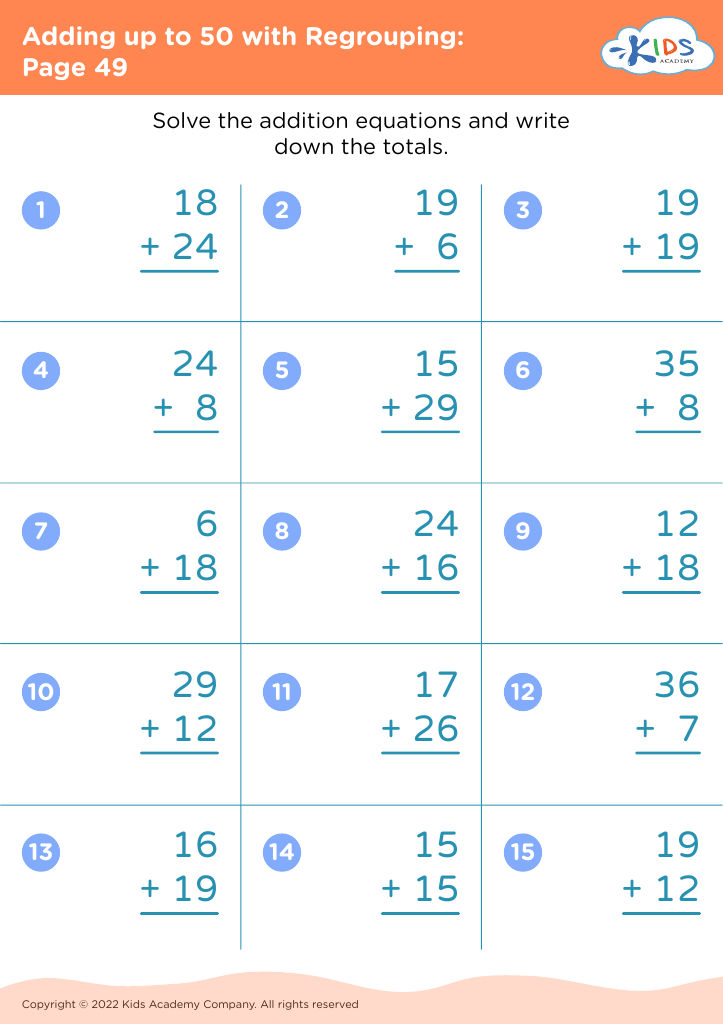
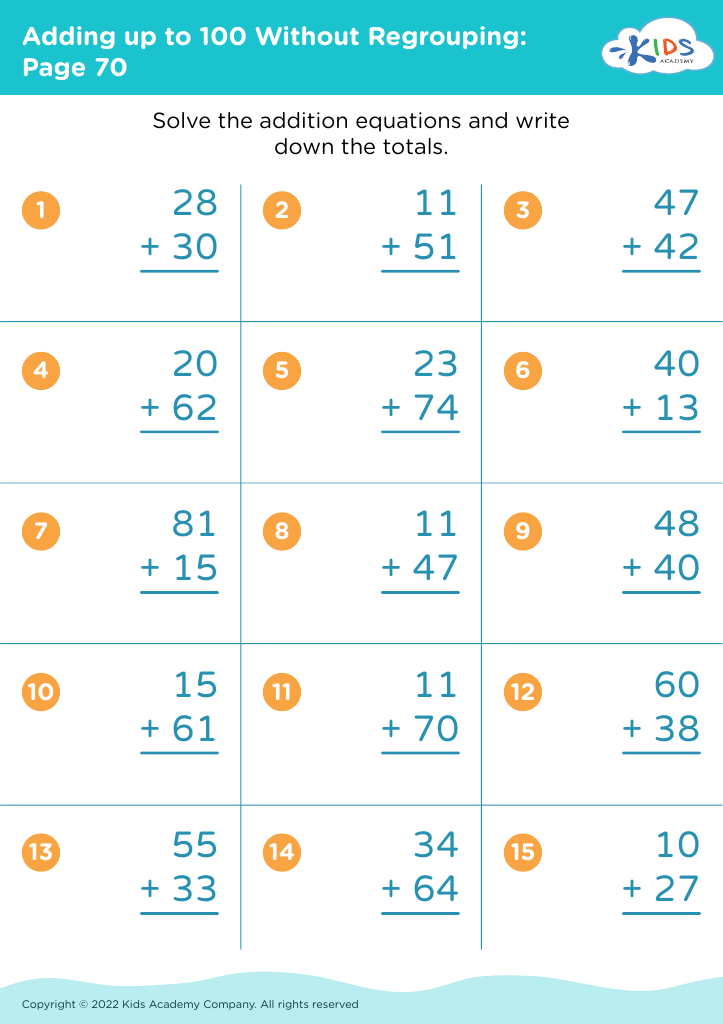
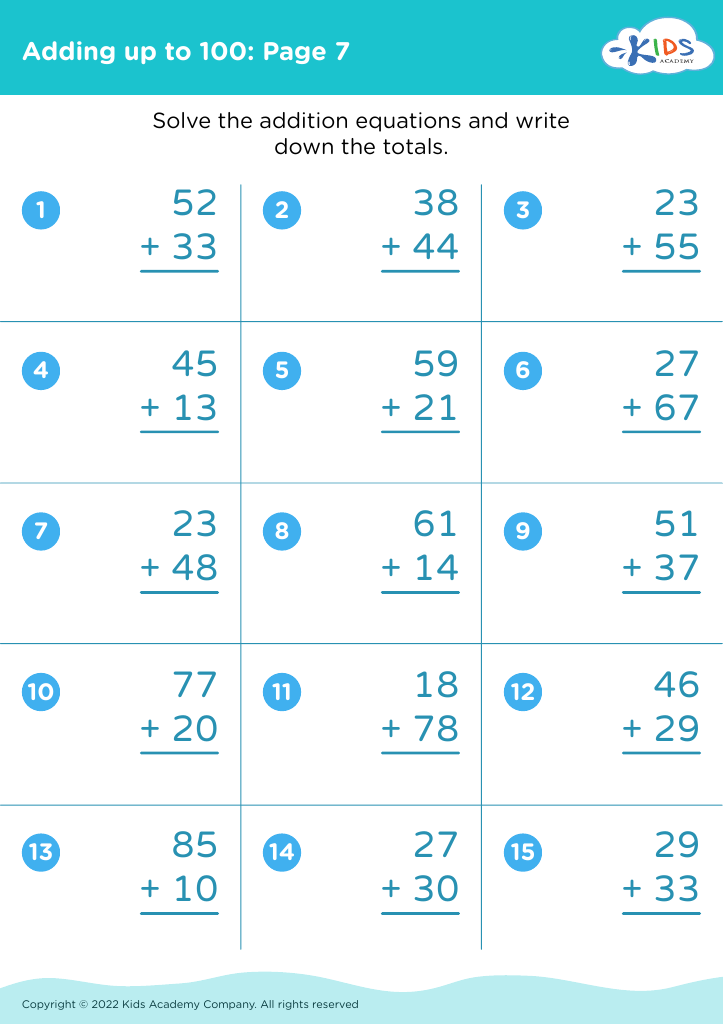








Supporting children aged 4-8 in improving number recognition and understanding basic addition and subtraction is crucial for several reasons. Firstly, these foundational mathematical skills are essential for later academic achievement. Recognizing numbers quickly and accurately helps children make sense of more complex mathematical concepts they will encounter as they advance in their education.
Secondly, early math skills are closely correlated with future academic success, even beyond math. Studies have shown that early numeracy skills can predict broader academic achievements, including reading comprehension. When children can comfortably manipulate numbers, they are more likely to stay engaged and feel confident in their learning journey.
Moreover, developing strong number recognition and computational skills early on fosters critical thinking and problem-solving abilities. These skills are vital not only in academic contexts but also in everyday life. For instance, understanding numbers and basic arithmetic helps children grasp the concept of time, manage money, and follow recipes—practical skills that are fundamental to independent living.
Lastly, fostering these skills at a young age helps build a positive attitude toward math, reducing math anxiety. When children feel competent and confident in their abilities, they are more likely to approach math with curiosity and a willingness to persevere through challenges. This positive disposition will benefit their overall learning experience.








