
Number identification Addition & Subtraction Worksheets for Ages 4-8
5 filtered results
Difficulty Level
Grade
Age
-
From - To
Subject
Activity
Standards
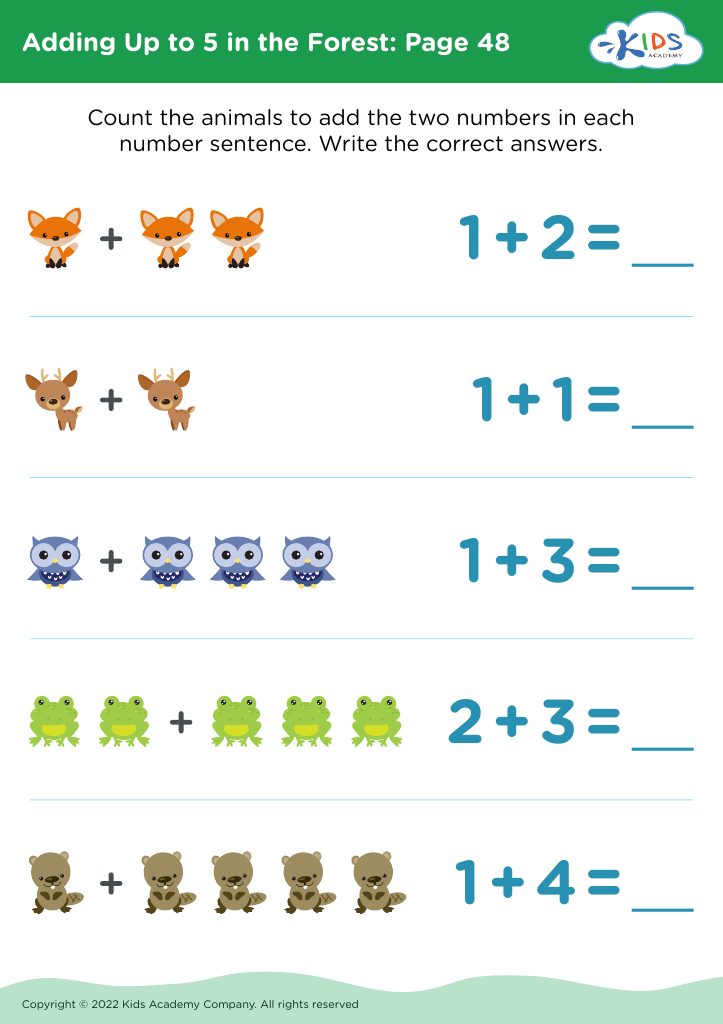
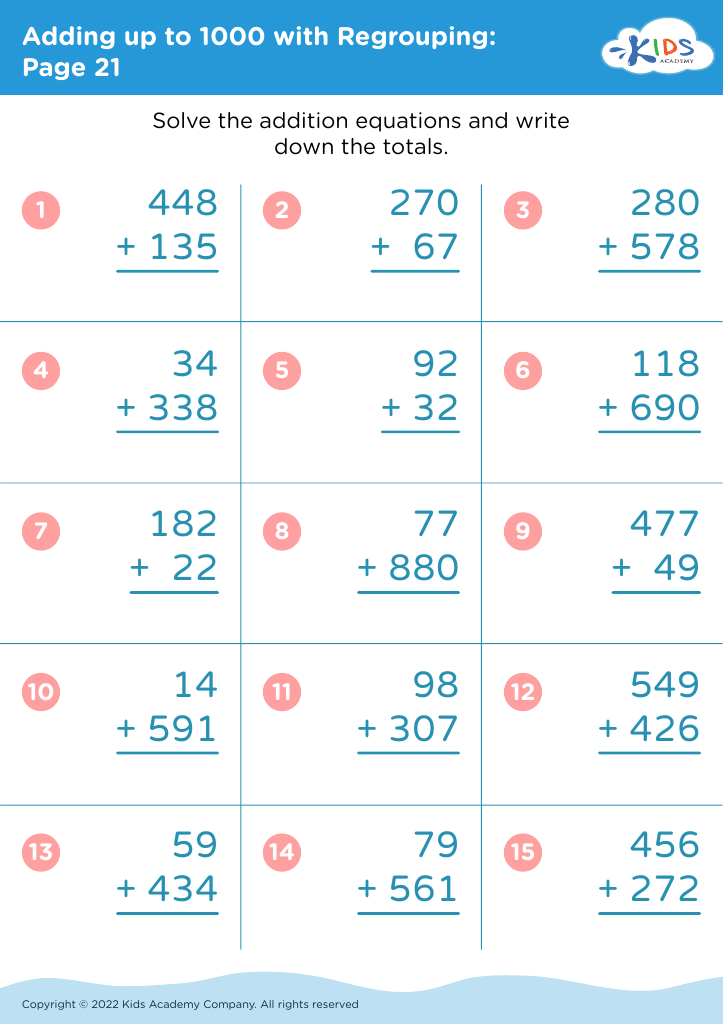
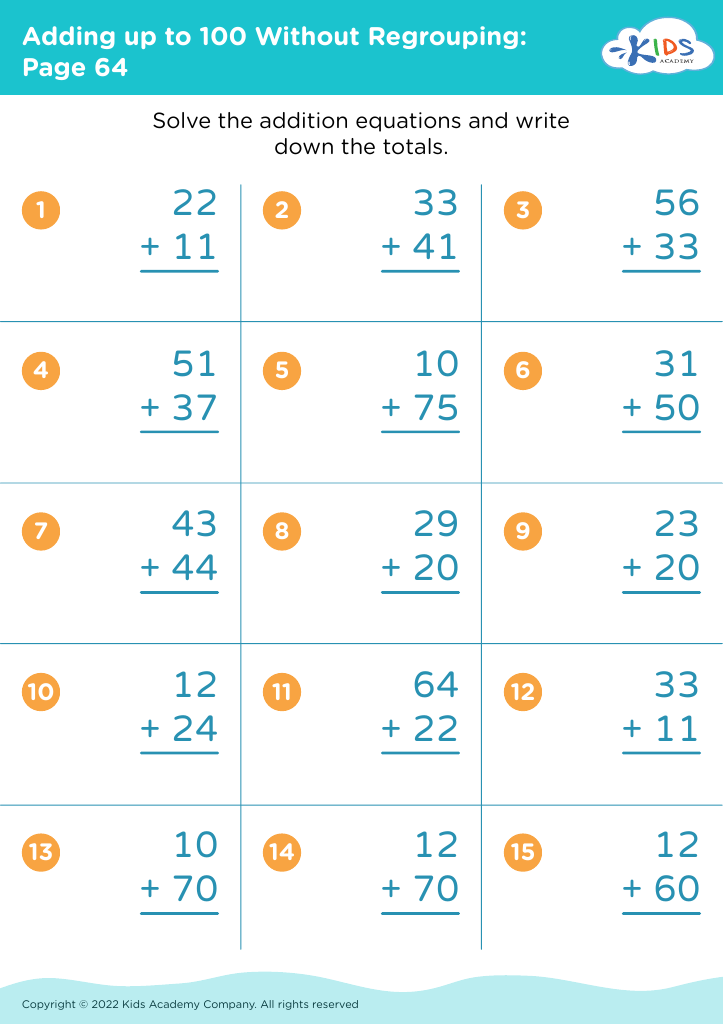
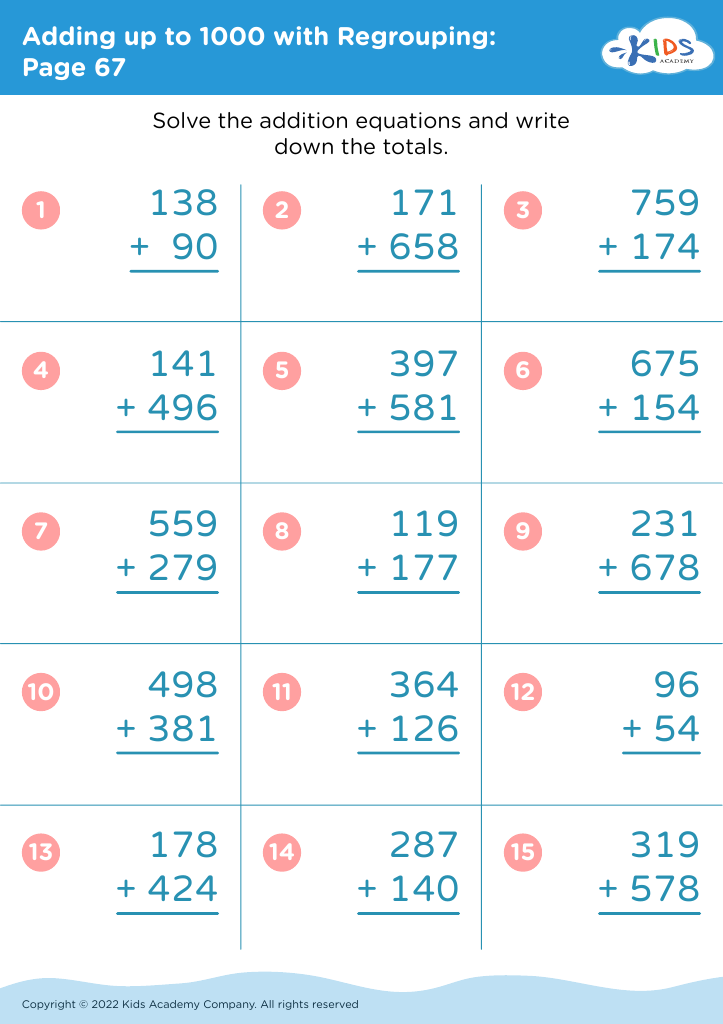
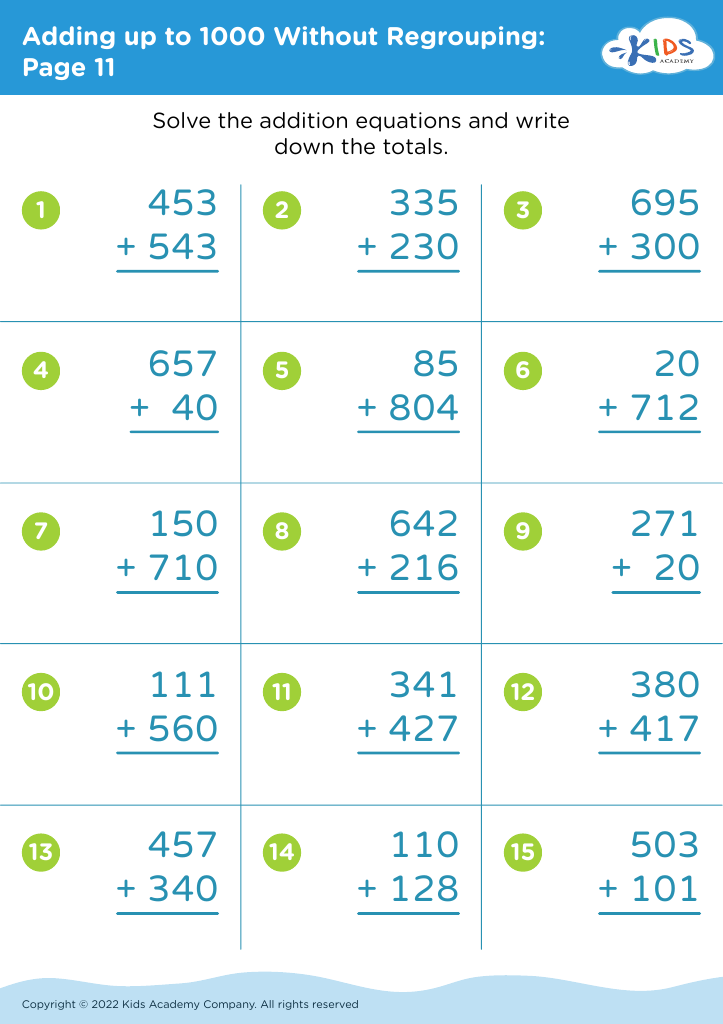
Welcome to our vibrant collection of Number Identification Addition and Subtraction Worksheets designed specifically for children ages 4-8! These engaging worksheets help young learners master basic number recognition while developing essential addition and subtraction skills. Each activity features colorful illustrations, making learning fun and interactive. Our expertly crafted exercises cater to various skill levels, ensuring every child can confidently explore math concepts at their own pace. Whether in the classroom or at home, these worksheets are perfect for reinforcing math fundamentals and promoting a lifelong love for learning. Dive in and watch your child’s confidence soar with each success!
Favorites
With answer key
Interactive
Join Kids Academy for Free
Who is primarily going to use this learning content?








Number identification, addition, and subtraction are foundational skills critical for young children's mathematical development. For ages 4-8, these skills form the basis of a child's numerical understanding and confidence. First and foremost, number identification helps children recognize, compare, and manipulate numbers, promoting cognitive skills that underpin all future math learning. When children can identify numbers, they become more adept at understanding mathematical concepts.
Addition and subtraction go hand-in-hand, helping children develop essential problem-solving skills. Mastering these operations enables kids to engage with real-life situations, such as adding fruits during grocery shopping or calculating how many toys they have left after giving some away. Such practical applications make math relatable and enjoyable.
Furthermore, integrating math in early education fosters a positive attitude towards learning and equips children to tackle more complex concepts in later grades. For parents and teachers, nurturing proficiency in these areas also means reinforcing emotional growth—building self-esteem and resilience as children overcome challenges. By emphasizing number identification, addition, and subtraction, adults can create a solid mathematical foundation that supports lifelong learning and skills essential for everyday life, encouraging a generation that feels confident and competent with numbers.








