Visual interpretation Addition & Subtraction Worksheets for Ages 4-8
5 filtered results
-
From - To
Discover our engaging Visual Interpretation Addition & Subtraction Worksheets designed specifically for children ages 4 to 8. These worksheets encourage young learners to develop a strong foundational understanding of basic math concepts through vivid illustrations and relatable scenarios. Using visuals helps students grasp addition and subtraction in a fun and interactive way. Each worksheet features enticing graphics that promote critical thinking and reasoning skills, making it easier for kids to solve problems and enjoy math learning. Perfect for teachers and parents alike, these resources foster a positive attitude toward math while enhancing visual literacy. Start your child’s math journey today!
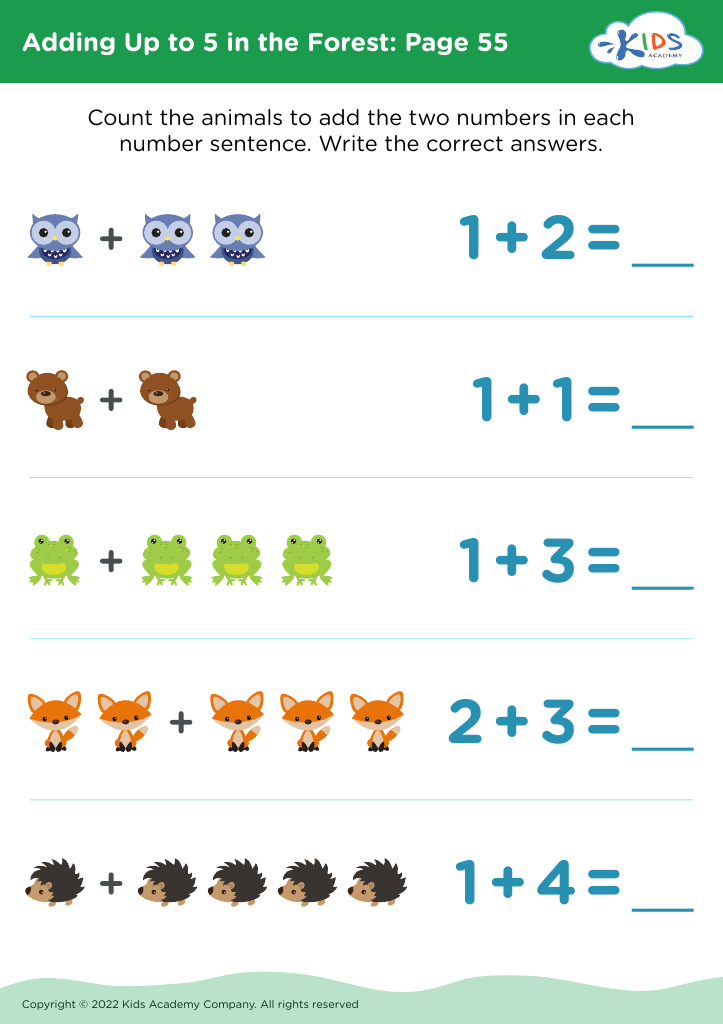
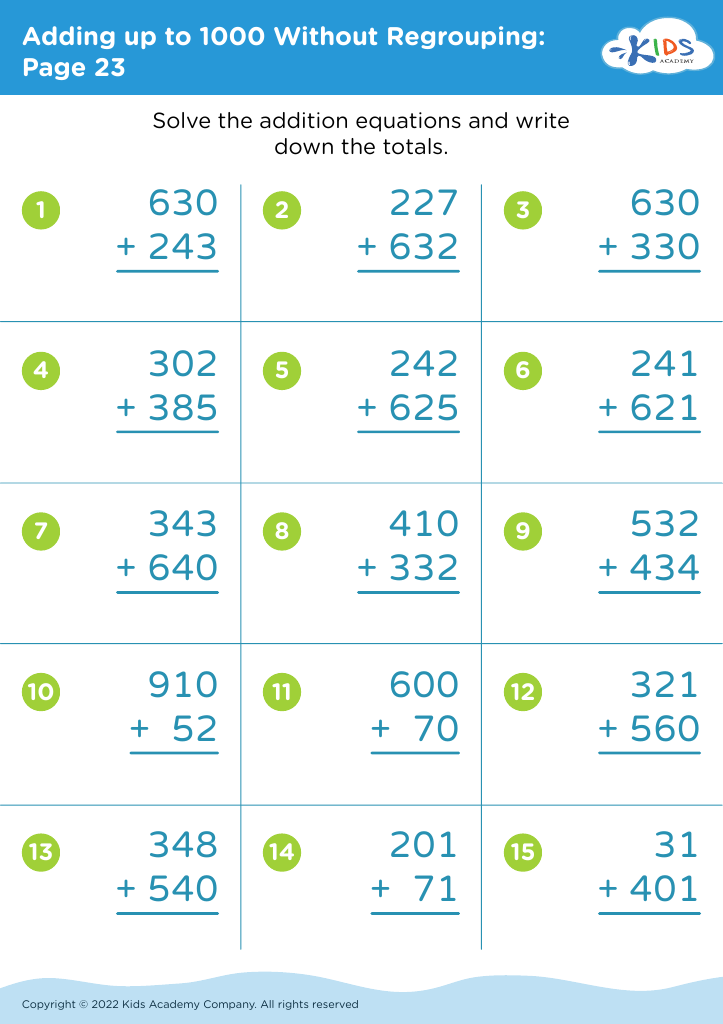
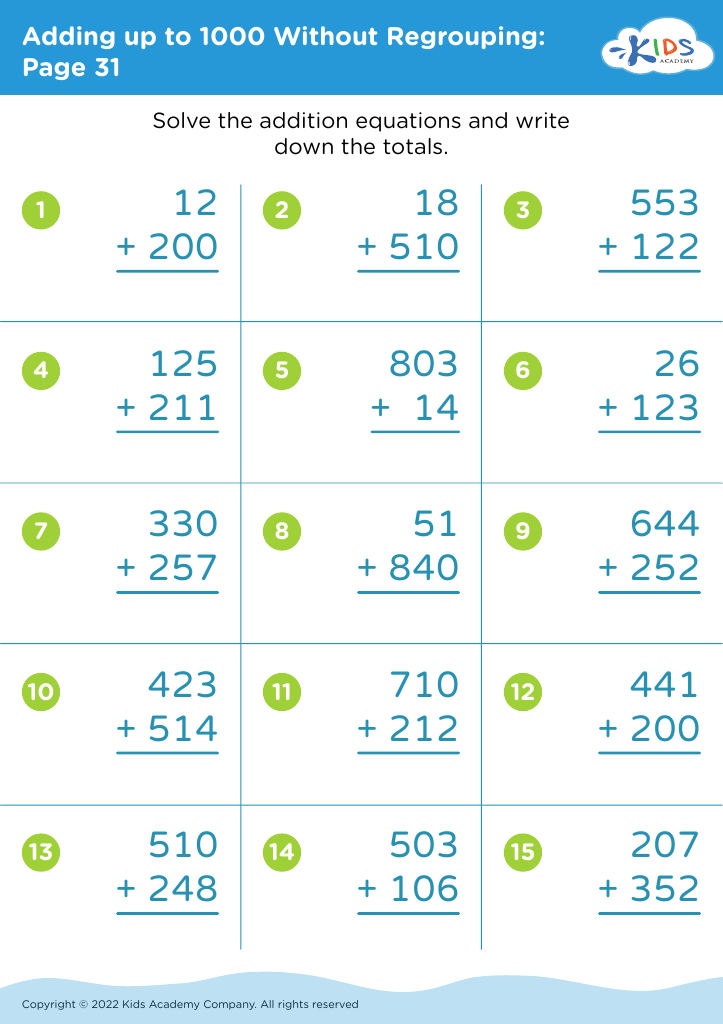
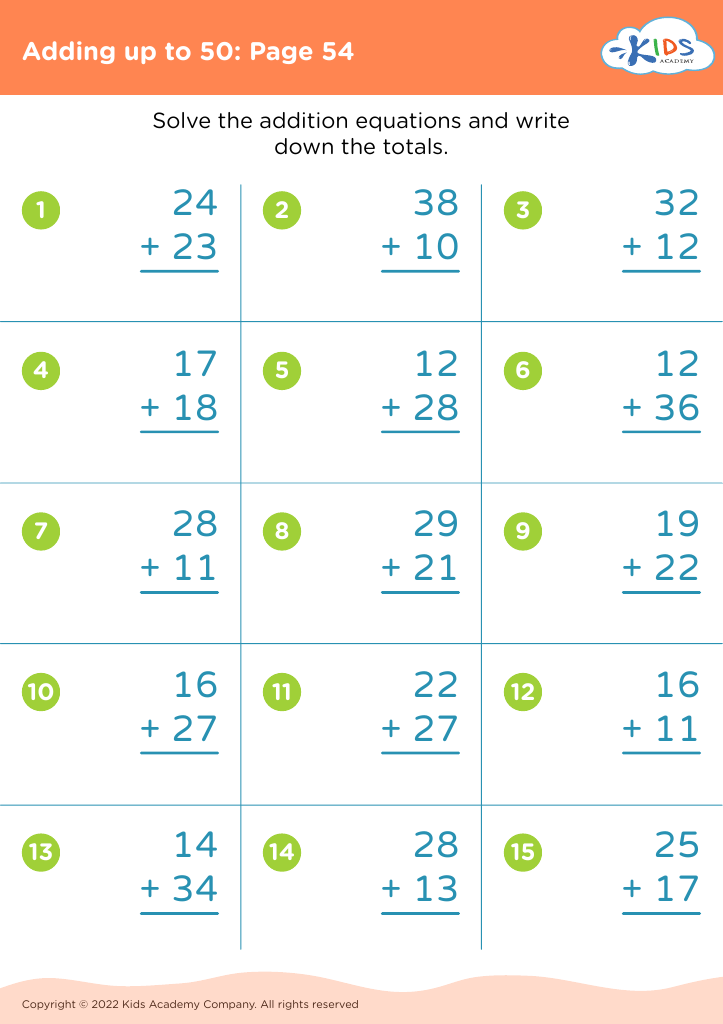
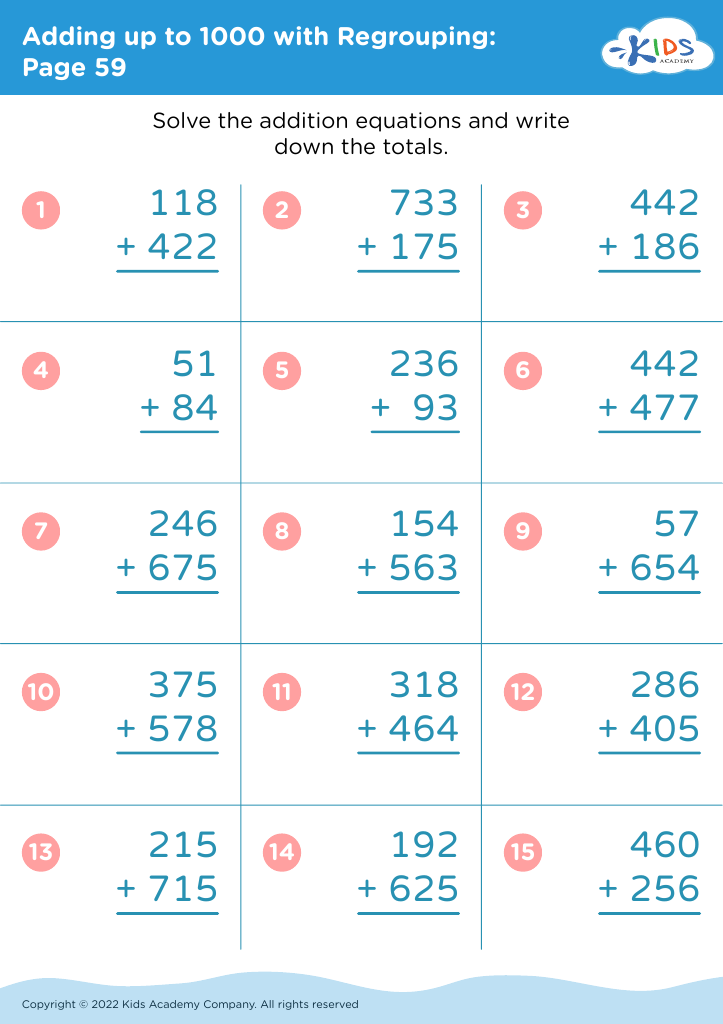








Visual interpretation of addition and subtraction is crucial for children aged 4-8 as it lays the foundational skills for mathematical understanding. At this developmental stage, children are naturally drawn to visuals, making it an effective way for them to conceptualize abstract mathematical concepts. By using images, manipulatives, and diagrams, children can better understand the relationships between numbers, enhancing their ability to solve problems accurately.
When parents and teachers prioritize visual methods, they support various learning styles, allowing all students to grasp mathematical concepts at their own pace. This approach promotes engagement and fosters a positive attitude toward math, reducing anxiety that often accompanies traditional arithmetic. Visualization also aids in retention, allowing children to visualize problem-solving processes, making it easier to recall information in future activities.
Moreover, mastering early addition and subtraction through visual interpretation equips children with essential skills for more complex mathematics later on. It nurtures critical thinking and promotes cognitive development, traits beneficial not just in math but across various subjects. In summary, incorporating visual interpretation in teaching addition and subtraction nurtures confident and competent learners, helping them develop a strong base for their ongoing educational journey.








