Basic Math Skills Addition Worksheets for Ages 4-8 - Page 3
75 filtered results
-
From - To
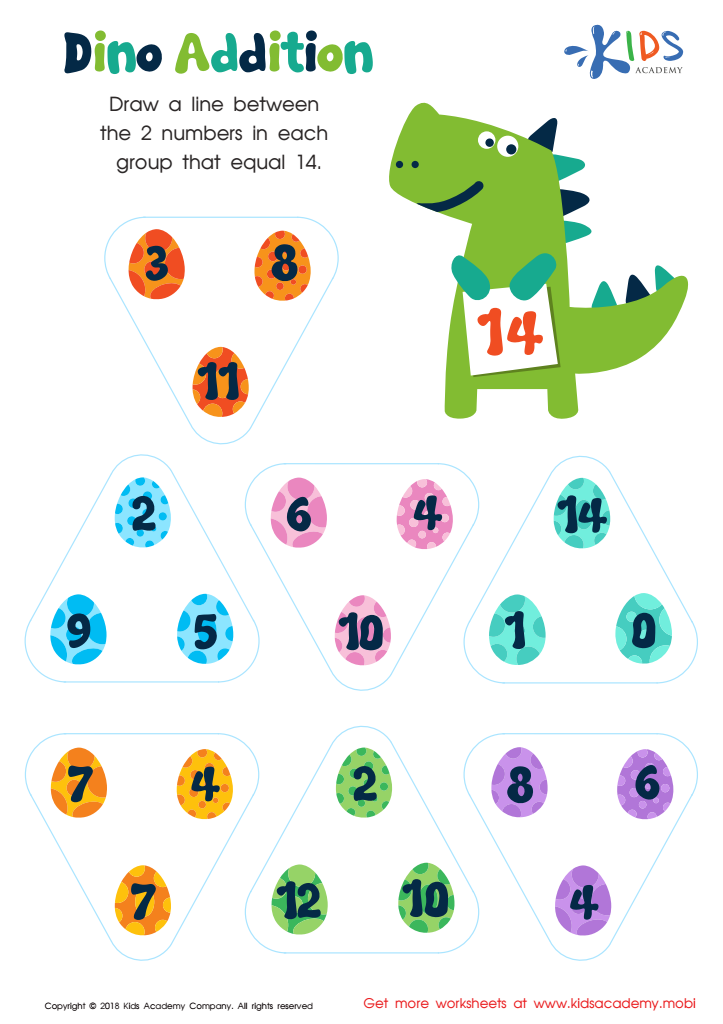
Dino Addition Worksheet
 Assign to My Students
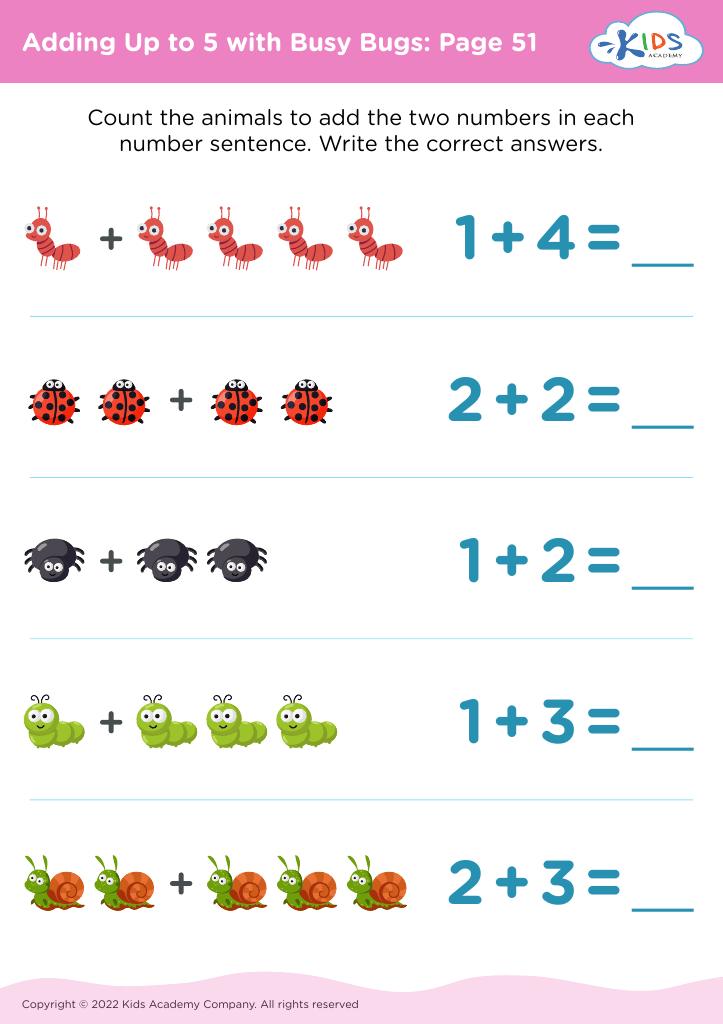
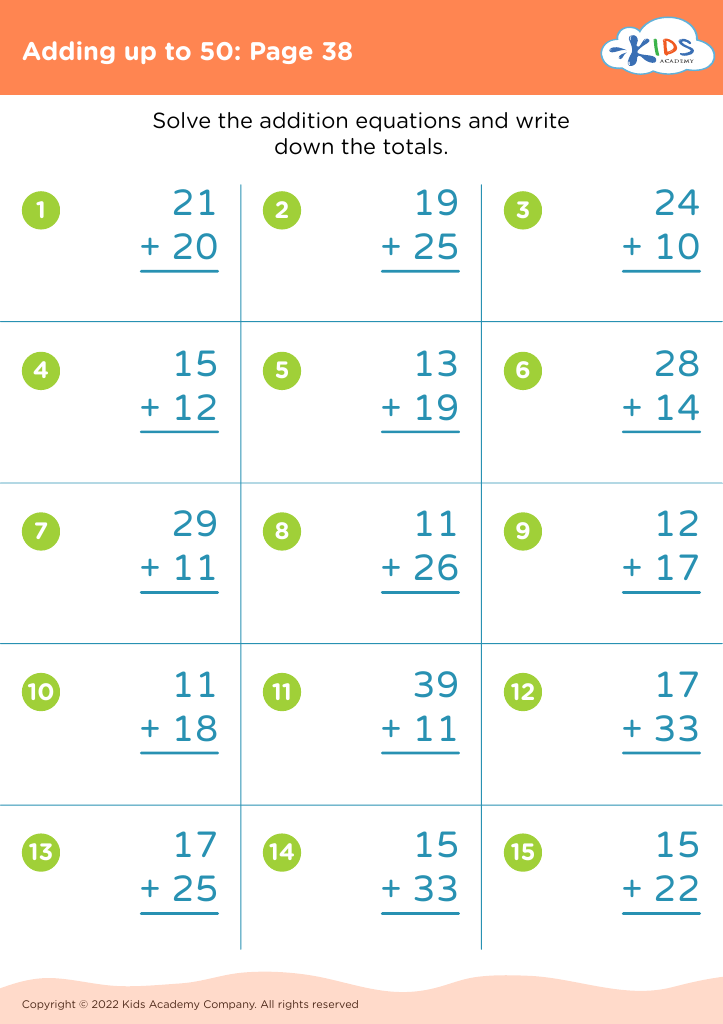
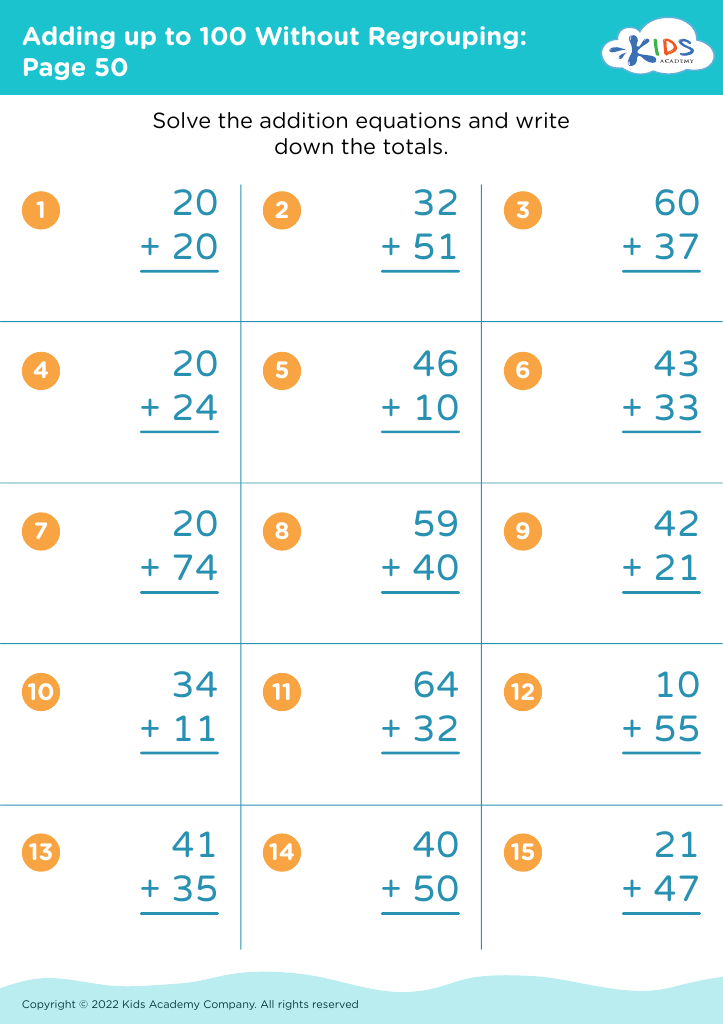
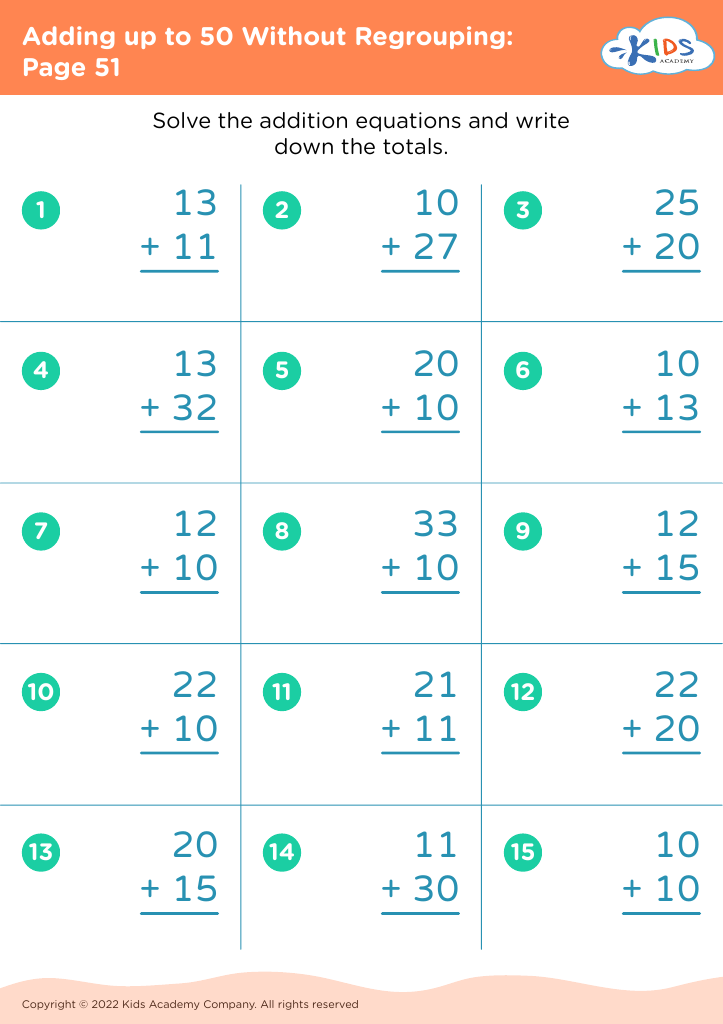
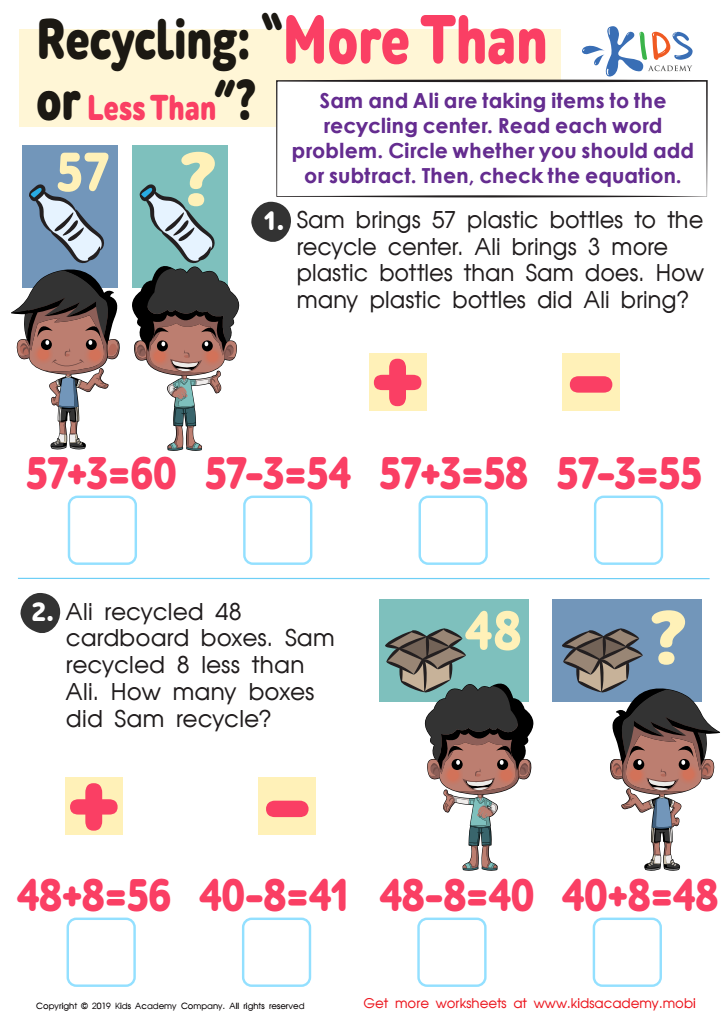
Recycling - More or Less Worksheet
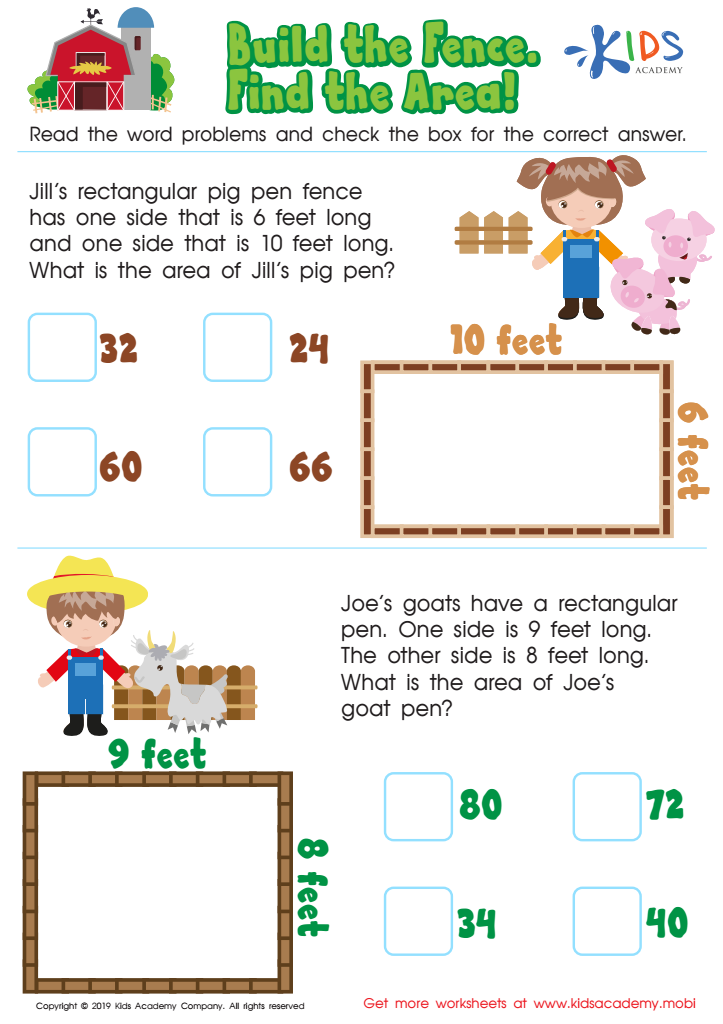
Build the Fence, Find the Area Worksheet








Basic math skills, particularly addition, are foundational for children's cognitive development. For ages 4-8, this skill set not only equips children with the ability to understand numbers but also fosters critical thinking and problem-solving abilities. Parents and teachers should care about teaching addition at this stage because it lays the groundwork for more complex mathematical concepts they will encounter later in their education.
Mastering addition helps improve children’s confidence in their numerical abilities, reducing math anxiety in future studies. It also encourages logical reasoning, as children learn to recognize patterns and relationships between numbers. Moreover, incorporating fun and engaging methods, such as games or visual aids, can cultivate a love for learning and create positive associations with math from an early age.
In social contexts, understanding addition allows children to develop essential life skills, such as making sense of money and enhancing their interaction during activities like gameplay. Additionally, collaborating with their parents or teachers in learning multiplication opens avenues for communication, making the educational journey a shared experience. Ultimately, nurturing these basic math skills prepares children for academic success and empowers them with skills they will use throughout their lives.








