
Fine motor skills (drawing lines) Addition Worksheets for Ages 4-8
3 filtered results
Difficulty Level
Grade
Age
-
From - To
Subject
Activity
Standards
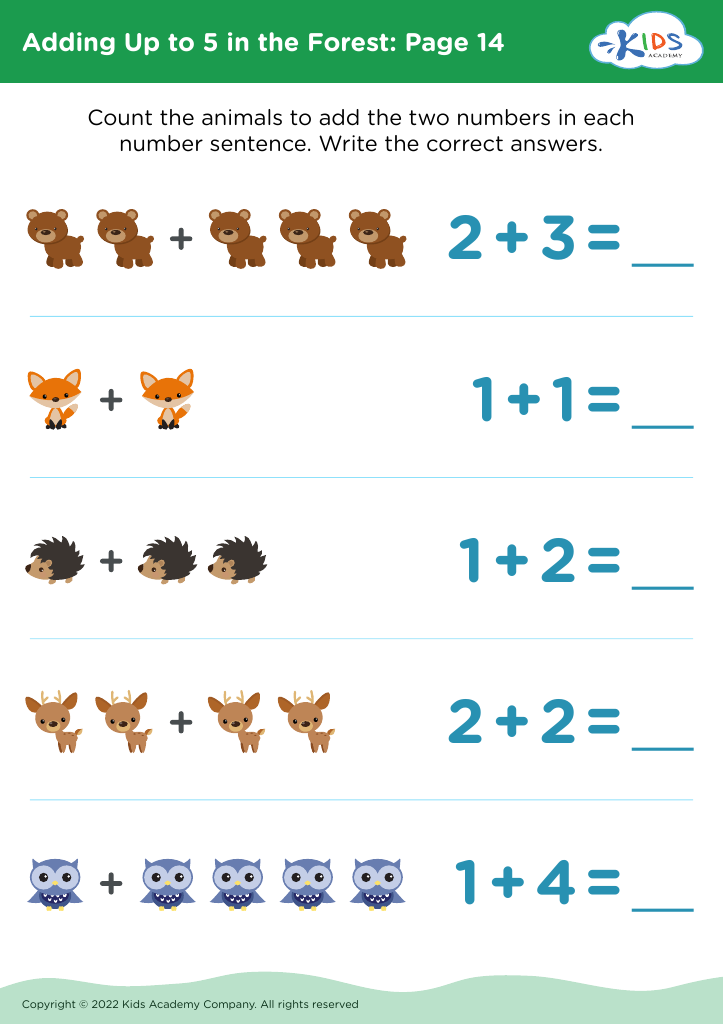
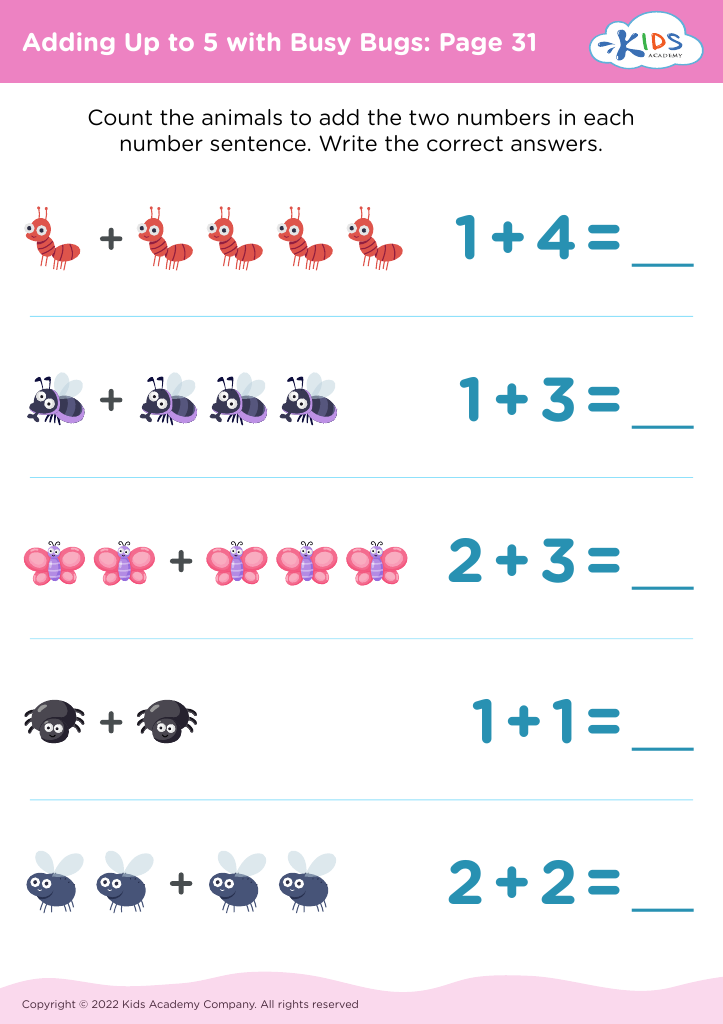
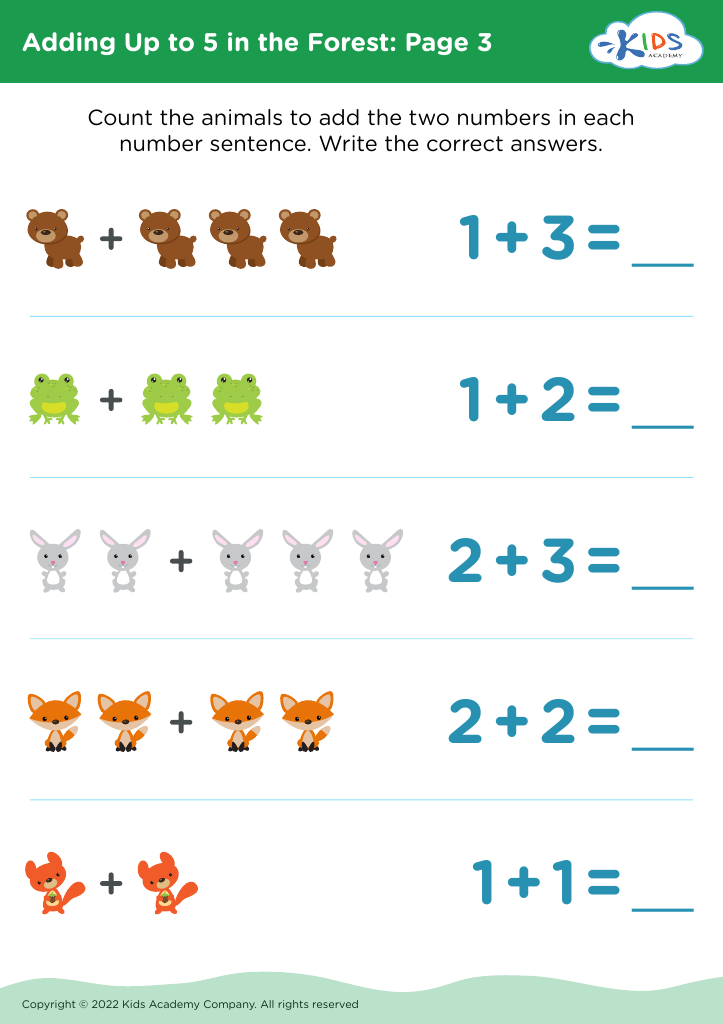
Enhance your child's fine motor skills and early math abilities with our engaging Addition Worksheets designed specifically for ages 4 to 8. These worksheets focus on drawing lines, allowing children to practice essential coordination while mastering addition concepts. Each activity is thoughtfully crafted to combine learning with fun, keeping kids entertained and motivated. As they connect dots and draw an array of lines, they develop not only their motor skills but also their problem-solving abilities. Perfect for parental guidance or classroom use, these worksheets are an excellent resource for building a strong foundation in math while promoting creativity and focus. Start your child's learning journey today!
Favorites
With answer key
Interactive
Join Kids Academy for Free
Who is primarily going to use this learning content?








Parents and teachers should prioritize fine motor skills, particularly activities like drawing lines, for children aged 4-8 as these skills are foundational for various aspects of learning and development. Fine motor skills refer to the ability to use small muscles in the hands and fingers, which are essential for tasks such as writing, drawing, and manipulating small objects.
Developing these skills early on aids in a child's academic success. For example, drawing lines helps children learn control and precision in their hand movements, which directly impacts their ability to write letters, numbers, and shapes accurately. Mastering these tasks builds their confidence and enhances logical thinking.
Moreover, fine motor development is linked to cognitive and social-emotional growth. Engaging in activities that require fine motor skills encourages problem-solving as children learn to navigate challenges, such as maintaining line symmetry or managing the pressure on their writing instruments. These activities can also promote cooperative play and turn-taking, fostering social skills.
Involved parents and educators can support children's fine motor development through targeted practices, truly setting them up for long-term successes in both their academic journey and daily capabilities. Overall, caring about the progression of these skills is crucial for holistic childhood development.








