Fraction identification Addition Worksheets for Ages 4-8
5 filtered results
-
From - To
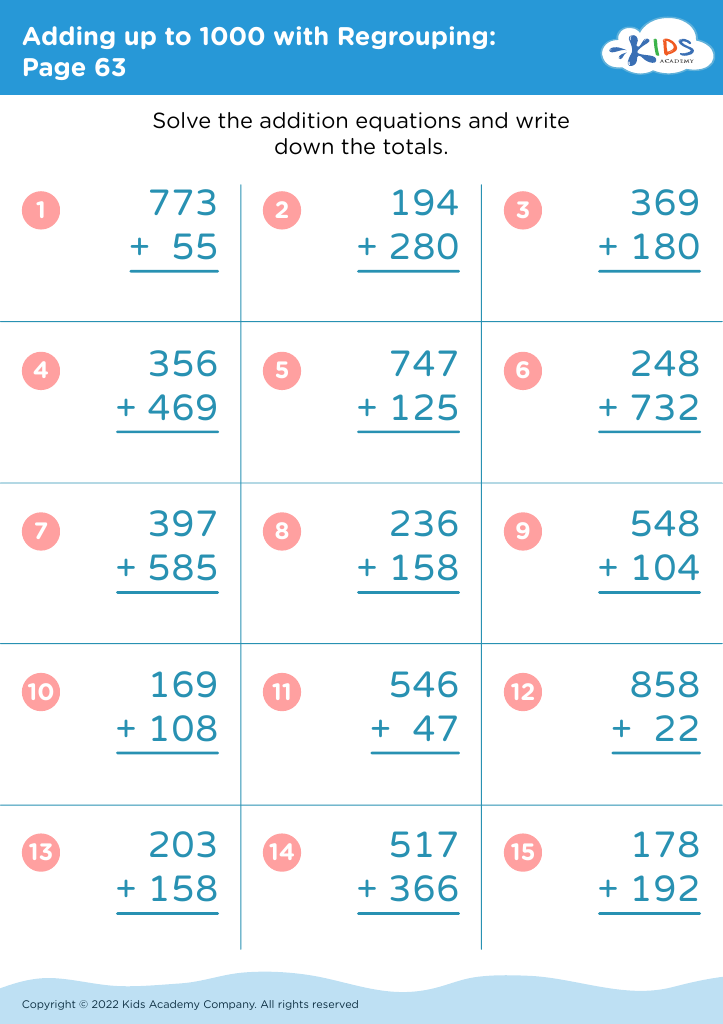
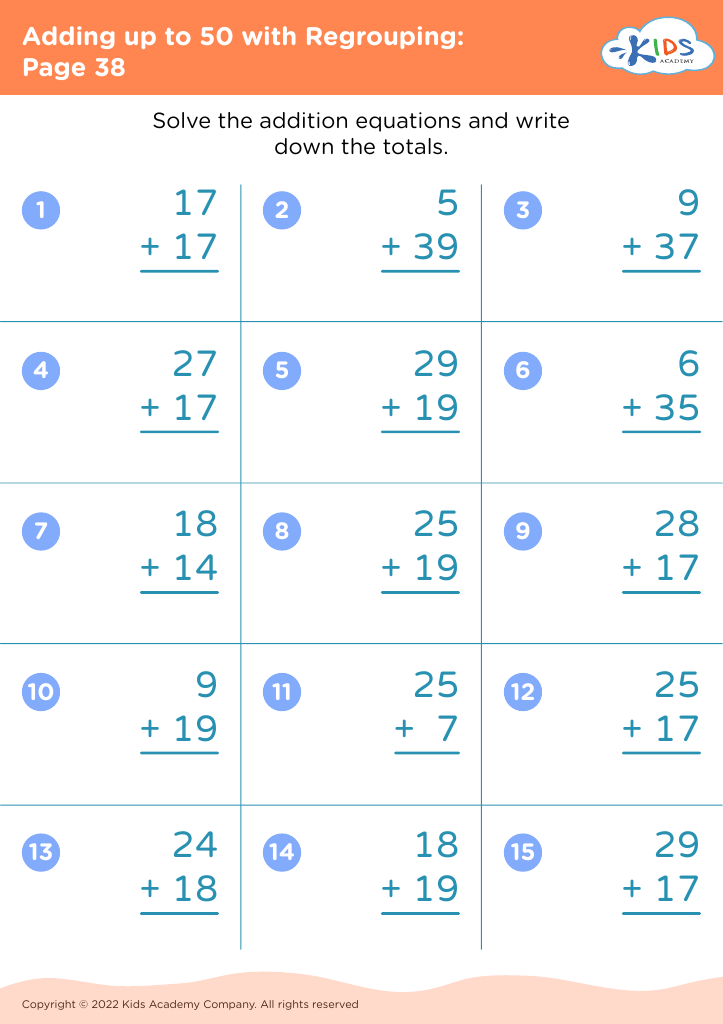
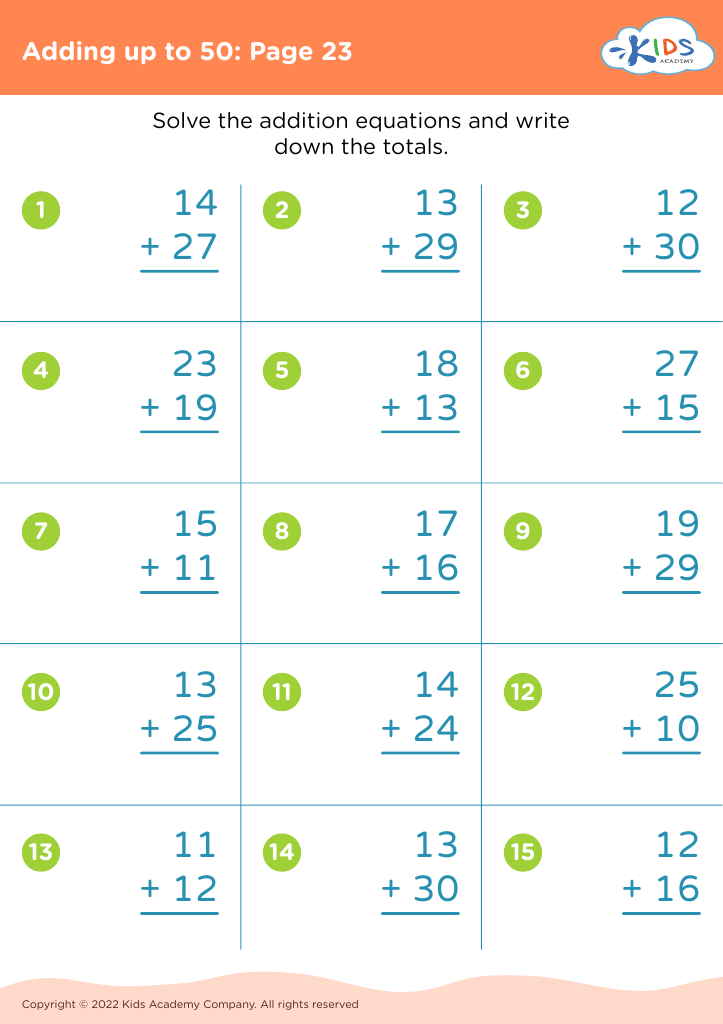
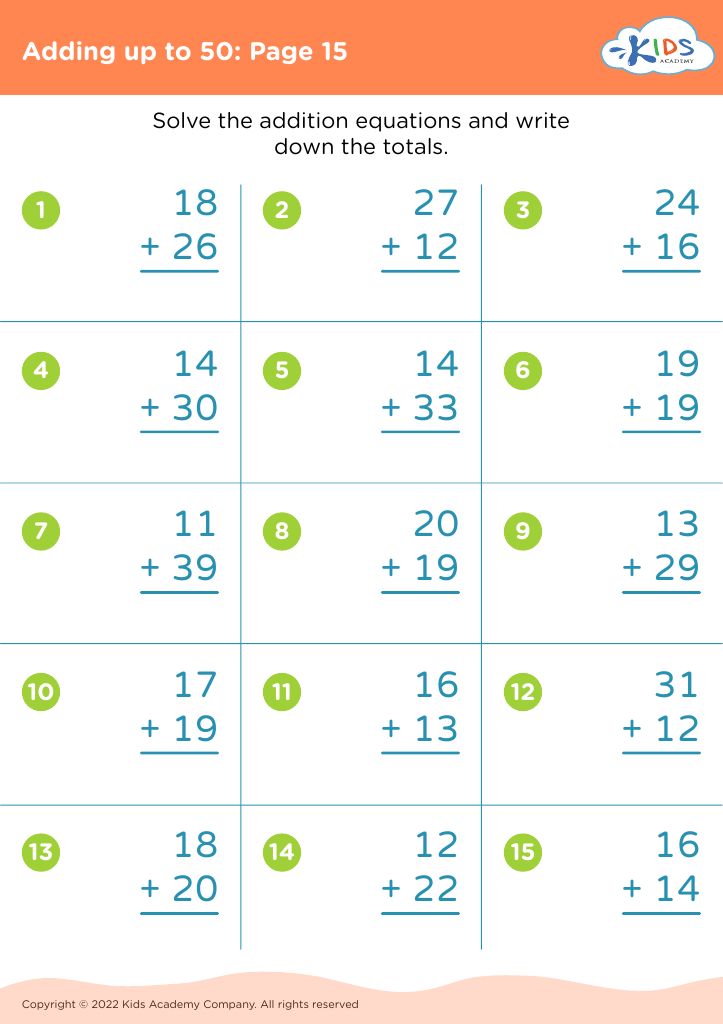
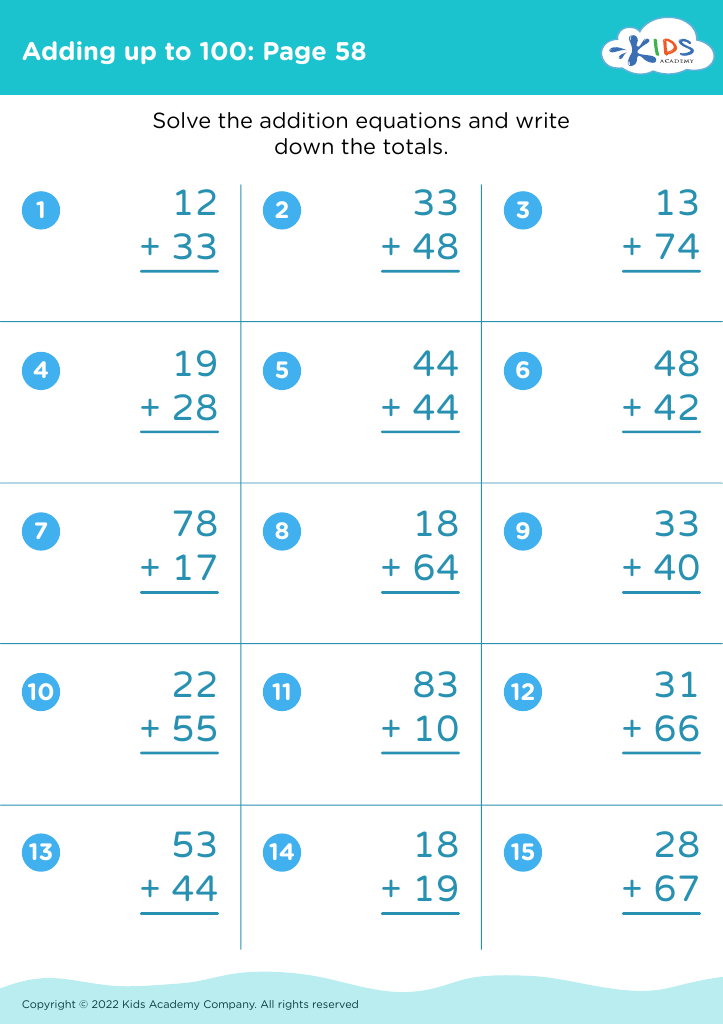
Explore our engaging Fraction Identification Addition Worksheets designed specifically for children ages 4-8. These worksheets provide a fun and interactive way for young learners to grasp essential math concepts through hands-on fraction identification exercises. By incorporating vibrant illustrations and approachable problem sets, we encourage children to develop math skills while building confidence in their abilities. Each worksheet focuses on helping kids identify and add fractions, reinforcing their understanding in a playful manner. Perfect for classroom use or at-home practice, our resources are tailored to support early math education and create a strong foundation for future learning. Start your child's math journey today!



.jpg)


.jpg)

Parents and teachers should care about fraction identification and addition for children aged 4-8 because these foundational concepts play a crucial role in developing early mathematical skills. Understanding fractions helps children grasp the idea of parts and wholes, which is essential for various everyday situations, from sharing food to measuring ingredients.
At this young age, children are naturally curious and eager to explore concepts through play and visual aids. Introducing fractions using relatable objects, such as pizzas or cakes, can engage their interest and make learning enjoyable. Recognizing and adding fractions also sets the stage for more complex mathematical concepts they'll encounter later, such as multiplication and division.
Moreover, early exposure to fractions fosters critical thinking and problem-solving skills. It encourages children to visualize relationships between numbers, enhancing their overall numerical comprehension. By mastering fraction identification and addition, kids build a strong mathematical foundation, improving their confidence and performance in future math-related activities. As parents and teachers play pivotal roles in their development, integrating these concepts into early education ensures that children develop a positive attitude towards math and a clear understanding of its applications in real life. Therefore, investing time and resources in this area is vital for children's academic growth and lifelong learning.








