Learn addition Addition Worksheets for Ages 4-8
3 filtered results
-
From - To
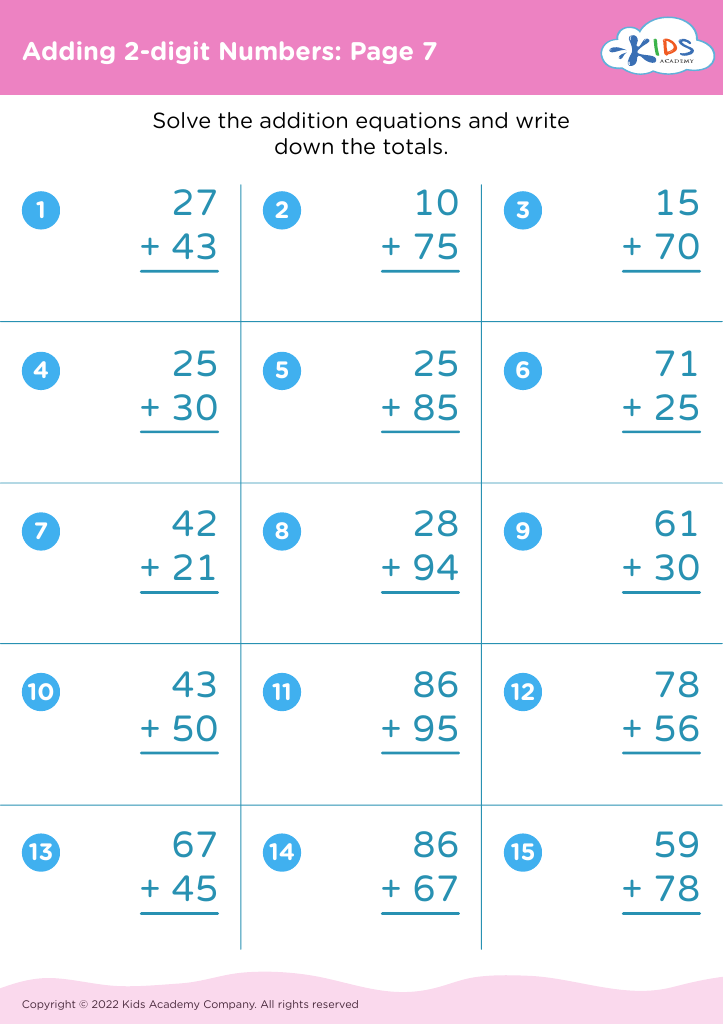
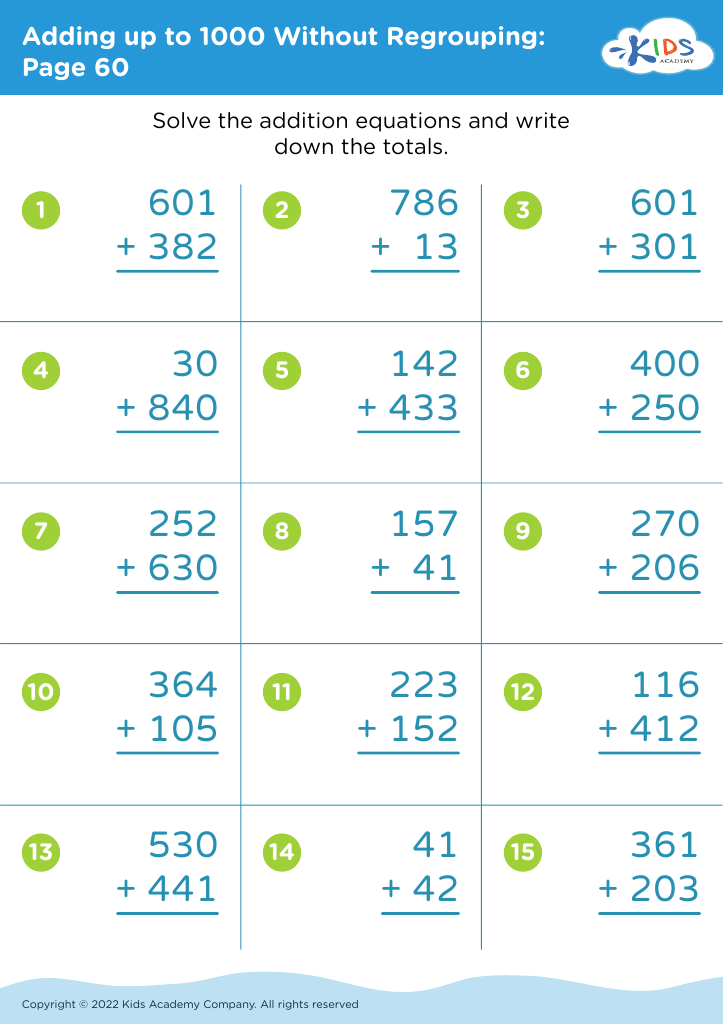
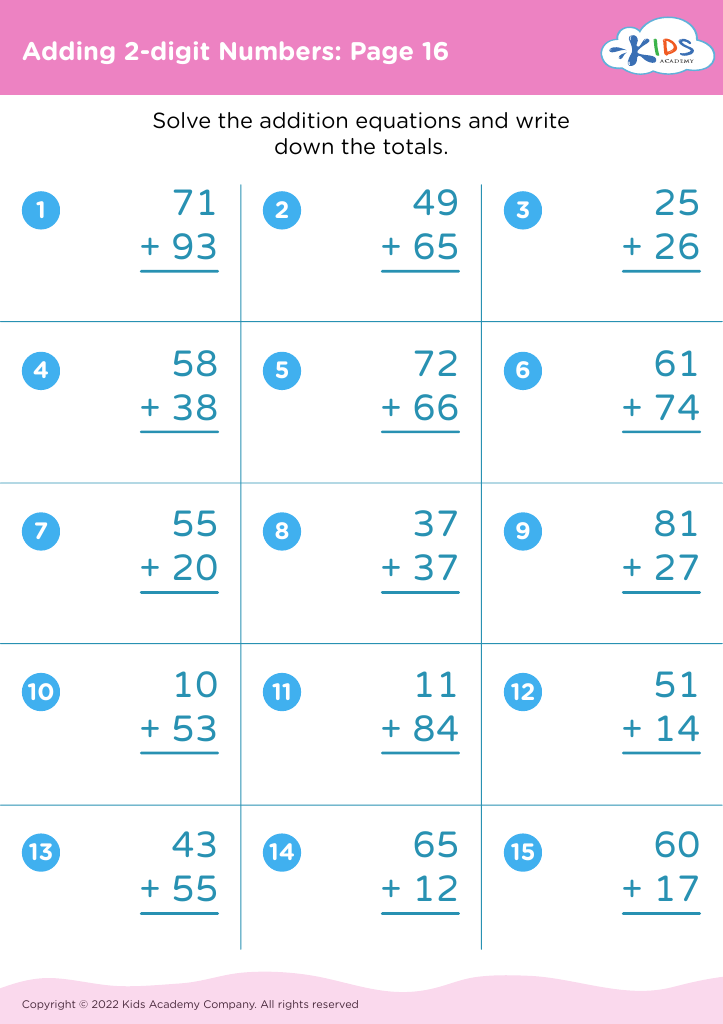
Discover our exciting "Learn Addition Worksheets for Ages 4-8," designed to make early math engaging and enjoyable. Perfect for young learners, these worksheets offer fun, interactive activities that build essential addition skills. Each sheet is crafted to help kids understand basic concepts, recognize numbers, and solve simple equations. Our colorful and engaging designs foster a love of learning, ensuring children stay motivated. Whether used in the classroom or at home, these worksheets are an excellent resource for parents and teachers alike. Give your child a head start on their math journey with Kids Academy’s high-quality addition worksheets.




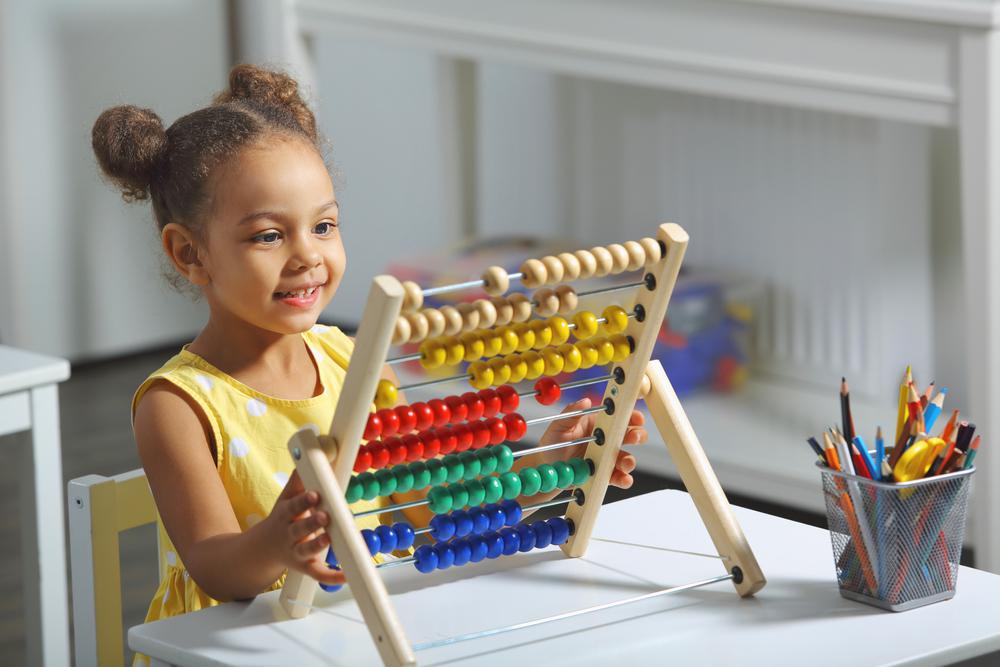



Parents and teachers should prioritize learning addition for children aged 4-8 because this foundational mathematical skill fosters critical cognitive development and sets the stage for future learning. During these formative years, children are highly receptive and capable of absorbing fundamental concepts that they will rely on throughout their educational journey. Mastering basic addition enhances logical thinking and problem-solving skills, which are essential for academic success in all subjects.
Introducing addition early also helps build confidence. When children understand and become proficient with numbers, they gain a sense of achievement, boosting their self-esteem and encouraging a positive attitude towards learning. This foundation not only prepares them for more complex mathematical concepts but also highlights the importance of persistence and practice in mastering new skills.
Moreover, addition is integral to daily life. Young children often encounter real-life situations where they can apply their addition skills, from sharing snacks to counting toys. These practical applications reveal the importance of math in everyday activities, promoting a deeper understanding and appreciation.
Overall, prioritizing addition for young children fosters intellectual growth, builds essential life skills, and enhances confidence, laying a crucial groundwork for all future educational endeavors.








