Logical thinking development Addition Worksheets for Ages 4-8
8 filtered results
-
From - To
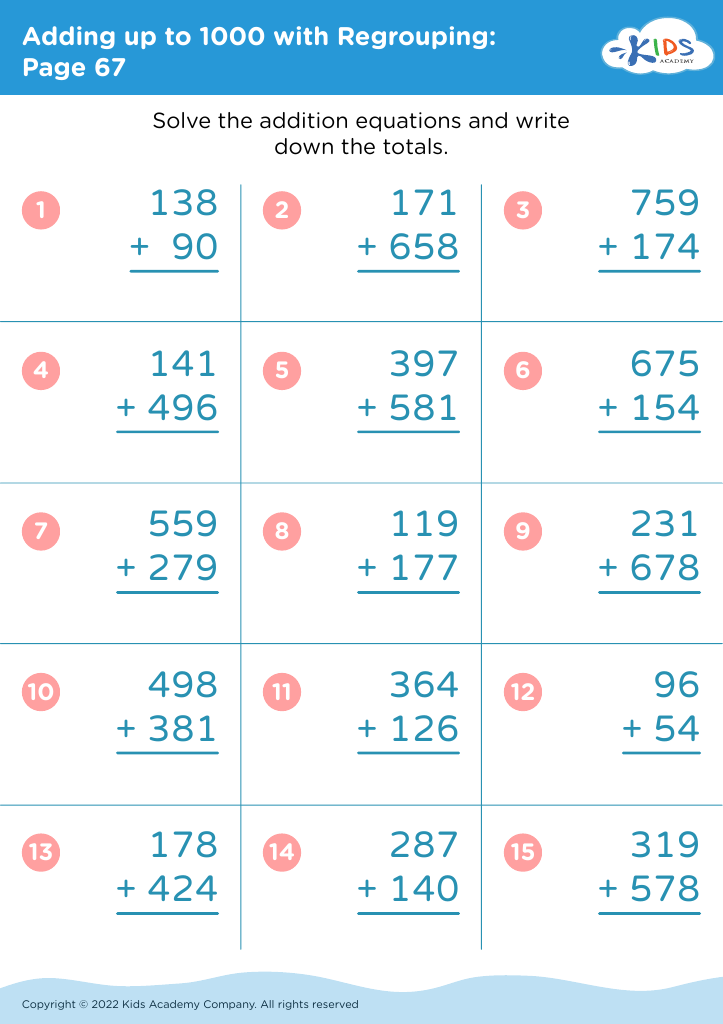
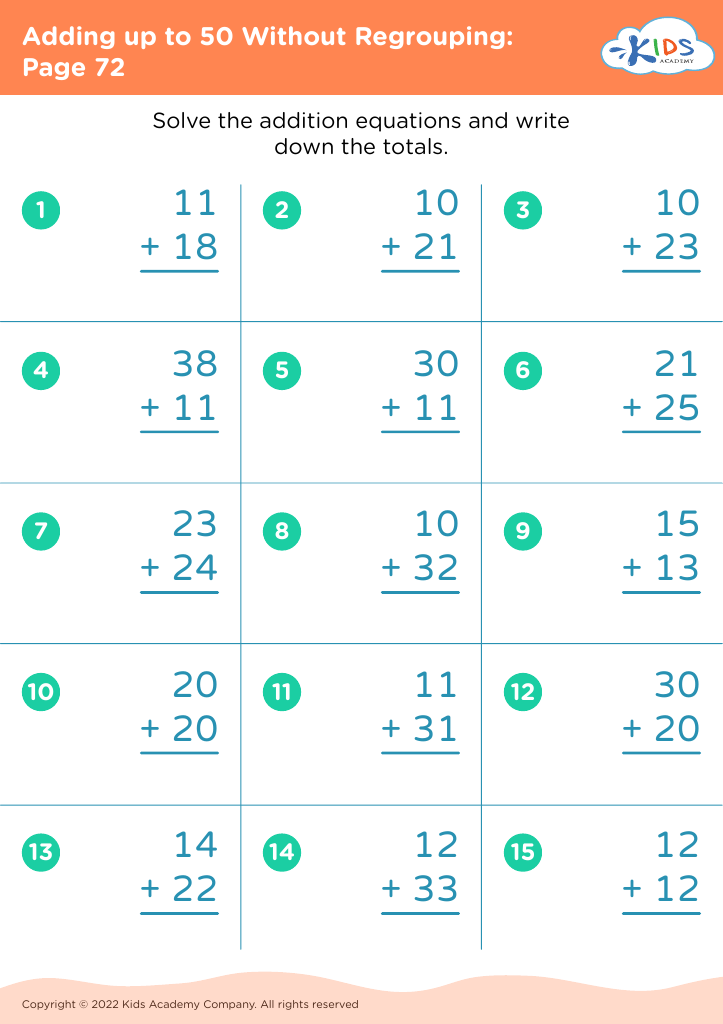
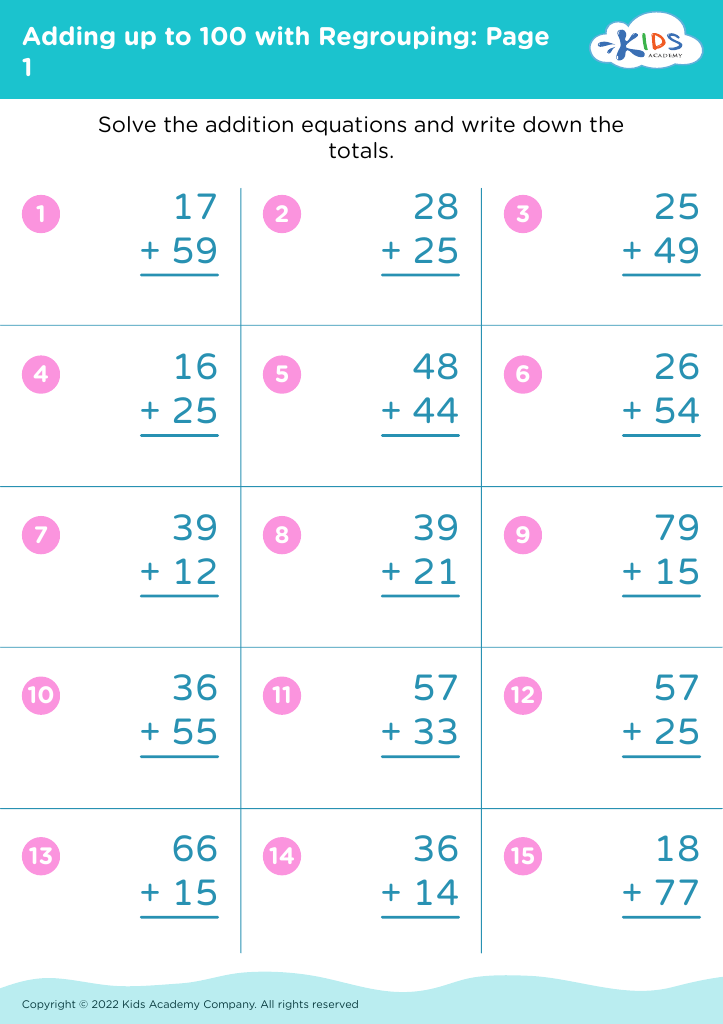
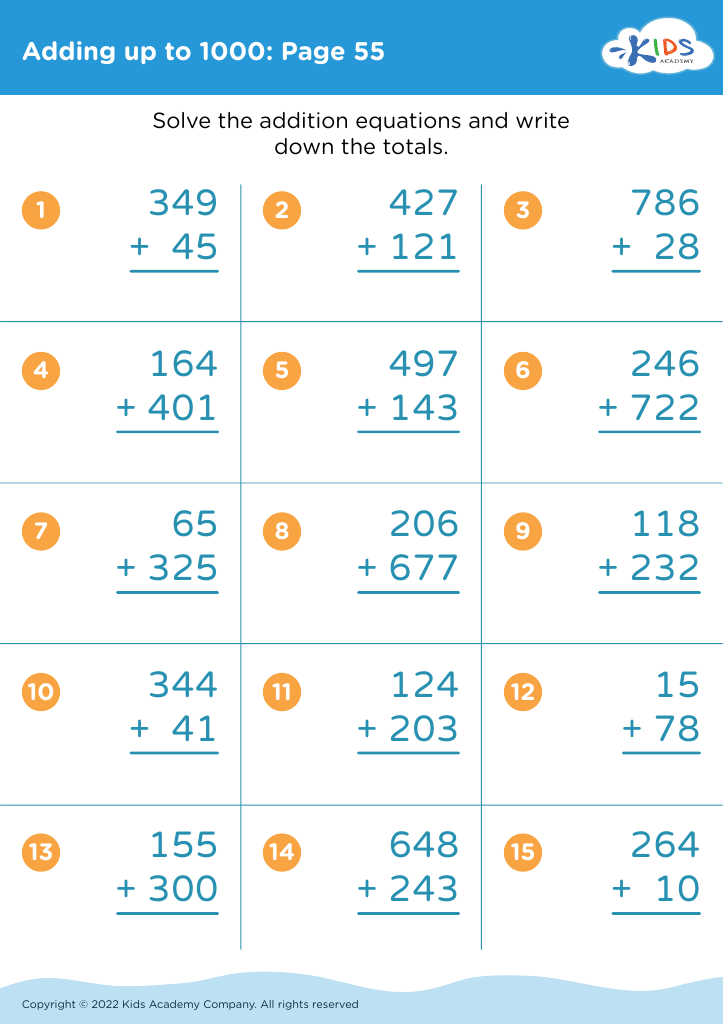
Discover the perfect tool for enhancing logical thinking skills in children ages 4-8 with our engaging addition worksheets! Designed specifically to blend foundational math concepts with critical thinking, these worksheets help young learners solve problems through logical reasoning. Each worksheet features fun illustrations and interactive activities that stimulate cognitive development while making learning enjoyable. Children will practice essential addition skills and improve their ability to analyze and draw conclusions. Ideal for parents and teachers alike, our worksheets promote both independent learning and collaborative play. Unlock your child's potential through our thoughtfully crafted logical thinking and addition resources today!
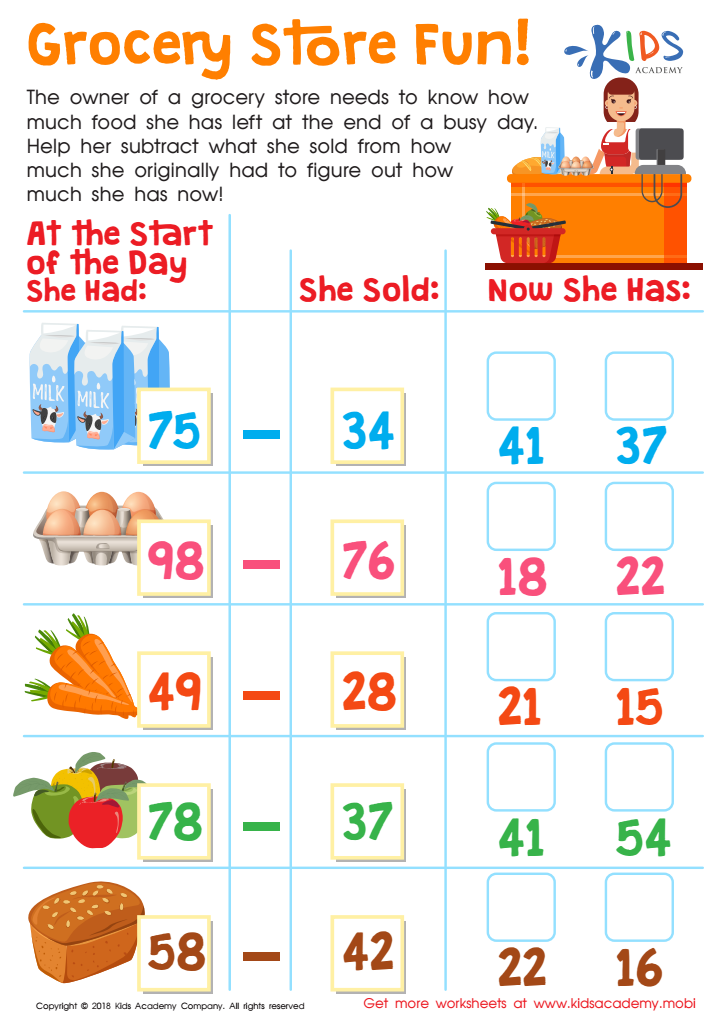
Grocery Store Fun! Worksheet
 Assign to My Students
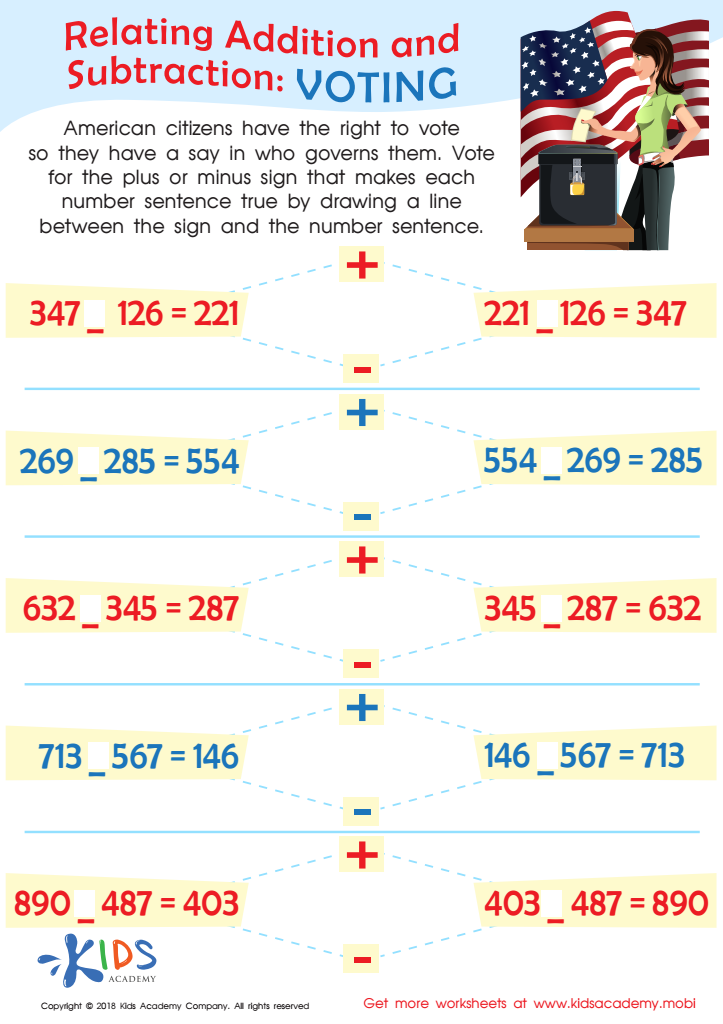
Voting Worksheet
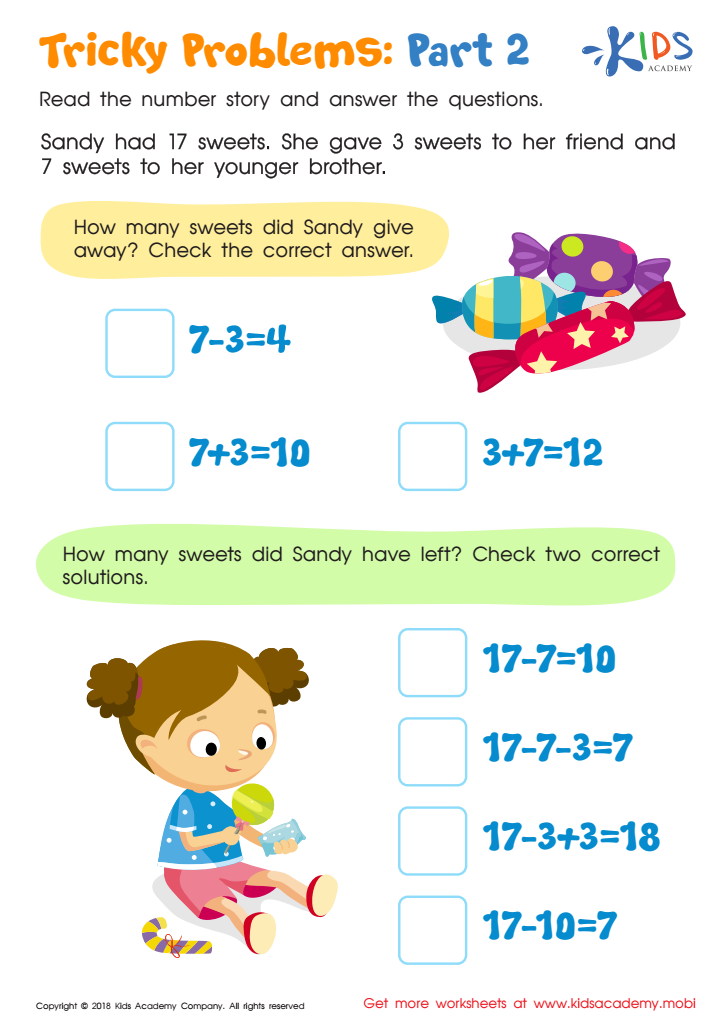
Tricky Problems Worksheet: Part 2



.jpg)
.jpg)



Parents and teachers should prioritize the development of logical thinking skills in children aged 4-8, as this foundational aspect of cognitive growth directly influences a child's ability to solve problems, reason, and understand mathematical concepts, particularly addition. In early childhood, children are naturally curious, absorbing information and experimenting with different ways to engage with the world around them. By fostering logical thinking, adults can guide children to make connections between numbers, patterns, and quantities, laying a groundwork for advanced mathematical understanding.
Moreover, logical thinking enhances critical skills such as sequencing, classification, and prediction, which are critical not only in mathematics but in everyday life. When children learn to manipulate numbers and phrases logically, they develop persistence and resilience in problem-solving situations, nurturing a positive attitude towards challenges.
Engaging children in fun, age-appropriate activities — like using physical objects for hands-on addition exercises — makes learning enjoyable while also solidifying the logical frameworks needed for independent thinking. Ultimately, supporting logical thinking development equips children with essential skills that will benefit them academically and help prepare them for the complexities of the future, reinforcing the critical role that parents and teachers play in their learning journeys.








