
Practice multiplication Addition Worksheets for Ages 4-8
8 filtered results
Difficulty Level
Grade
Age
-
From - To
Subject
Activity
Standards
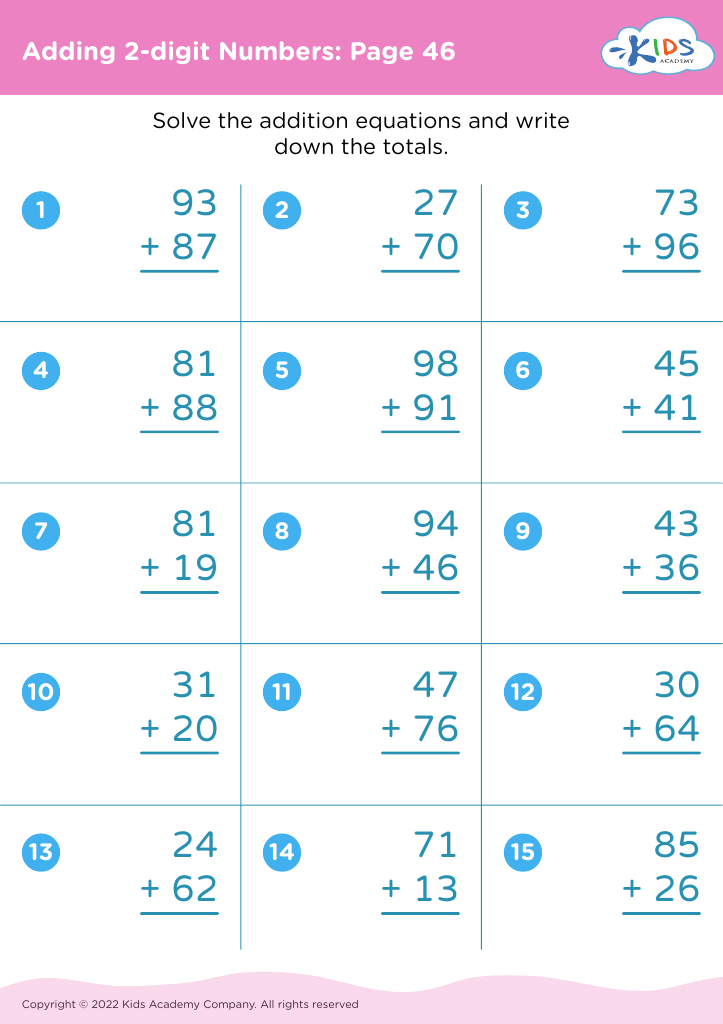
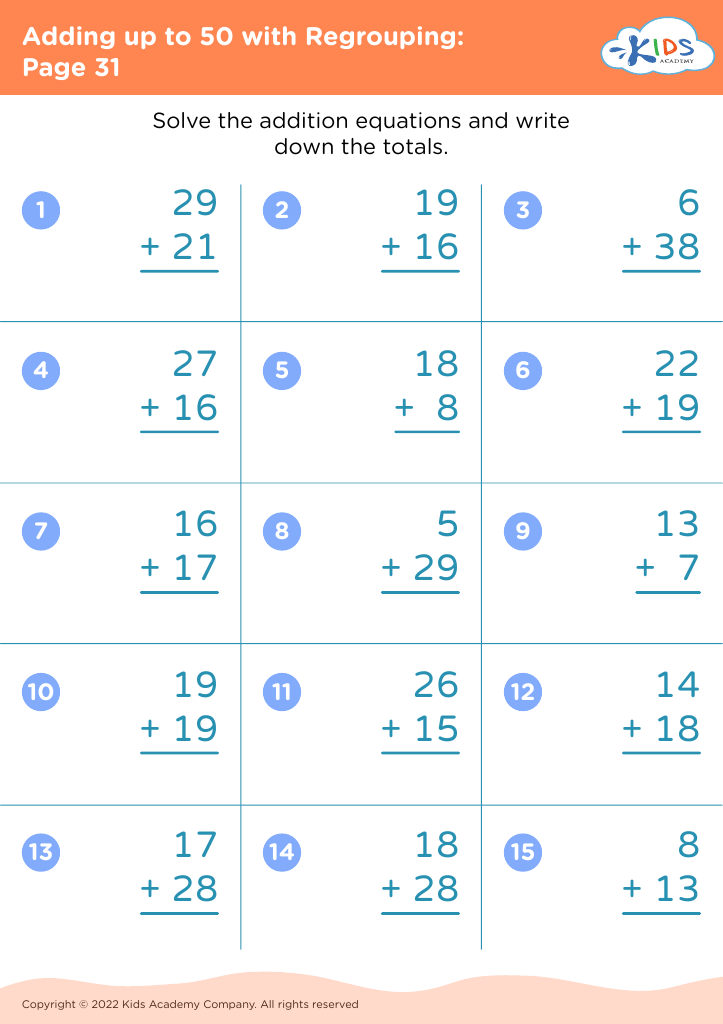
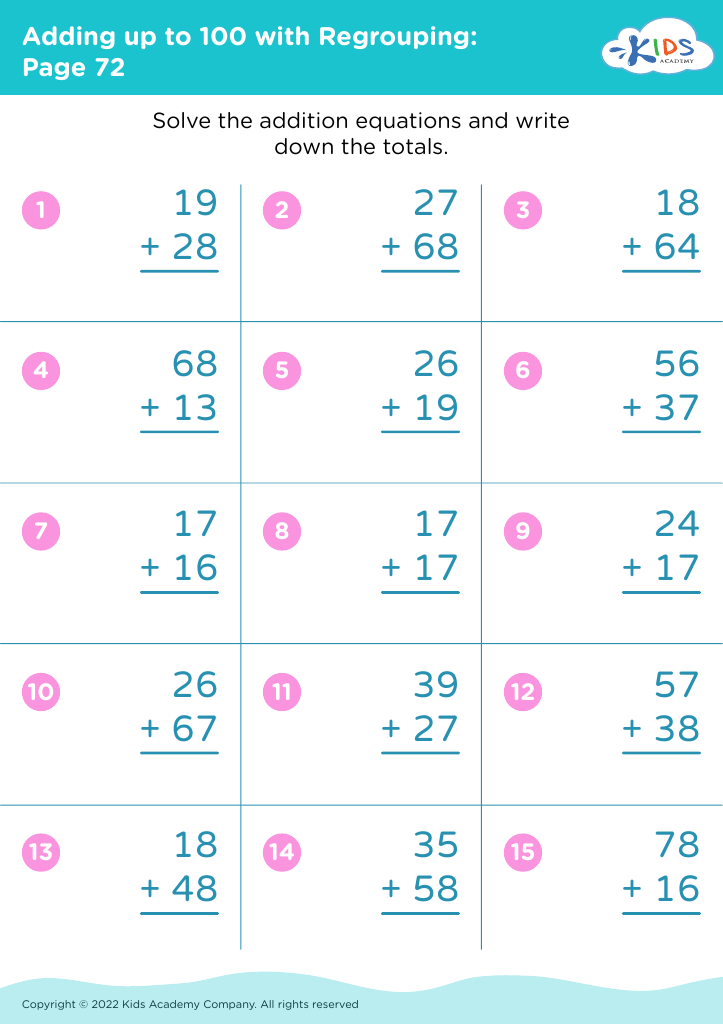
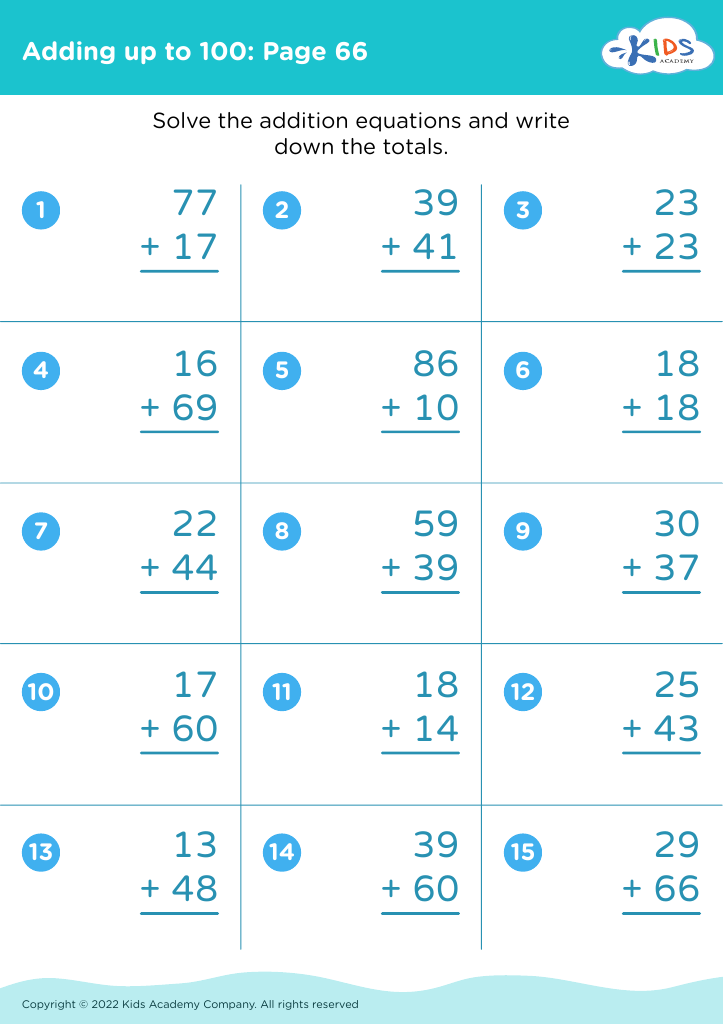
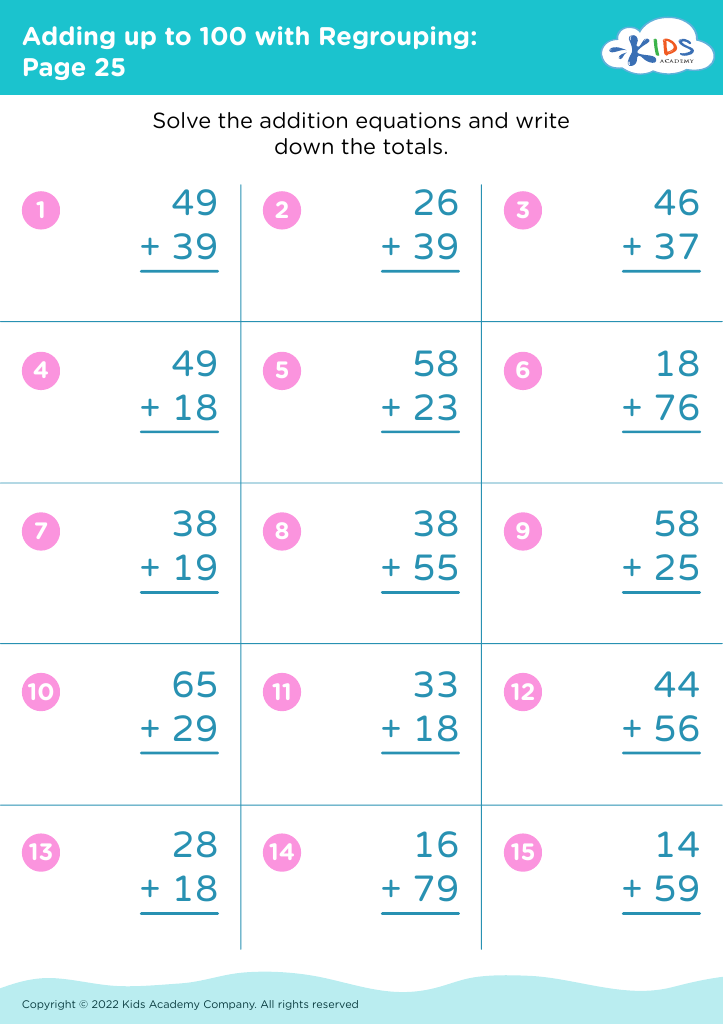
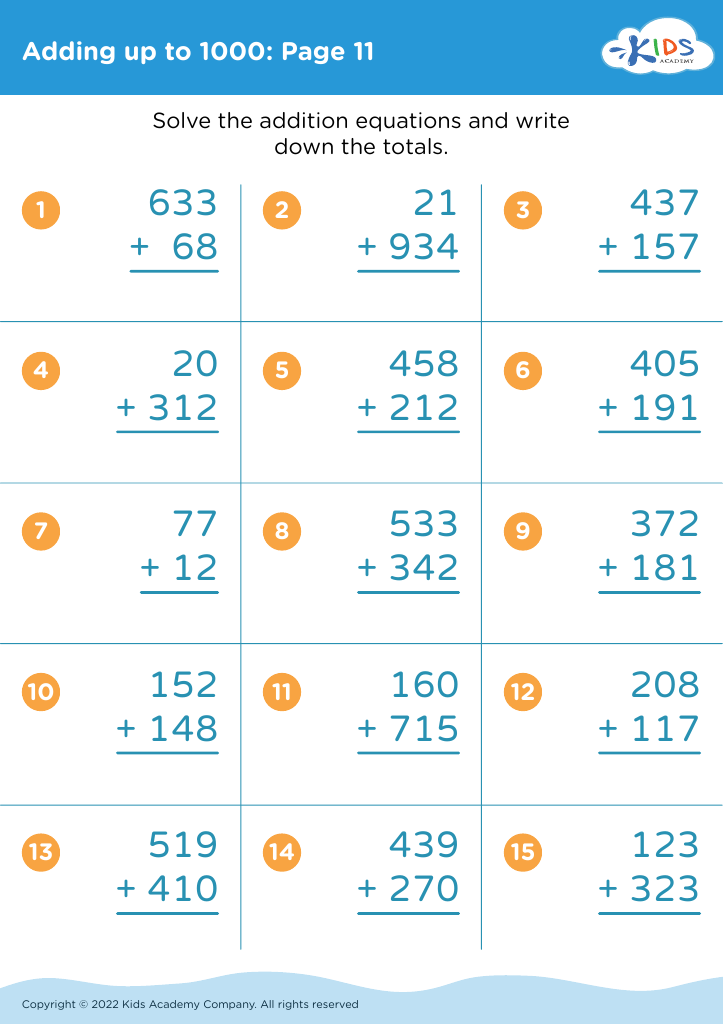
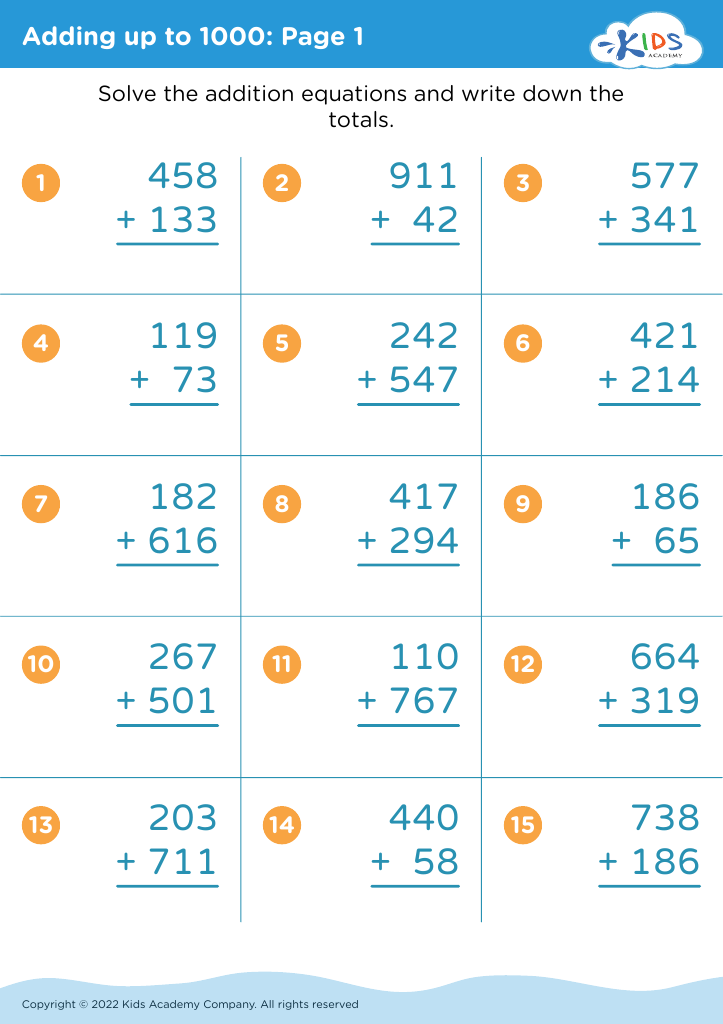
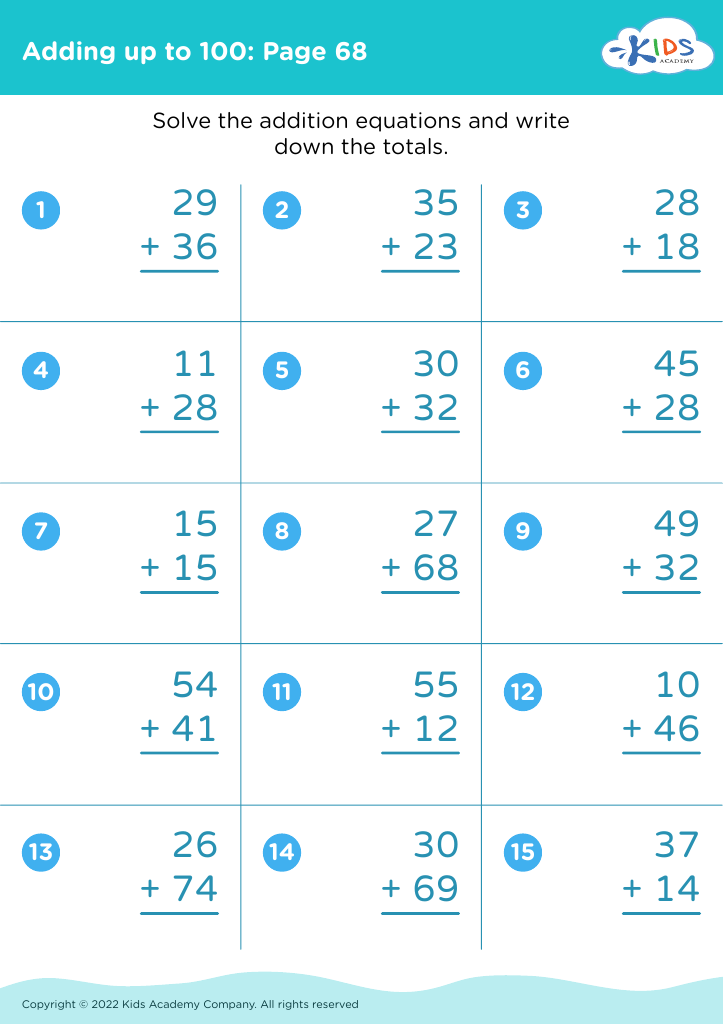
Our "Practice Multiplication Addition Worksheets for Ages 4-8" are designed to make learning fun and engaging for young children. Tailored to enhance multiplication and addition skills, these worksheets provide a solid foundation in math through interactive activities. Perfectly suited for children aged 4 to 8, they incorporate visual aids and interesting exercises to keep kids motivated. Whether at home or in the classroom, these printables support cognitive development and build confidence in young learners. Dive into our extensive collection and watch as your child masterfully tackles math challenges with enthusiasm and ease. Start their journey to math proficiency today!
Favorites
With answer key
Interactive
Join Kids Academy for Free
Who is primarily going to use this learning content?



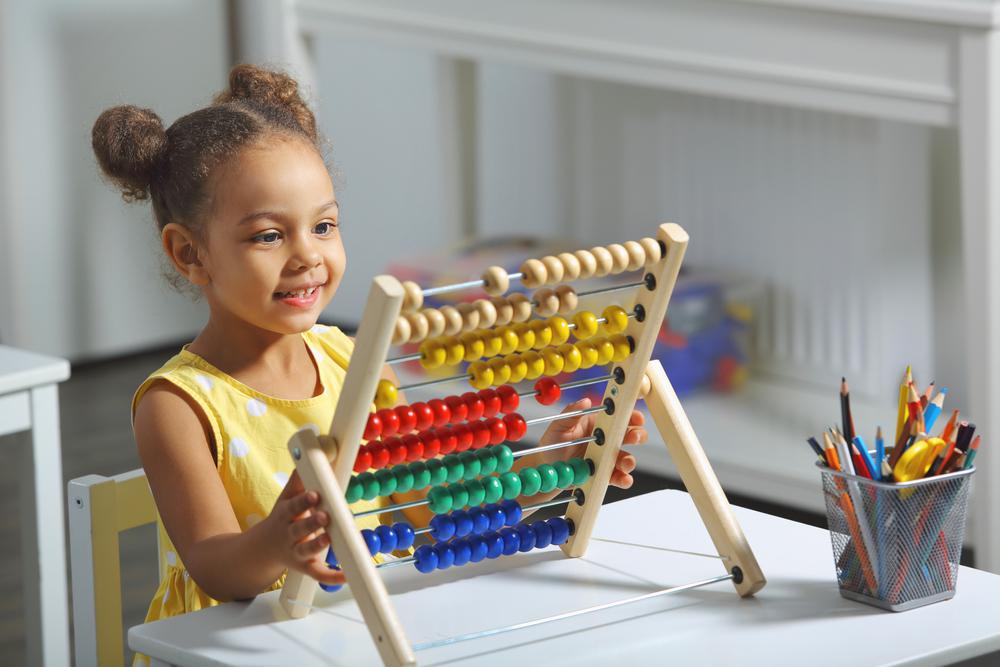




Introducing multiplication and addition practice for children aged 4-8 is crucial for several reasons. During these formative years, children's brains are highly receptive to learning and developing new skills. Establishing a solid foundation in basic mathematical concepts, like addition and multiplication, can set the stage for academic success in later years.
First, math skills are essential for daily life. Understanding addition and multiplication helps children grasp concepts like counting, measuring, and understanding time and money, which are necessary for everyday activities. By making math practice a priority, parents and teachers can help children integrate these essential skills early on.
Second, early math practice helps to develop cognitive skills such as problem-solving, logical thinking, and pattern recognition. These skills are not only critical for math but are also transferrable to other subjects and aspects of life. As children work through math problems, they learn to think critically and make connections, fostering overall intellectual growth.
Moreover, establishing a positive relationship with math at an early age can lead to increased confidence and reduced anxiety surrounding the subject. When children experience success and enjoyment in math through engaging and age-appropriate practices, they are more likely to approach math with a positive attitude as they progress in their education.
Ultimately, early practice in multiplication and addition equips children with fundamental skills that benefit their academic journey and everyday life.








