Problem-Solving Skills Addition Worksheets for Ages 4-8 - Page 3
149 filtered results
-
From - To
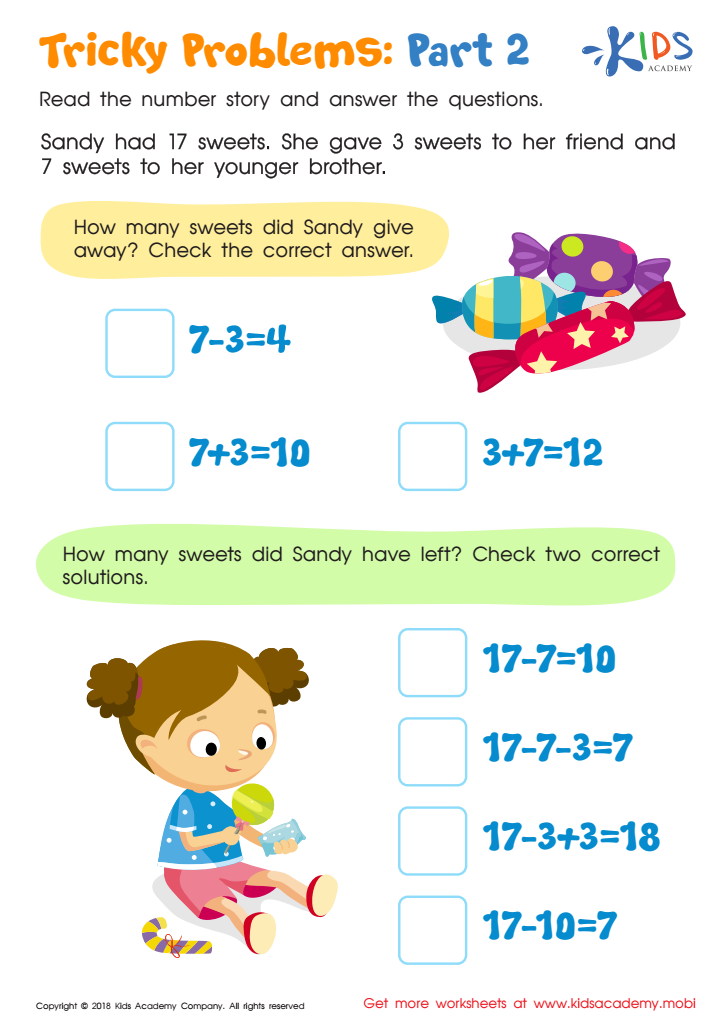
Tricky Problems Worksheet: Part 2
 Assign to My Students
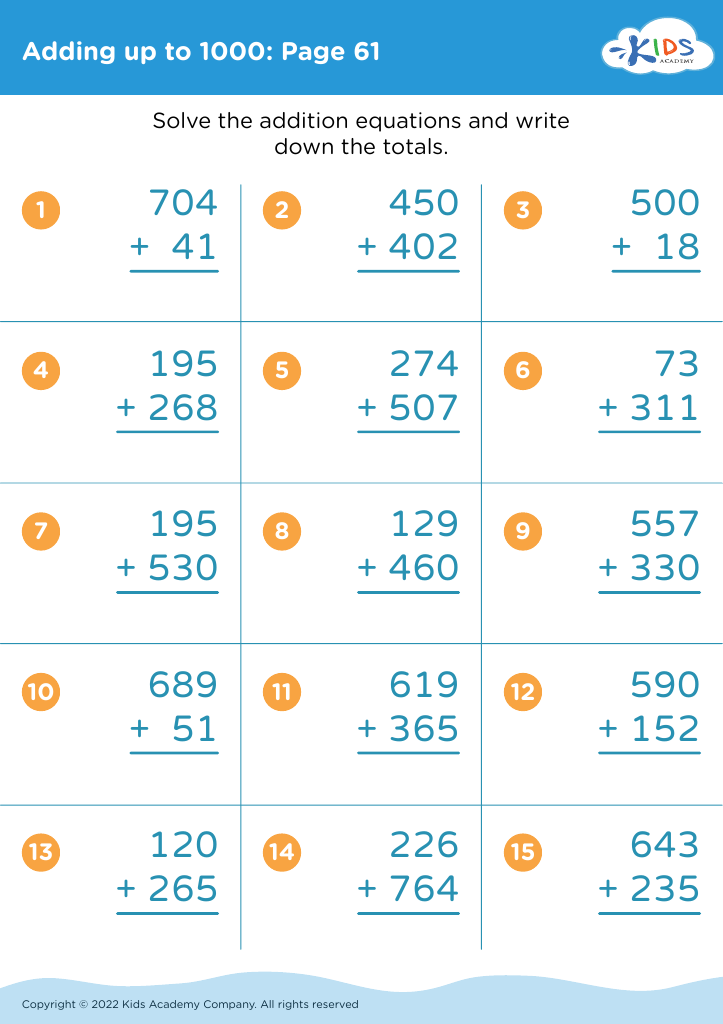
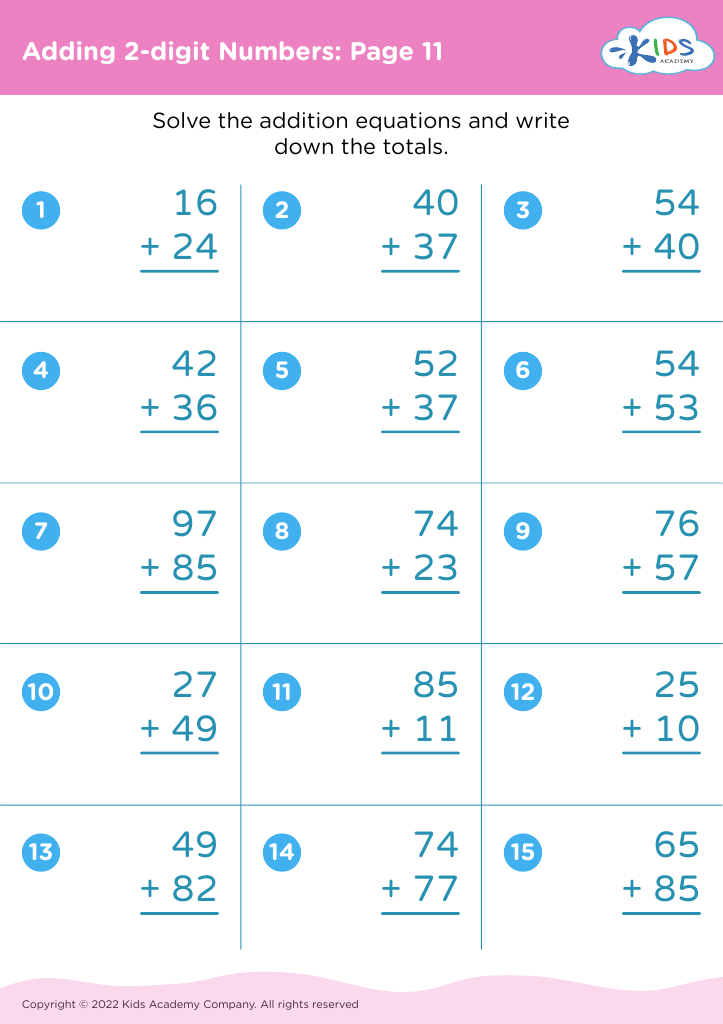
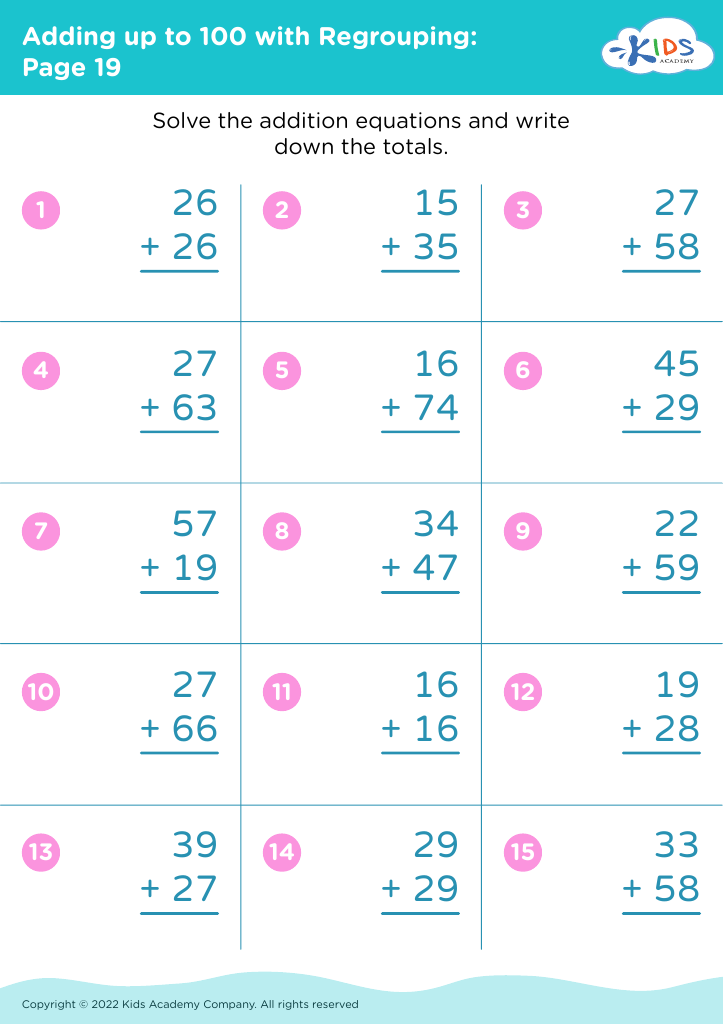
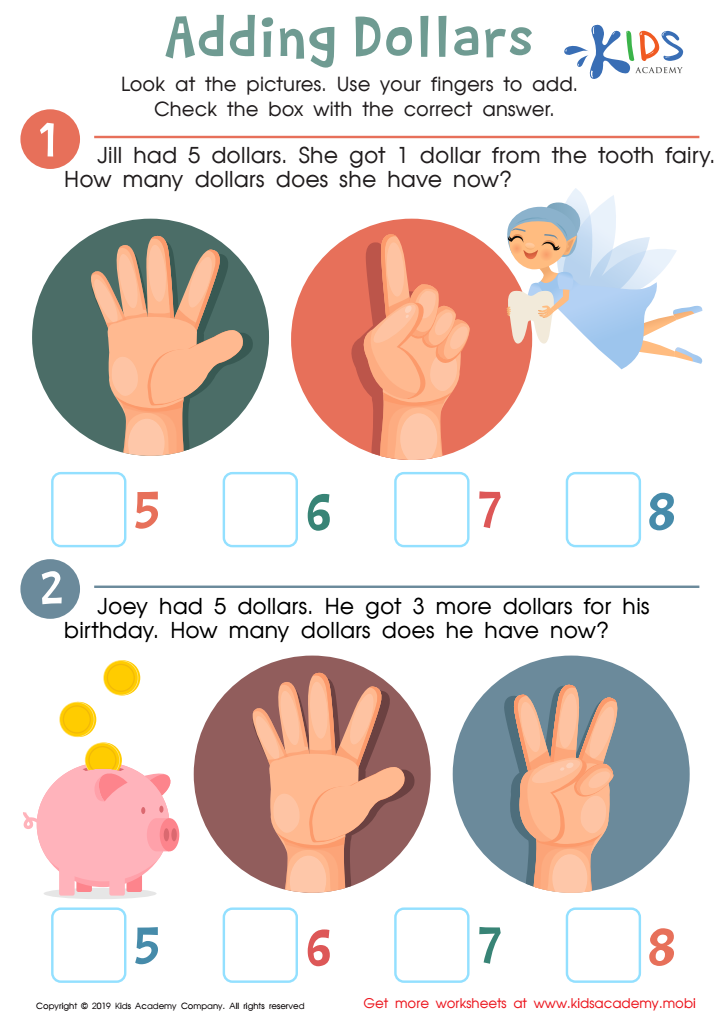
Tooth Fairy Addition Worksheet
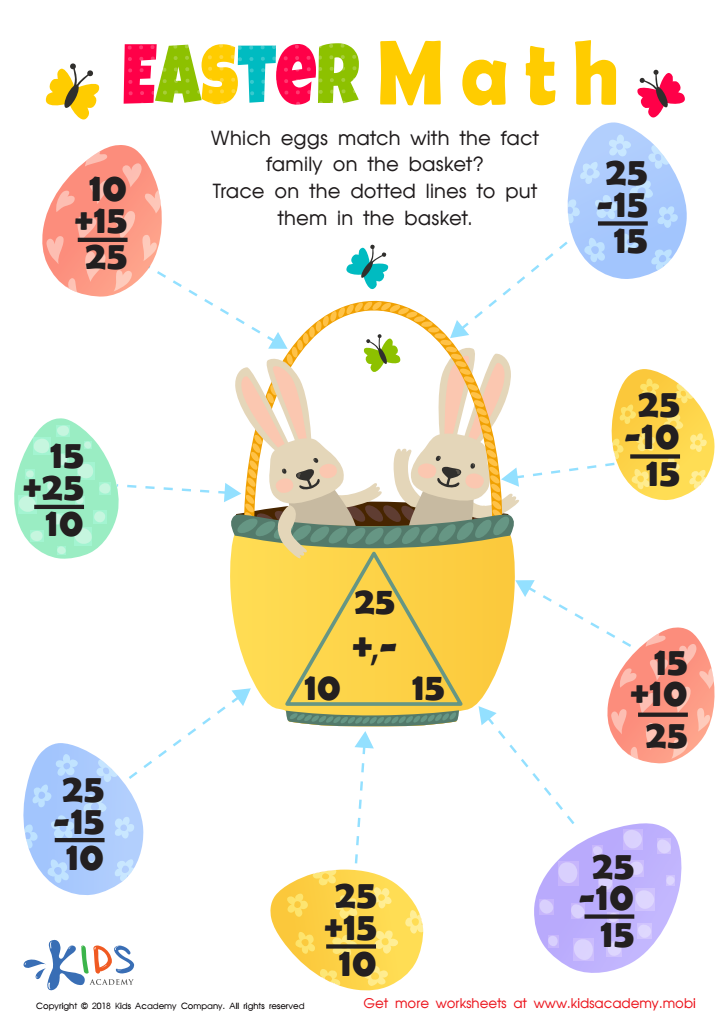
Fact Families: Easter Math Worksheet
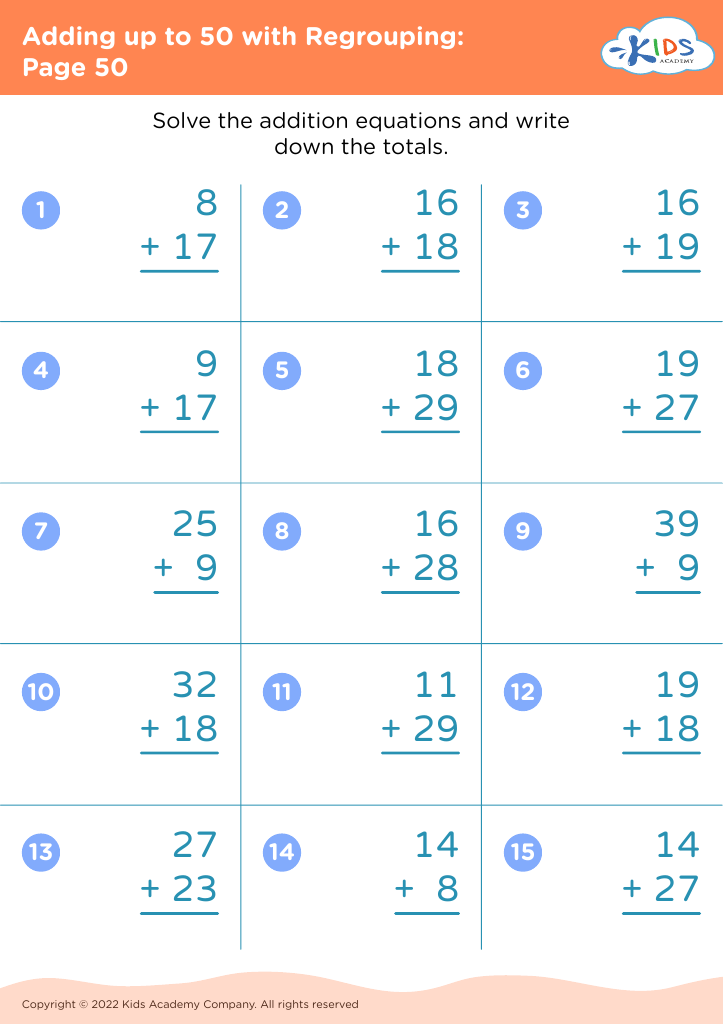
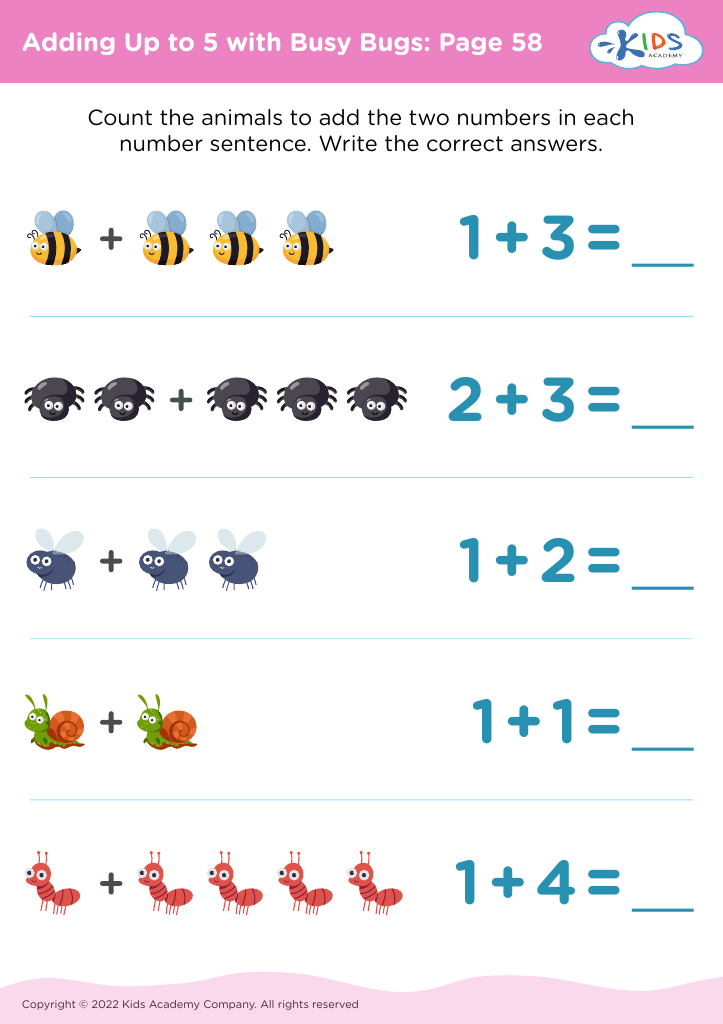
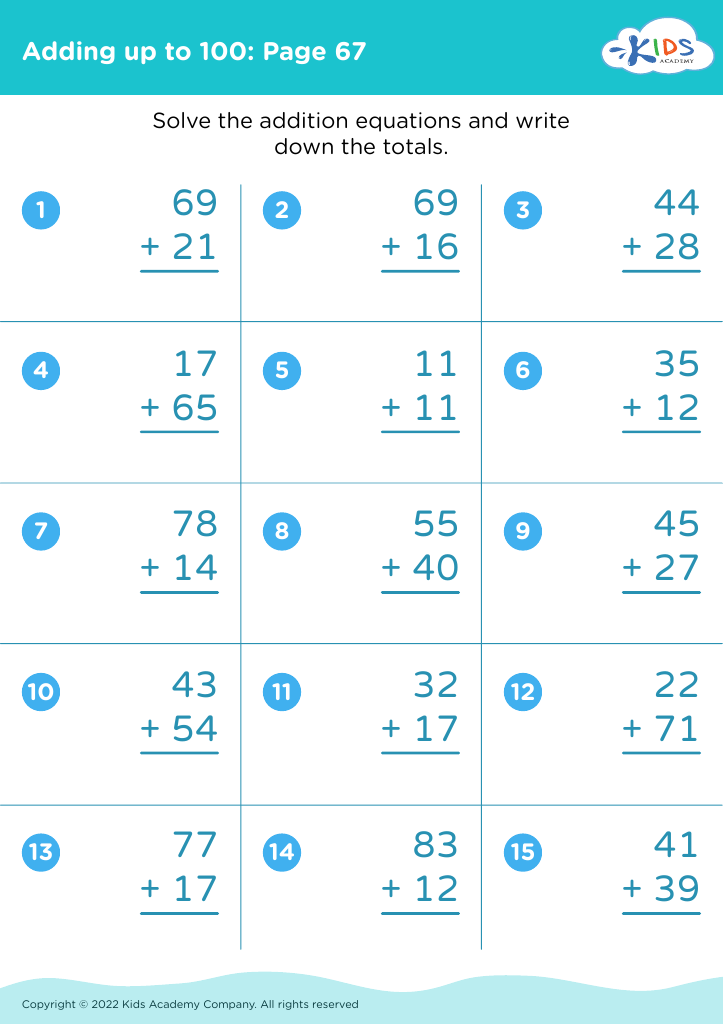
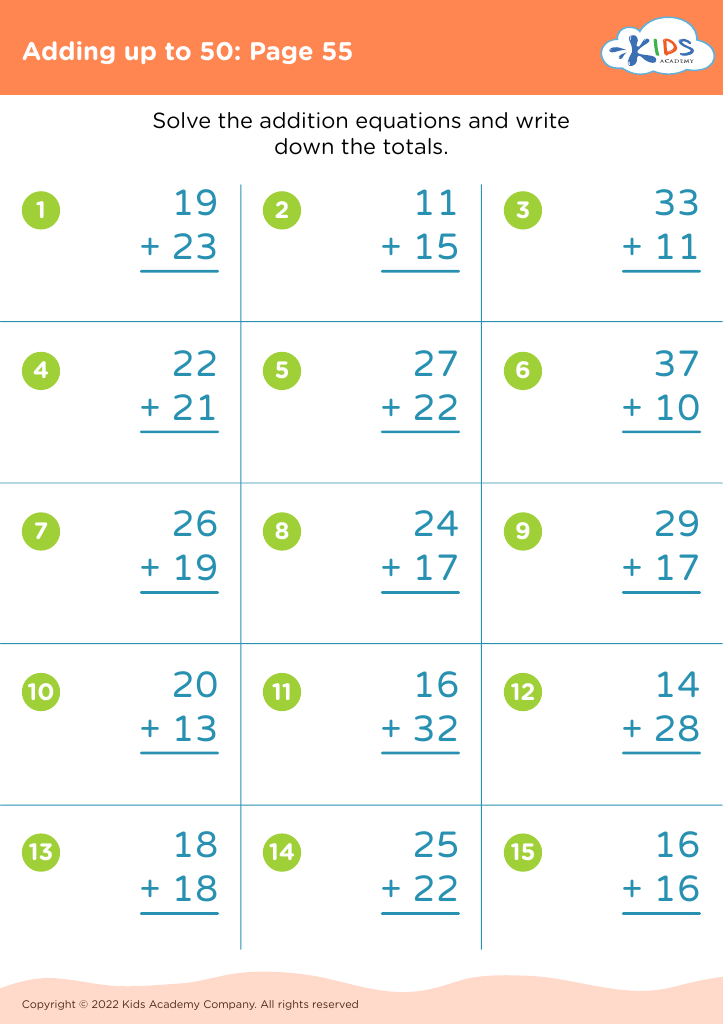
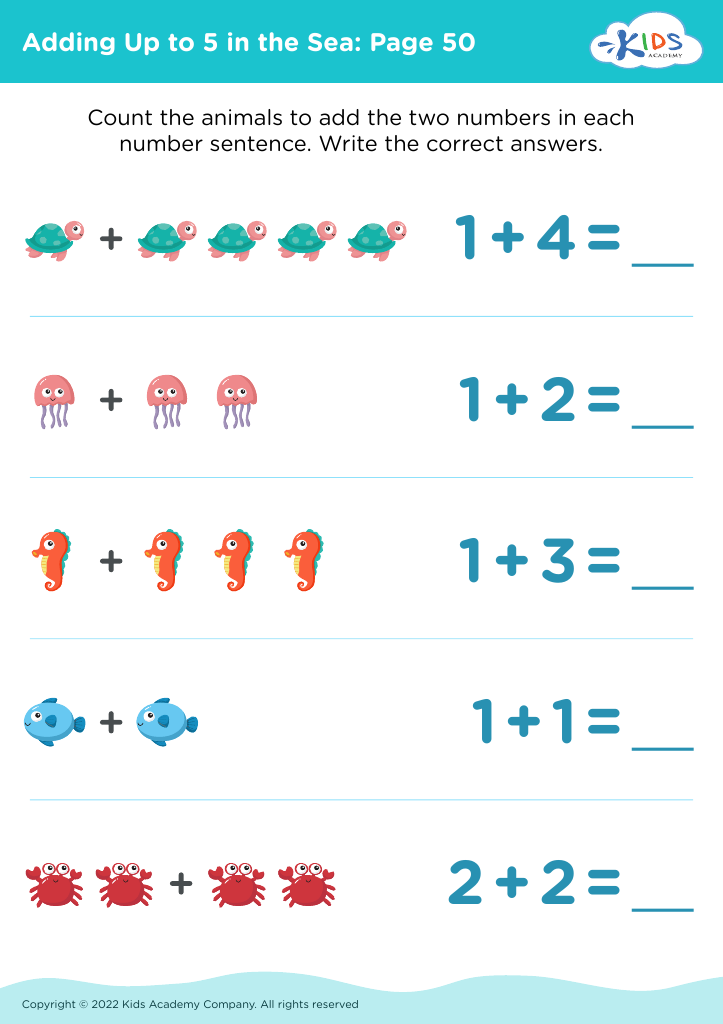
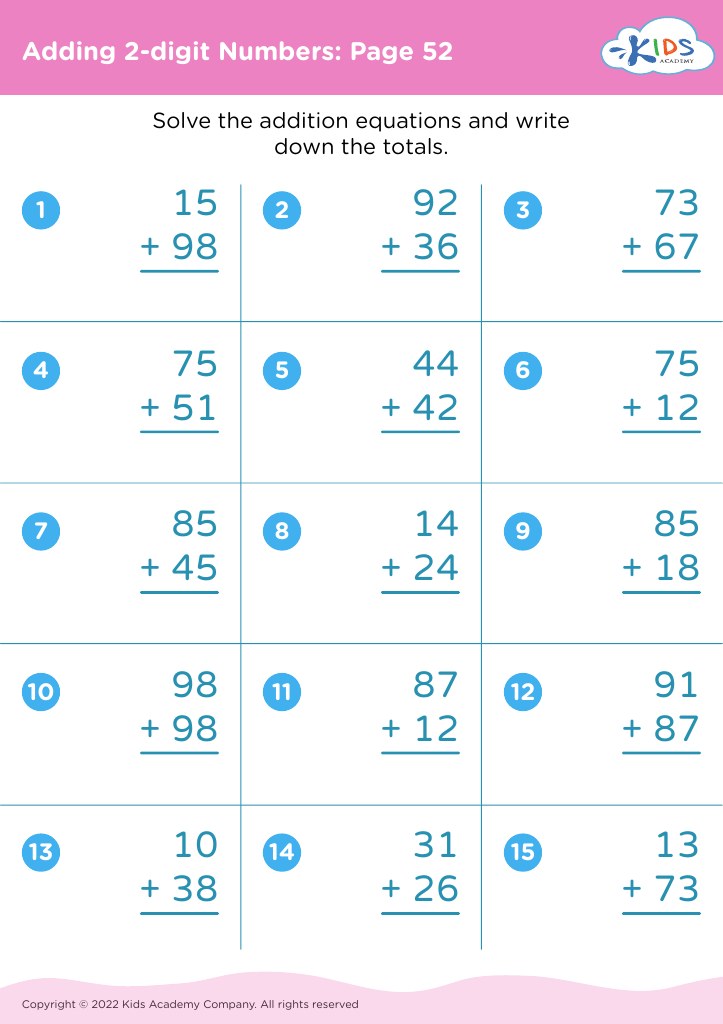
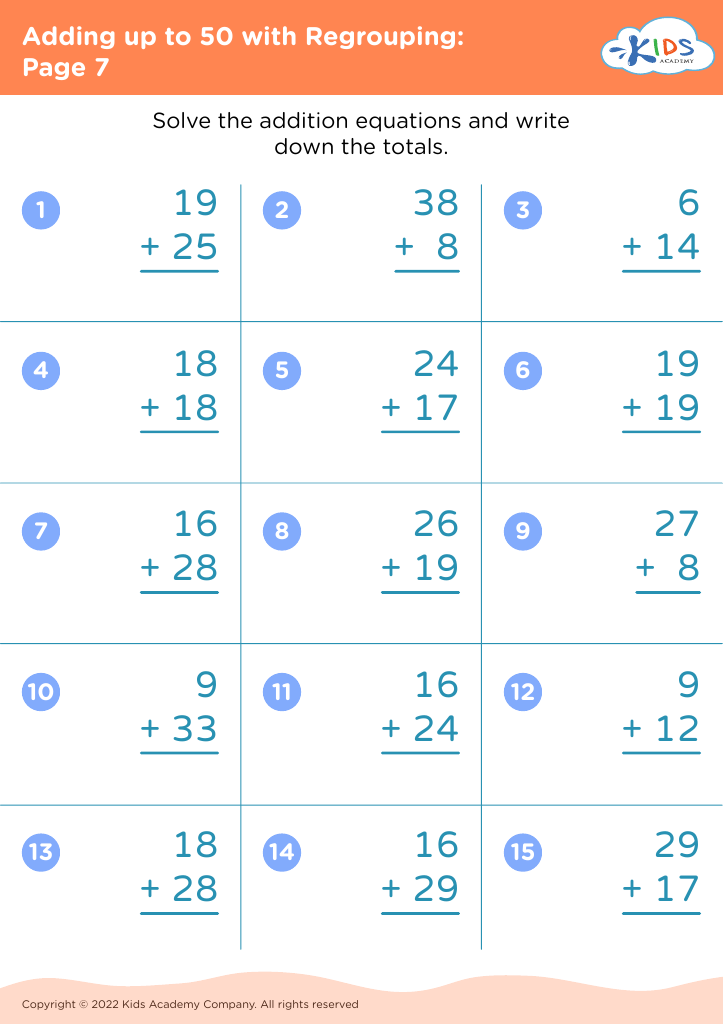
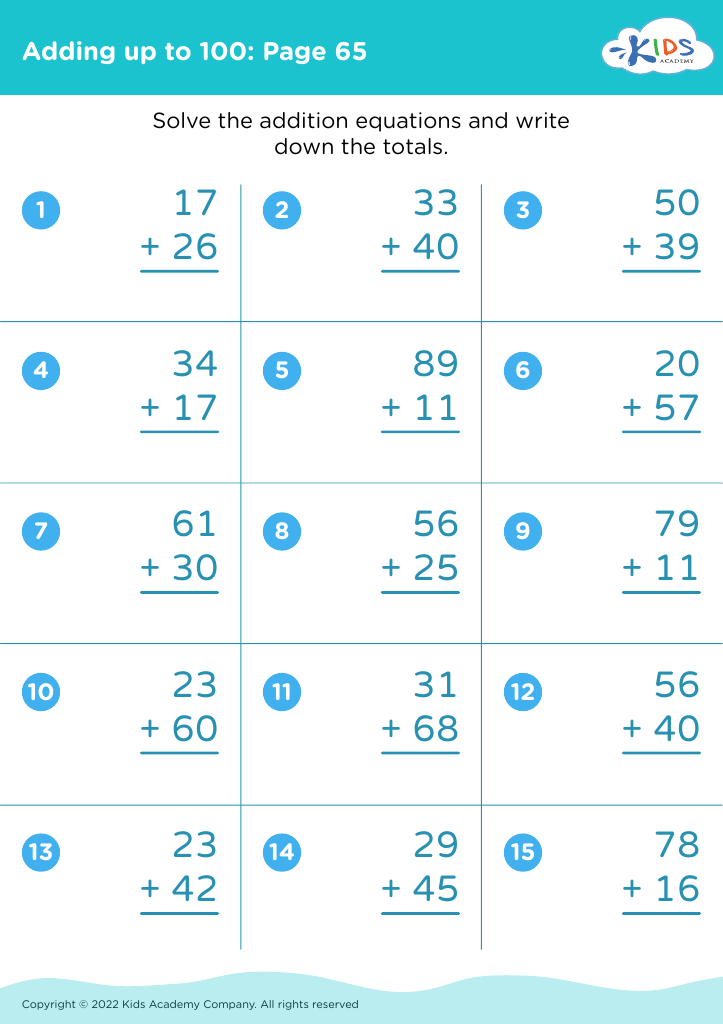
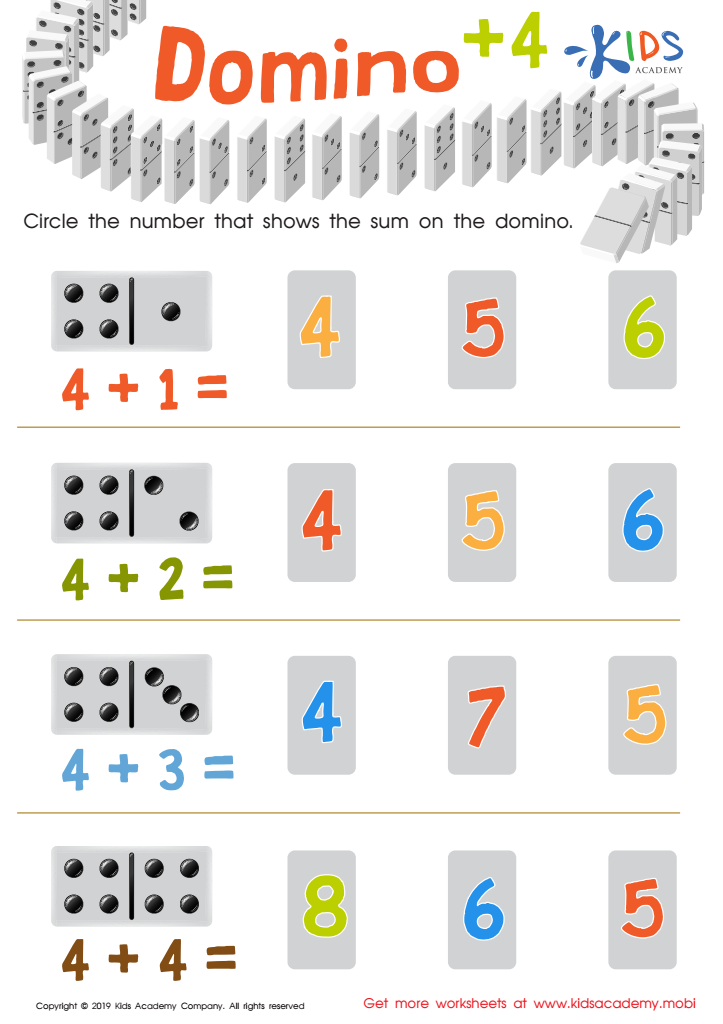
Domino +4 Worksheet








Parents and teachers should care deeply about fostering problem-solving skills in children aged 4-8 because during these formative years, children lay the foundation for their cognitive, social, and emotional development. First, problem-solving skills enhance critical thinking, allowing children to evaluate situations, weigh options, and make reasoned decisions. This mental exercise is crucial for academic success, particularly in subjects like mathematics and science.
Beyond academics, effective problem-solving skills boost self-confidence. When children successfully navigate challenges, they build resilience and a positive self-image. These skills also play a pivotal role in social interactions. As children learn to resolve disputes or collaborate on projects, they cultivate essential communication and empathy skills, learning to see problems from different perspectives.
Moreover, problem-solving stimulates creativity. Children often come up with innovative solutions when encouraged to think freely, thereby expanding their imaginative capacity. Such creativity not only makes learning enjoyable but also motivates lifelong learning.
Lastly, nurturing problem-solving abilities in early childhood helps children develop a proactive mindset. They grow accustomed to seeking solutions rather than avoiding challenges, an attitude that benefits them throughout their lives, fostering mature, capable adults. Therefore, emphasizing problem-solving skills from an early age equips children with essential tools for future success.








