Understand subtraction Addition Worksheets for Ages 4-8
6 filtered results
-
From - To
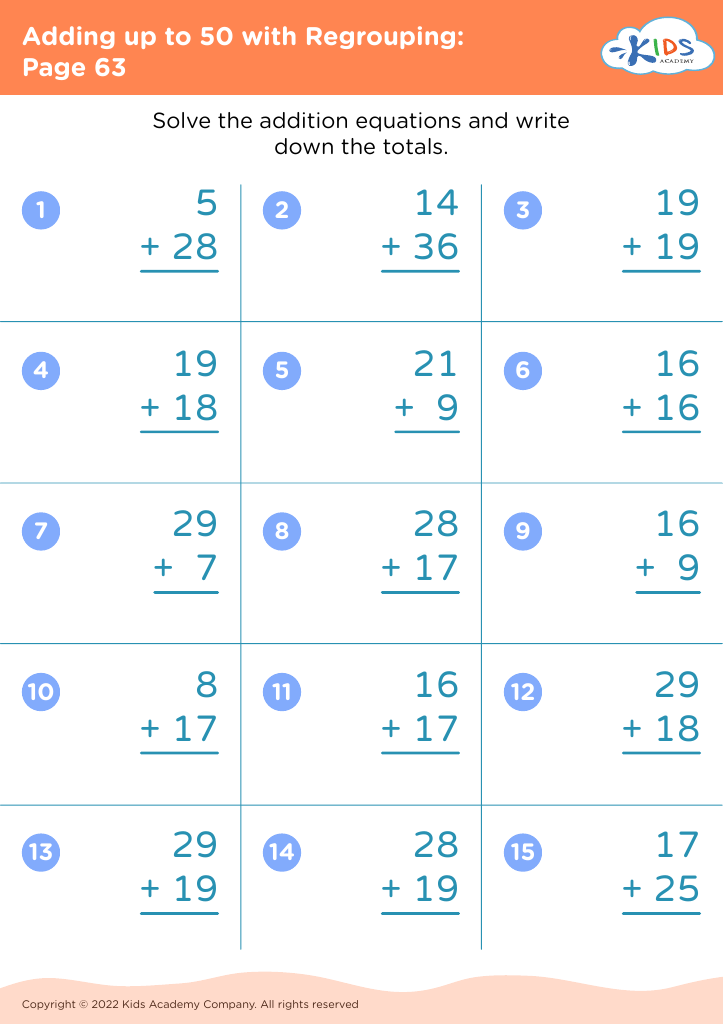
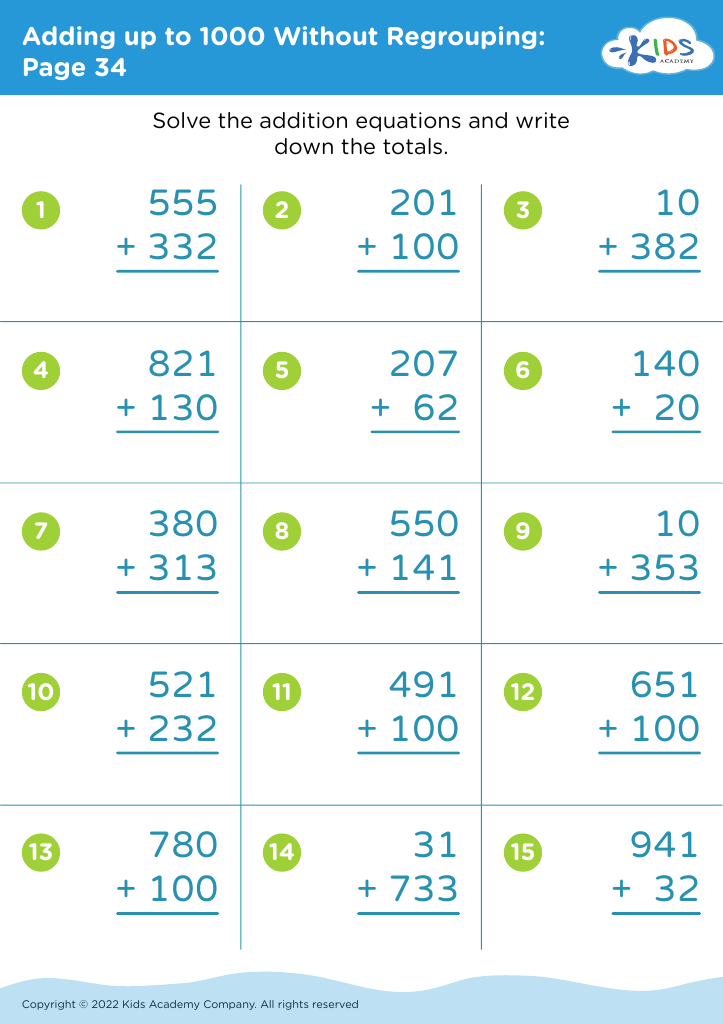
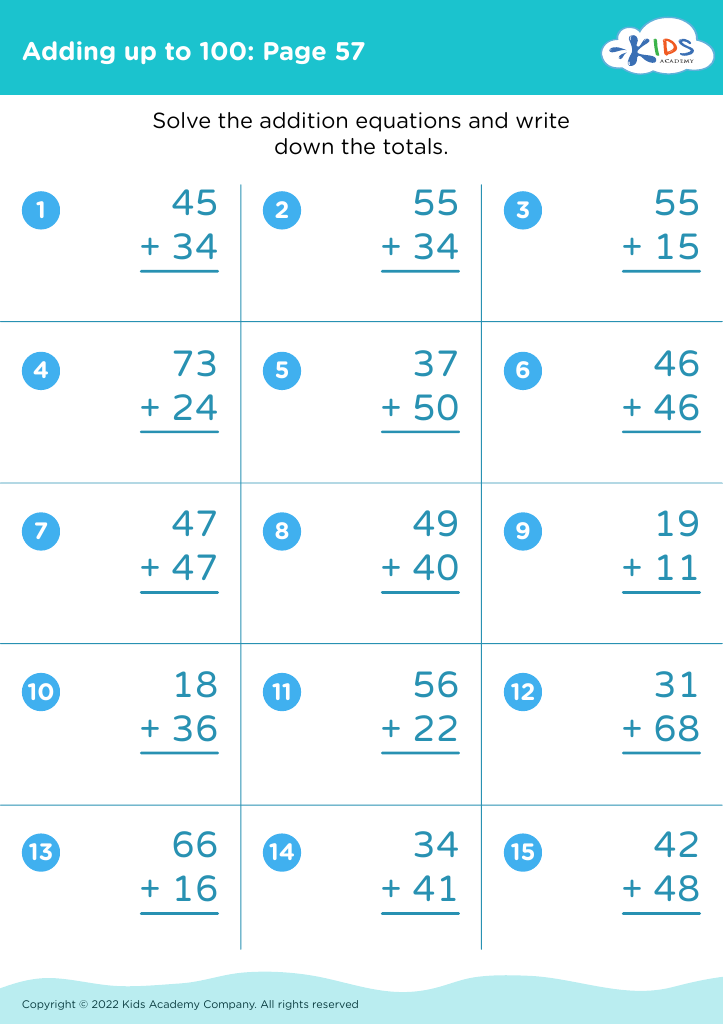
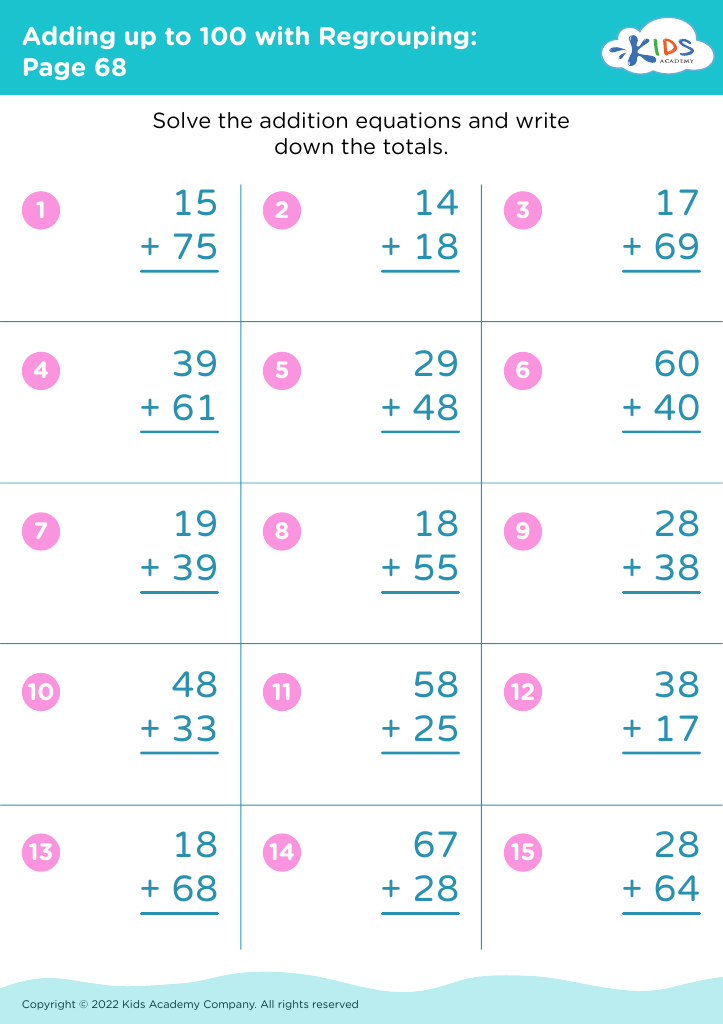
Explore our engaging "Understand Subtraction Addition Worksheets" designed for children ages 4-8! Our worksheets provide a fun and interactive way to help young learners grasp the foundational concepts of subtraction and addition. These activities are tailored to enhance critical thinking and strengthen math skills, making learning enjoyable. With colorful illustrations and relatable scenarios, children can practice problem-solving in a supportive environment. Whether at home or in the classroom, these worksheets ensure that kids build confidence and proficiency in math. Let’s inspire a love for numbers and pave the way for future success in mathematics. Download your worksheets today!
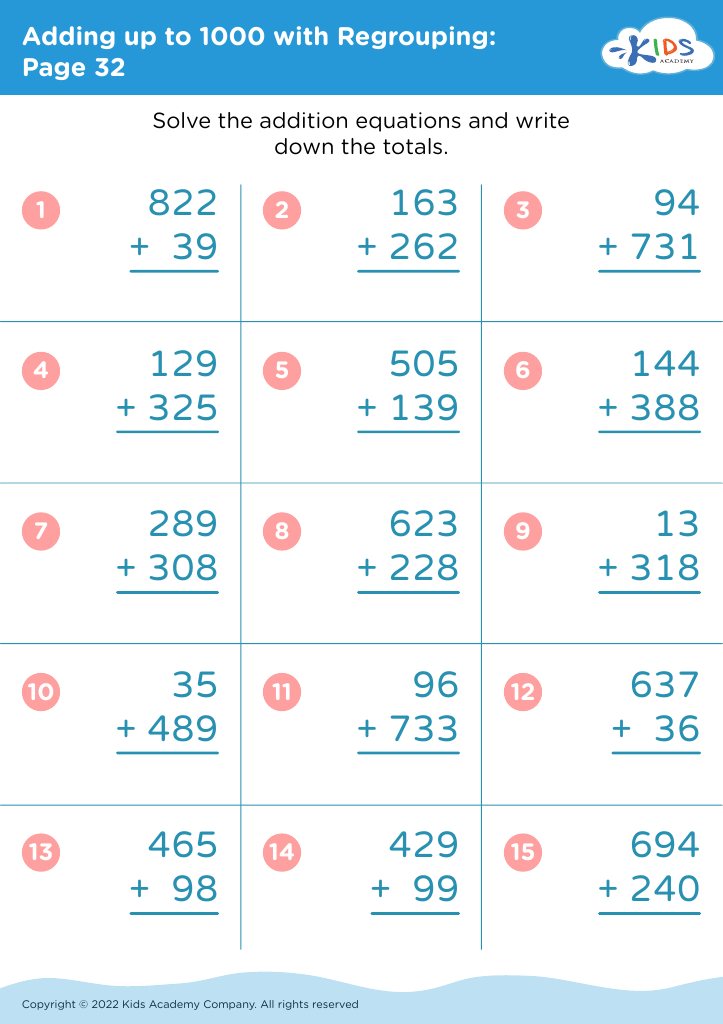
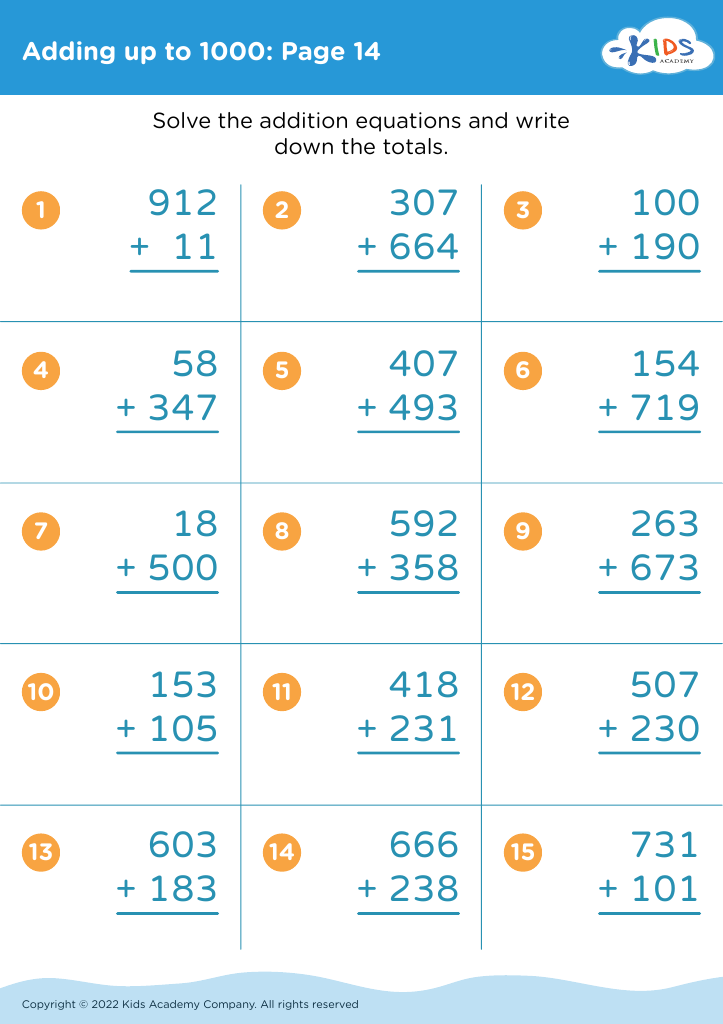








Understanding addition and subtraction is crucial for children aged 4-8, as it forms the foundation for their overall mathematical development. At this early age, children are developing critical thinking and problem-solving skills, and engaging with these fundamental concepts helps them build confidence in their abilities. Mastery of addition and subtraction not only enhances cognitive skills but also lays the groundwork for more advanced math topics they will encounter later, such as multiplication, division, and even basic algebra.
Moreover, these early skills are integral for everyday life, enabling children to navigate situations like sharing, budgeting their allowance, or understanding time. Parents and teachers who prioritize these concepts appreciate the enhanced language of numbers, fostering a love for math that will benefit learners in the long run.
Additionally, effective communication about math fosters a growth mindset, encouraging children to tackle challenges with a positive attitude. Games, practical activities, and storytelling incorporating addition and subtraction can make learning enjoyable, ensuring children remain engaged. Thus, the role of parents and teachers is vital in cultivating mathematical understanding, ensuring a strong foundation, and empowering children to succeed not only in school but in life.








