Filters

88 filtered results

Clear all filters
Favorites
With answer key
Interactive

88 filtered results

Difficulty Level

Grade


Check out this FREE Trial Lesson on Addition for age 4-8!

Exactly the Same, or Not

Favorites
With answer key
Interactive
  • 4-8
  • Visual Learning
  • Addition
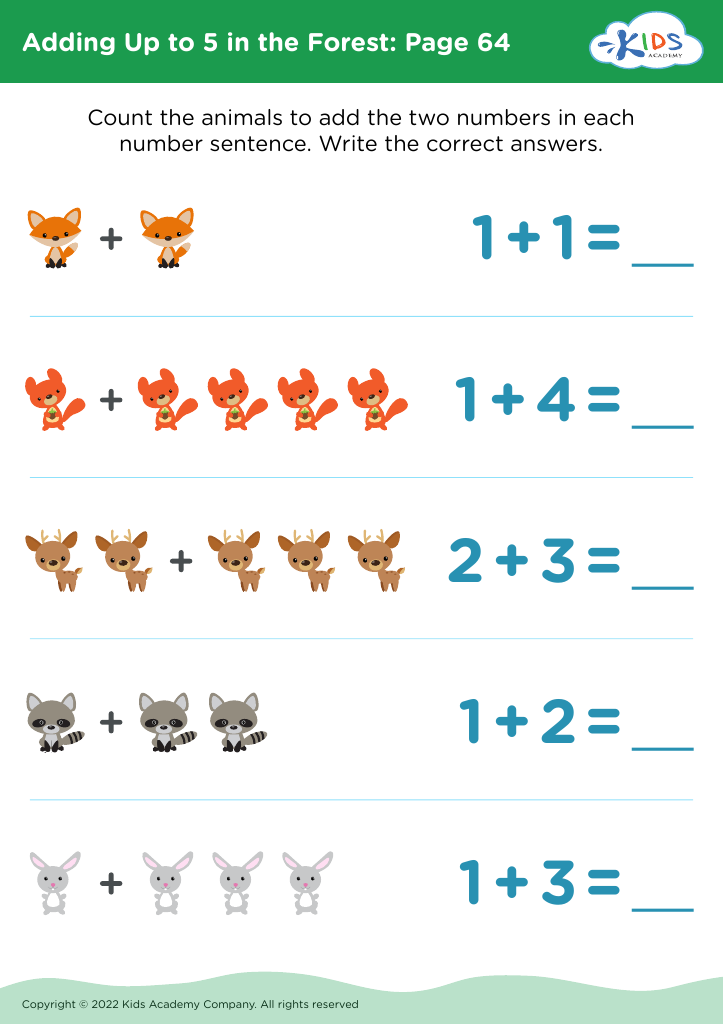
Adding Up to 5 in the Forest: Page 64
Worksheet
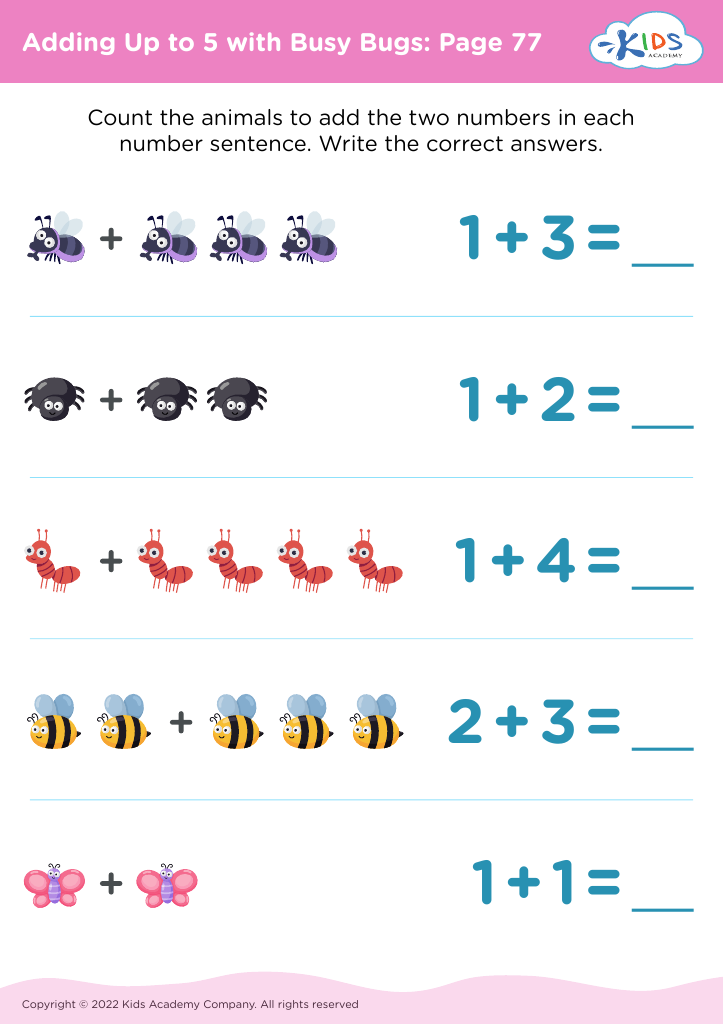
Adding Up to 5 with Busy Bugs: Page 77
Worksheet
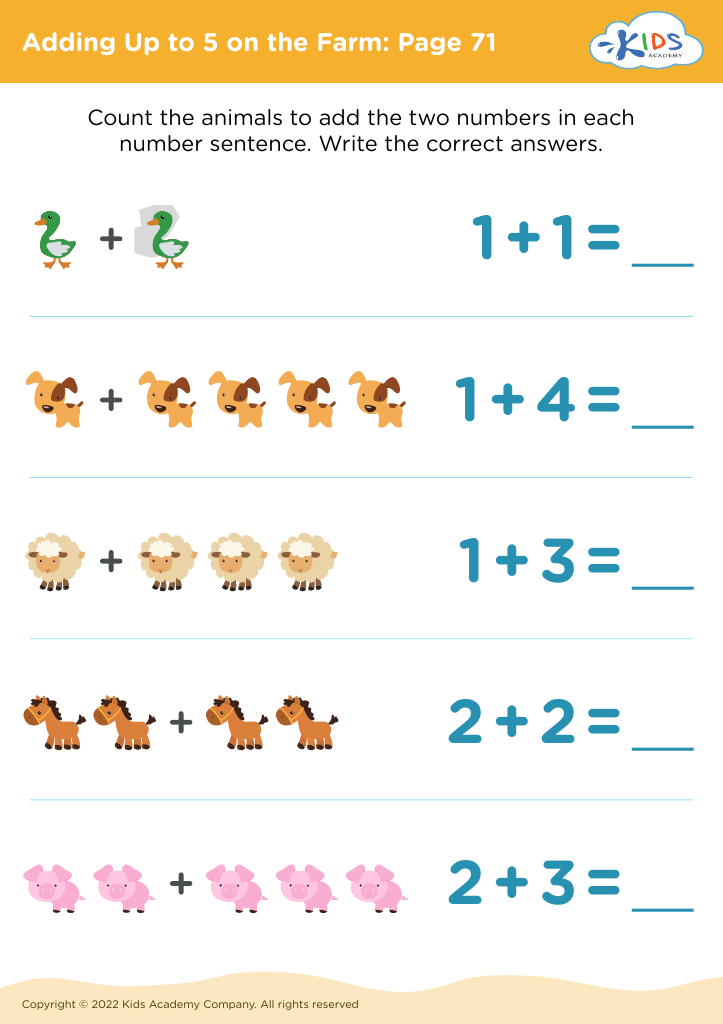
Adding Up to 5 on the Farm: Page 71
Worksheet
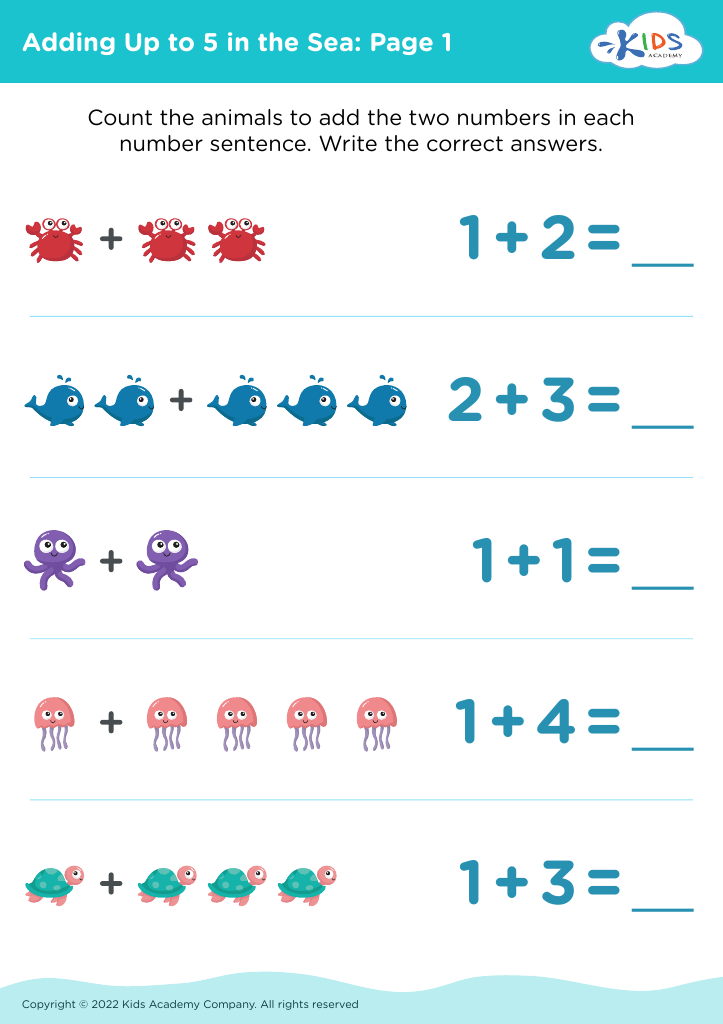
Adding Up to 5 in the Sea: Page 1

Adding Up to 5 in the Sea: Page 1

Adding Up to 5 in the Sea: Page 1
Worksheet
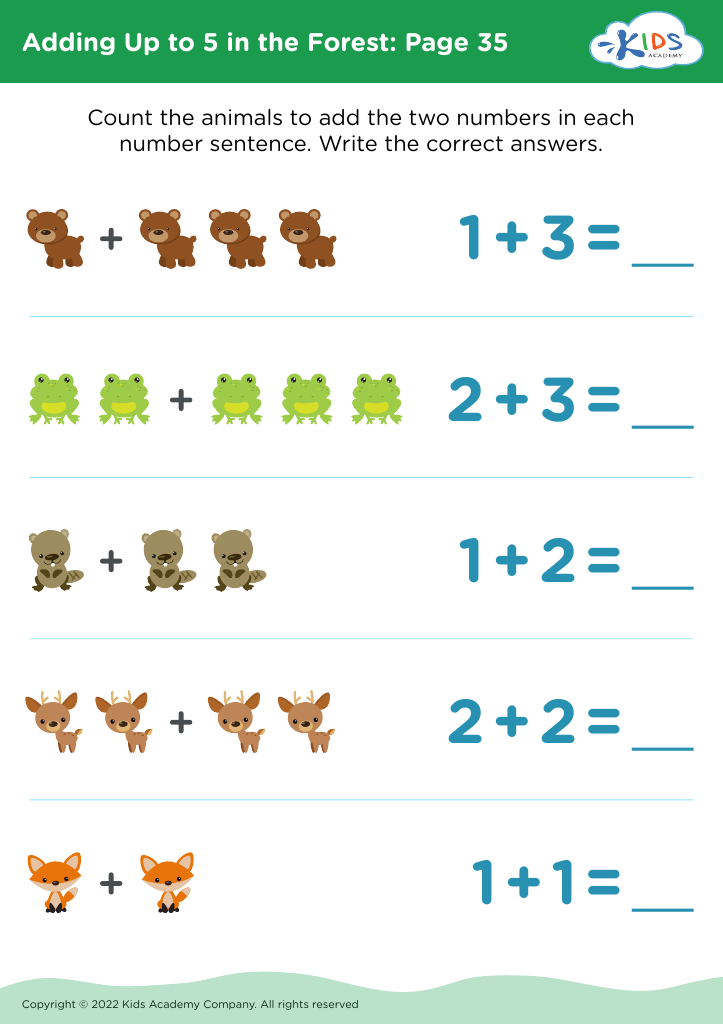
Adding Up to 5 in the Forest: Page 35
Worksheet
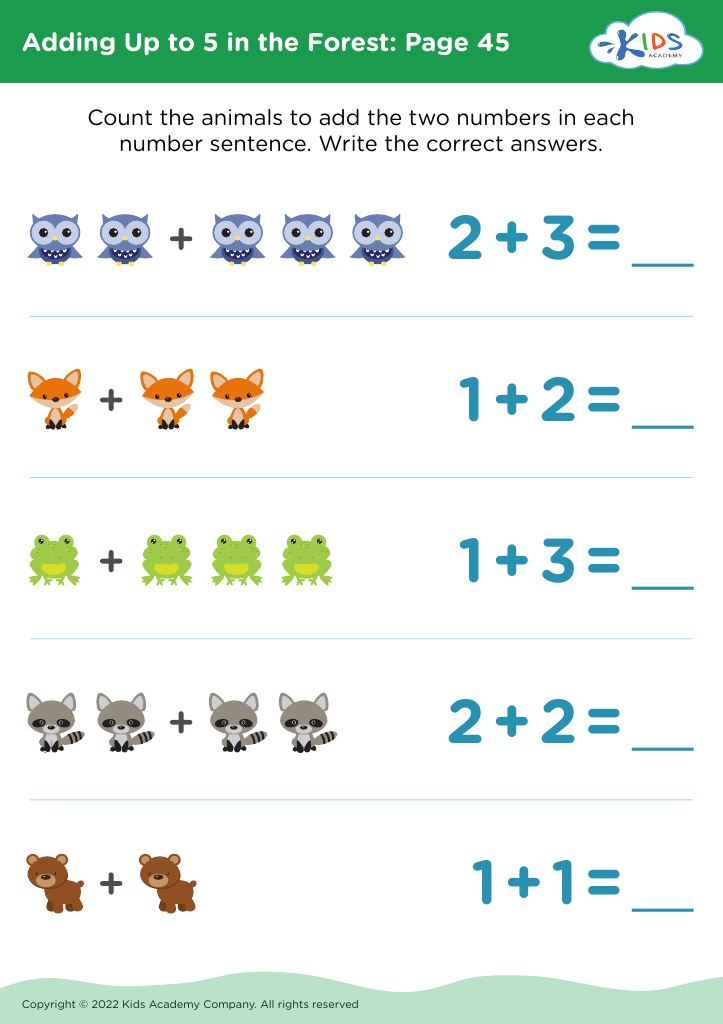
Adding Up to 5 in the Forest: Page 45
Worksheet
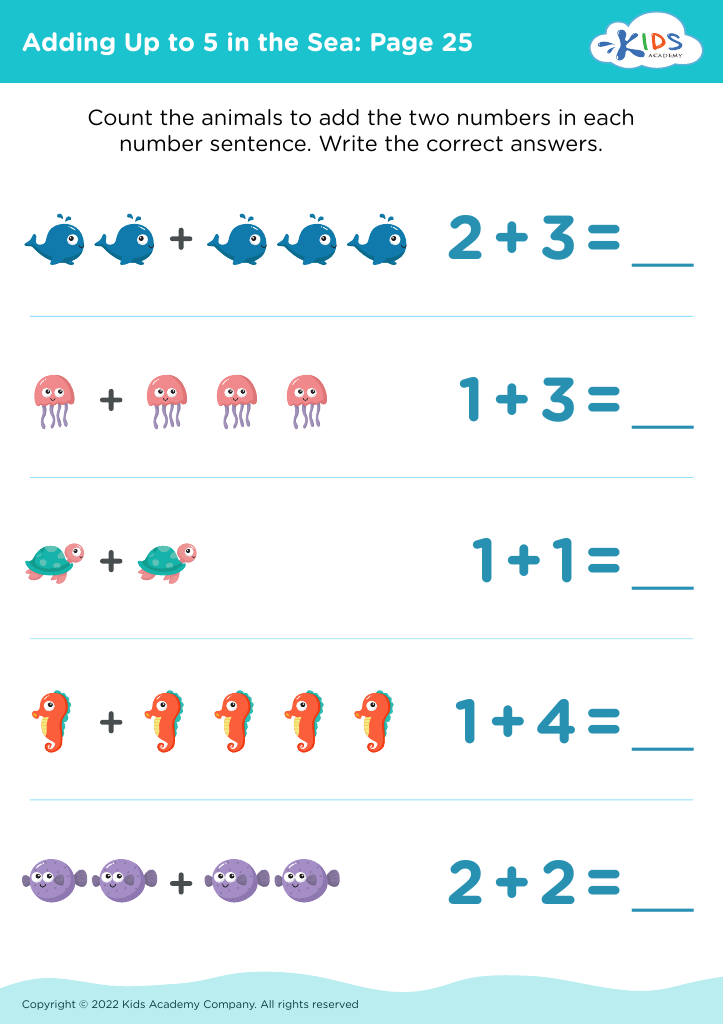
Adding Up to 5 in the Sea: Page 25
Worksheet
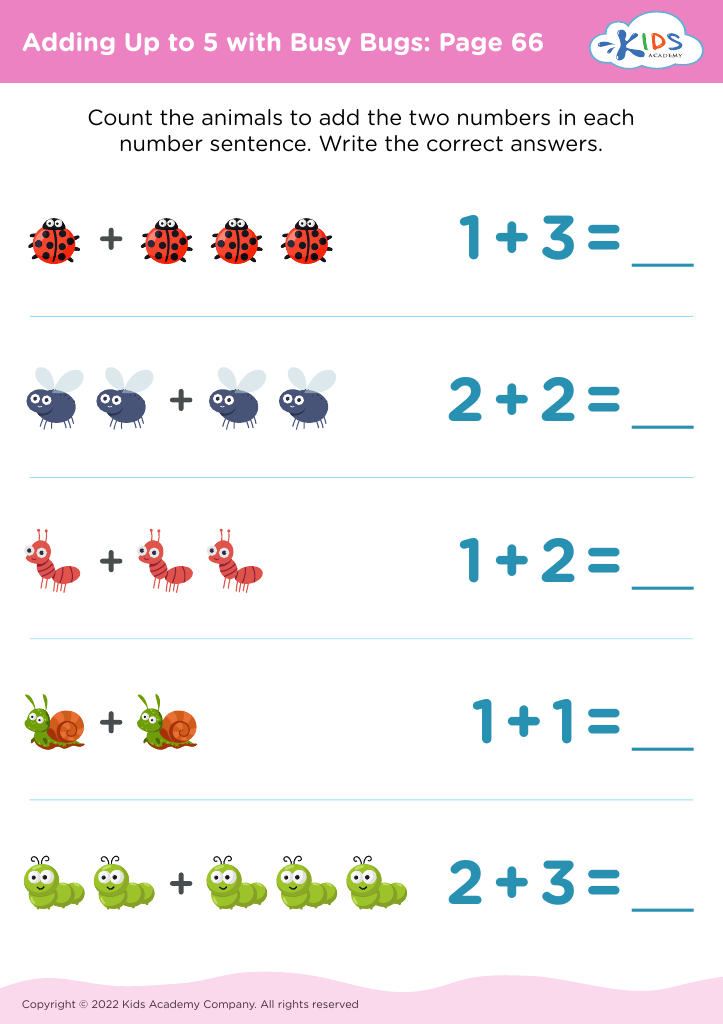
Adding Up to 5 with Busy Bugs: Page 66
Worksheet
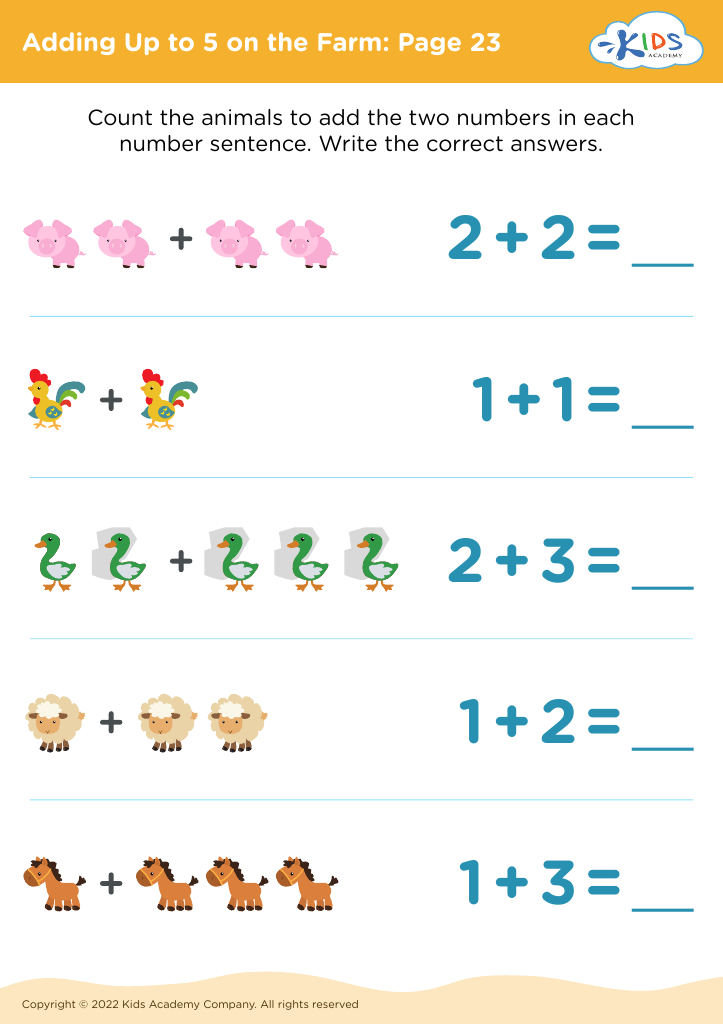
Adding Up to 5 on the Farm: Page 23
Worksheet
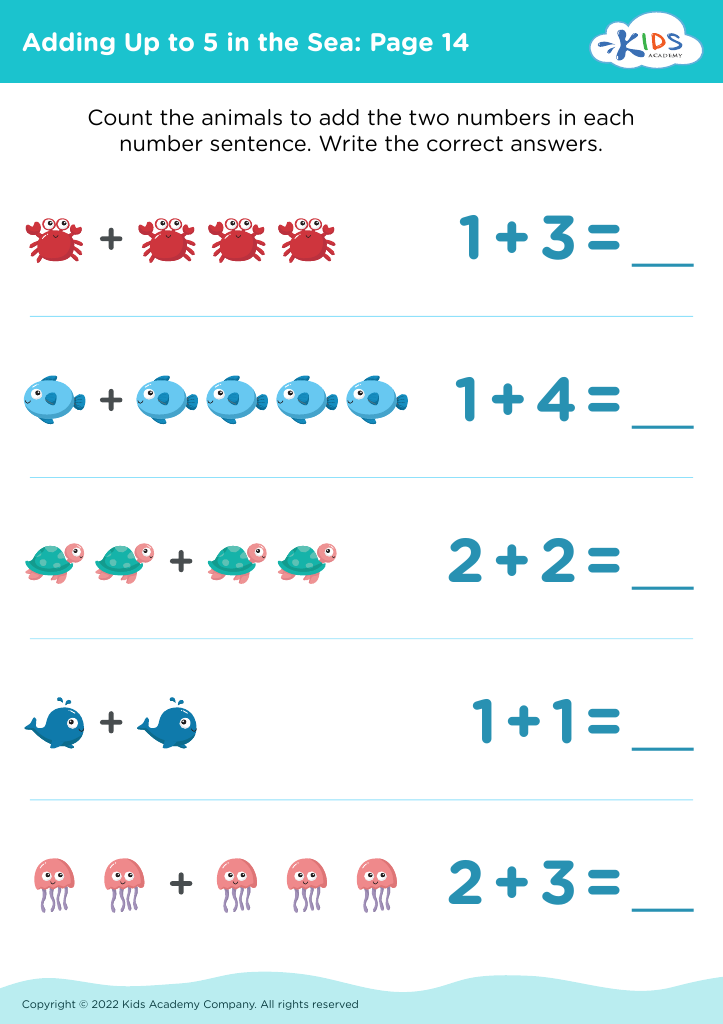
Adding Up to 5 in the Sea: Page 14
Worksheet
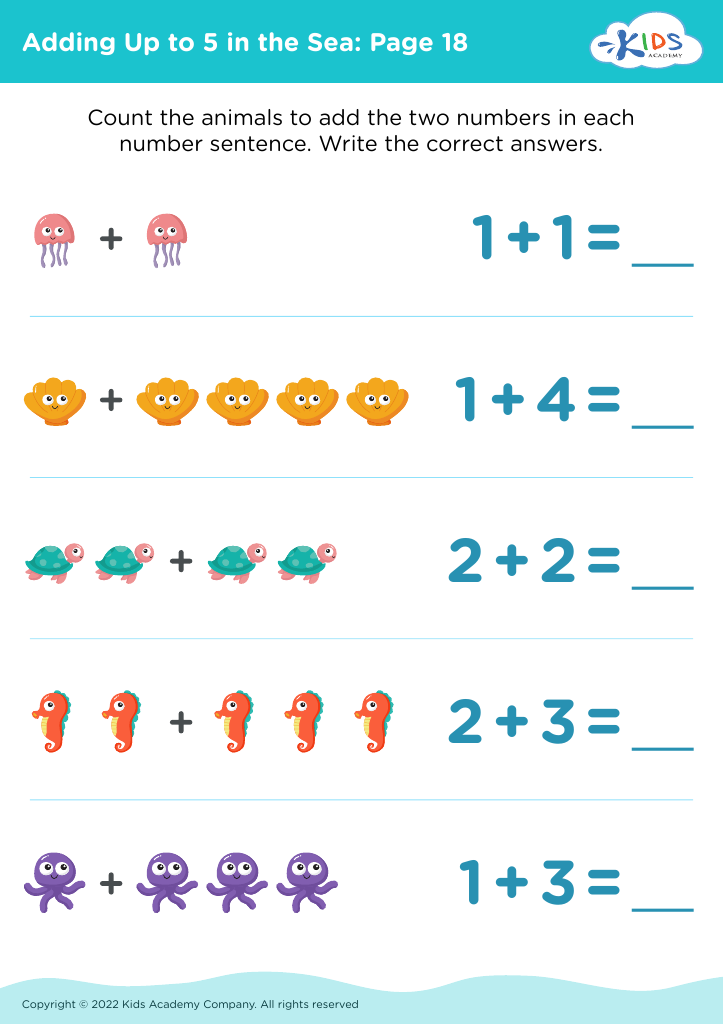
Adding Up to 5 in the Sea: Page 18
Worksheet
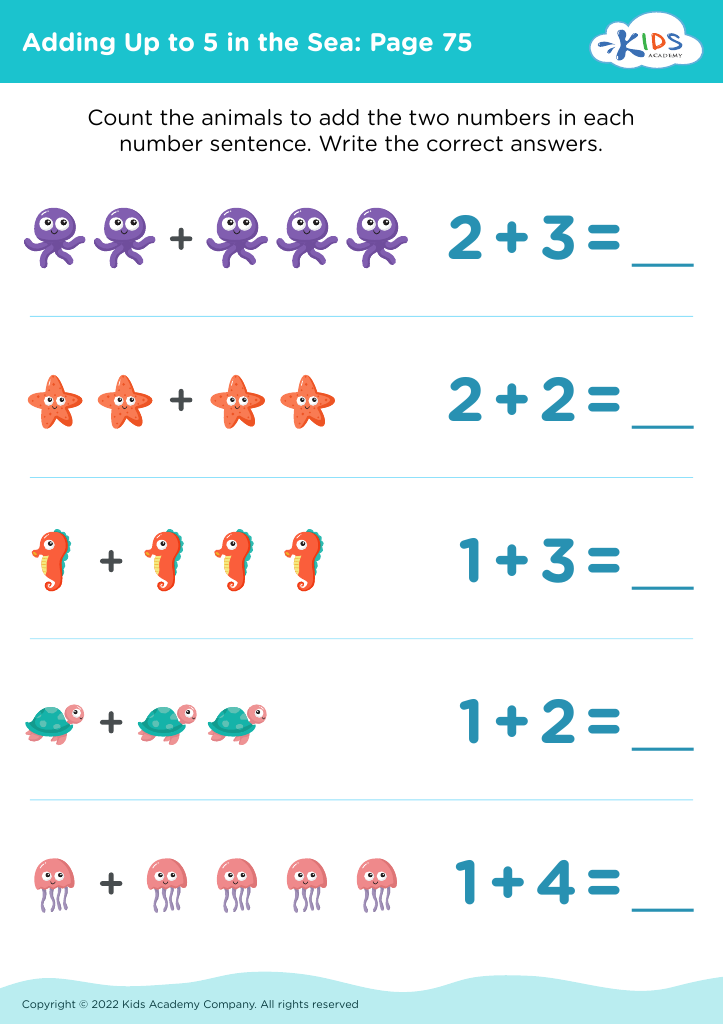
Adding Up to 5 in the Sea: Page 75
Worksheet
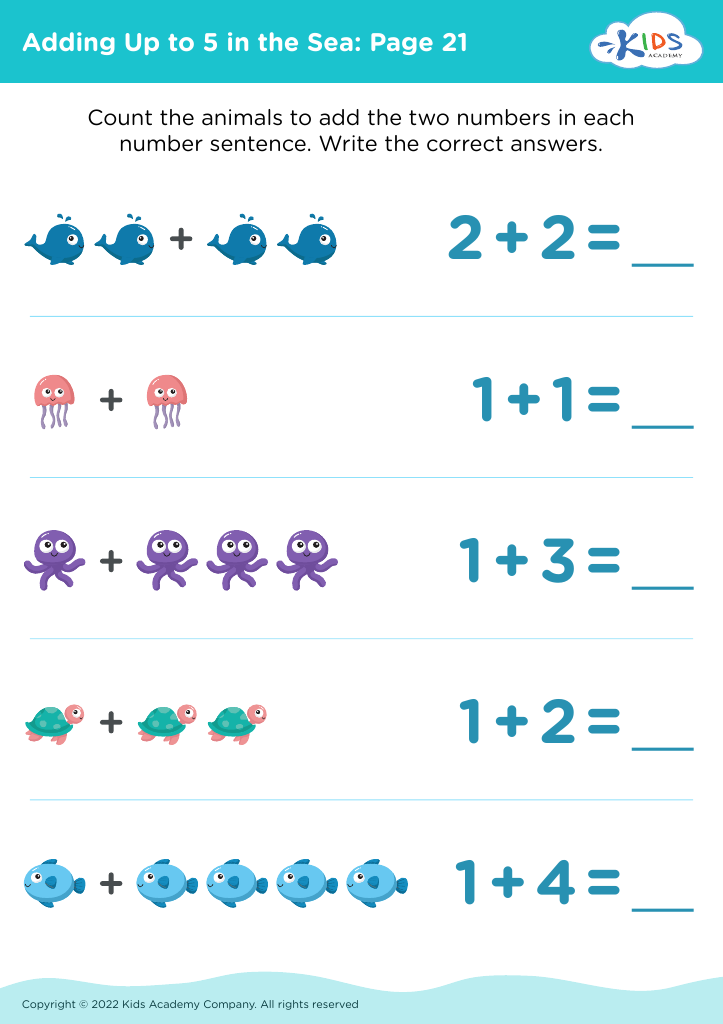
Adding Up to 5 in the Sea: Page 21
Worksheet
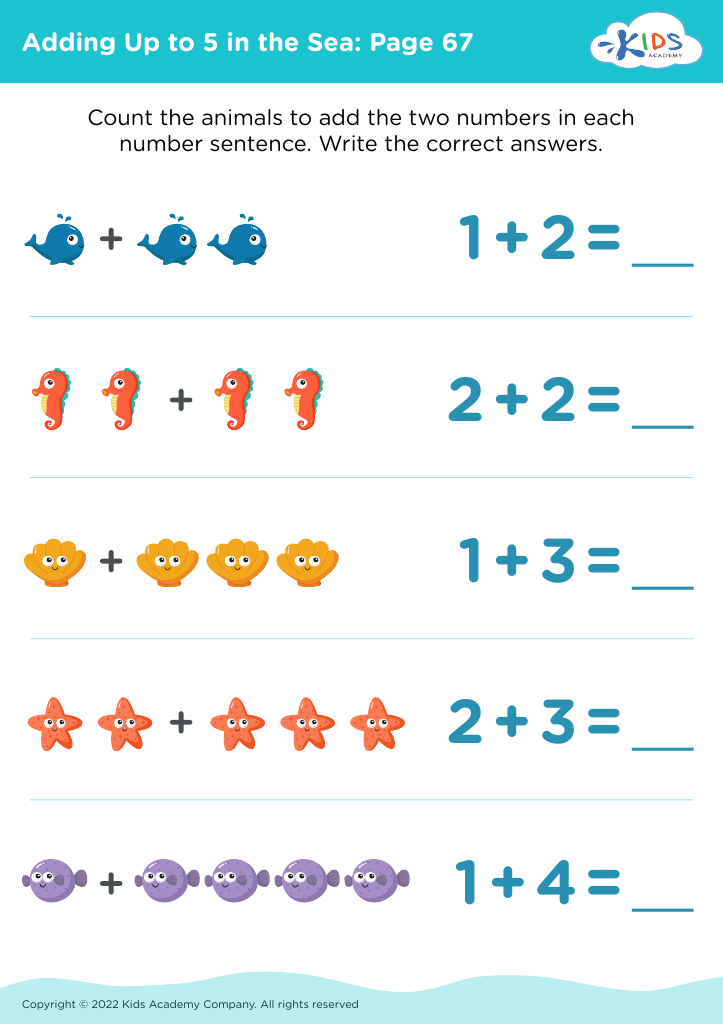
Adding Up to 5 in the Sea: Page 67
Worksheet
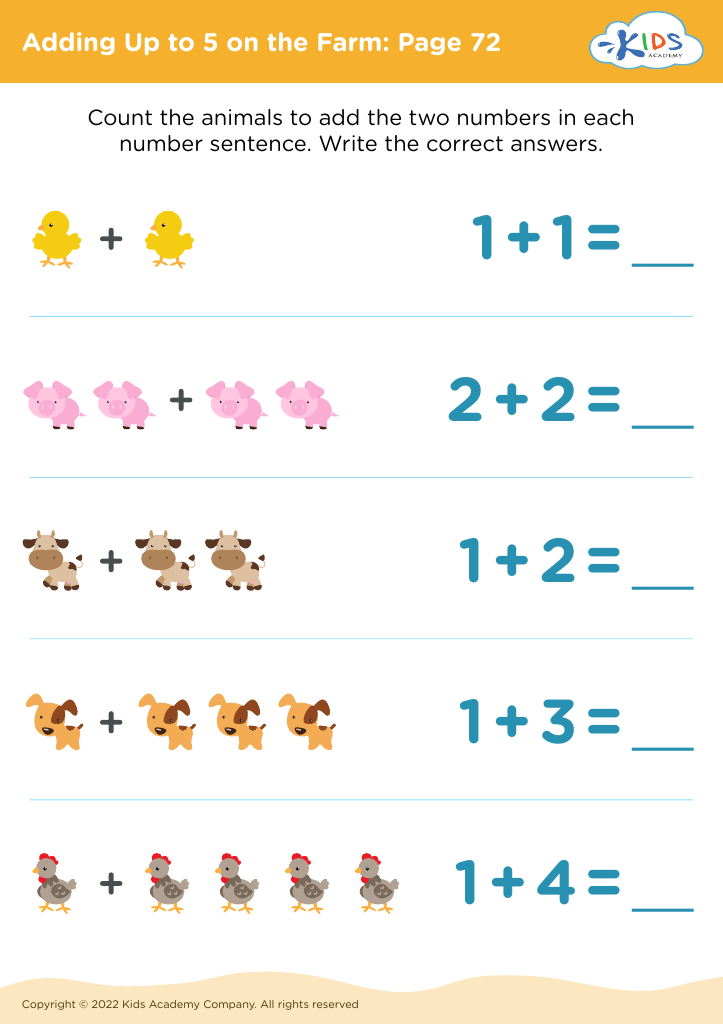
Adding Up to 5 on the Farm: Page 72
Worksheet
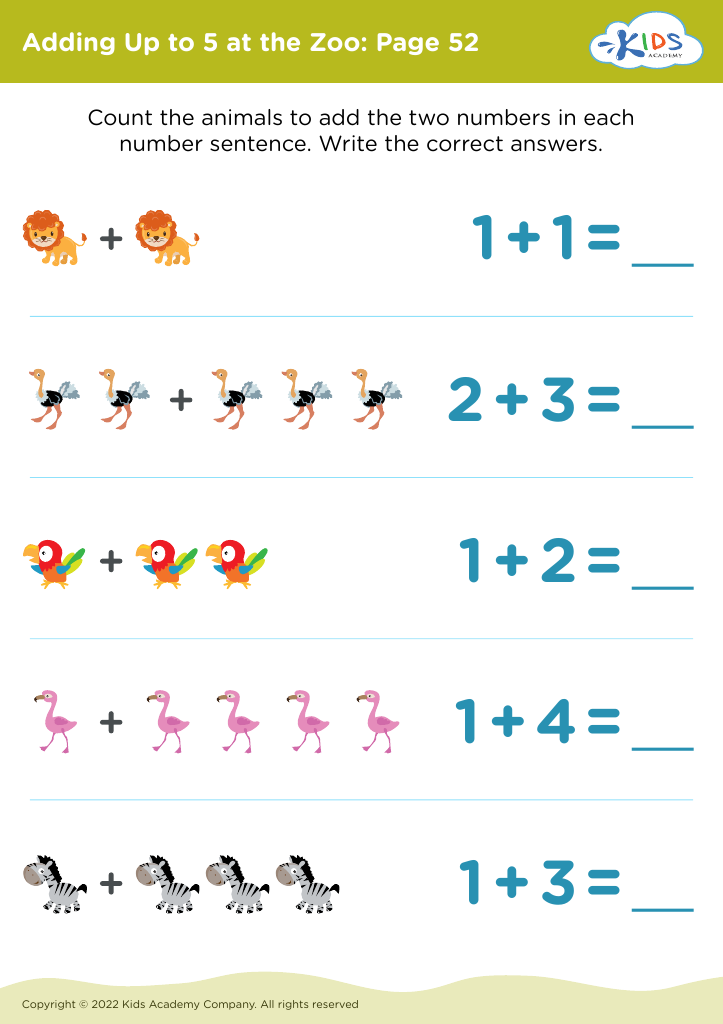
Adding Up to 5 at the Zoo: Page 52
Worksheet
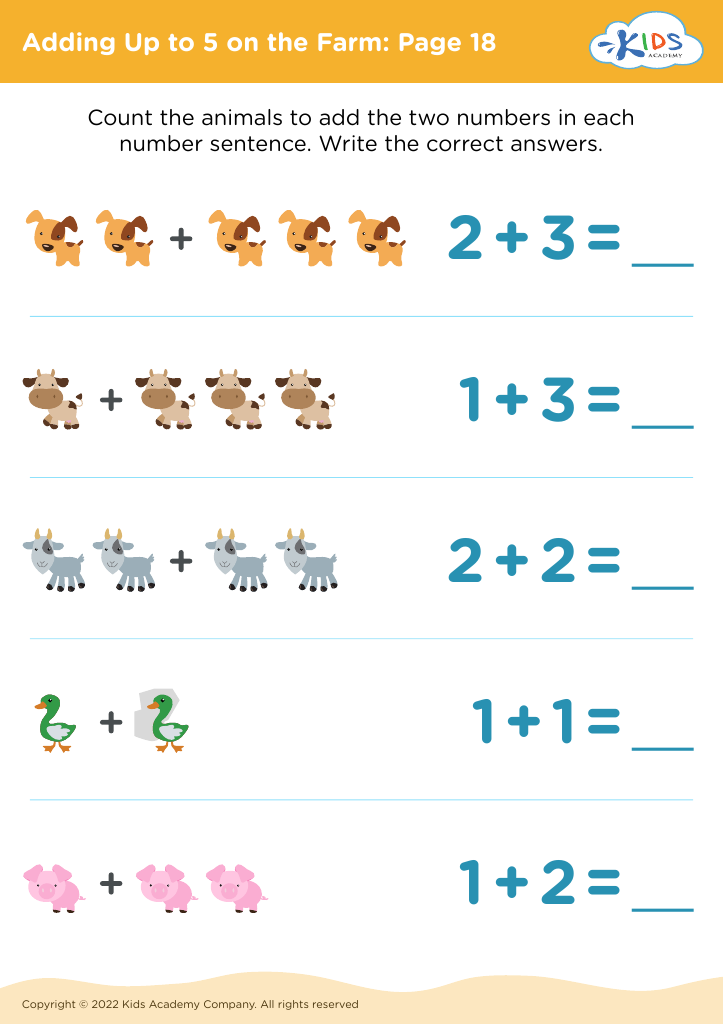
Adding Up to 5 on the Farm: Page 18
Worksheet
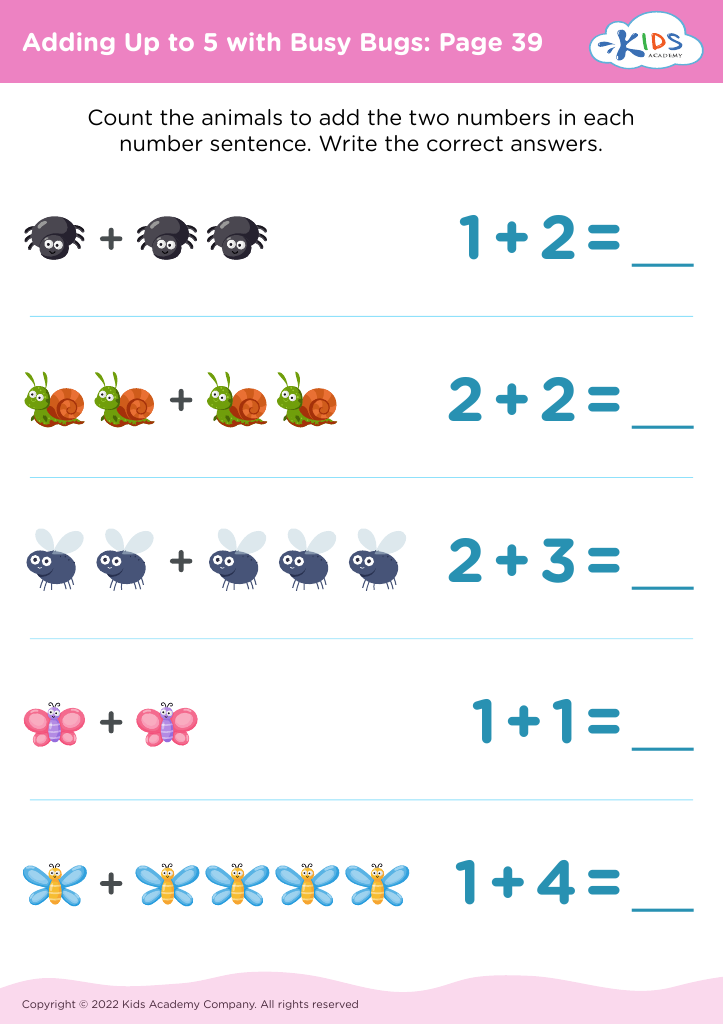
Adding Up to 5 with Busy Bugs: Page 39
Worksheet
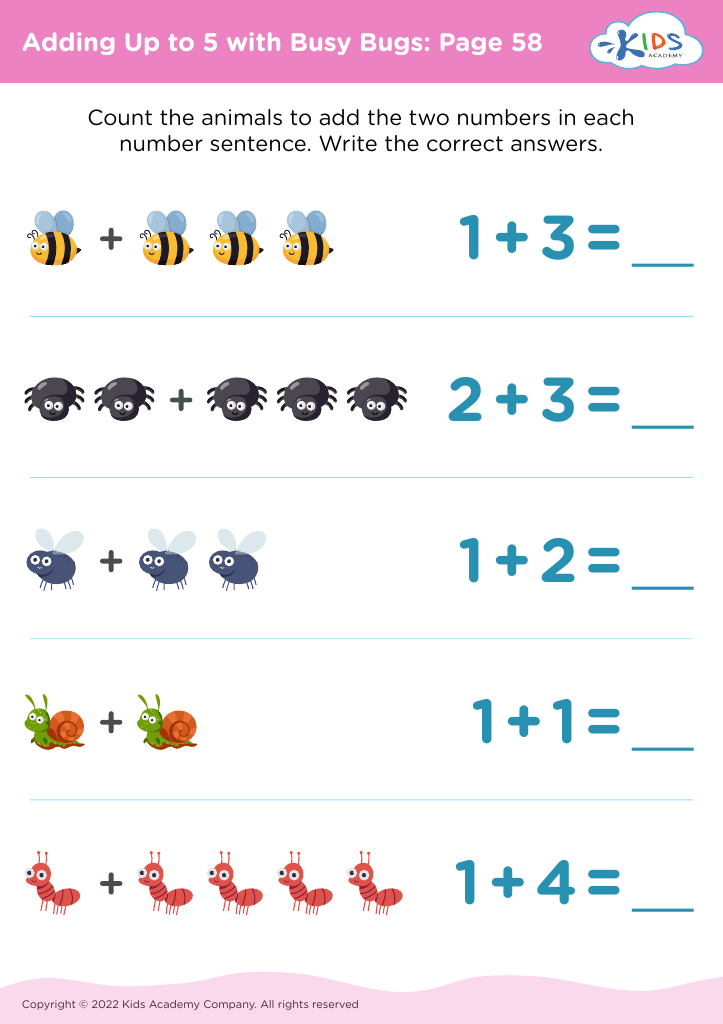
Adding Up to 5 with Busy Bugs: Page 58
Worksheet
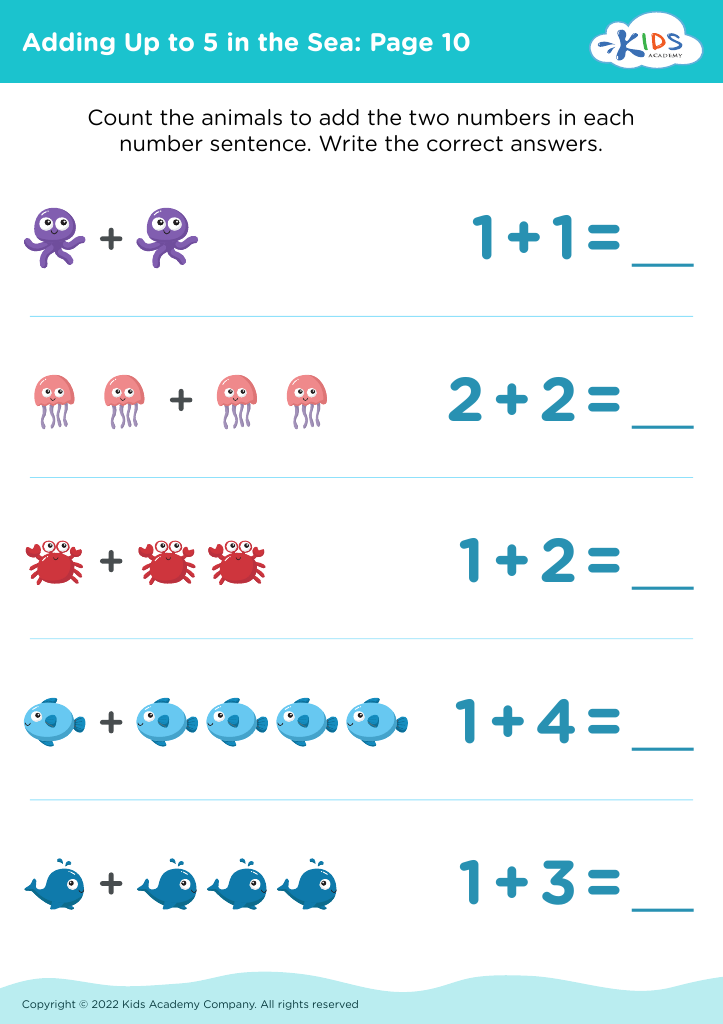
Adding Up to 5 in the Sea: Page 10
Worksheet
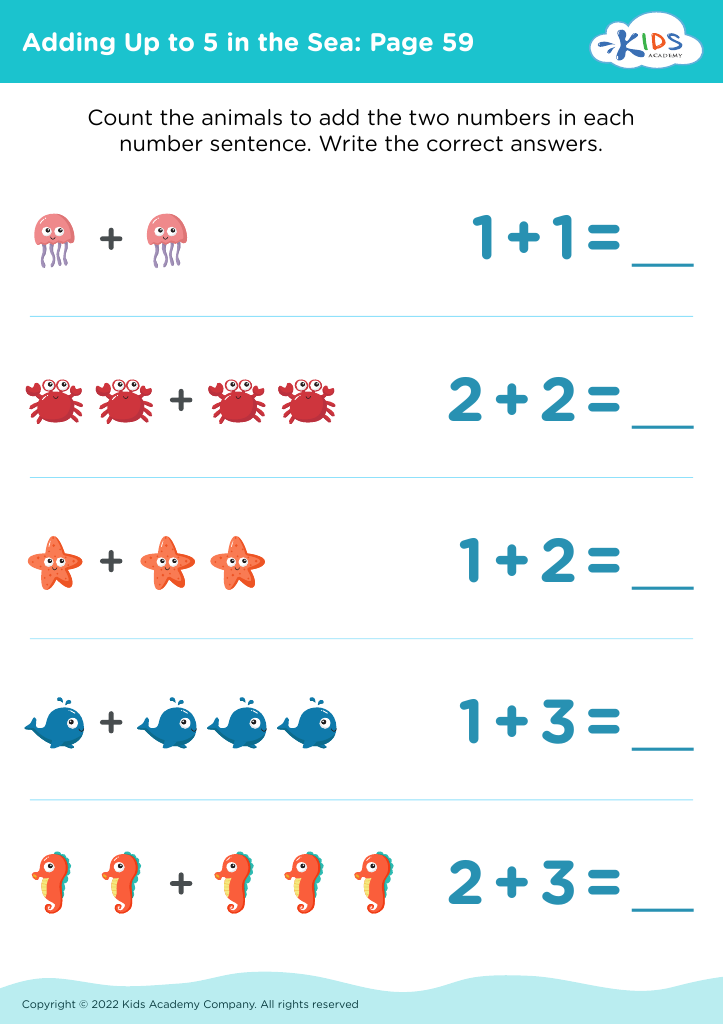
Adding Up to 5 in the Sea: Page 59
Worksheet
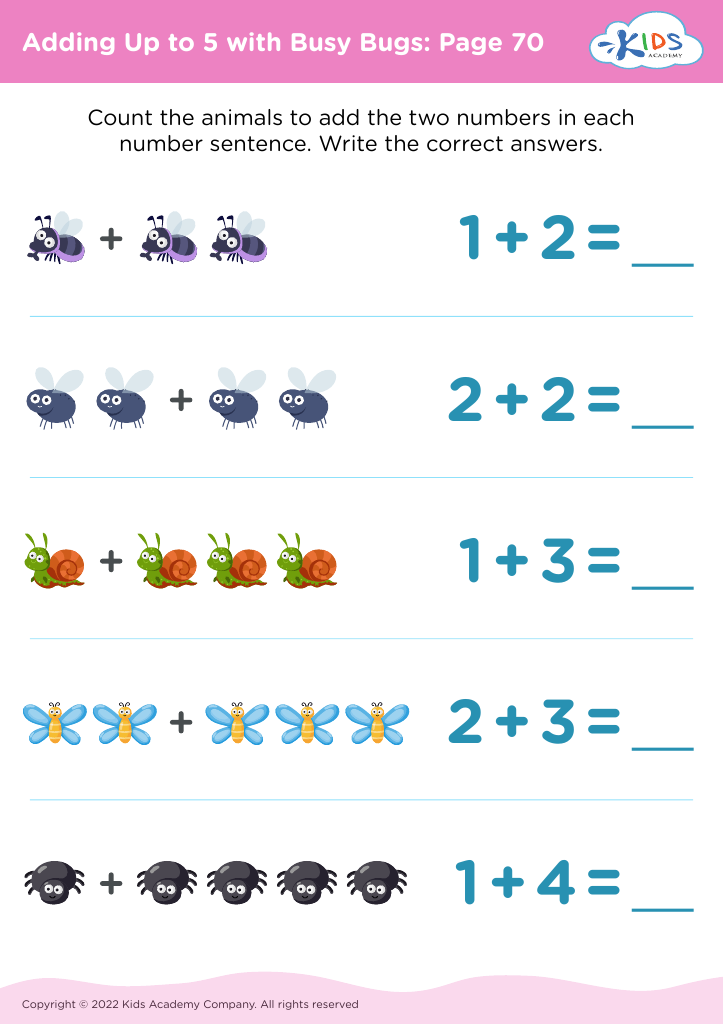
Adding Up to 5 with Busy Bugs: Page 70
Worksheet
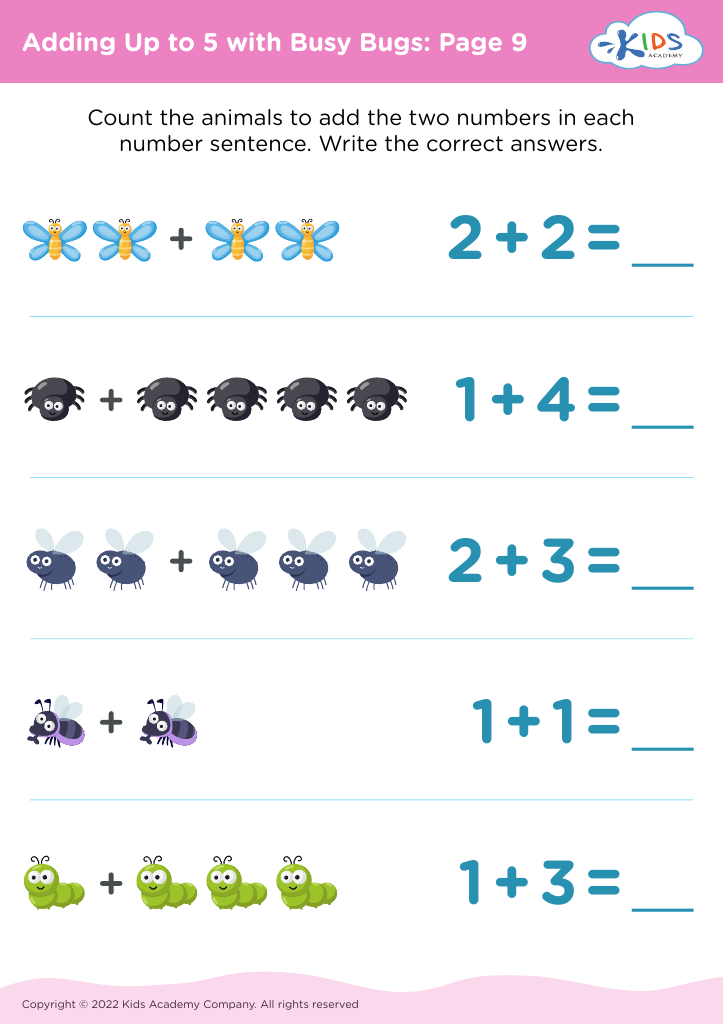
Adding Up to 5 with Busy Bugs: Page 9
Worksheet
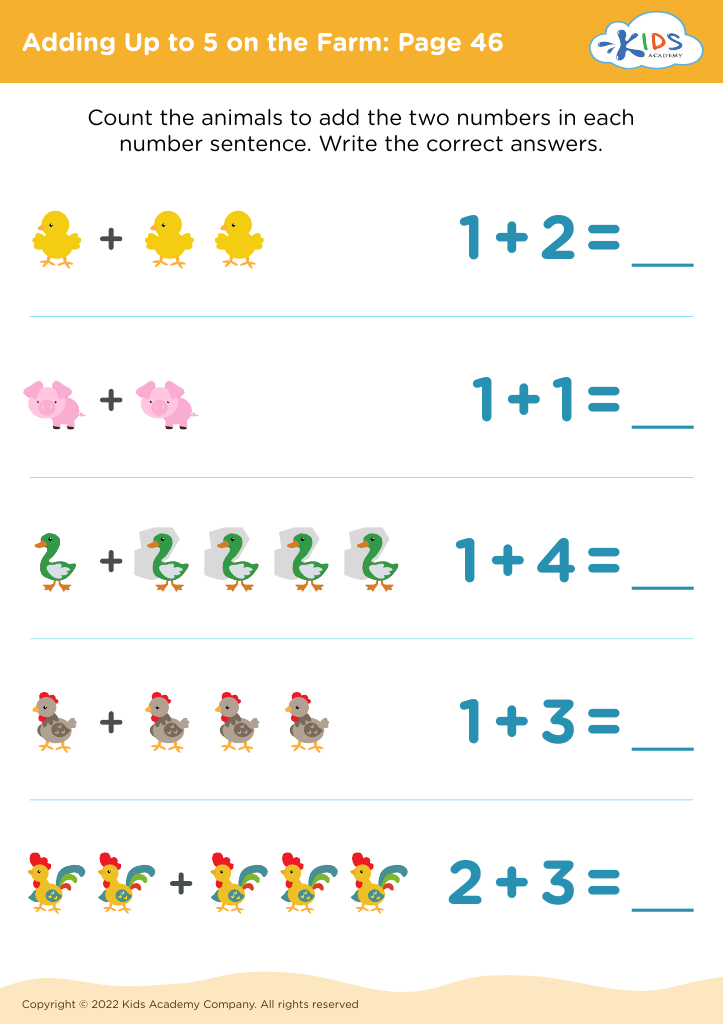
Adding Up to 5 on the Farm: Page 46
Worksheet


Visual learning is crucial for children aged 4-8 as it aligns with their natural developmental stage. At this age, children often learn best through sights, colors, and engaging imagery. Visual learning strategies, particularly in addition, make abstract concepts more concrete and understandable. For instance, using visual aids like number lines, pictures of objects, or manipulatives like blocks can help make the idea of addition more relatable.

Parents and teachers should care about visual learning in mathematics because it fosters a deeper understanding and retention of concepts. When children can visualize numbers and operations, they are more likely to grasp foundational skills which are essential for future math learning. This approach also makes learning enjoyable and motivates children, as they engage actively with materials.

Moreover, visual learning supports diverse learning styles; some children may struggle with traditional methods but excel when visual strategies are employed. By incorporating visual aids, parents and teachers can create a more inclusive classroom and home learning environment, paying attention to varied needs. Ultimately, investing in visual learning for addition sets the groundwork for confident, capable, and enthusiastic learners, ensuring they remain curious and motivated throughout their educational journey.