
Vocabulary Building Addition Worksheets for Ages 4-8
5 filtered results
Difficulty Level
Grade
Age
-
From - To
Subject
Activity
Standards
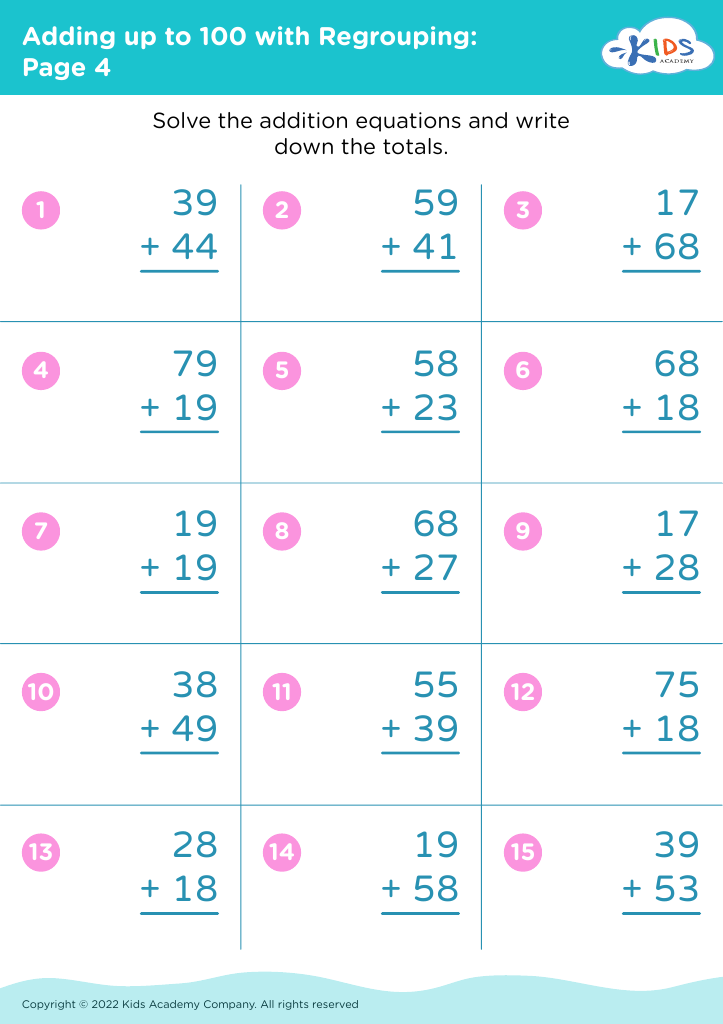
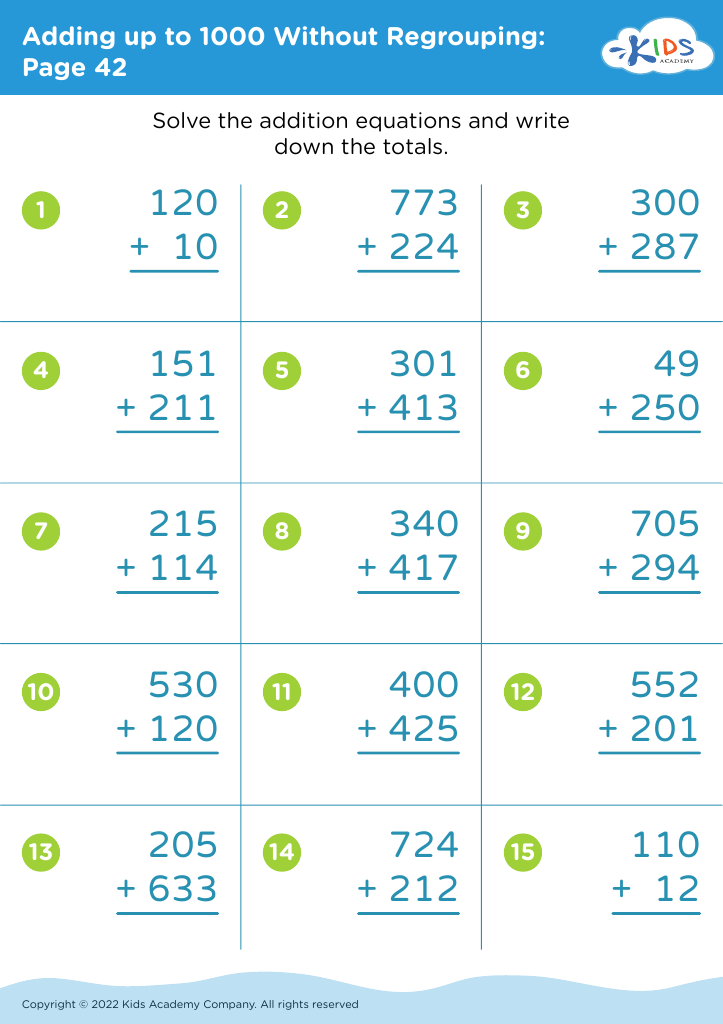
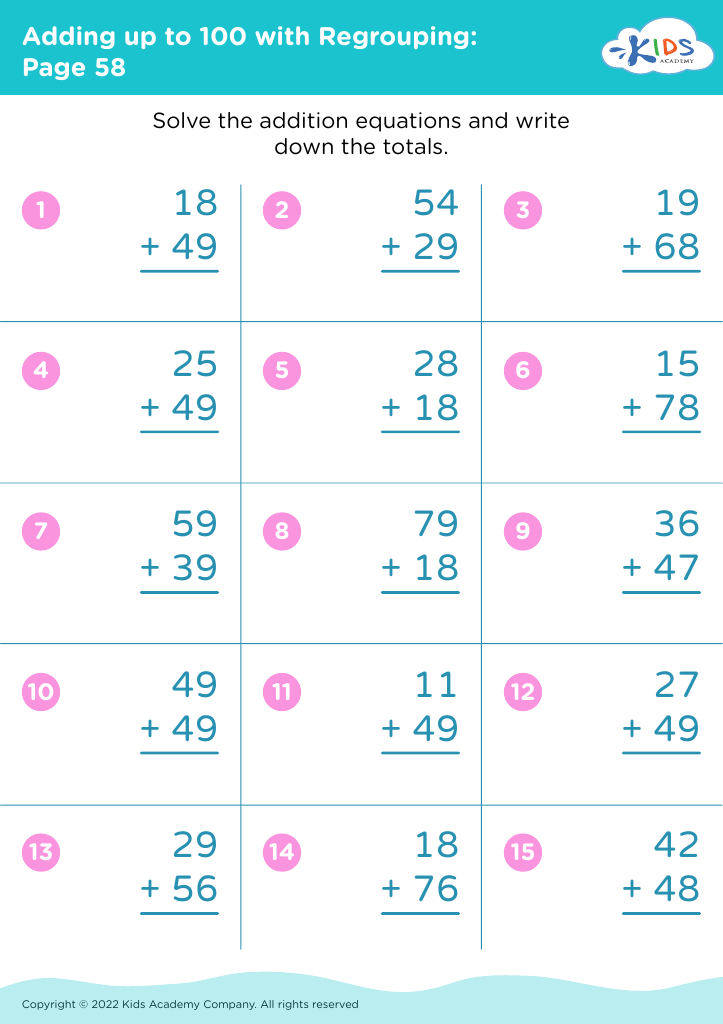
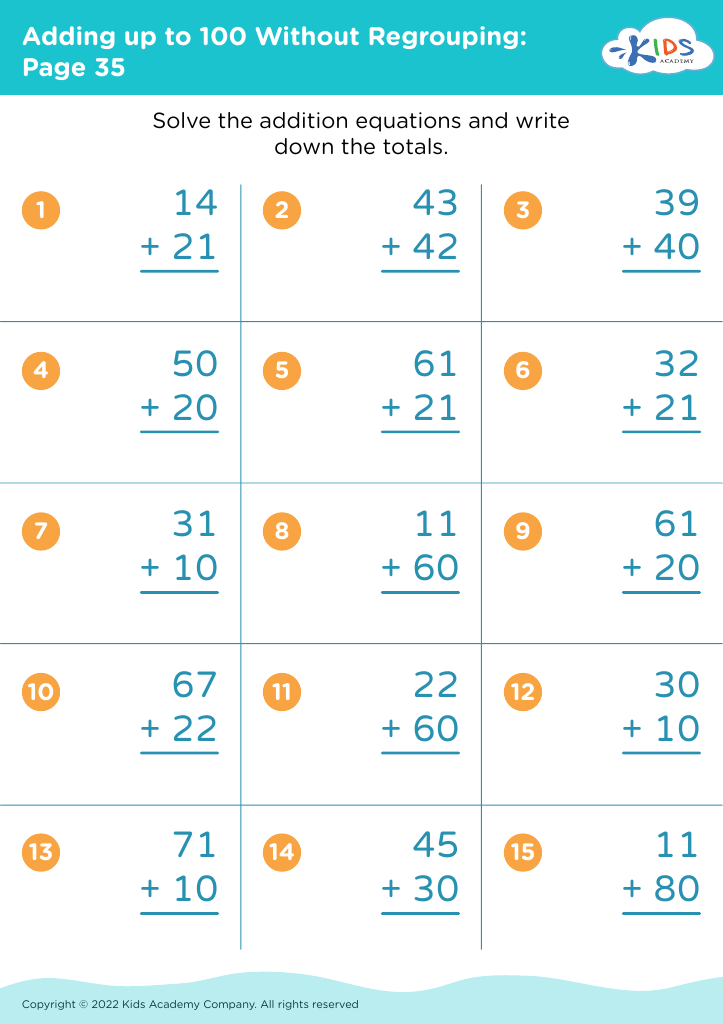
Enhance your child's learning experience with our Vocabulary Building Addition Worksheets, specially designed for ages 4-8. These engaging worksheets integrate math and language skills, helping young learners expand their vocabulary as they practice basic addition. By using fun visuals and relatable examples, children can effortlessly connect words with numbers, fostering a deeper understanding of both vocabulary and math concepts. Ideal for parents and educators, these worksheets not only reinforce mathematical skills but also promote language development. Start your child’s journey to mastery in addition while enriching their language skills today with our dynamic and interactive learning tools!
Favorites
With answer key
Interactive
Join Kids Academy for Free
Who is primarily going to use this learning content?








Vocabulary building is crucial for children ages 4-8, as it lays the foundation for effective communication, reading comprehension, and academic success. At this developmental stage, children's brains are like sponges, eagerly absorbing language. An expanded vocabulary enhances their ability to express thoughts, feelings, and ideas, fostering self-confidence in their speech and writing. Parents and teachers should prioritize vocabulary development to encourage a love of language, which is essential for lifelong learning.
Additionally, a rich vocabulary supports literacy skills. As children encounter new words in stories and everyday interactions, they gain the tools necessary to understand and engage with texts, paving the way for improved reading comprehension. This, in turn, can positively impact their performance across all subjects in school.
Furthermore, vocabulary building promotes social interactions. Children learn to communicate more effectively with peers, enhance their storytelling abilities, and engage in meaningful conversations. This improves social skills and emotional intelligence.
Ultimately, investing time in vocabulary activities not only nurtures language development but also equips children with essential skills that benefit their academic journey and personal growth. Therefore, parents and teachers alike should prioritize vocabulary addition to create confident, competent communicators.








