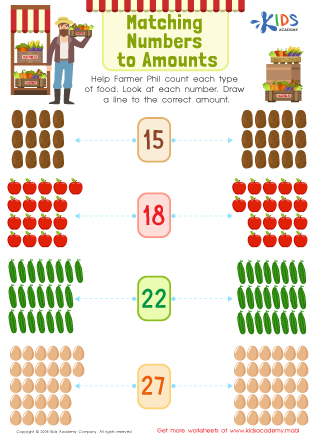
Counting skills Comparing Numbers Worksheets for Ages 4-8
6 filtered results
-
From - To
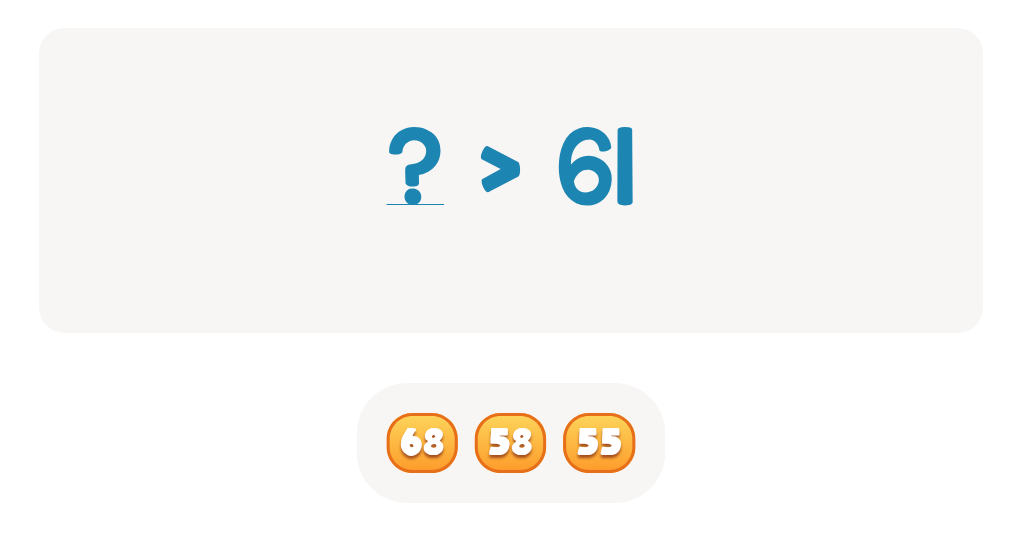
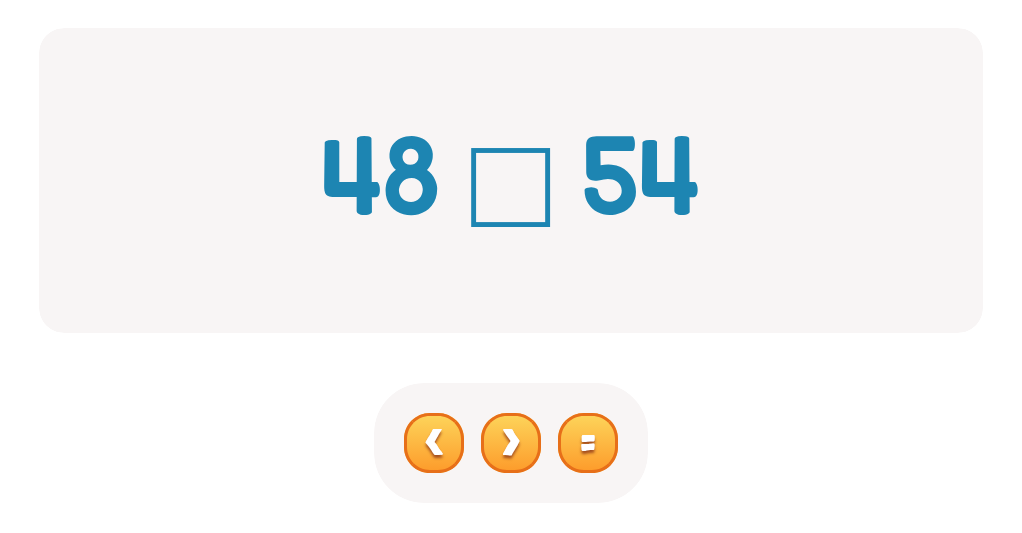
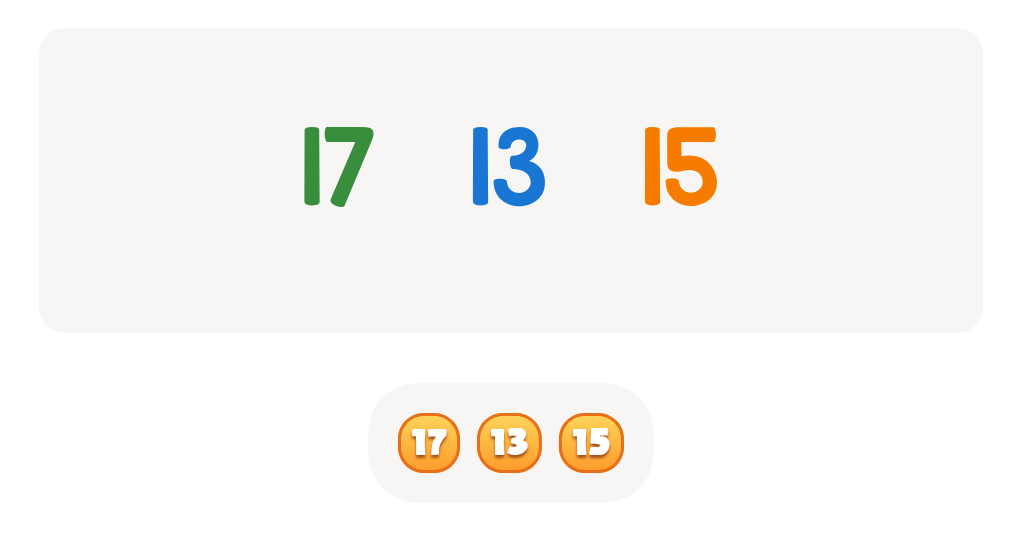
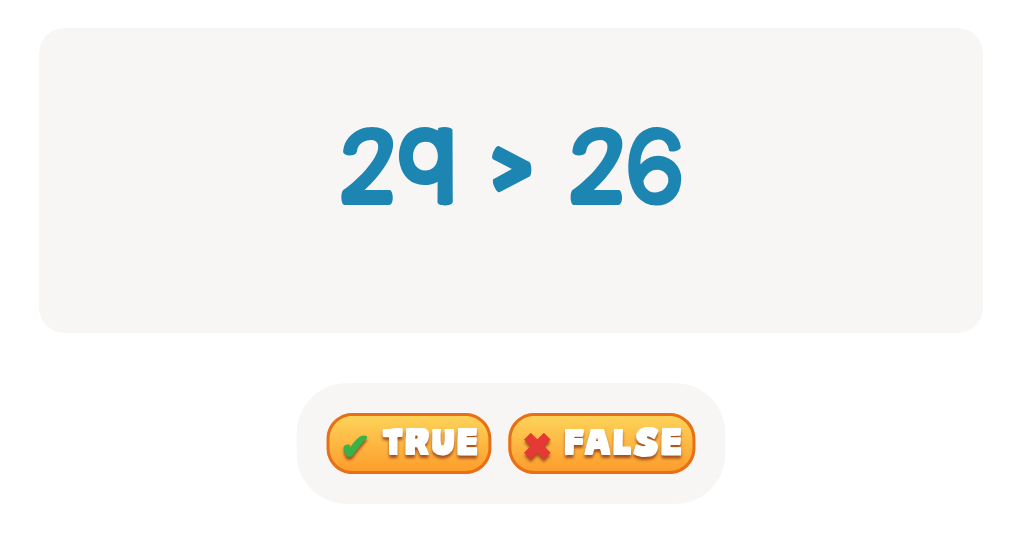
Enhance your child's counting skills with our comprehensive Comparing Numbers Worksheets designed for ages 4-8. Perfectly tailored to develop numerical understanding, these engaging worksheets make learning fun and interactive. Our activities help young learners grasp the concept of comparing numbers, fostering critical thinking and problem-solving abilities. Ideal for preschool to 2nd grade, each colorful and easy-to-follow worksheet encourages practice and boosts confidence in math fundamentals. Ideal for both classroom use and home practice, our printable worksheets are a valuable resource in preparing your child for academic success. Download now to watch your child excel in counting and number comparison!
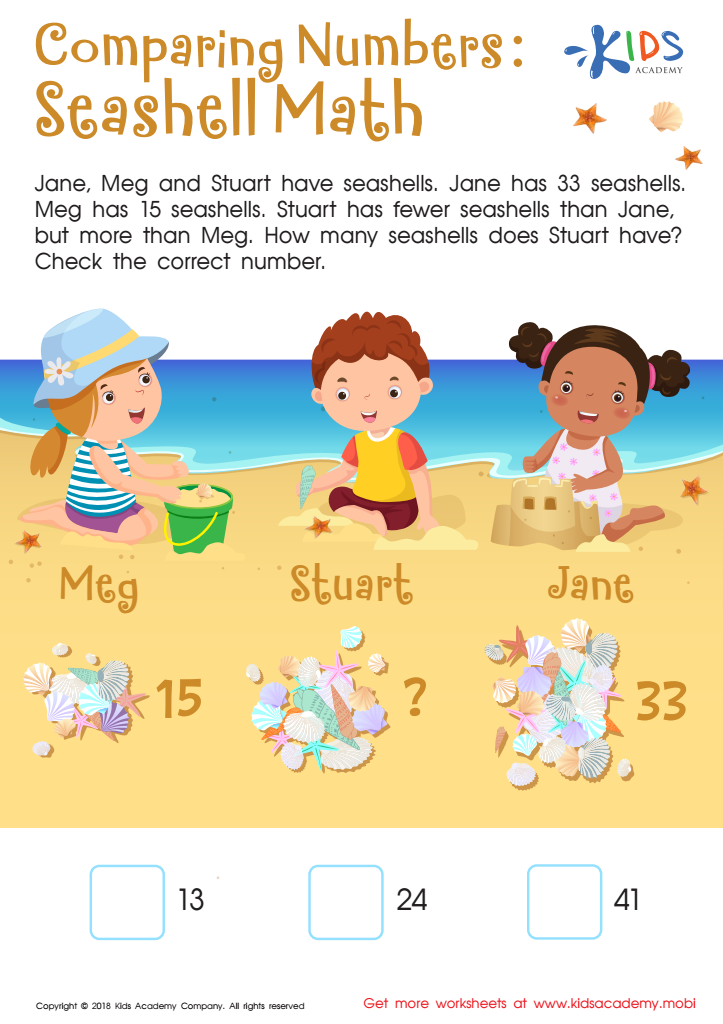
Seashell Collectors Worksheet
 Assign to My Students
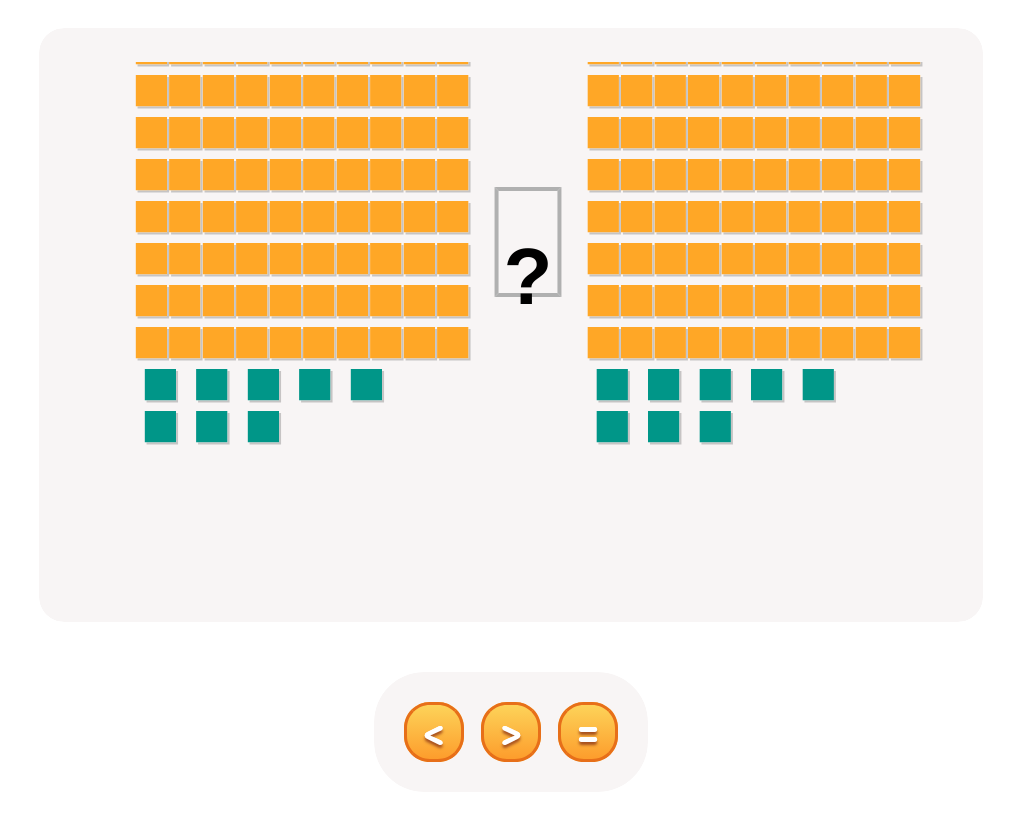

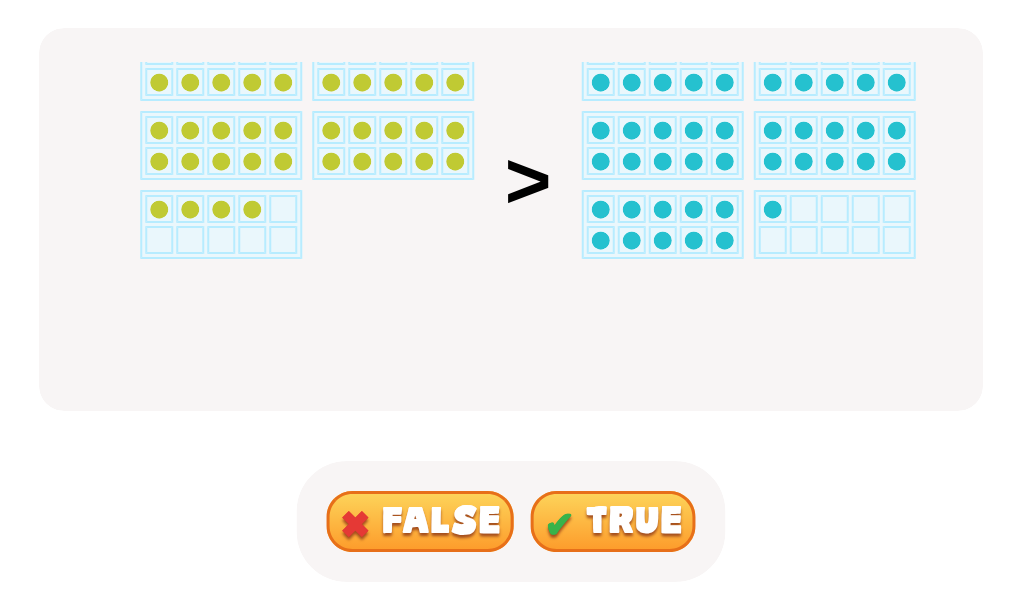
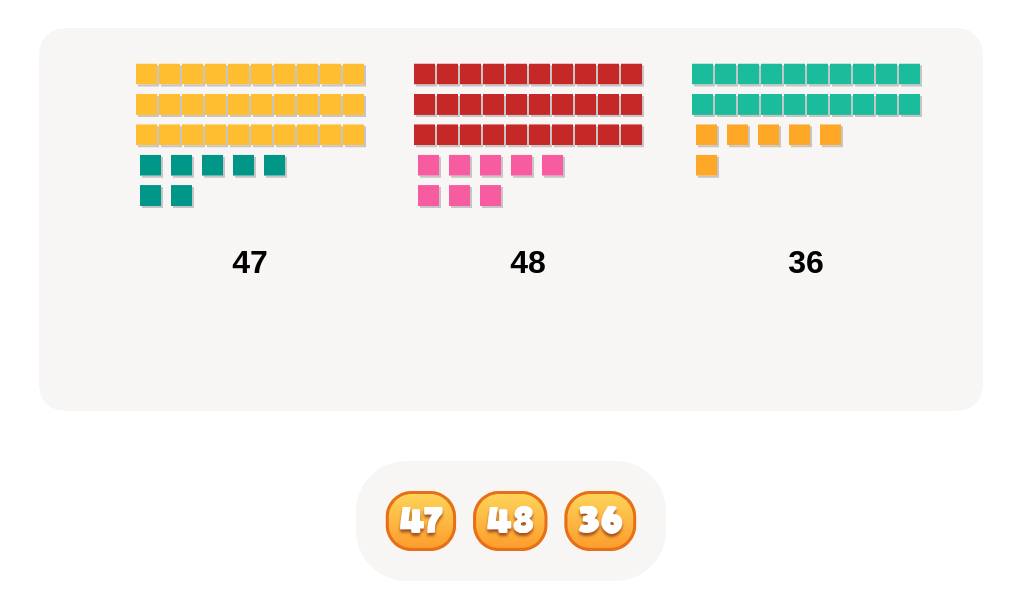
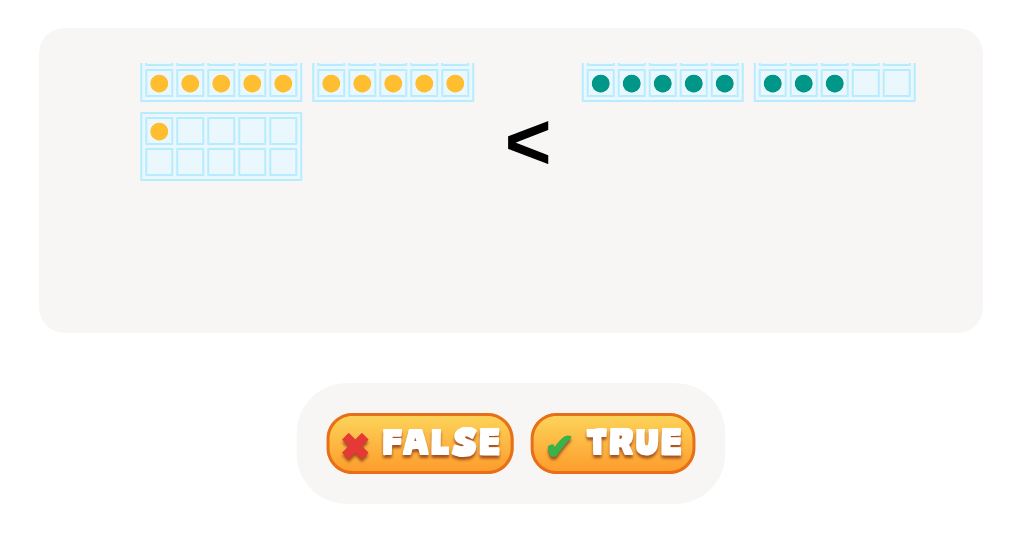
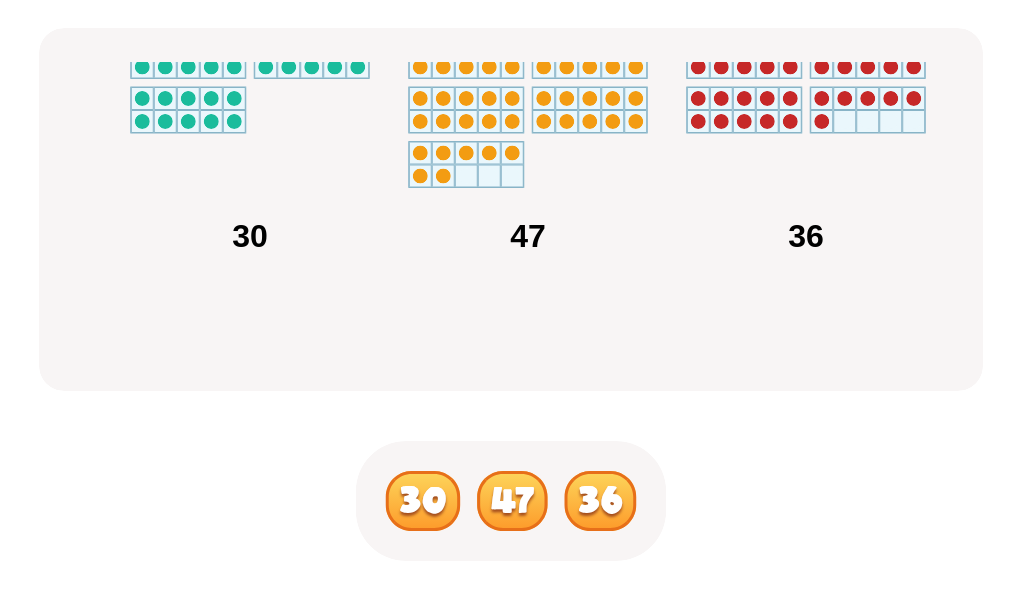
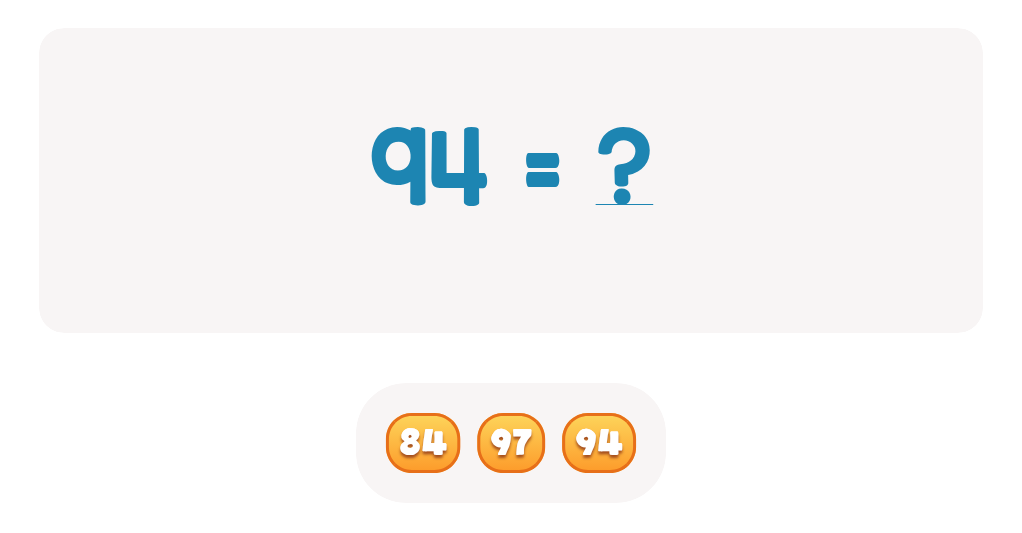
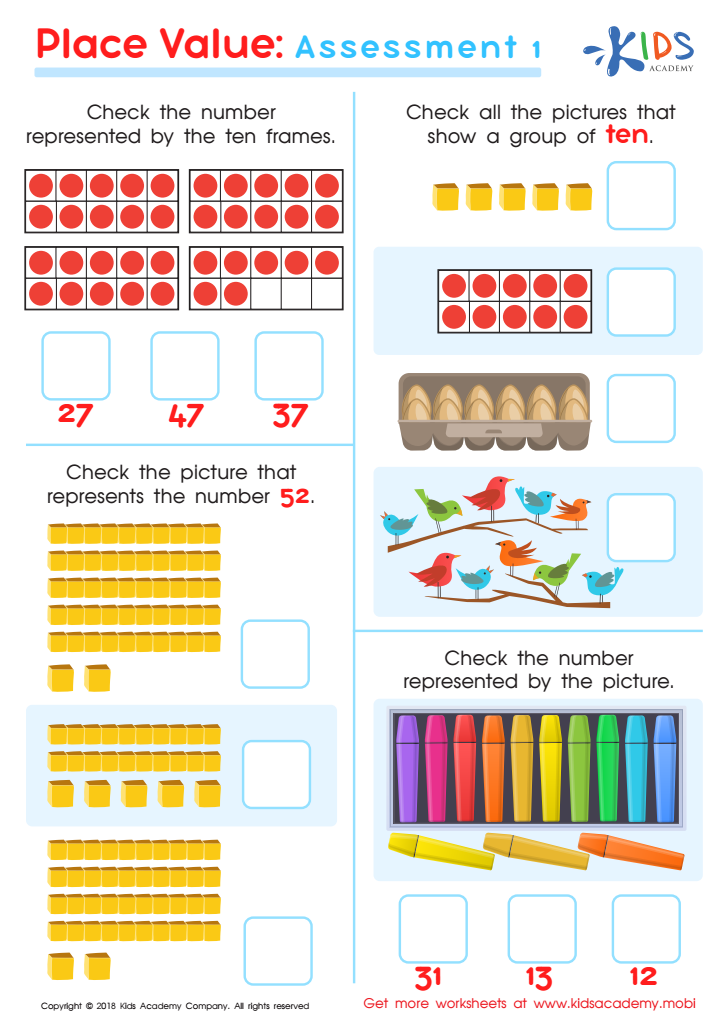
Place Value: Assessment 1 Worksheet
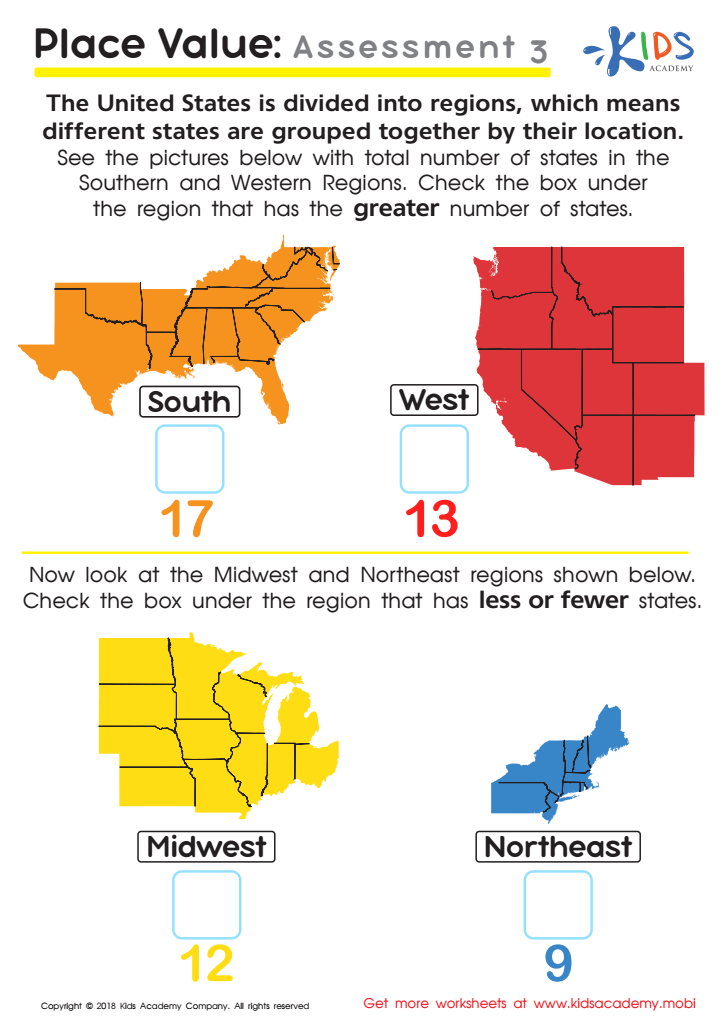
Place Value: Assessment 3 Worksheet
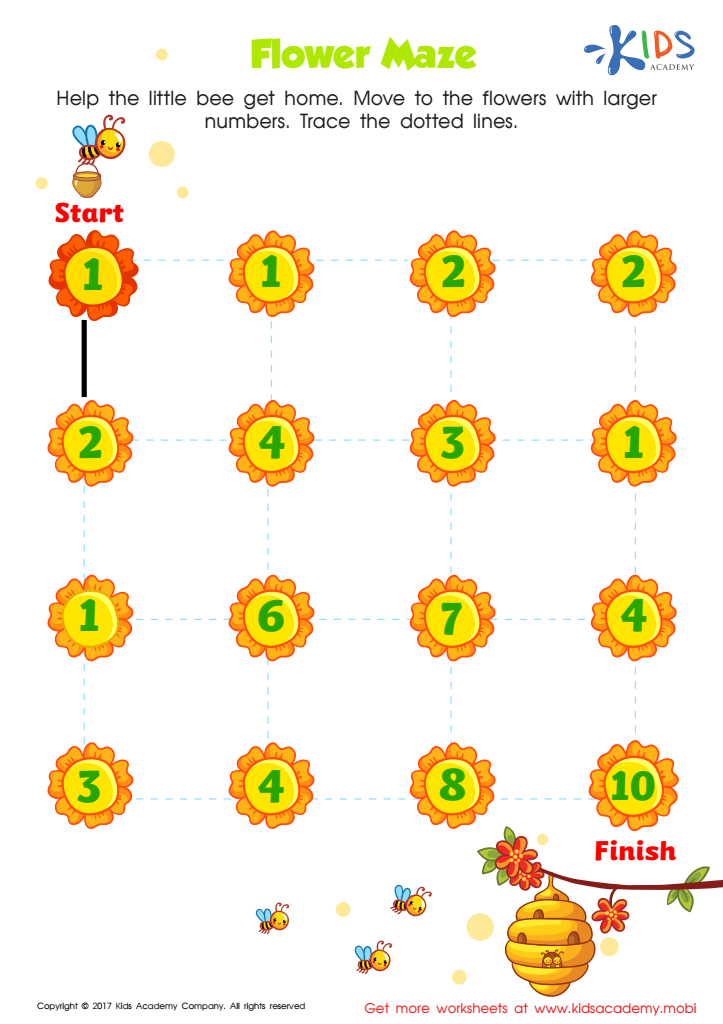
Number Maze For Kindergarten Printable
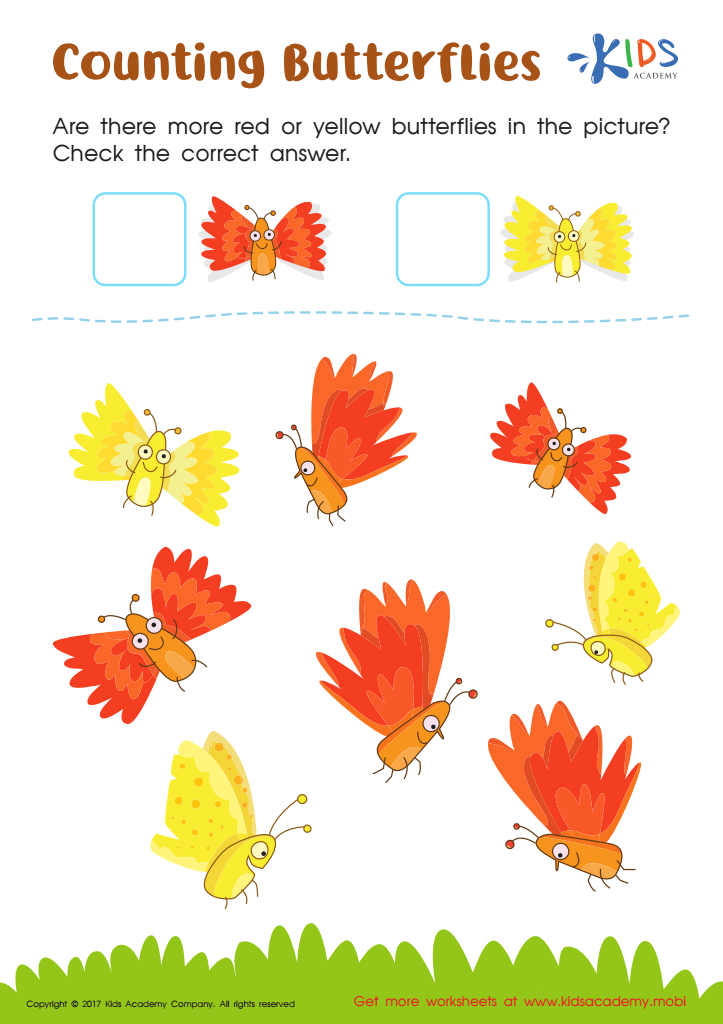
Counting Butterflies Worksheet
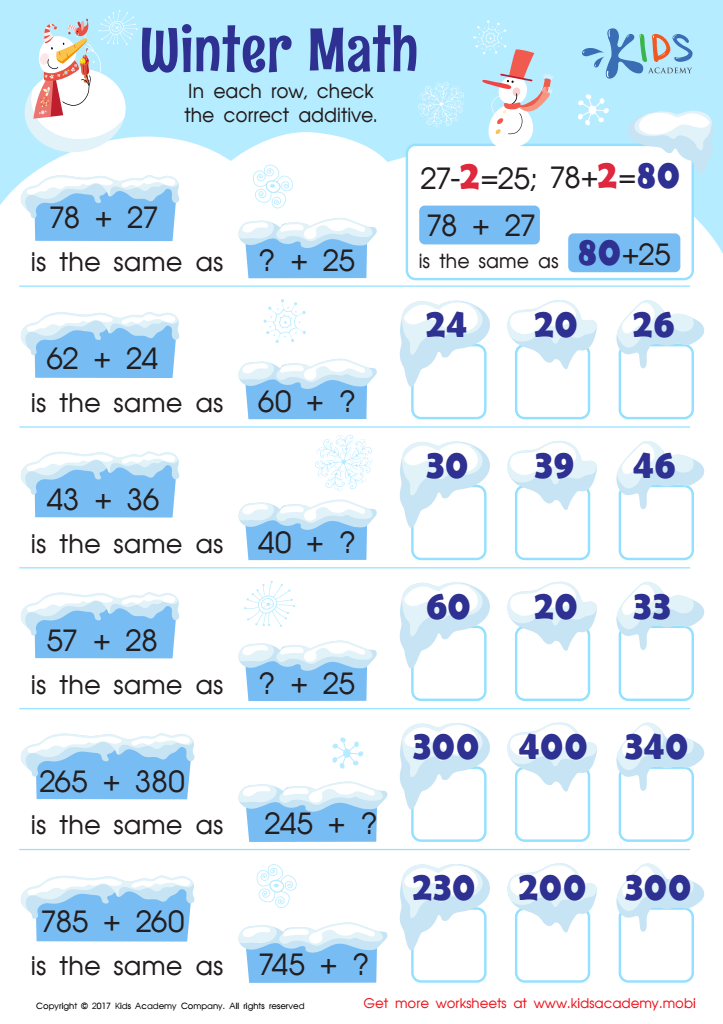
Free Addition Worksheet








Parents and teachers should prioritize developing counting skills and the ability to compare numbers in children ages 4-8 because these competencies lay the foundation for essential mathematical understanding. During early childhood, numerical cognition is burgeoning, and fostering these skills during this formative period promotes better numeracy, a crucial predictor of later academic success.
Counting teaches children about number sequencing, quantity-value relationships, and one-to-one correspondence, which underpins all arithmetic operations. It builds memory, attention, and logical thinking critical for problem-solving. On the other hand, comparing numbers enhances children’s understanding of quantity relationships, fostering skills in estimation, measurement, and patterns recognition. This also contributes beyond math; it aids cognitive development, helping children make informed judgments in various contexts.
Moreover, early proficiency in these areas boosts confidence and reduces anxiety related to mathematics. Parents and teachers' support and the incorporation of fun, interactive activities encourage positive attitudes towards learning. Thus, emphasizing counting and number comparison equips children with tools necessary for both immediate educational tasks and long-term intellectual endeavors, ultimately fostering well-rounded, capable individuals.