Understanding skip-counting Counting Worksheets for Ages 4-8
3 filtered results
-
From - To
Explore our engaging skip-counting worksheets designed for children ages 4-8! These interactive activities help young learners grasp the essential concept of skip counting, building a strong foundation in math. Skip counting not only enhances number recognition but also supports addition and pattern analysis skills. Our worksheets feature fun themes and colorful images to capture children’s attention while learning. Ideal for both home and classroom settings, these resources encourage independent practice and make math enjoyable. Help your child develop confidence as they master skip counting through repetition, visual aids, and creative exercises that stimulate growth in early numeracy skills. Start learning today!
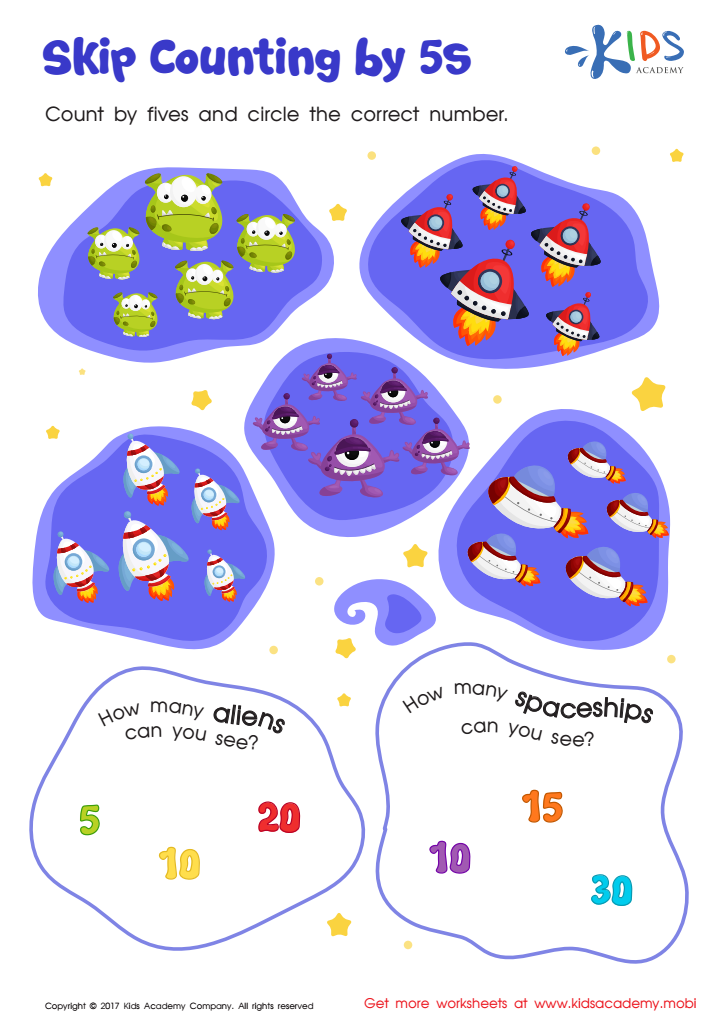
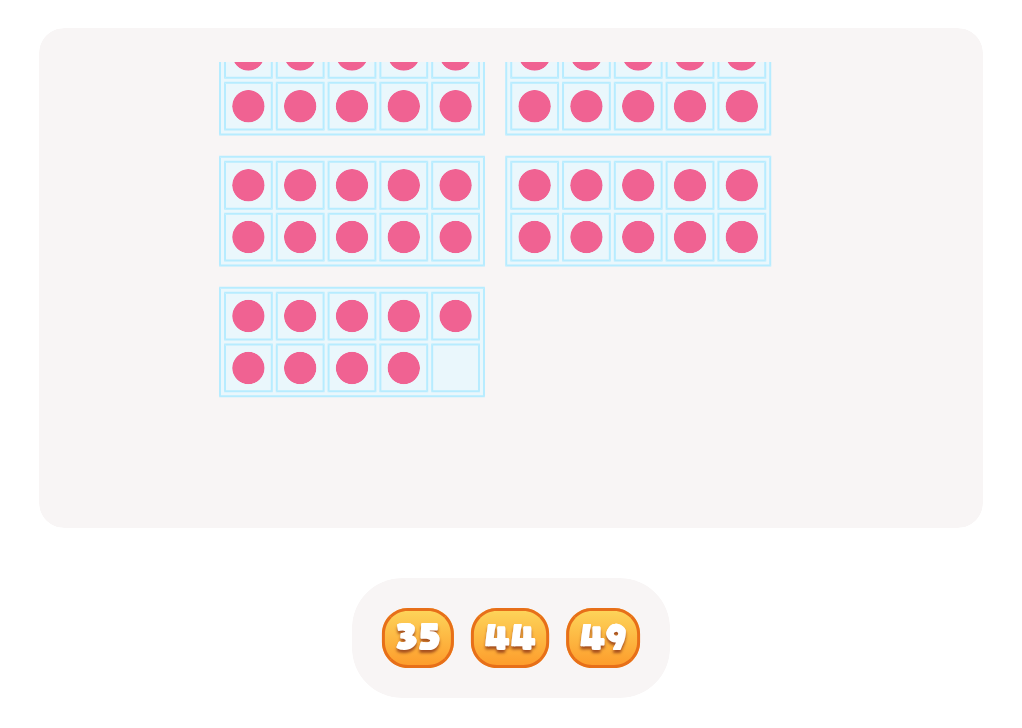
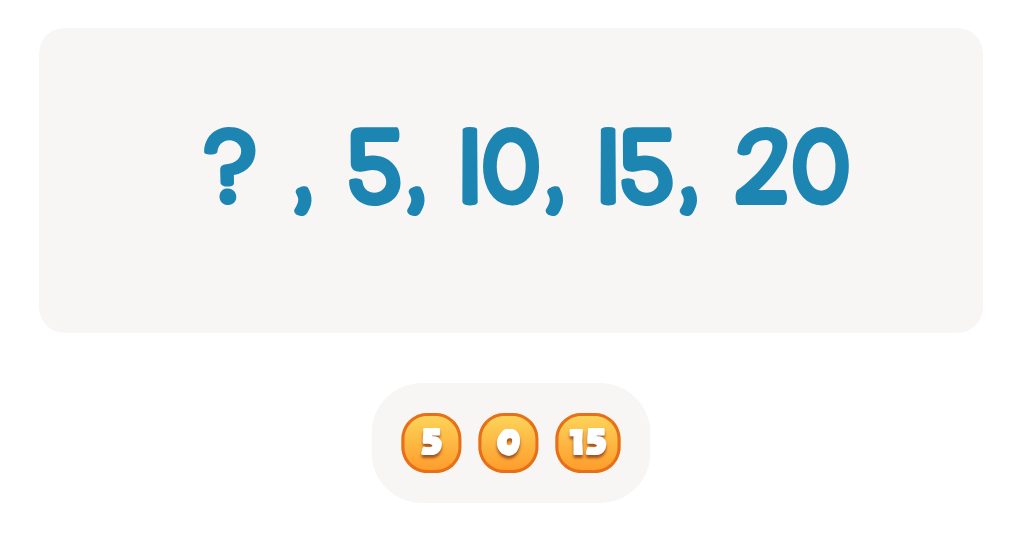
Skip Counting by 5s: Aliens and Spaceships Printable
 Assign to My Students



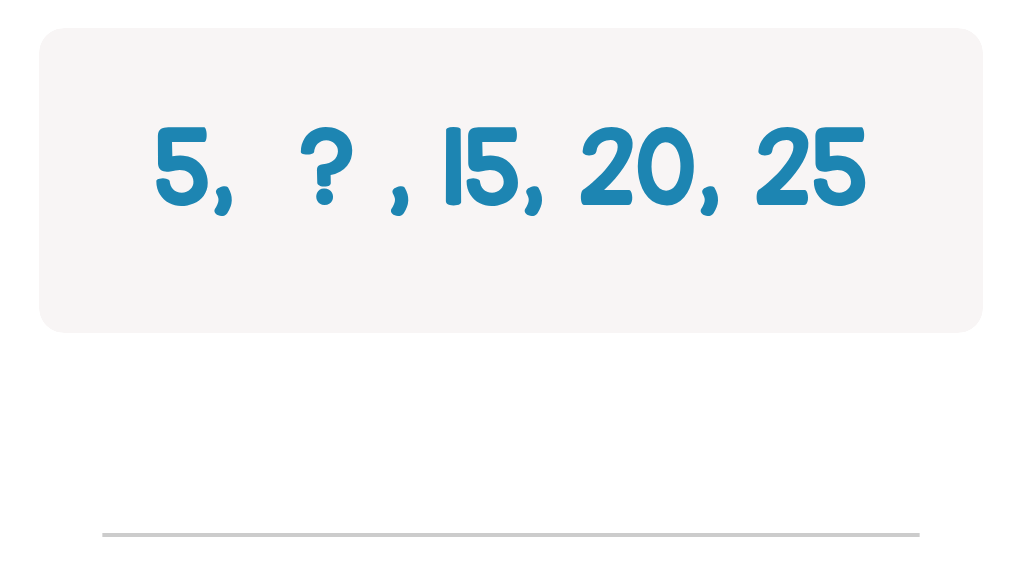
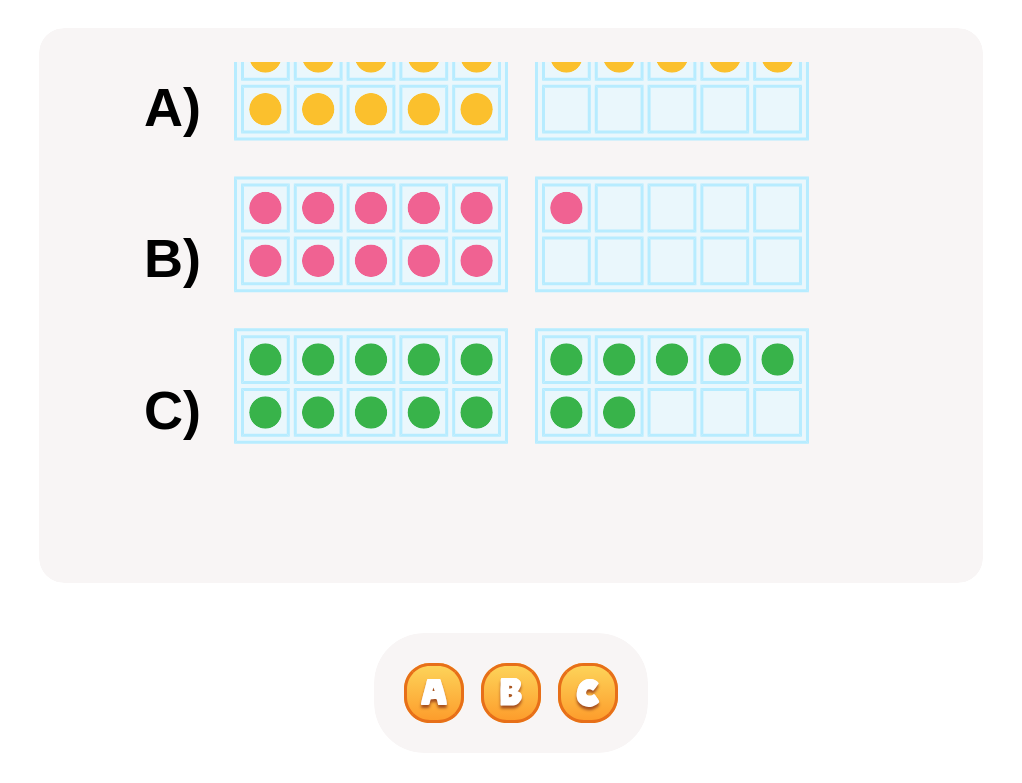


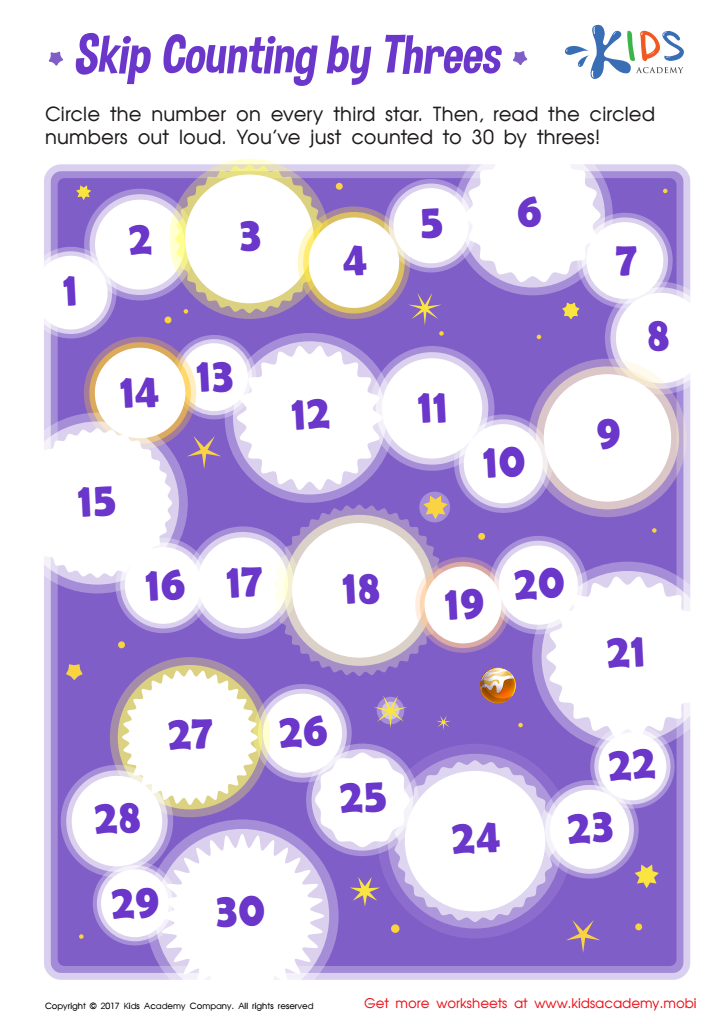
Skip Counting By Three Printable
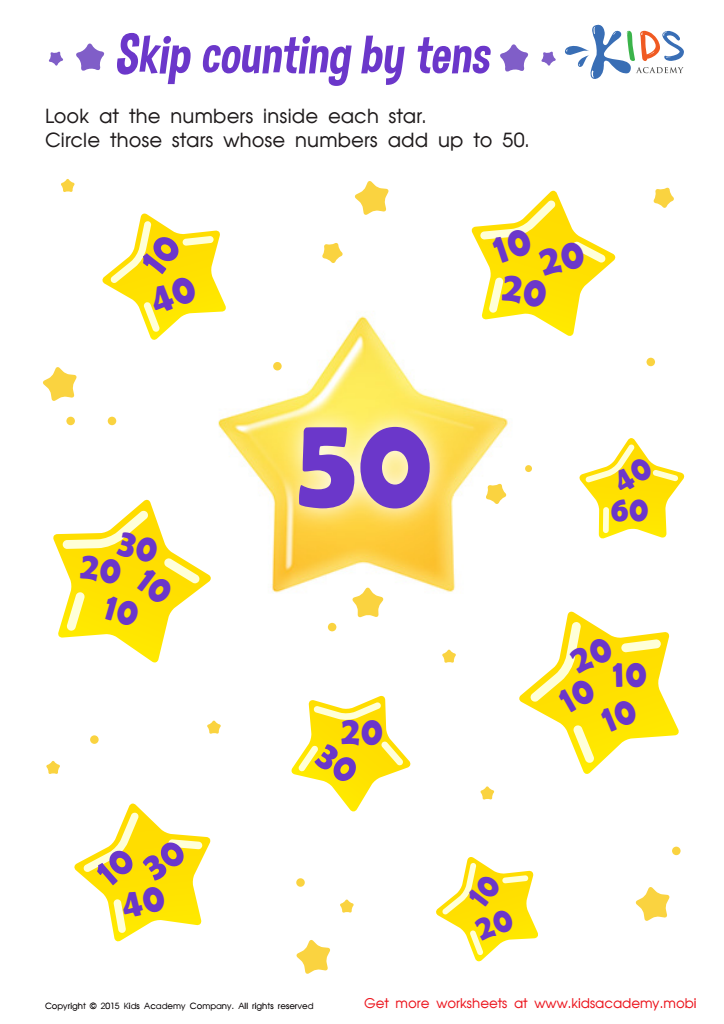
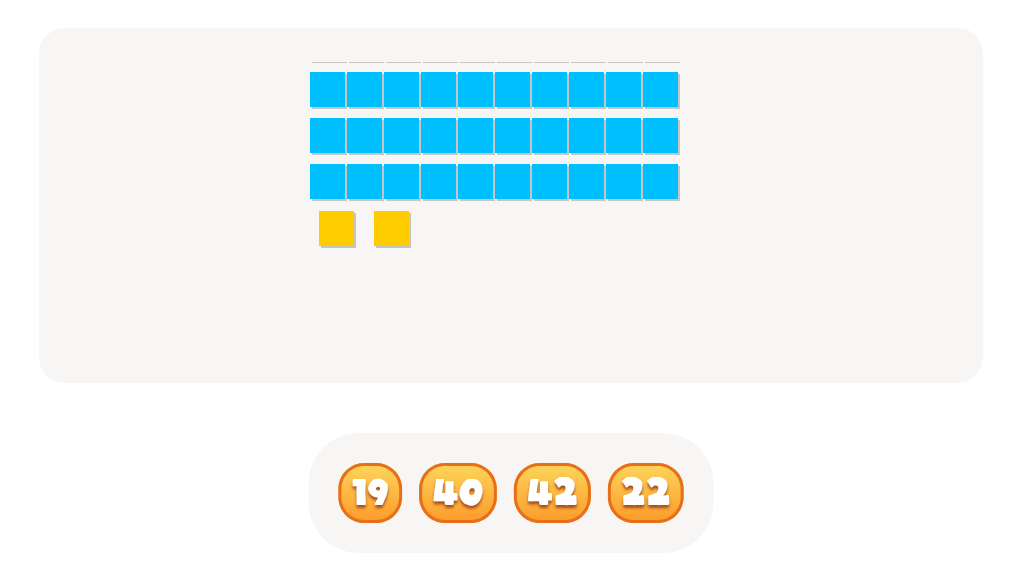
Learn Dozens: Skip Counting by Tens Printable




.jpg)



Understanding skip counting is a fundamental skill that supports early mathematical development for children aged 4-8. Parents and teachers should prioritize this concept because it enhances students' number sense, laying a strong foundation for future mathematics learning. Skip counting involves counting by numbers other than one, such as twos, fives, or tens, which aids in the comprehension of more complex mathematical operations including addition, subtraction, multiplication, and even division.
Skip counting also fosters pattern recognition, encouraging children to identify and understand numerical relationships. This skill is pivotal for grasping concepts such as grouping, which is especially important when learning multiplication or working with money. Furthermore, skip counting builds confidence as children learn to identify sequences and predict numbers, thereby fostering problem-solving skills.
Additionally, engaging in skip counting activities promotes cognitive development, fine motor skills, and discussion among peers and caregivers, making learning a social experience. Overall, mastering skip counting equips children with essential tools for academic success, ensuring they are prepared for various math-related challenges ahead in their educational journey. Hence, both parents and teachers play a crucial role in nurturing this important area of early learning.








