Cultural awareness Numbers Worksheets for Ages 4-8
4 filtered results
-
From - To
Our Cultural Awareness Numbers Worksheets for ages 4-8 provide children with a unique and engaging way to learn numbers while celebrating diverse cultures. These worksheets blend numerical skills with fascinating cultural insights from around the world, helping young learners develop both their math abilities and global awareness. Each worksheet features number-focused activities paired with educational facts and illustrations from various cultures, fostering inclusive learning and curiosity in young minds. Perfect for both classroom use and at-home learning, these worksheets introduce young kids to the beauty of diversity while enhancing their numerical proficiency. Start the journey of cultural discovery and numerical mastery today!
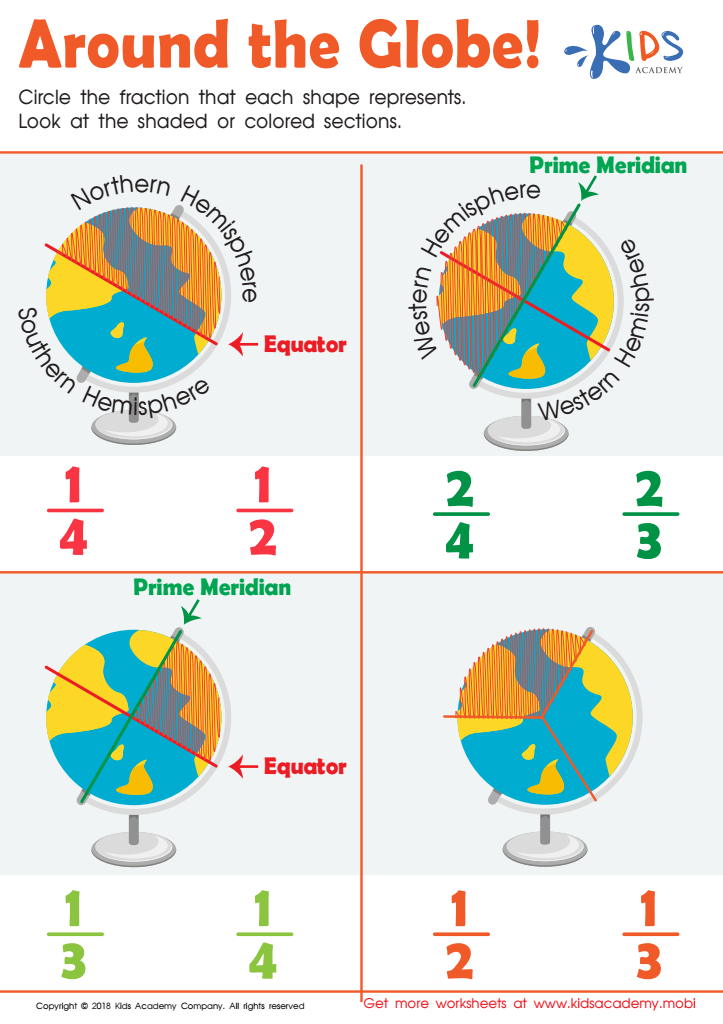
Around the Globe Worksheet
 Assign to My Students
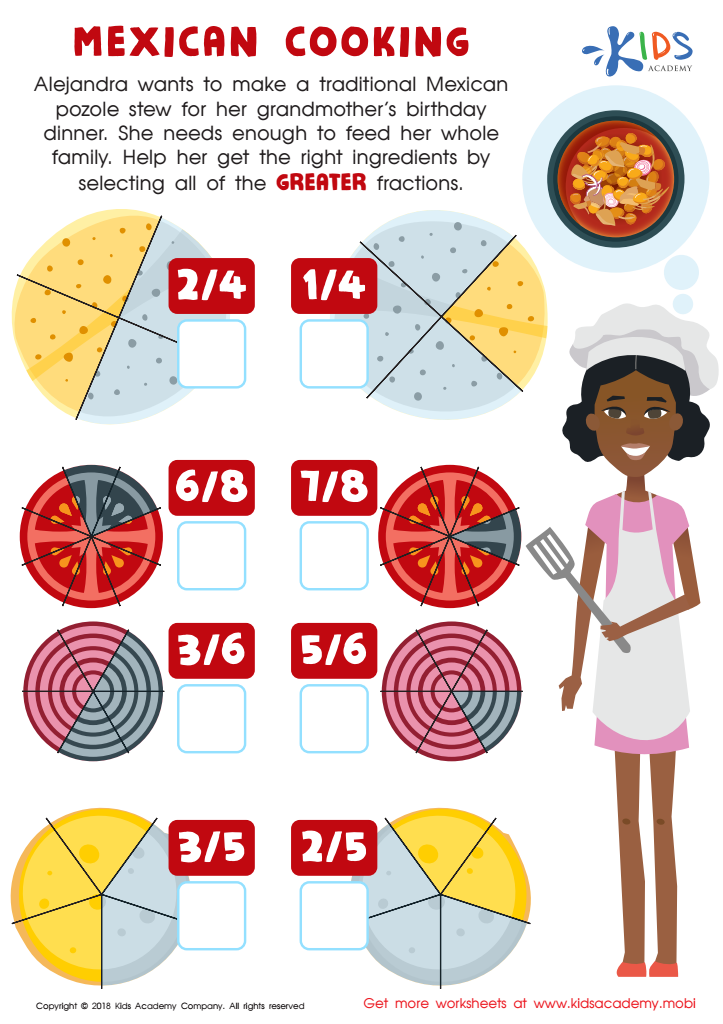
Mexican Cooking Worksheet
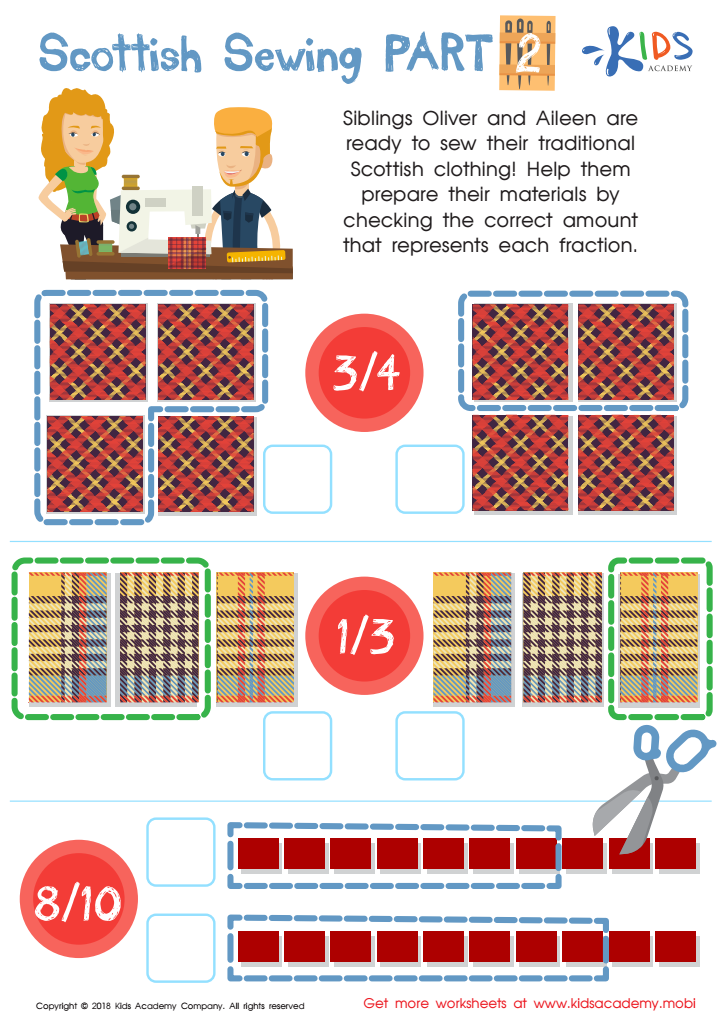
Scottish Sewing Part 2 Worksheet
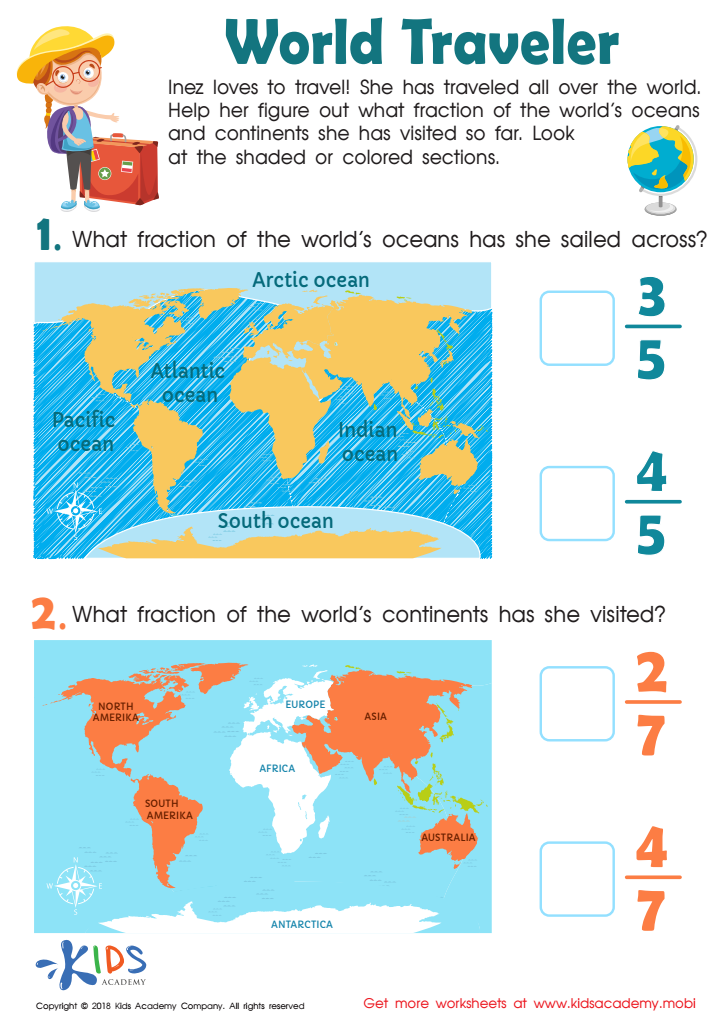
World Traveler Worksheet








Cultural awareness is a crucial component in the developmental stages of children aged 4-8, as it serves as the foundation for fostering empathy, social intelligence, and a global perspective. During these formative years, children are particularly receptive to learning about different cultures and developing inclusive attitudes. For parents and teachers, introducing cultural diversity through activities, stories, food, and celebrations enhances a child’s understanding and respect for others' differences.
Cultural awareness fosters empathy and reduces prejudices. When children learn about different cultures, they begin to understand the similarities and differences that make each culture unique, building compassion and reducing the inclination toward stereotypes. This early exposure sets positive attitudes for future social interactions, where empathy and understanding are crucial.
Moreover, such awareness enhances cognitive and social skills. Learning about various traditions, languages, and values broadens a child's horizons, stimulating curiosity and encouraging critical thinking. It prepares children for a globalized world where cross-cultural interactions are commonplace.
For educators and parents, nurturing cultural awareness creates an inclusive environment that reflects our diverse society, setting a positive tone for lifelong learning and respect. In schools, this awareness helps in creating classrooms where all students feel valued and understood. Hence, prioritizing cultural awareness in the formative years equips children with essential skills for personal growth and societal harmony.








