Hand-eye Coordination Numbers Worksheets for Ages 4-8 - Page 2
27 filtered results
-
From - To
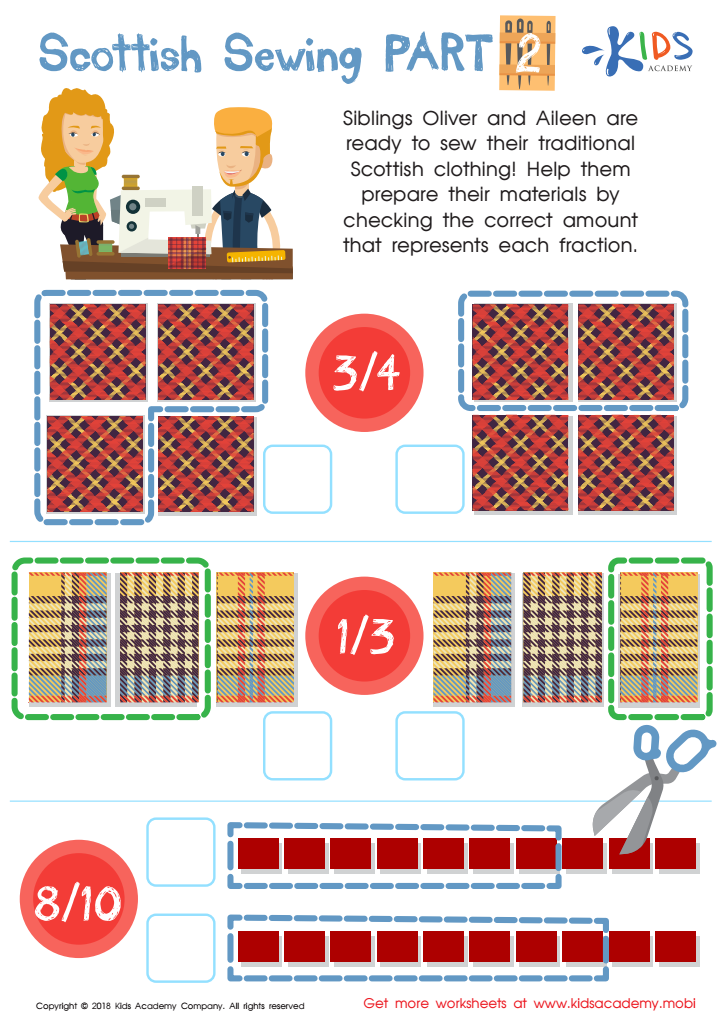
Scottish Sewing Part 2 Worksheet
 Assign to My Students
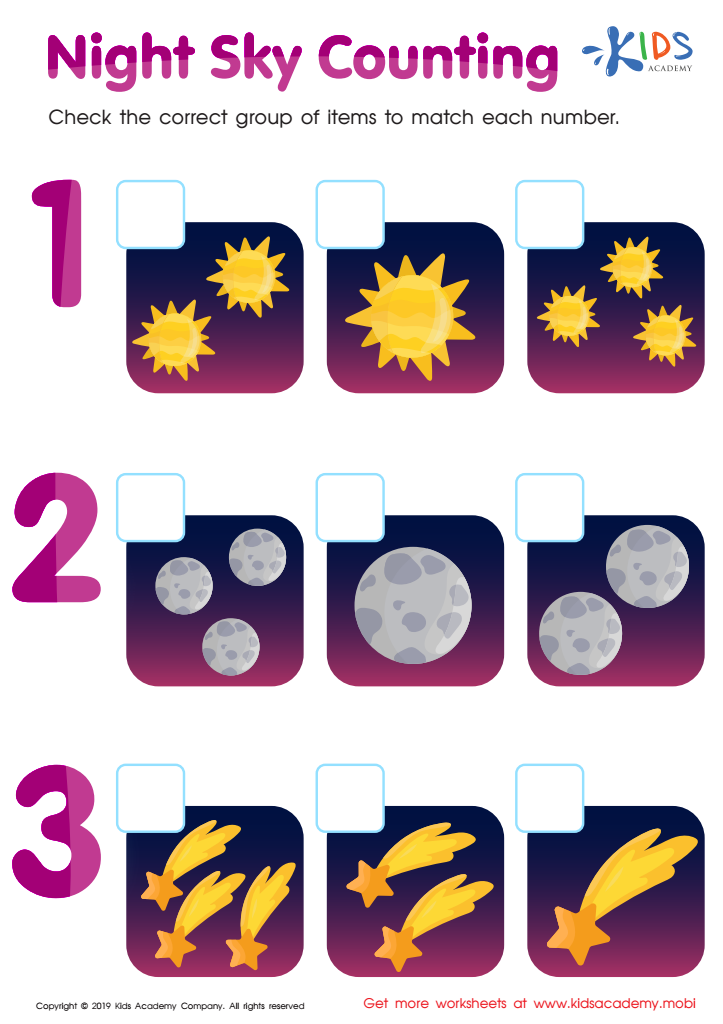
Night Sky Counting Worksheet
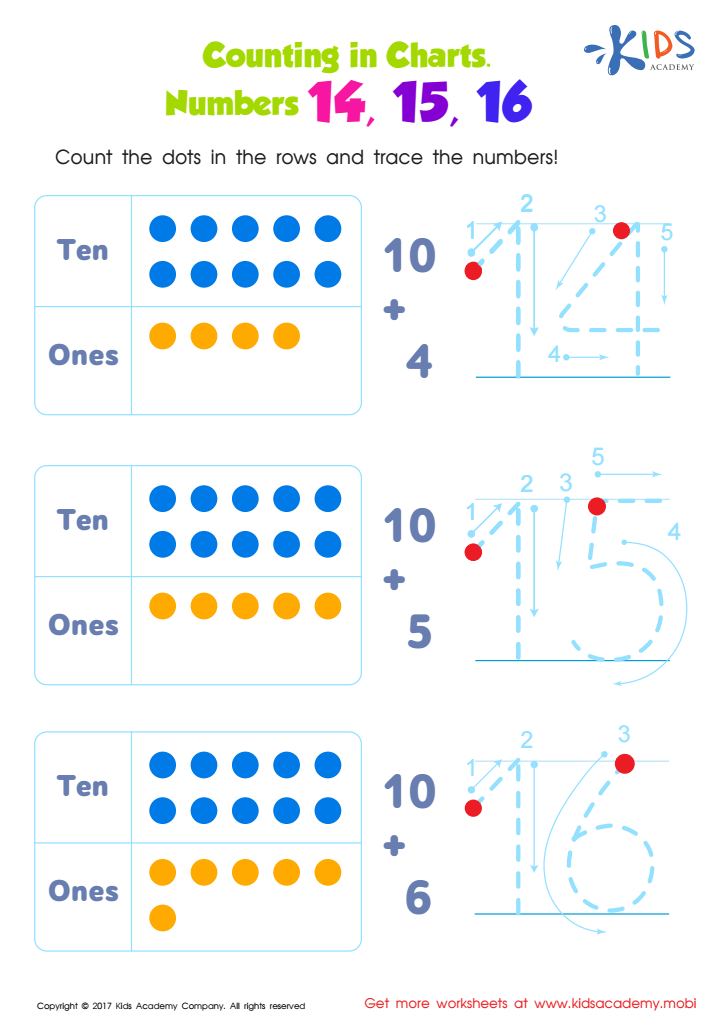
Number Tracing Worksheet


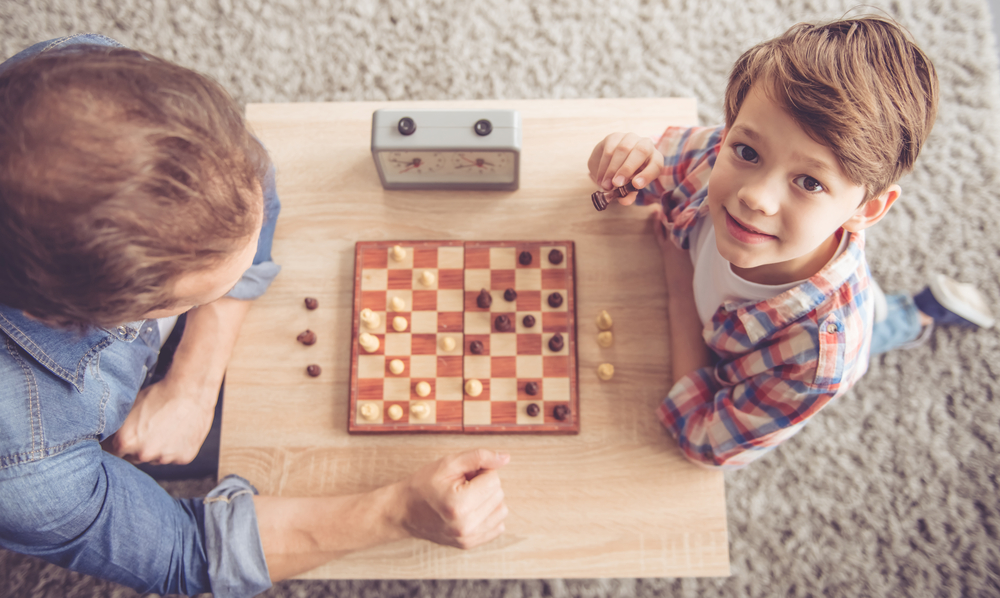





Hand-eye coordination is the synchronized control of eye movement with hand movement, and it is essential for many everyday tasks. For children aged 4-8, developing strong hand-eye coordination is a critical aspect of their physical and cognitive growth. Parents and teachers should be particularly attentive to this skill for various reasons.
Firstly, hand-eye coordination is fundamental for academic tasks, especially those involving writing, drawing, and using scissors. Mastery of such tasks can improve a child's confidence and enthusiasm for school activities. Secondly, well-developed hand-eye coordination supports fine motor skills—movements of small muscles in hands and fingers crucial for buttoning, tying shoelaces, and feeding themselves. These skills foster independence and self-care.
Moreover, hand-eye coordination is essential for many physical activities and sports. Basic actions such as catching a ball, riding a bike, or climbing promote a healthy lifestyle and encourage teamwork and social interaction. Children who excel in these areas are often more active, helping to combat sedentary behaviors and related health issues.
Finally, enhancing hand-eye coordination contributes to cognitive development. The coordination required for puzzle-building and block-stacking nurtures problem-solving abilities, spatial awareness, and executive functions. Understanding this underlines its significance: Parents and teachers can support children's all-round development by fostering hand-eye coordination through various fun, engaging activities.








