Analytical thinking Math Worksheets for Ages 4-8
5 filtered results
-
From - To
Discover our engaging Analytical Thinking Math Worksheets for ages 4-8, designed to nurture critical thinking and problem-solving skills in young learners. These printable worksheets from Kids Academy use fun, interactive activities to help children understand basic math concepts, patterns, and logical reasoning, fostering a love for learning. Perfect for both classroom and at-home practice, our age-appropriate exercises support early math development. Empower your child's analytical abilities and boost their confidence with our effective and enjoyable resources. Unlock their potential today with Kids Academy's premium educational tools!

The 5 Sense Scientist Worksheet
 Assign to My Students
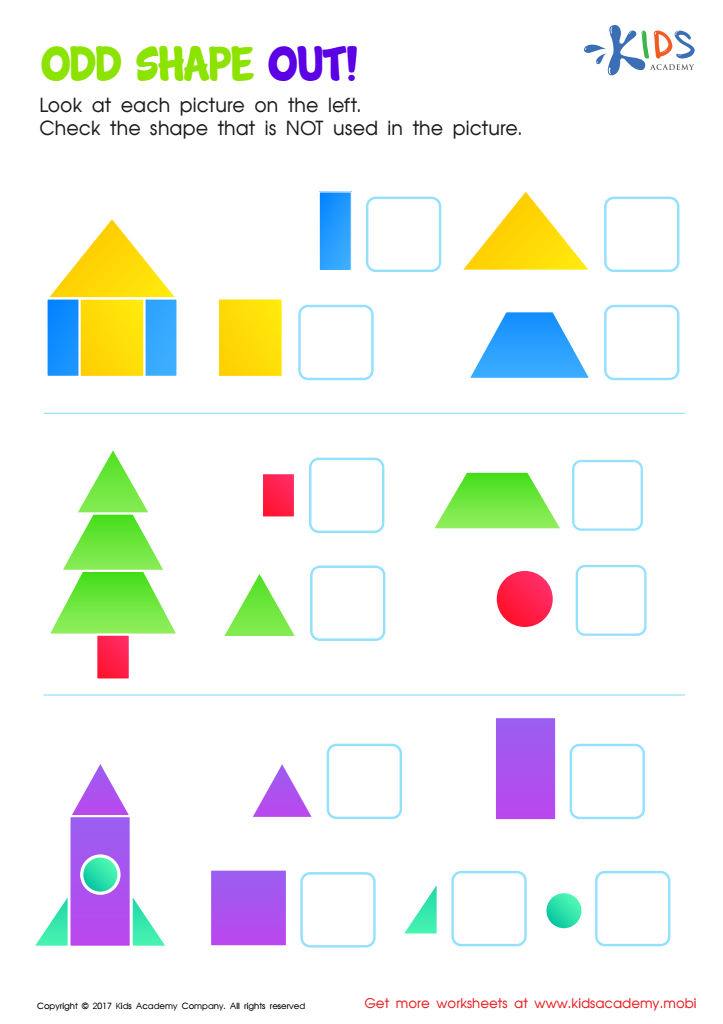
Odd Shape Out Worksheet for Grade 1
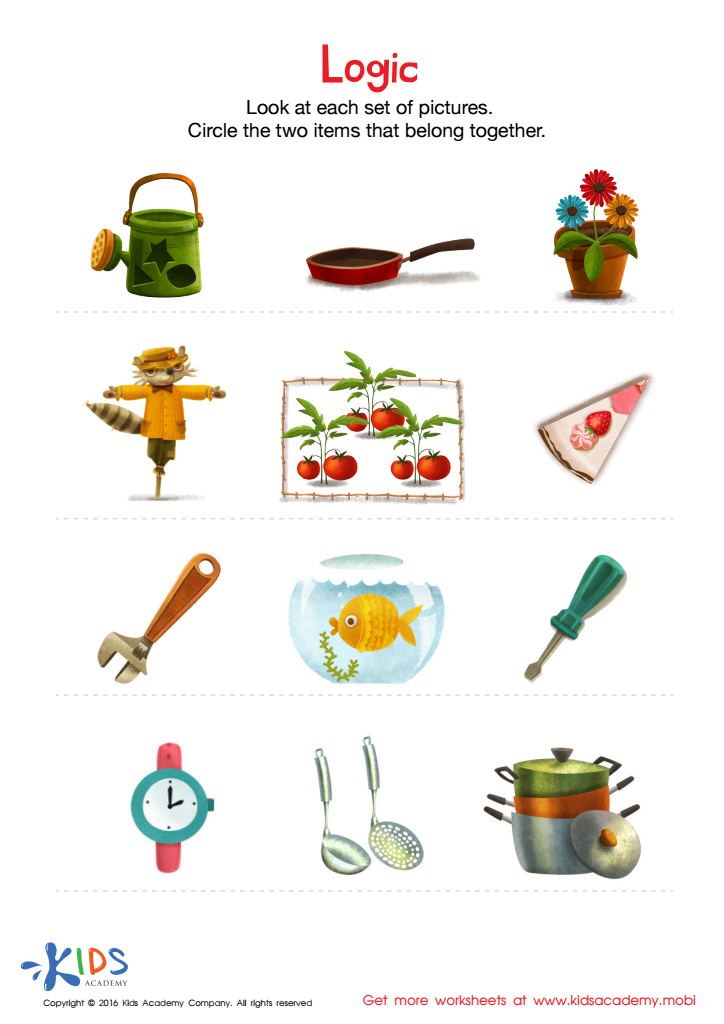
Logic Game Sorting Worksheet

After School Time Printable
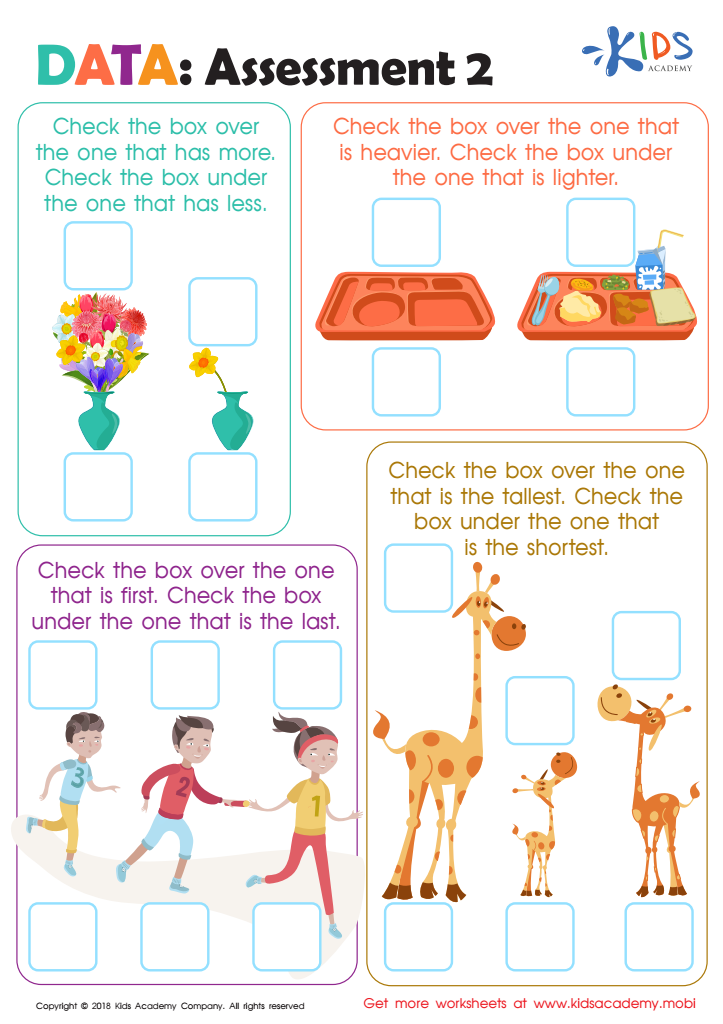
Data: Assessment 2 Worksheet





.jpg)


Analytical thinking in math for children ages 4-8 is fundamental as it sets the groundwork for lifelong learning and problem-solving abilities. During this critical developmental stage, introducing analytical skills helps young minds understand patterns, relationships, and logical sequences. This understanding goes beyond simple arithmetic and fosters critical thinking, enabling children to dissect problems and identify solutions, a skill applicable across all areas of life.
Engaging children in analytical thinking ensures they grasp core mathematical concepts effectively, leading to a stronger confidence in their abilities and a positive attitude towards learning. Research shows that early exposure to analytical thinking enhances cognitive development, encouraging curiosity and creativity. For parents and teachers, fostering these skills means supporting children in becoming independent thinkers who can approach complex problems with structured reasoning.
Additionally, these early math experiences often directly correlate with future academic success. Children who develop strong analytical thinking skills in early grades are better prepared for higher-level math and other analytical subjects, contributing to improved educational outcomes. Thus, dedicating time to nurture these abilities is key in promoting a well-rounded, intellectually empowered child capable of thriving in an ever-evolving, complex world.








