
Arithmetic practice Math Worksheets for Ages 4-8
4 filtered results
Difficulty Level
Grade
Age
-
From - To
Subject
Activity
Standards
Enhance your child's arithmetic skills with engaging math worksheets designed for ages 4-8. Our meticulously curated collection at Kids Academy helps young learners develop a solid numerical foundation through fun and interactive activities. Covering essential arithmetic skills such as addition, subtraction, and number recognition, these printables make learning enjoyable. Perfect for at-home or classroom use, our worksheets cater to various learning styles, ensuring your child stays motivated and confidence grows. Equip your child for academic success with Kids Academy's Arithmetic Practice Math Worksheets. Join us in making math fun and effective!
Favorites
With answer key
Interactive
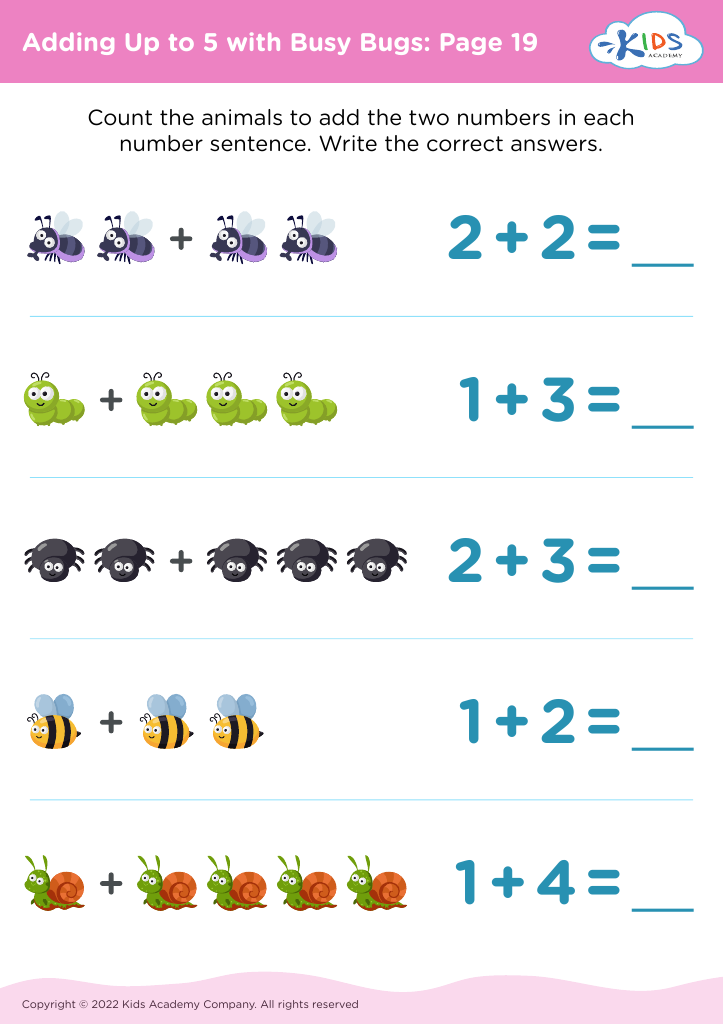
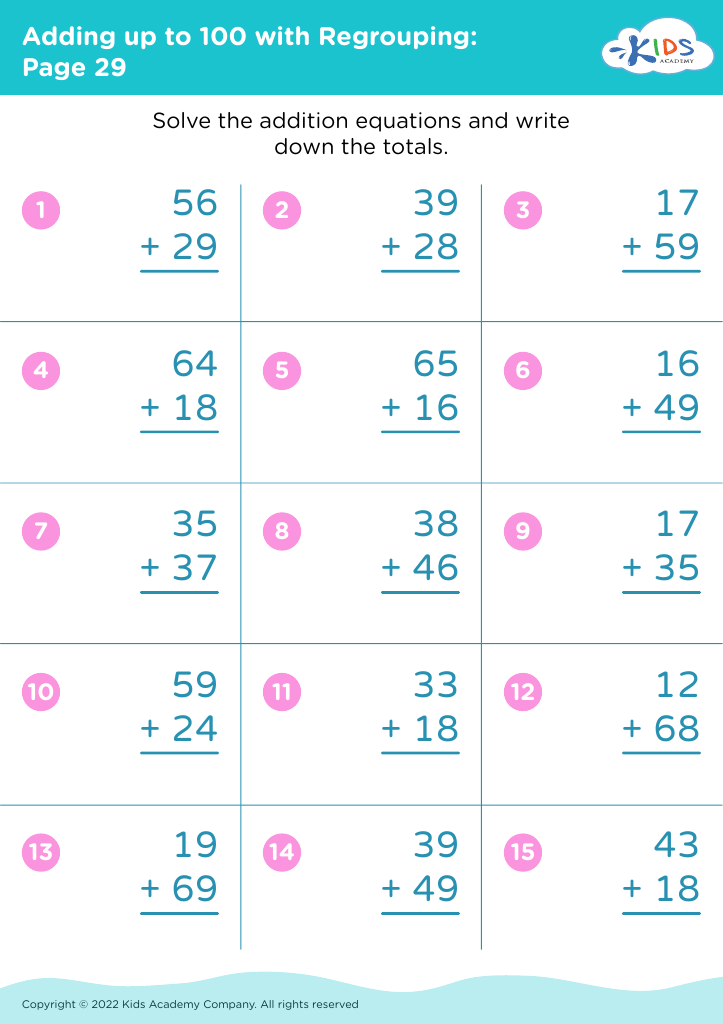
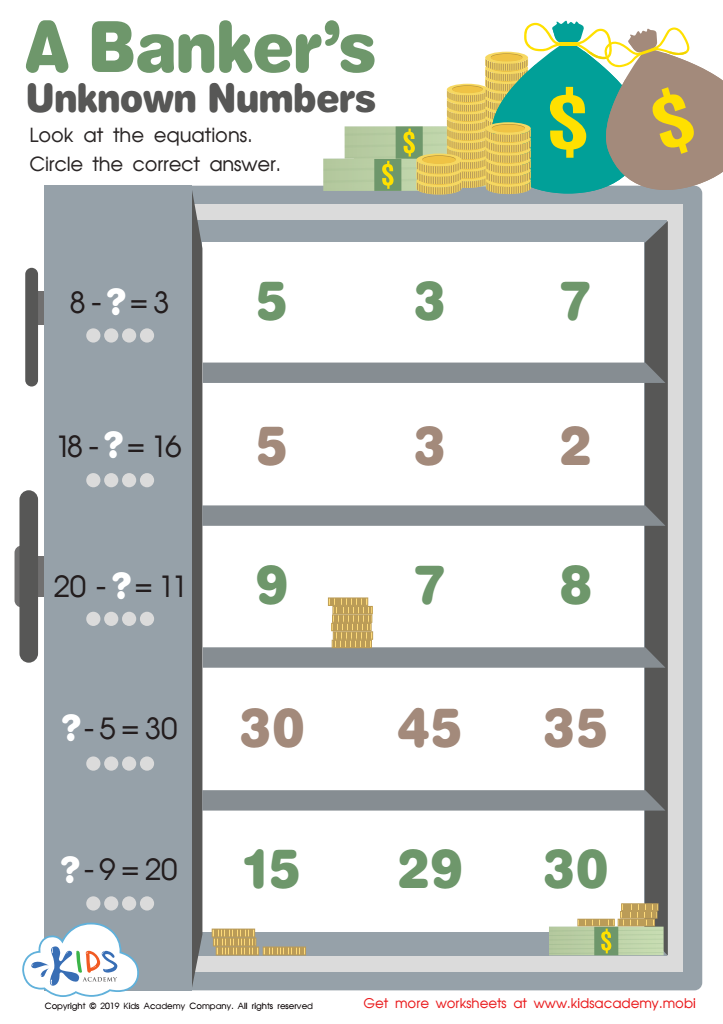
A Banker's Unknown Numbers Worksheet
At the bank, bankers count and record money properly to avoid losses. In this worksheet, kids count money and solve simple equations to find the correct answer. Help your kids work through the equations and circle the answer.
 Assign to My Students
A Banker's Unknown Numbers Worksheet
Worksheet
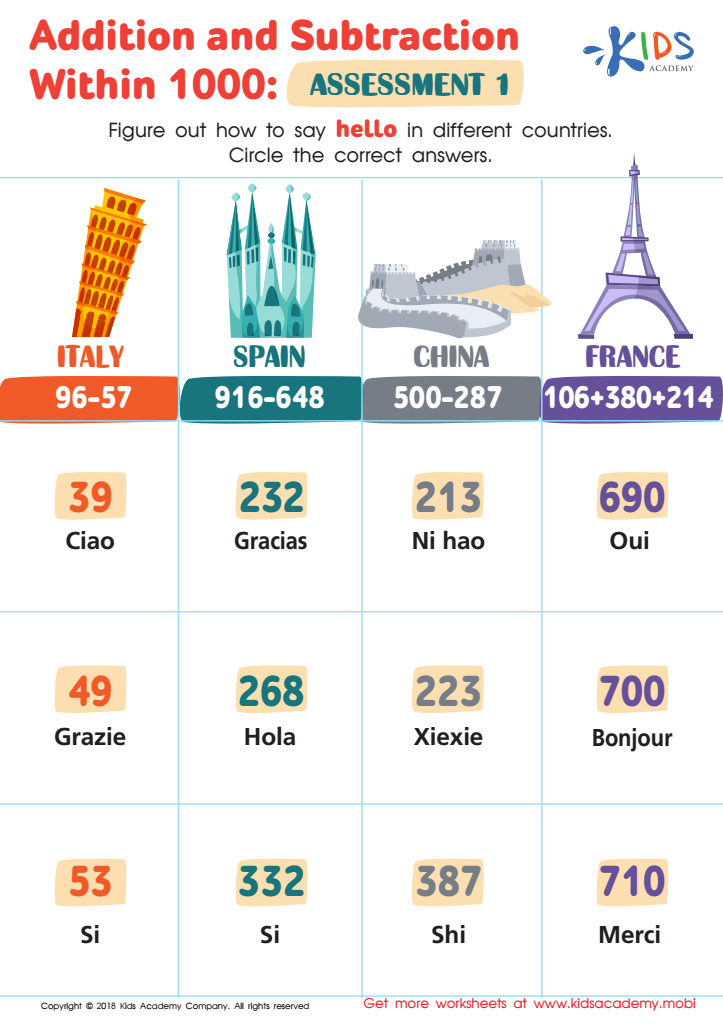
Addition and Subtraction Within 1000: Assessment 1 Worksheet
As your students grow, their knowledge and skills do too. Use this worksheet to test their adeptness in adding and subtracting numbers in the 1000s and introduce them to different ways to say hello. Let them circle the correct answers.
Addition and Subtraction Within 1000: Assessment 1 Worksheet
Worksheet
Join Kids Academy for Free
Who is primarily going to use this learning content?



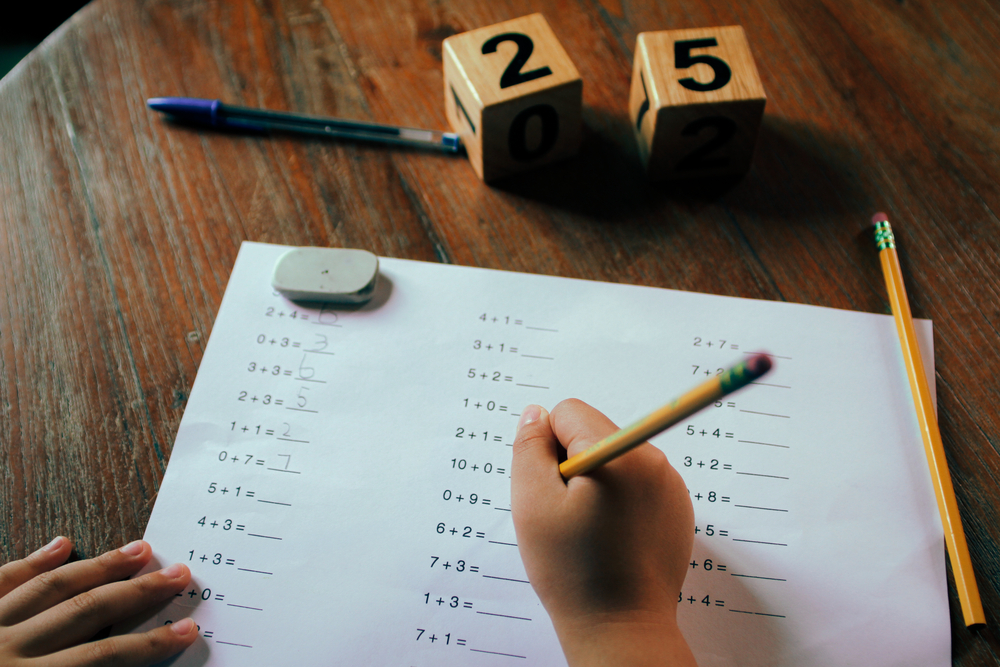




Parents and teachers should care about arithmetic practice for children aged 4-8 because it lays the foundation for future mathematical understanding and problem-solving skills. Arithmetic, which includes basic operations such as addition, subtraction, multiplication, and division, is crucial for cognitive development. Early exposure helps children develop logical thinking and the ability to recognize patterns, both of which are important for tackling more complex mathematical concepts later on.
Practicing arithmetic also enhances a child's confidence and self-esteem. When children master basic math skills early, they are more likely to approach future math challenges with a positive attitude. This creates a snowball effect; confident children are more willing to engage with new concepts and persist in challenging tasks.
Moreover, arithmetic practice fosters essential life skills like concentration, discipline, and time management. For example, understanding how to make change from money requires subtraction, while dividing a set of toys equally among friends necessitates divisional skills.
In summary, focusing on arithmetic practice for young children ensures they have the necessary tools for academic success in math and beyond. These skills are not only important for schooling but are also vital for day-to-day activities as they grow up, making arithmetic practice a cornerstone of early childhood education.








