Color recognition Math Worksheets for Ages 4-8 - Page 2
36 filtered results
-
From - To
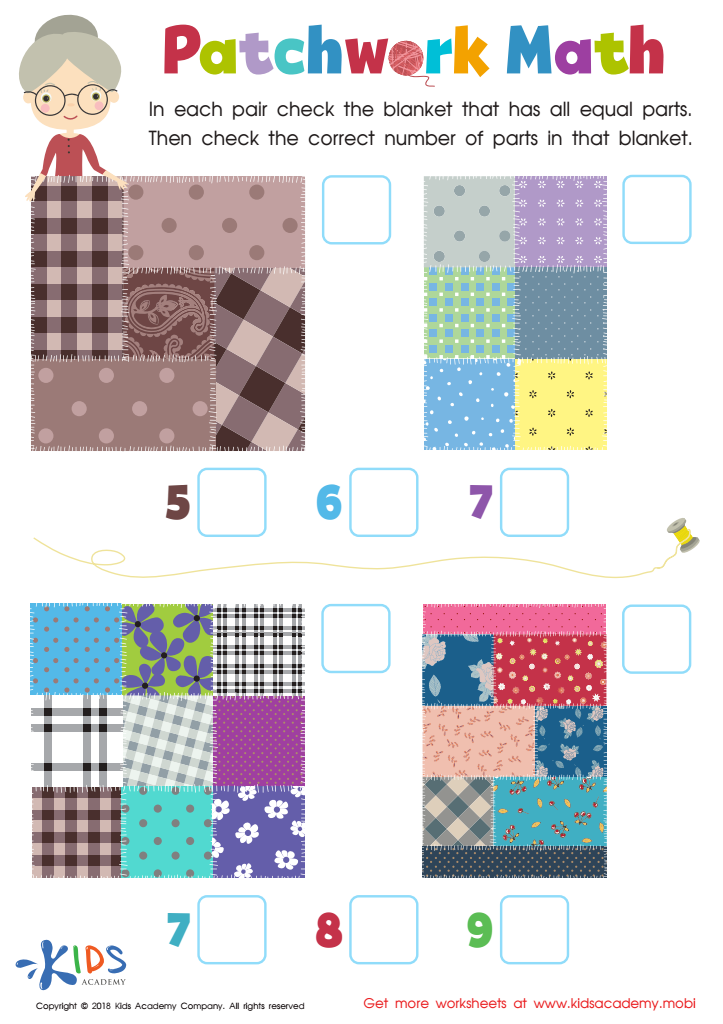
Patchwork Math Worksheet
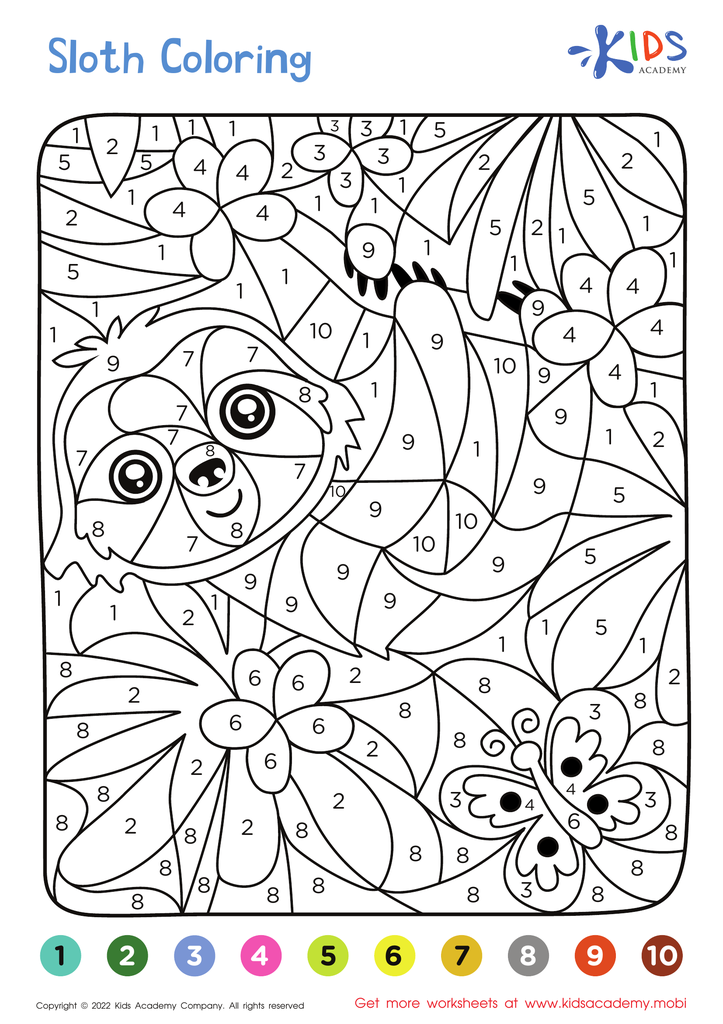
Sloth – Coloring by Numbers
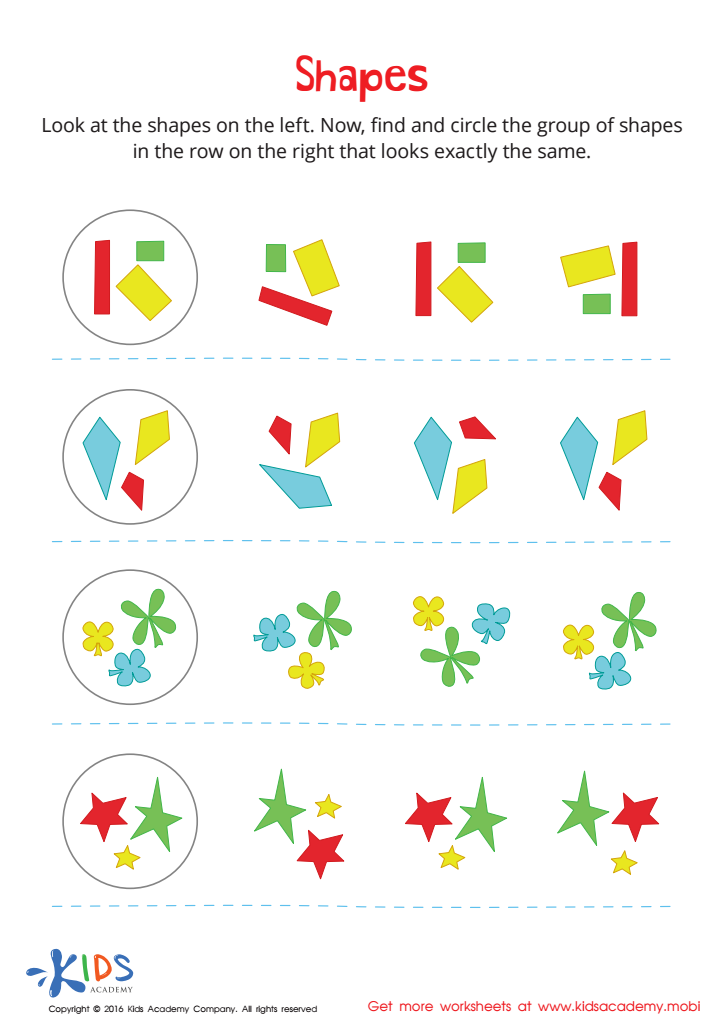
Shapes Worksheet
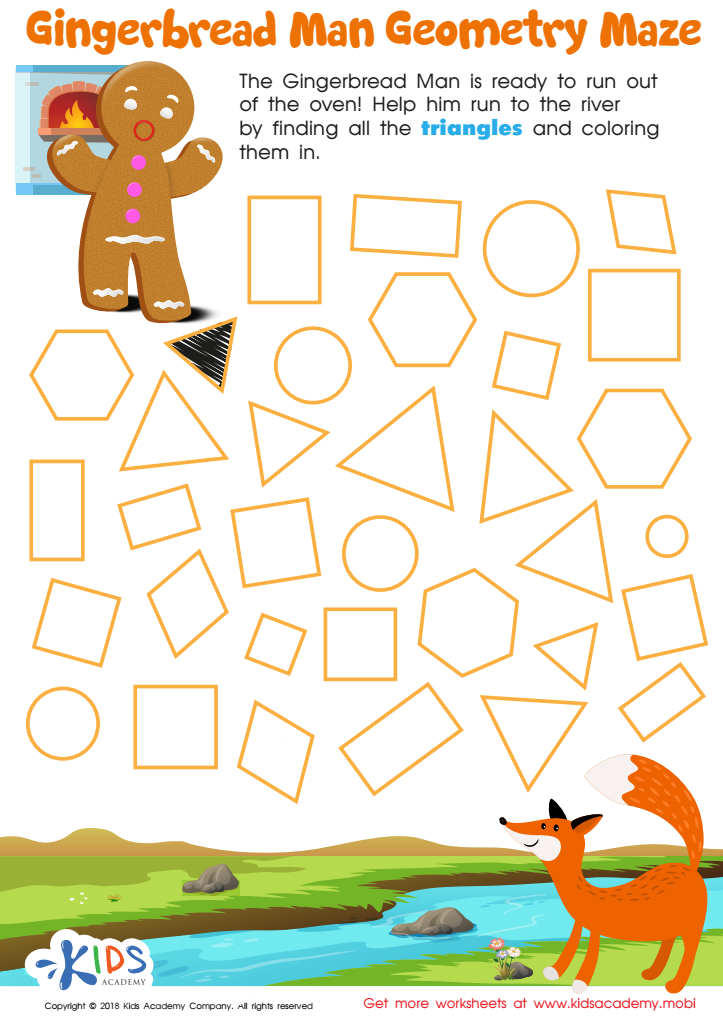
Gingerbread Man Geometry Maze Worksheet
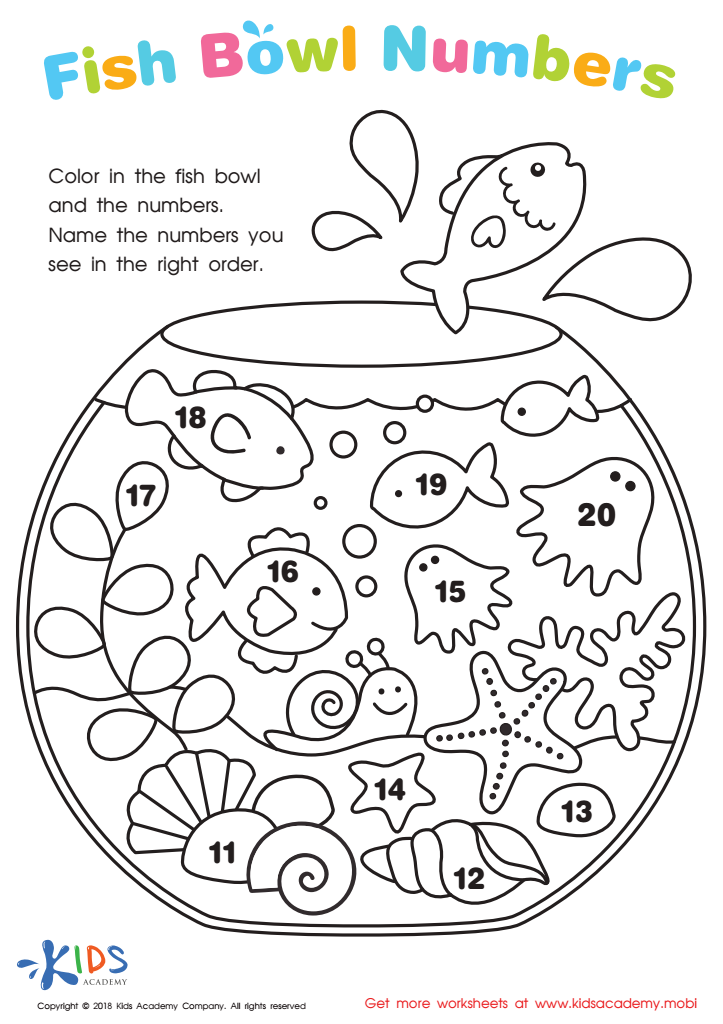
Fish Bowl Numbers Worksheet
 Assign to My Students
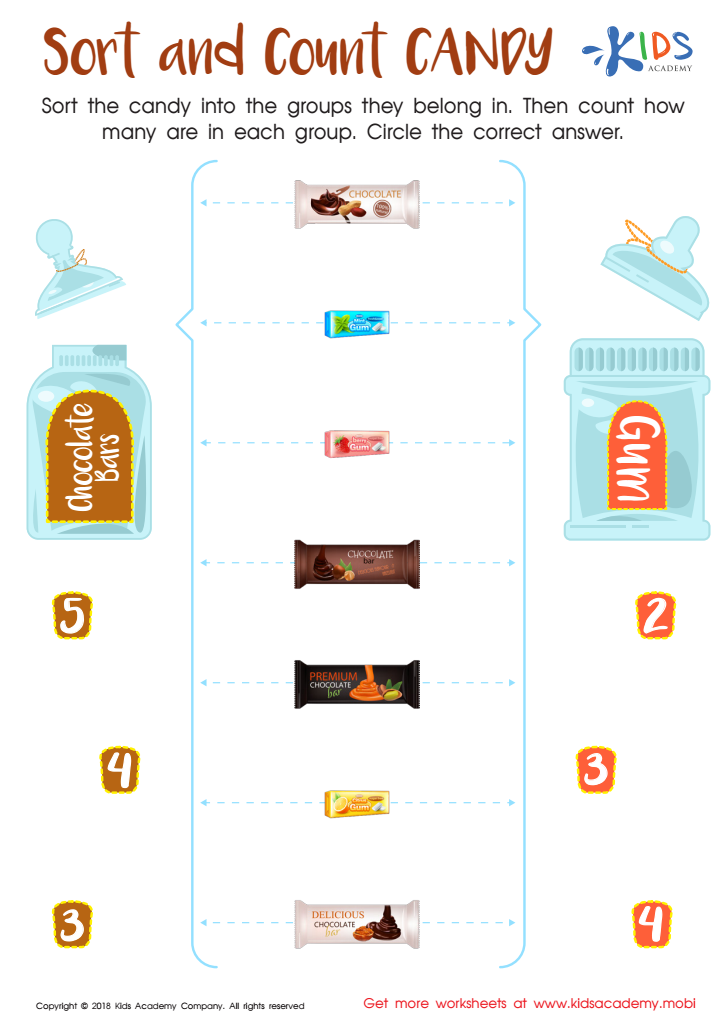
Sort and Count Candy Worksheet
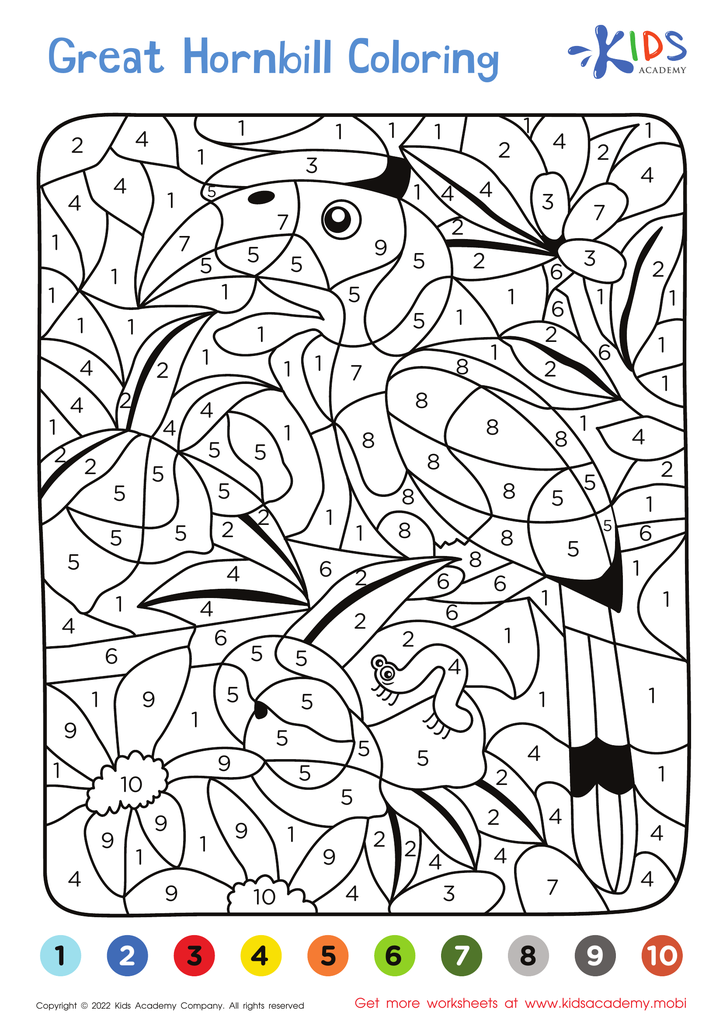
Great Hornbill – Coloring by Numbers
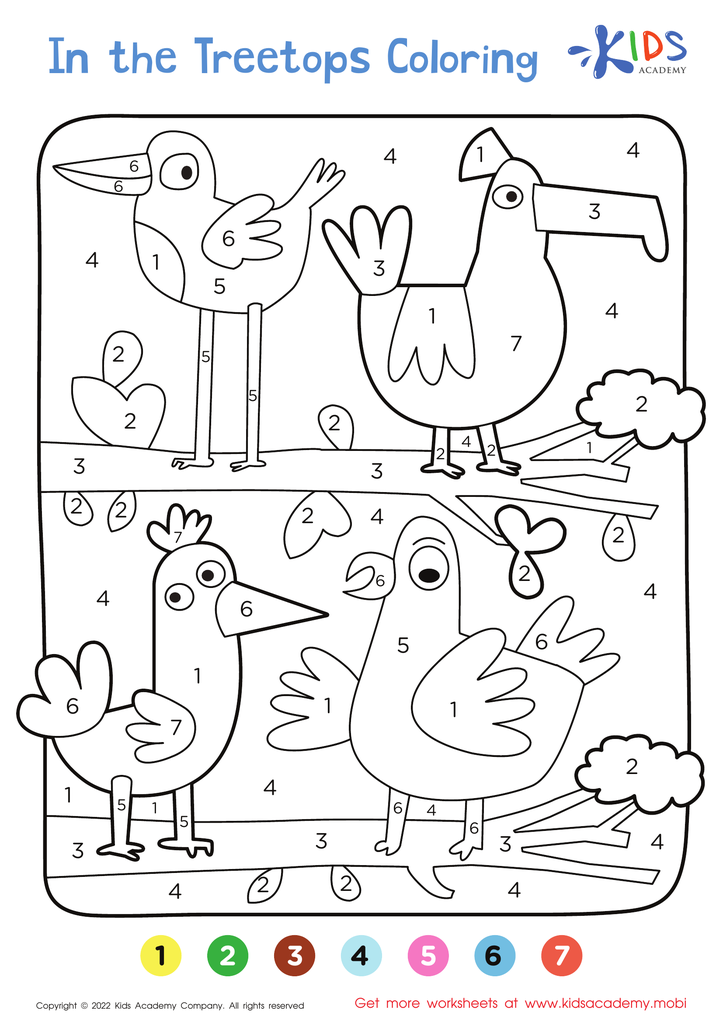
In the Treetops – Coloring Page
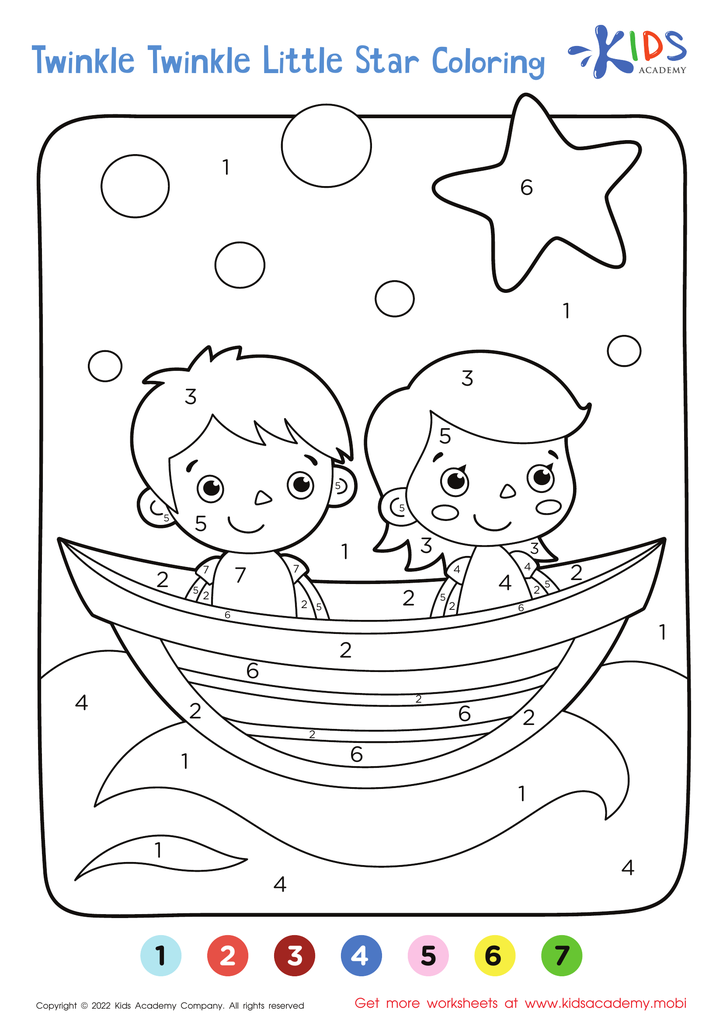
Twinkle, Twinkle, Little Star – Coloring by Numbers
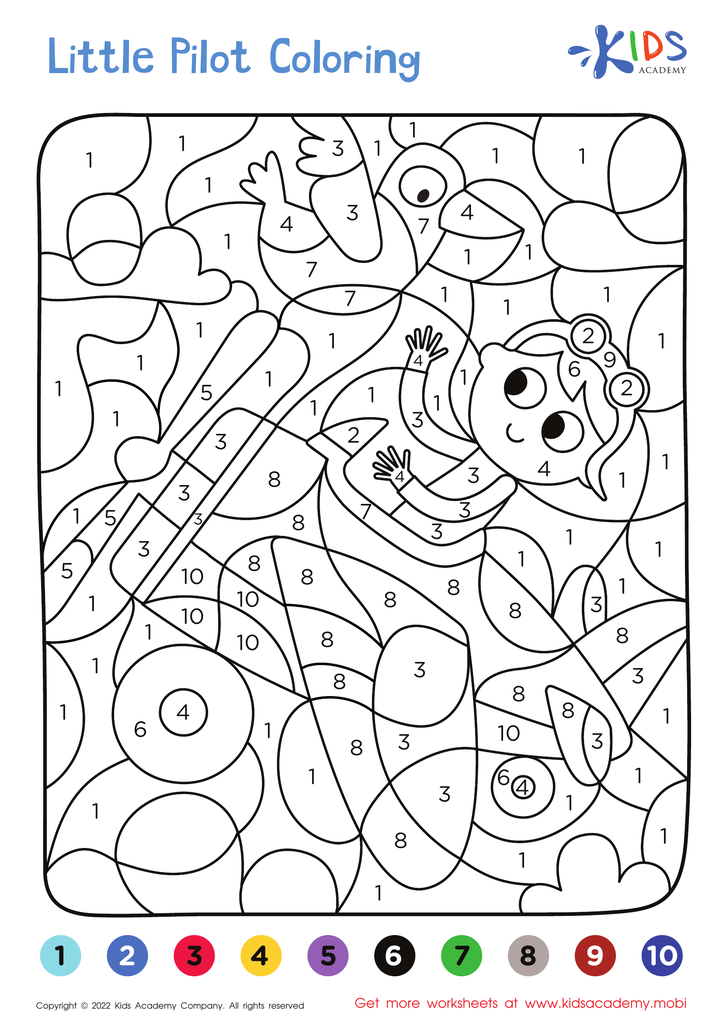
Little Pilot – Coloring by Numbers
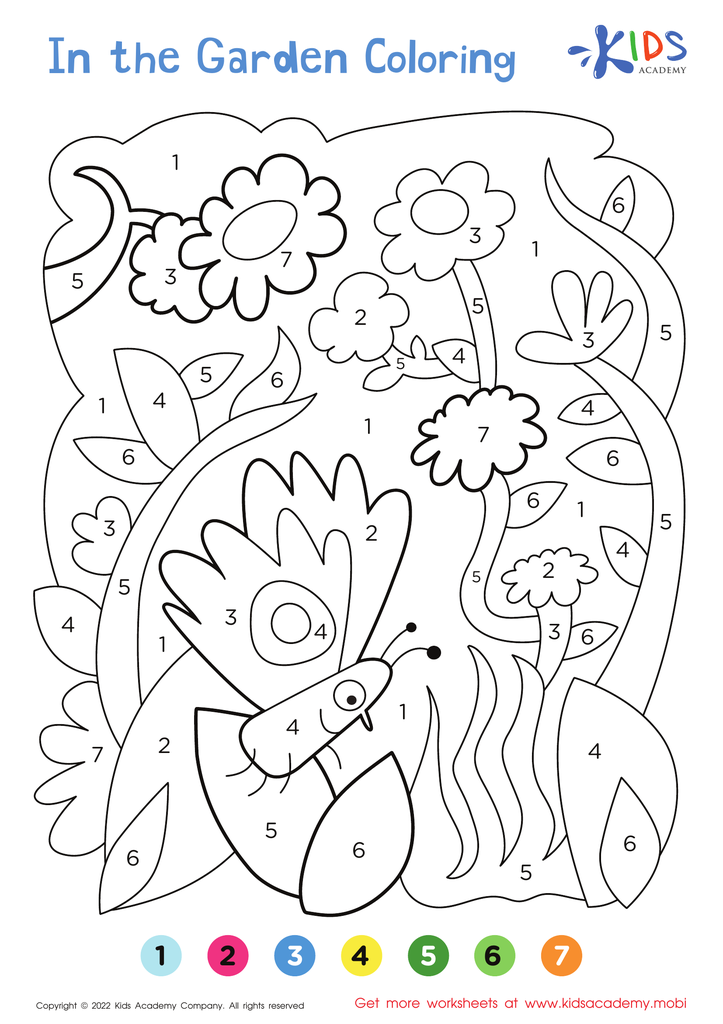
In the Garden – Coloring by Numbers
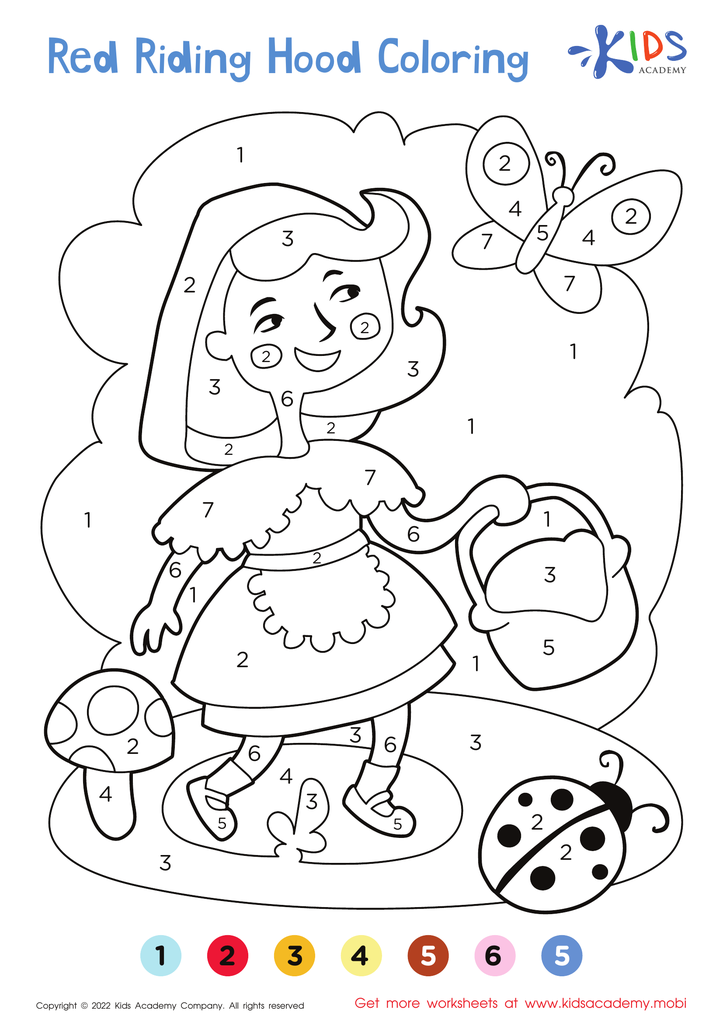
Little Red Riding Hood – Coloring by Numbers








Color recognition is an essential skill for children aged 4-8, laying a foundational block for various aspects of their development. First and foremost, color recognition enhances cognitive skills; it helps children categorize and differentiate objects, boosting their problem-solving abilities. When integrated into math activities, recognizing colors supports students in understanding concepts like sorting, patterning, and even fundamental operations like addition and subtraction.
Moreover, color-coded materials can facilitate engagement and make learning more enjoyable. Children are naturally drawn to vivid colors, making math more visually appealing and stimulating. This engagement fosters a positive attitude toward learning – crucial for young children as they form their educational identities.
Furthermore, incorporating color recognition into math lessons allows for cross-disciplinary learning. It enhances language skills through discussions about colors and encourages creativity through hands-on activities like art and crafts, reinforcing learning.
Lastly, mastering color recognition provides children with social skills, enabling them to communicate preferences and collaborate during group activities. For all these reasons, parents and teachers should prioritize color recognition in math, as it not only builds mathematical skills but also fosters wider emotional and cognitive development essential for a child's overall growth.








